Table of Contents >> Show >> Hide
- What Is Shea Butter, Exactly?
- Shea Butter Benefits for Your Face
- Who Should Use Shea Butter on the Face?
- Can Shea Butter Cause Breakouts?
- How to Use Shea Butter on Your Face
- Raw Shea Butter vs. Shea Butter in Face Creams
- Best Practices for Sensitive Skin
- What Shea Butter Will Not Do
- A Simple Routine With Shea Butter for the Face
- Common Experiences People Have With Shea Butter on the Face
- Final Thoughts
- SEO Tags
If your face has been feeling tight, flaky, grumpy, or all of the above, shea butter may be the skincare peace treaty you have been looking for. This rich plant butter has a loyal following for a reason: it can help soften rough skin, reduce that uncomfortable “my face is three sizes too small” feeling, and lock in moisture when your barrier is waving a tiny white flag.
Still, shea butter is not magic whipped into a jar. It is not a cure for every breakout, it is not a stand-in for sunscreen, and it is not automatically the best choice for every skin type. The real trick is knowing who it helps most, how to use it, and when to keep the application light instead of slathering it on like frosting.
In this guide, we will break down the skincare benefits of shea butter for your face, how it fits into a smart routine, what skin types tend to love it, and what to do if your pores are dramatic and easily offended.
What Is Shea Butter, Exactly?
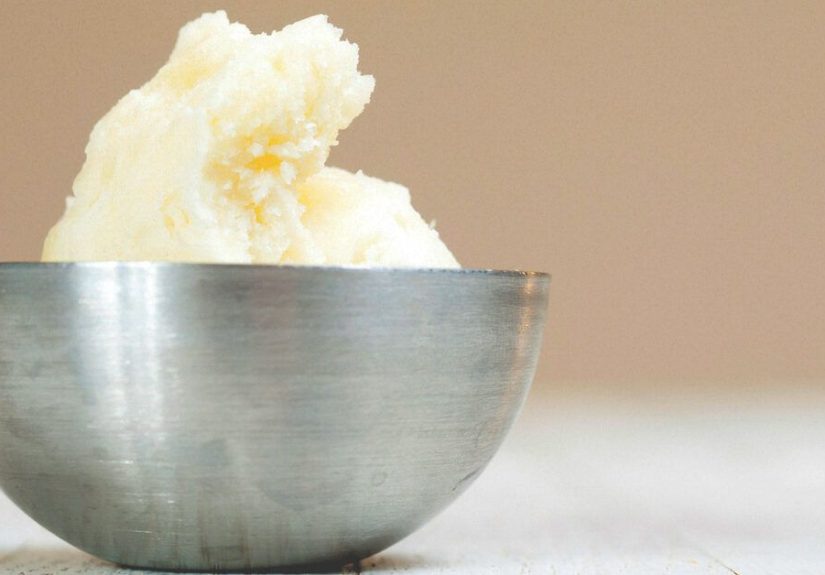
Shea butter is a fat derived from the nuts of the shea tree. In skincare, it is prized for its mix of fatty acids and plant compounds that give it its famous rich, cushiony feel. In plain English: it is the kind of ingredient that helps your skin feel less like sandpaper and more like skin again.
That buttery texture matters because dry facial skin usually needs more than a splash of hydration. It also needs help holding on to water. Shea butter works well here because it behaves like an emollient and occlusive-style moisturizer, helping smooth the skin’s surface while supporting the barrier that keeps moisture from escaping too quickly.
This is why you will often spot shea butter in thicker face creams, overnight balms, eczema-friendly moisturizers, and products made for sensitive or mature skin. It is the skincare equivalent of a cozy blanket: not flashy, but very appreciated when conditions get rough.
Shea Butter Benefits for Your Face
1. It helps relieve dry, tight skin
The biggest reason people reach for shea butter is simple: dryness. If your cheeks feel rough after cleansing, or your skin gets flaky in winter, shea butter can help soften and cushion those areas. Because it is rich and protective, it is especially useful when your skin feels stripped after weather changes, travel, over-exfoliation, or a too-enthusiastic relationship with acne products.
Many people notice that dry patches look less obvious once shea butter is added to their routine. Makeup can also sit more smoothly on well-moisturized skin, which is good news if your foundation has been clinging to flakes like it is paying rent there.
2. It supports the skin barrier
Your skin barrier is your face’s frontline defense. When it is healthy, it helps keep water in and irritants out. When it is unhappy, your skin may sting, look red, feel tight, or react to products you normally tolerate just fine.
Because shea butter is rich in lipids, it can help reinforce that barrier and reduce moisture loss. That makes it especially appealing for people with dry, sensitive, or easily irritated skin. If your face seems to protest everything from cold wind to foaming cleansers to one overly ambitious retinol night, barrier support is a big deal.
3. It can calm the look of irritation
Shea butter is often used in products designed for soothing uncomfortable skin. While it is not a prescription treatment, it can help skin feel less irritated and more comfortable, especially when dryness is part of the problem. That soothing quality is one reason it shows up so often in products for sensitive skin and eczema-prone skin.
Think of it as a “calm down, everybody” ingredient. It does not solve every underlying cause of redness, but it can help reduce the misery factor when your face feels irritated and parched at the same time.
4. It may make skin feel smoother and look healthier
Healthy-looking skin usually has one thing in common: it is well moisturized. Shea butter can help improve the feel and appearance of rough texture by softening the surface of the skin. That smoother texture can make your complexion look fresher, less dull, and more comfortable overall.
No, it will not erase every line on your face or turn you into a dewy porcelain doll by Tuesday. But when skin is properly moisturized, it often looks plumper, calmer, and more even. Sometimes skincare wins are not dramatic. Sometimes they are just your face finally deciding to cooperate.
5. It works well in simple routines
One underrated shea butter benefit is that it fits into a low-drama routine. You do not need 14 serums, a spreadsheet, and a lab coat. If your skin is dry, sensitive, or overworked, a gentle cleanser, a shea butter-based moisturizer, and daily sunscreen may already be a major upgrade.
Who Should Use Shea Butter on the Face?
Shea butter tends to work best for:
- Dry skin
- Sensitive skin
- Mature skin
- Skin that feels over-exfoliated or barrier-damaged
- People who prefer richer creams or overnight moisture
If your skin is normal to combination, you may still like shea butter, but you might prefer it in a lighter cream rather than as a thick balm. A formula matters. Shea butter whipped into a balanced moisturizer can feel very different from applying straight raw shea butter from a tub.
Can Shea Butter Cause Breakouts?
Here is where things get interesting. Shea butter has a reputation for being skin-friendly, but some people with oily or acne-prone skin find it too heavy for the face. In real life, that means one person calls it a barrier-saving hero while another says it sat on their skin like a winter coat in July.
If you are acne-prone, the safest move is to be strategic. Choose facial products labeled noncomedogenic when possible, use a smaller amount, and pay attention to how your skin responds. You may do better with a shea butter cream used only on dry areas instead of all over your face.
In other words, shea butter is not automatically “bad” for acne-prone skin, but it is not a universal yes either. Your skin gets a vote.
How to Use Shea Butter on Your Face
Use it as the last moisturizing step
Shea butter works best when it is helping seal in moisture. That means applying it after cleansing and, ideally, after lighter hydrating products. Skin that is slightly damp usually gets along well with moisturizers because there is water there to lock in.
A good order looks like this:
- Cleanse with a gentle, fragrance-free face wash.
- Apply a hydrating toner or serum if you use one.
- Use a moisturizer that contains shea butter, or apply a very small amount of shea butter on top.
- Finish with sunscreen in the morning.
Start with a small amount
This is not the moment for a maximalist personality. A pea-sized amount is often enough for the whole face, and even less may work if you are oily or combination. Warm it between your fingers first so it spreads more easily.
If you overdo it, your skin may feel greasy instead of nourished. The goal is comfort, not looking like you fell face-first into a croissant.
Try spot application first
If you are unsure how your face will react, use shea butter only on dry zones such as the cheeks, around the mouth, or flaky patches near the nose. This gives you the benefit where you need it most without overwhelming areas that are naturally oilier.
Use it at night if you dislike a rich daytime feel
Some people love shea butter under makeup. Others feel like it makes their face too shiny by lunchtime. If you fall into the second camp, reserve it for nighttime. A thicker moisturizer at night can be especially helpful when indoor heating, cold air, or active ingredients have your skin feeling worn out.
Raw Shea Butter vs. Shea Butter in Face Creams
You have two main options: use pure shea butter or choose a skincare product that includes it.
Pure shea butter is rich, simple, and excellent for very dry skin. But it can be heavy, thick, and a little fussy to spread.
Formulated face creams with shea butter are often easier to use because they blend shea butter with ingredients like glycerin, ceramides, hyaluronic acid, or soothing agents. That can make the product feel lighter, absorb better, and play more nicely with acne-prone or combination skin.
If you are new to shea butter for your face, starting with a fragrance-free facial cream that contains shea butter is often the easier and more user-friendly move.
Best Practices for Sensitive Skin
Patch test first
Even gentle ingredients can cause problems for some people. Before using a new shea butter product all over your face, patch test it on a small area for several days. If your skin stays calm, you are more likely to have a good experience when you use it more broadly.
Choose fragrance-free products
When skin is already irritated, extra fragrance is rarely the hero of the story. Fragrance-free shea butter moisturizers are usually the safer choice, especially if your skin stings, flushes easily, or has a history of reacting to skincare.
Be cautious if you have a latex allergy
Raw shea butter may contain natural latex. If you have a latex allergy, use extra caution and consider skipping raw shea unless you have clear guidance from your clinician. A refined product may be better tolerated, but “better tolerated” is not the same as “guaranteed safe.”
What Shea Butter Will Not Do
Let us keep the skincare group chat honest.
- It will not replace sunscreen. Even if shea butter offers a tiny bit of natural sun protection, it is nowhere near enough for daily UV defense.
- It will not cure acne by itself.
- It will not treat severe eczema flares, infections, or persistent rashes the way prescription treatment can.
- It will not fix every sign of aging overnight.
Use shea butter for what it does well: moisturizing, softening, protecting, and supporting dry or sensitive skin. That is already a pretty solid résumé.
A Simple Routine With Shea Butter for the Face
Morning routine
- Gentle cleanser or just rinse with lukewarm water if your skin is very dry.
- Hydrating serum if desired.
- Light shea butter moisturizer or a tiny amount on dry areas.
- Broad-spectrum SPF 30 or higher.
Night routine
- Gentle cleanse to remove sunscreen and makeup.
- Apply any treatment products first, if your skin tolerates them.
- Use a shea butter cream or balm as the final moisturizing layer.
If you use retinoids, benzoyl peroxide, or exfoliating acids, shea butter can be especially helpful on nights when your skin feels dry or irritated. Just keep an eye on whether the richness suits your skin type.
Common Experiences People Have With Shea Butter on the Face
One of the most common experiences people report is a sense of immediate comfort. Dry, tight skin often feels better within minutes of applying a shea butter-rich product. The change may not be dramatic in the mirror right away, but the skin often feels calmer, less itchy, and less “crispy.” For someone dealing with winter dryness or a compromised skin barrier, that comfort can feel like a very big win.
Another common experience is that flaky patches become easier to manage over several days. People often notice this around the nose, chin, and cheeks, especially after using active skincare ingredients. Instead of chasing every dry patch with another exfoliant, using a richer moisturizer can make the skin look smoother and less irritated. This is often the point where someone realizes the problem was not that they needed more scrubbing; they needed more support.
People with sensitive skin also often appreciate that shea butter feels straightforward. When skin is reactive, simpler routines can be easier to tolerate. A basic moisturizer with shea butter may feel less overwhelming than a long routine packed with acids, fragrance, and trendy ingredients that sound exciting but make the face complain by lunchtime.
That said, not every experience is a love story. Some people, especially those with oily or acne-prone skin, find shea butter too heavy. They may notice extra shine, a coated feeling, or small breakouts if they apply too much or use it all over the face. In those cases, people often do better when they switch to using shea butter only on dry patches or choose a lighter moisturizer that contains shea butter instead of using the pure butter itself.
There is also a very practical experience many users mention: makeup behavior changes. On very dry skin, shea butter can help foundation sit more smoothly and reduce the appearance of flaky texture. But if the layer underneath is too thick, makeup may slide around or look overly dewy. So the experience really depends on how much is used and what products are layered on top.
Nighttime is where shea butter often shines the brightest. Many people who dislike a richer daytime finish find that it works beautifully as a last step before bed. By morning, the skin may feel softer, less tight, and more balanced. It is not unusual for someone to say, “I do not love it under makeup, but my skin is so much happier when I use it overnight.”
Another real-world pattern is that people learn quickly whether their skin likes raw shea butter or prefers it inside a formula. Raw shea can feel wonderfully rich for one person and stubbornly waxy for another. A cream with shea butter, glycerin, and ceramides may end up being the more elegant option, especially for daily facial use.
In the end, the most common experience with shea butter is not perfection. It is adjustment. People test a little, observe, tweak the amount, maybe reserve it for cheeks or nighttime, and find their version of “just right.” Skincare is often less about finding one miracle ingredient and more about learning how your own skin likes to be treated. Shea butter can absolutely be part of that story.
Final Thoughts
Shea butter for your face can be a smart, skin-loving choice when dryness, sensitivity, or barrier stress are the main issues on the table. It helps soften skin, reduce moisture loss, and support a more comfortable, healthy-looking complexion. For many people, it is a reliable ingredient that earns its keep without demanding a complicated routine.
But like many rich moisturizers, it is not one-size-fits-all. If your skin is oily or acne-prone, use it carefully, keep the amount small, and pay attention to how your face responds. If your skin is dry, mature, or irritation-prone, it may become one of those products you repurchase before the jar is even empty.
The bottom line: shea butter is not skincare hype when used thoughtfully. It is a classic moisturizer with real benefits, especially for dry facial skin that needs comfort, softness, and a little backup.