Table of Contents >> Show >> Hide
- What Is Teff Flour?
- Teff Flour Nutrition: What’s In It?
- Health Benefits of Teff Flour (Without the Magical Thinking)
- Best Uses for Teff Flour (Beyond “Put It In a Muffin”)
- How to Bake With Teff Flour Without Turning Your Loaf Into a Doorstop
- Buying and Storing Teff Flour
- Possible Downsides and Who Should Be Careful
- FAQ: Quick Answers About Teff Flour
- Conclusion: The Tiny Grain With Big “Yes, You Can Bake That” Energy
- Kitchen Notes: Real-Life Teff Experiences (500-ish Words)
Teff flour is what happens when an ancient grain shows up to modern baking and casually flexes: naturally gluten-free, pleasantly nutty, and surprisingly versatile. It’s also tinyteff grains are famously smallso when you eat teff, you’re basically eating the whole “package deal” (bran, germ, and endosperm), which is exactly where many of the good nutrients like to hide.
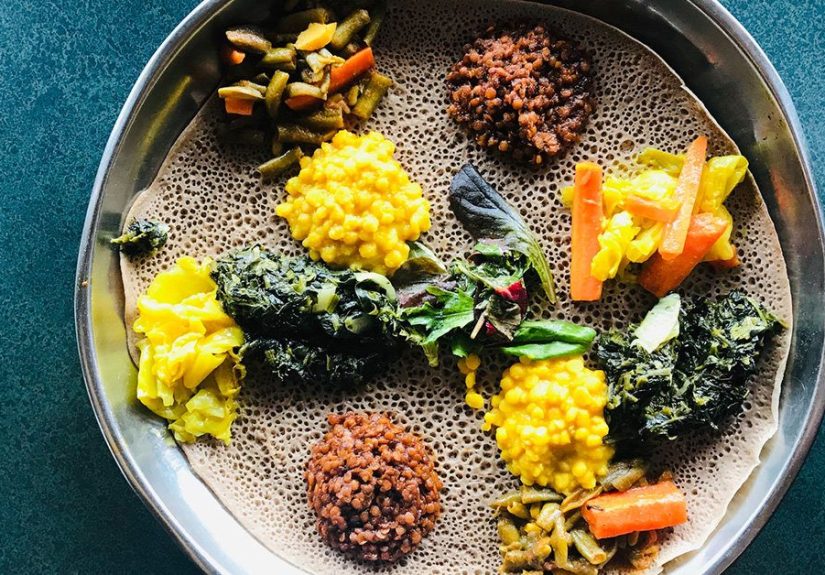
In the U.S., teff flour has become a go-to ingredient for gluten-free baking, whole-grain cooking, and anyone who’s bored of the same three pantry flours. But it’s not just a trendy swap. Teff has a long culinary history in Ethiopian and Eritrean cuisines, where it’s the star of injera, the tangy, spongy flatbread that doubles as plate, utensil, and vibe.
What Is Teff Flour?
Teff flour is simply teff grain (an “ancient” cereal grain) that has been ground into a fine flour. You’ll see it sold as ivory (lighter) or brown/dark (deeper flavor). Compared with wheat flour, teff flour has a slightly earthy, toasty tastethink mild molasses-meets-hazelnutwithout being overpowering if you use it strategically.
Because teff is naturally gluten-free, it doesn’t form the stretchy gluten network that makes wheat dough elastic. Translation: teff flour can make baked goods tender and moist, but it usually needs a little help (like eggs, yogurt, psyllium, or a gluten-free flour blend) if you’re trying to build a tall, airy loaf.
Teff Flour Nutrition: What’s In It?
Exact nutrition varies by brand and whether the flour is made from whole grain teff. To keep things concrete, here’s an example from a widely sold U.S. product label: a 1/4 cup (35g) serving of teff flour provides 130 calories, 4g protein, 27g carbohydrates, 2g fiber, plus minerals like calcium (63mg) and iron (2mg). That’s a nice nutrient punch for something that can also become pancakes.
Key nutrients people care about
- Fiber: Supports digestion and fullness. Teff is often highlighted as fiber-rich compared with many refined flours.
- Iron: Important for oxygen transport in the body; teff is frequently noted for its iron content.
- Calcium: A mineral best known for bone healthteff flour can contribute meaningful amounts depending on the serving.
- Protein: Helpful for satiety, muscle repair, and general “why am I hungry again?” prevention.
- Resistant starch: Teff contains notable resistant starch, a type of carbohydrate that acts a bit like fiber in the gut.
A quick word about “resistant starch” (and why it matters)
Resistant starch is sometimes described as “newly discovered,” but the concept is simple: it resists digestion in the small intestine and can be fermented by beneficial gut bacteria. Teff is estimated to have a meaningful share of its carbohydrates as resistant starch, which is one reason it’s discussed in the context of blood sugar management and gut health.
Health Benefits of Teff Flour (Without the Magical Thinking)
Teff flour isn’t a superhero cape for your dietbut it can be a smart ingredient choice, especially if you’re trying to eat more whole grains or need gluten-free options. Benefits generally come from its whole-grain nutrients (fiber, minerals) and from what tends to happen when you swap refined flour for more nutrient-dense choices.
1) Naturally gluten-free (with one important caveat)
Teff is naturally gluten-free, which makes it useful for people who must avoid gluten. The caveat is cross-contamination: if it’s processed or packed near wheat, barley, or rye, it can pick up gluten. If you have celiac disease or high sensitivity, look for packaging that states “gluten-free” and consider certified gluten-free products for extra assurance.
2) A whole-grain upgrade for heart and metabolic health
Big-picture nutrition research consistently links higher whole-grain intake with better health outcomes. Whole grains deliver fiber and nutrients that refined grains lose during processing. So even when we’re talking about “teff flour benefits,” a lot of the story is really “whole grain benefits,” with teff as a delicious way to get them.
3) Fiber + resistant starch = happier digestion (for many people)
Fiber is famous for keeping things moving, but it also supports a healthy gut environment. Resistant starch can act as a food source for certain beneficial microbes. Practically, many people find teff-based foods more satisfying than similar items made from refined white flour, partly because fiber slows digestion and helps with fullness.
4) Blood sugar friendliness (context matters)
You’ll often see teff described as having a lower glycemic impact than many refined wheat products. That can make sensefiber and resistant starch can slow absorption. But the glycemic response depends on the whole recipe: added sugars, portion size, and whether you’re eating teff in a cookie or in a high-protein bowl. Think of teff as a “better building block,” not an automatic blood-sugar shield.
5) Useful minerals, especially iron and calcium
Teff is often highlighted for minerals like iron and calcium. If you’re building a plant-forward diet, those minerals can be easy to under-eat. Teff flour won’t replace medical treatment for deficiency, but it can be part of a mineral-smart patternespecially when paired with vitamin C–rich foods that can support iron absorption. (Hello, teff crepes with strawberries.)
Best Uses for Teff Flour (Beyond “Put It In a Muffin”)
Teff flour shines when you lean into its strengths: moisture, tenderness, and a warm, nutty flavor that plays well with chocolate, cinnamon, coffee, and bananas. If you’ve ever eaten a gluten-free baked good that tasted like it was made from sadness and sawdust, teff can help fix that.
Injera: teff’s iconic role
Injera is a fermented flatbread traditionally made with teff. The fermentation creates its signature tang and spongy texture, and it’s typically cooked like a large crepe. Even if you don’t go fully traditional, teff flour is a key ingredient in many injera recipes and tutorials.
Everyday baking ideas
- Pancakes and waffles: Adds a nutty depth; pairs ridiculously well with maple syrup and berries.
- Quick breads: Banana bread, pumpkin bread, zucchini breadteff loves moist batters.
- Brownies and chocolate cake: Teff’s flavor is basically “chocolate’s best friend.”
- Cookies: Especially oatmeal-style or spice-forward cookies where a deeper flavor is welcome.
- Crackers and flatbreads: Great for savory mixes with herbs, seeds, and olive oil.
Cooking (not baking): porridge, thickening, and more
You can also use teff flour as a thickener for soups and stews (a little goes a long way). Teff grain itself is used like porridge, but teff flour can mimic that cozy texture in breakfast bowls or savory “polenta-like” dishes. If you like creamy textures, teff’s got you.
How to Bake With Teff Flour Without Turning Your Loaf Into a Doorstop
Teff flour behaves differently than wheat flour. Here are practical strategies that work in real kitchens:
Start with partial substitution
In many baking recipes, substituting a portion of all-purpose flour with teff flour is a sweet spot: you’ll get the flavor and nutrient boost without losing structure. A common approach is replacing about 25% of the flour in a recipe with teff flour, then adjusting as you learn how your recipe behaves.
Expect higher water absorption
Teff flour can make batters and doughs feel thicker. If your batter looks like it’s trying to bench-press the spoon, add liquid in small increments. For pancakes and muffins, extra milk or buttermilk often does the trick.
Use binding helpers for gluten-free baking
If you’re baking 100% gluten-free, structure becomes a team sport. Helpful teammates include: eggs, yogurt, mashed banana, chia/flax gels, psyllium husk, and xanthan gum (use sparingly). Many successful gluten-free bread recipes rely on a blend of flours and starches rather than a single flour.
Flavor pairing cheat sheet
- Sweet: chocolate, cinnamon, cardamom, vanilla, coffee, maple, banana, dates
- Savory: cumin, smoked paprika, garlic, rosemary, sesame, onion, berbere-style spice blends
- Texture boosters: nuts, seeds, oats (gluten-free labeled if needed), shredded coconut
Buying and Storing Teff Flour
In the U.S., you can find teff flour in many natural grocery stores, larger supermarkets, and online. Because whole-grain flours contain oils that can go rancid over time, store teff flour in an airtight container in a cool, dark place. For longer storage, the fridge or freezer is your friendespecially if you buy in bulk.
Possible Downsides and Who Should Be Careful
Teff flour is generally safe for most people as part of a balanced diet. Still, a few practical cautions apply:
- Gluten-free label matters for celiac disease: Teff is naturally gluten-free, but cross-contact can happen. If you rely on gluten-free labeling, U.S. rules set a threshold for foods labeled “gluten-free.”
- Fiber can surprise you: If your usual diet is low in fiber, jumping into heavy teff baking can cause bloating or GI discomfort. Start small and increase water intake.
- Minerals aren’t a substitute for medical care: If you suspect iron deficiency, get tested and follow medical advice. Foods help, but they’re not the same as treatment.
FAQ: Quick Answers About Teff Flour
Is teff flour keto?
Not really. Teff is a whole grain flour, so it’s primarily carbohydrate-based. It can fit into many eating patterns, but strict keto typically keeps total carbs very low.
Does teff flour taste like wheat flour?
Noteff has a more earthy, nutty flavor. That’s not a bad thing. It’s why teff brownies can taste like the upgraded version of brownies.
Is teff flour good for bread?
It can be, especially in flatbreads, quick breads, or blended loaves. For tall, airy yeast bread, you’ll usually want teff as part of a flour blend, plus binding support, because teff doesn’t contain gluten.
What’s the difference between ivory and brown teff flour?
Mainly flavor and color. Ivory is milder and lighter; brown/dark teff is deeper, earthier, and makes baked goods darkergreat for chocolate recipes or rustic loaves.
Conclusion: The Tiny Grain With Big “Yes, You Can Bake That” Energy
Teff flour earns its pantry space because it’s both practical and interesting: gluten-free by nature, whole-grain in spirit, and flavorful in a way that makes everyday foods feel less basic. Use it for pancakes, quick breads, brownies, crackers, and (if you’re feeling ambitious) injera. Start with partial substitutions, tweak hydration, and let teff do what it does best: add nutrition and character without demanding that you become a professional baker with a spreadsheet.
Kitchen Notes: Real-Life Teff Experiences (500-ish Words)
The first time many people try teff flour, it’s usually in a “healthier baking experiment” momentoften sparked by a gluten-free guest, a curiosity spiral in the grain aisle, or that quiet realization that you’ve baked banana bread 47 times and need new hobbies. Teff tends to win skeptics over because it doesn’t taste like punishment. The flavor is warm and slightly earthy, which makes baked goods feel more “grown-up,” like they’ve read a book and now have opinions.
One common experience: teff pancakes. People expect something dense or gritty (because gluten-free flours sometimes have that vibe), but teff pancakes can come out soft and tenderespecially if you let the batter rest for 10 minutes. Resting gives the flour time to hydrate, which often smooths out texture. Many home cooks notice they need a splash more milk or buttermilk than usual because teff thickens batters faster than standard all-purpose flour. The payoff is a pancake that feels hearty without being heavy, with a flavor that pairs beautifully with berries, cinnamon, and anything maple.
Another fan favorite is teff in chocolate bakingbrownies, snack cakes, or even a simple chocolate loaf. Teff’s deeper notes seem to amplify cocoa, almost like adding a tiny pinch of espresso powder (but without the coffee commitment). Bakers often report that teff-based brownies stay moist longer than versions made solely with white flour. That moisture can be a lifesaver in gluten-free baking, where dry, crumbly texture is the villain of the story. If you’re experimenting, swapping in teff for about a quarter of the flour in a brownie or cake recipe is a gentle entry point that still delivers noticeable flavor.
Then there’s the “teff bread reality check.” People try to bake a lofty sandwich loaf with 100% teff flour and discover that gluten-free bread doesn’t rise on optimism alone. The most successful experiences tend to involve blends: teff plus a lighter flour (like rice flour) and a structure-builder (like psyllium husk). Once you do that, the bread becomes far more cooperativeless brick, more bread. Many bakers also note that teff dough can feel “thirsty,” so hydration often needs to be higher than expected. The dough may look soft, even sticky, but that’s often where the best crumb starts.
Finally, there’s the injera adventure. Anyone who’s tried making injera at home has a story. Fermentation times vary based on temperature, and the first batch might taste more “tangy science project” than “restaurant-perfect.” But for many people, that’s part of the charm: you’re working with a living batter, and each attempt teaches you something. Even when the results aren’t flawless, teff injera has a way of turning dinner into an experiencetear, scoop, share, repeat. It’s the kind of food that makes you slow down, laugh at imperfect circles, and appreciate that a tiny grain can carry a whole tradition (and a whole lot of stew).