Table of Contents >> Show >> Hide
- Table of Contents
- Why Midcentury Modern Keeps Coming Back
- The Classic DNA of Midcentury Style
- What Makes the New Revival Different
- Materials, Colors, and Finishes That Define the Look
- How the Revival Shows Up Room by Room
- Common Mistakes to Avoid
- How to Bring Midcentury Revival into Your Home
- A 500-Word Experience of Living the Midcentury Revival
- Conclusion
Midcentury modern never really left. It just changed jackets, traded the showroom sparkle for lived-in charm, and waited patiently for the rest of us to stop painting everything gray. Now the style is back in a big way, but this version feels richer, warmer, and a lot less like a time capsule. The current midcentury revival is not about turning your house into a television set from 1962. It is about borrowing the best ideas from the eraclean lines, functional planning, warm woods, big windows, sculptural furniture, and a strong connection to natureand adapting them for real life right now.
That is why the revival has staying power. Midcentury design has always had a practical streak hiding under its handsome walnut exterior. The look celebrates furniture that earns its keep, rooms that breathe, and architecture that understands sunlight better than some people understand their own calendars. Today’s homeowners are rediscovering those strengths and mixing them with contemporary comfort, vintage finds, better materials, and a more personal approach to decorating.
So here is the table of contents for the comeback: what midcentury style actually is, why it keeps resurfacing, what defines the new revival, how to bring it home without going full museum docent, and what it feels like to live inside this warm, witty, beautifully practical design language.
Why Midcentury Modern Keeps Coming Back
Some styles return because nostalgia sells. Midcentury returns because it solves problems. Homes still need storage, flow, light, comfort, and furniture that does not feel like it was designed by a committee of extremely stressed robots. Midcentury modern offers all of that. Its furniture is known for functional forms, straightforward silhouettes, and craftsmanship that still feels fresh decades later. Its architecture favors open interiors, strong indoor-outdoor connections, large expanses of glass, and mixed natural materials that make rooms feel grounded instead of fussy.
There is also the emotional factor. The style feels optimistic. It comes from a design era that believed modern life could be beautiful, efficient, and welcoming all at once. That idea still resonates, especially now that many people want homes that feel warm and personal rather than sterile and trend-chasing. The newest wave of interest has also been fueled by a broader move toward vintage furniture, reclaimed pieces, darker woods, mixed wood tones, and interiors with more character on display. In other words, the pendulum has swung away from flat, icy minimalism and back toward rooms with soul.
The current revival also benefits from flexibility. Midcentury modern mixes comfortably with contemporary, Scandinavian, rustic, Japandi, industrial, and even traditional elements when done well. That means homeowners can nod to the era without committing to a full period remake. A sculptural chair here, a walnut credenza there, a globe pendant overhead, and suddenly the room looks considered rather than costumed. That is the secret: the revival works because it is adaptable.
The Classic DNA of Midcentury Style
To understand the revival, you have to know the original recipe. Midcentury modern design rose to prominence in the middle of the twentieth century and was shaped by modernist ideas, Bauhaus influences, Scandinavian simplicity, postwar optimism, and advances in materials and manufacturing. The style prizes clean lines, functional planning, uncluttered compositions, and beautiful craftsmanship. In furniture, that often translates to sleek profiles, tapered legs, low silhouettes, curved edges paired with crisp geometry, and materials such as wood, metal, glass, and molded forms.
In architecture, the hallmarks are just as recognizable. Think long, low forms; open floor plans; large windows and sliding glass doors; strong horizontal lines; flat or gently pitched roofs; and a seamless relationship between the indoors and the landscape outside. Midcentury homes often use wood, glass, brick, and concrete in combinations that feel natural and understated. The best ones do not scream for attention. They simply sit there looking annoyingly perfect while the sunlight moves across the floor.
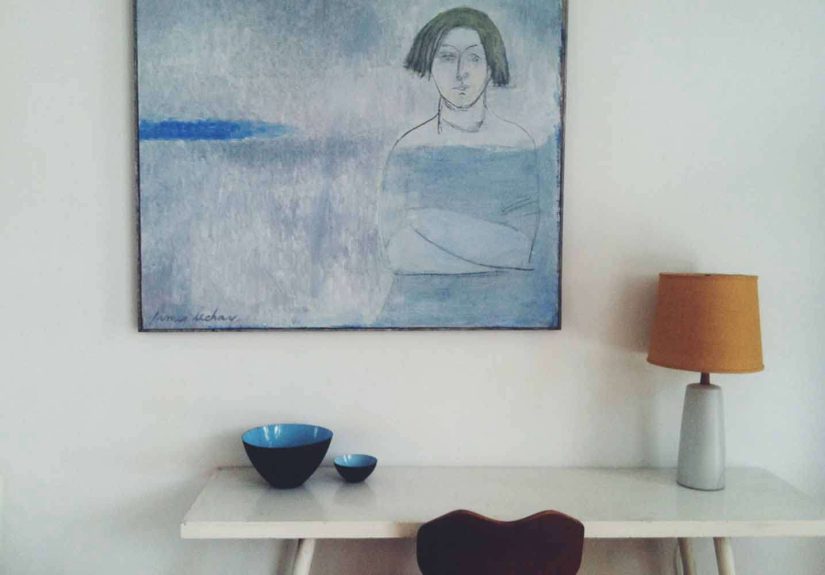
Color has always mattered too. Contrary to the myth that midcentury style is all neutrals and teak, the period embraced bold accents and playful energy. Earthy greens, mustard, rust, blue, black, and warm whites all have a place, especially when paired with natural woods. What makes the palette work is control. The room is rarely chaotic. Even when the sofa is orange and the lamp looks like it came from a very stylish moon mission, the overall composition still feels deliberate.
What Makes the New Revival Different
Here is where things get interesting. The midcentury revival of today is not a carbon copy of the old version. It keeps the bones but updates the attitude. Instead of chasing a perfectly matched suite of furniture, homeowners are mixing vintage pieces with modern ones. Instead of treating every room like a shrine to teak, they are layering in plaster, stone, textured fabrics, ceramics, metal, and art. Instead of pale woods and flat white walls everywhere, they are reaching for deeper stains, mixed woods, moodier color, and more visible personality.
This newer revival is warmer. Darker woods such as walnut, mahogany, and smoked oak have gained attention because they bring weight and architectural richness to a room. Mixed wood tones also feel more current than everything matching from floor to side table. The result is more collected and less catalog-ready. There is a growing appreciation for vintage finds, premium materials, and pieces that look like they were chosen over time rather than delivered in one dramatic afternoon by a truck full of good intentions.
It is also softer. While classic midcentury design is famous for crisp silhouettes, the present-day interpretation often adds biomorphic and organic forms. Curved chairs, rounded tables, sculptural lighting, boucle upholstery, and gently irregular accessories keep the look from becoming too rigid. The room still feels edited, but it is no longer trying to win a geometry contest.
Most importantly, the revival is more livable. People want rooms that function for the way they actually live. That means built-ins, flexible seating, durable fabrics, family-friendly layouts, and thoughtful renovations that preserve the best original details while improving accessibility, comfort, and energy performance. A midcentury home can still honor its history while becoming better suited to modern life. That is not betrayal. That is design doing its job.
Materials, Colors, and Finishes That Define the Look
Warm woods are the backbone
If midcentury revival had a love language, it would be walnut. Teak, rosewood-inspired tones, oak, cherry, and other warm woods also play major roles. These finishes bring depth, especially when used on case goods, shelving, paneling, or architectural details. Original paneling and trim, when preserved thoughtfully, often add far more character than a blanket coat of paint ever could.
Glass, metal, and stone keep it balanced
Midcentury interiors shine when warm woods meet cooler or more reflective materials. Glass keeps rooms light. Metal legs and minimal hardware add contrast. Stone, concrete, terrazzo, and brick introduce texture and history. When these materials are balanced correctly, the room feels grounded and airy at the same time. That is a neat trick, and midcentury spaces do it well.
Color should feel playful, not frantic
For a classic but updated palette, start with warm neutrals, then add earthy or saturated accents: olive, rust, ocher, navy, mustard, chocolate, forest green, or even a strategic pop of red. Avoid making the room too chilly with icy grays or too sugary with neon and overdone pastels if the goal is a grounded midcentury feel. The revival favors warmth, contrast, and restraint over rainbow chaos. Your home is not trying out for a cereal box.
Texture matters more than ever
The new revival is not flat. It uses nubby upholstery, woven textiles, matte paint, pottery, linen, leather, wood grain, and sculptural shapes to create visual rhythm. A low walnut credenza looks even better next to a textured plaster wall or a soft boucle lounge chair. The magic is in the mix.
How the Revival Shows Up Room by Room
Living rooms
This is where midcentury revival tends to strut. Low sofas, statement lamps, geometric rugs, warm woods, and a few sculptural accents make the style instantly recognizable. But the best rooms are not rigidly retro. They use contrast: curved lamps with linear sofas, vintage tables with contemporary art, deep wood tones with lighter upholstery. In some homes, revived conversation pits or subtly lowered seating zones add drama and intimacy while giving open plans better definition.
Kitchens
Midcentury-inspired kitchens lean on simple cabinetry, minimal hardware, warm wood, smooth surfaces, and earthy color accents. Open shelving, globe lighting, bar stools with slim legs, and terrazzo-style counters can all support the look. The key is keeping the kitchen sleek but not cold. “Less is more” still applies, but the “less” should be interesting enough to carry the room.
Bedrooms
Bedrooms translate the style into a quieter register. Think platform beds, rich wood tones, built-in storage, simple lines, and controlled color. Crisp whites or warm neutrals work beautifully with darker woods and a few jewel-toned accents. Midcentury revival bedrooms tend to feel calm, not cluttered, which is a nice courtesy for anyone trying to sleep in a world that insists on sending emails at absurd hours.
Exteriors and architecture
The architectural side of the revival is just as compelling. Renovations often focus on restoring visual clarity to homes that were altered over time with mismatched additions or generic finishes. Bringing back strong roof lines, open gathering spaces, larger windows, better circulation, and material continuity helps a midcentury house rediscover its identity. The goal is not fake nostalgia. It is coherence.
Common Mistakes to Avoid
Do not over-theme it. A room full of iconic replicas can feel more like a waiting room for design trivia night than a home. One or two star pieces go further than a dozen obvious ones.
Do not match every wood tone. Midcentury revival looks better when it feels collected. Cherry, walnut, blackened wood, and oak can coexist beautifully when the undertones make sense.
Do not erase original character. If your home has authentic paneling, brick, trim, or distinctive lines, think twice before flattening everything into generic sameness. Original features often hold the very charm people are trying to buy back later.
Do not confuse minimal with empty. Midcentury rooms are edited, but they are not barren. Art, books, ceramics, textiles, and plants give them life.
Do not ignore function. This style was built on utility. If the room looks good but stores nothing, seats no one comfortably, and makes daily life annoying, you have missed the plot.
How to Bring Midcentury Revival into Your Home
Start with architecture if you can: improve light, simplify lines, and make the layout more legible. Then invest in a few anchor pieces with great shape and real staying power, such as a credenza, dining table, lounge chair, or lighting fixture. Mix vintage and new instead of trying to source everything from one lane. Use wood generously but thoughtfully. Layer in texture so the room feels tactile. Add color with confidence but not recklessness. Let art and objects show some personality.
Most of all, remember that the revival is not about perfect historical reenactment. It is about using timeless design ideas in a way that feels personal, practical, and alive. Midcentury modern remains relevant because it knows how to be elegant without being precious. It values shape, comfort, craftsmanship, and light. Honestly, that is a pretty good brief for any home.
A 500-Word Experience of Living the Midcentury Revival
Living with a midcentury revival interior feels different from simply looking at one in photos. In pictures, you notice the silhouette first: the angled legs, the clean cabinetry, the handsome wood, the lamp that appears to have been designed by a very optimistic scientist. In daily life, though, what stands out is the rhythm. The rooms feel easy to move through. Light travels well. Furniture tends to sit at a human scale. Nothing shouts, but almost everything contributes.
Morning is where the style really earns its reputation. Sunlight hits the wood tones and suddenly the room wakes up before you do. A walnut cabinet glows. A ceramic lamp looks unexpectedly noble. A window wall makes even an ordinary weekday breakfast feel suspiciously cinematic. Midcentury revival interiors are good at this kind of quiet drama. They do not beg for attention, but they reward it.
There is also a sense of order that never becomes stiff. Because the furniture is often streamlined and the architecture favors openness, clutter has fewer places to hide. That sounds threatening, but it is actually freeing. You become more selective. The room nudges you toward better choices: one great chair instead of three forgettable ones, one beautiful bowl instead of a shelf full of decorative confusion, one bookshelf with actual personality instead of an avalanche of random objects that somehow followed you home from various discount stores.
At night, the experience changes again. Midcentury revival spaces are excellent at mood. Low lighting, warm woods, textured upholstery, and grounded shapes create a kind of mellow confidence. The room does not feel trendy. It feels settled. Even when the furnishings are mixed across decades, there is a visual calm that makes the space feel coherent. You can read, host, work, or collapse onto the sofa with a dramatic sigh, and the room supports all of it.
What surprises many people is how personal the style can become. There is a stereotype that midcentury modern homes are too curated, too polished, too full of famous chairs that cost more than a reasonable vacation. But the revival works best when it includes ordinary life. A stack of books. A slightly wonky vintage side table. A record player. A woven throw. A plant that is either thriving magnificently or hanging on through sheer determination. These details keep the style from becoming performative.
There is also comfort in the material honesty. Wood looks like wood. Brick looks like brick. Metal looks like metal. The room does not rely on heavy ornament to feel finished. That makes the experience feel grounded and trustworthy, which may sound like an overly emotional thing to say about a coffee table, but here we are.
In the end, living with midcentury revival is less about retro fantasy and more about everyday clarity. The style invites you to slow down, notice good proportions, appreciate craftsmanship, and make space for both beauty and use. It proves that a home can be stylish without being exhausting, nostalgic without being stuck, and elegant without taking itself too seriously. That might be the real reason the revival keeps coming back. It does not just look good. It lives well.
Conclusion
Midcentury revival is not a passing crush on tapered legs and walnut stain. It is a renewed appreciation for design that balances beauty with usefulness, history with freshness, and simplicity with personality. The best version of the trend honors original architecture, embraces warm materials, welcomes vintage character, and leaves enough room for real life to unfold. In a design culture that often swings wildly between extremes, midcentury modern continues to offer a remarkably sensible middle path: clean but not cold, curated but not stiff, nostalgic but still forward-looking. That is not just good style. That is good living.