Table of Contents >> Show >> Hide
- What the New Remodelista App Actually Offers
- Why the App Arrived at the Right Time
- Best Features for Design Lovers
- How the App Can Help With Real Remodeling Decisions
- Where It Fits in Today’s Home-Design App Landscape
- What Makes Remodelista Different From Random Inspiration Feeds
- The Experience of Using the New Remodelista iPhone/iPad App
- Final Thoughts
If your idea of a good time is zooming in on a perfectly aged brass faucet, mentally rearranging a tiny Brooklyn kitchen, or whispering “I could totally pull that off” while staring at a linen-soaked Scandinavian bedroom, the new Remodelista iPhone/iPad app is right in your wheelhouse. It takes the clean, highly curated spirit that made Remodelista a favorite among design lovers and squeezes it into a format that feels natural on a touchscreen. The result is a more portable source of inspiration for people who like their homes thoughtful, useful, and just a little smug in the best possible way.
What makes this app interesting is not just that it exists, but that it arrived at a moment when design media was learning how to behave on phones and tablets. Instead of feeling like a shrunken website in a bad mood, the Remodelista app was built around browsing, images, and discovery. That matters because remodeling is visual. People do not usually say, “Please describe the ideal mudroom to me in pure spreadsheet format.” They want photos, product details, ideas they can save in their brain for later, and a sense that someone with taste has already done some of the hard filtering.
What the New Remodelista App Actually Offers
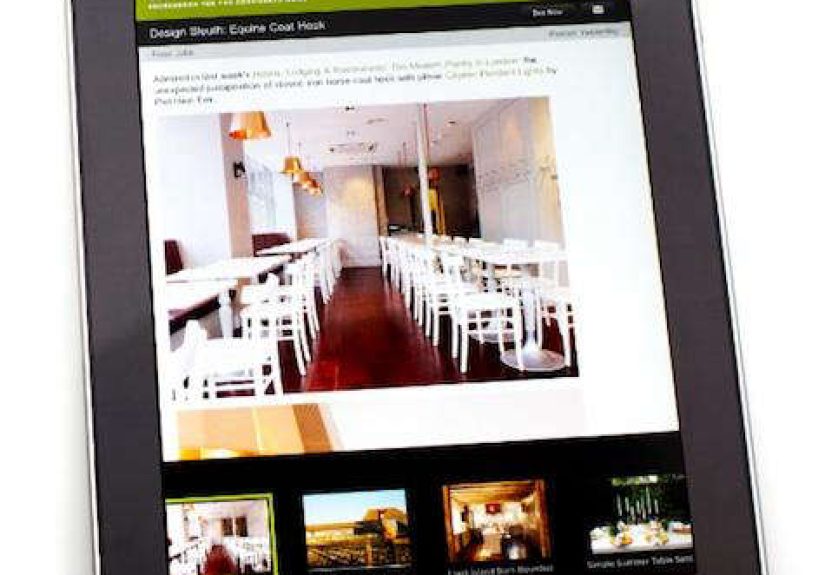
The appeal of the new Remodelista iPhone/iPad app starts with its core promise: easier access to the site’s daily editorial content on a device you are already carrying around like an emotional support rectangle. Instead of opening a browser, waiting for tabs to multiply like rabbits, and pretending you will remember which lamp you liked, users can browse stories in a more focused environment designed for touch.
That simple shift makes a big difference. The app was built to let users quickly scroll through Remodelista’s daily posts, browse the full archive, and view the products linked to each story. In plain English, that means it is not just a pretty picture parade. It is an editorial shopping-and-ideas companion. You see a kitchen. You admire the pendant lights. You wonder where the stools came from. The app helps close that gap between “nice room” and “where do I find that exact thing before my enthusiasm evaporates?”
Even better, the image presentation is a major part of the experience. Remodelista has always been strongest when it lets rooms breathe: airy kitchens, hardworking mudrooms, serene bathrooms, and cleverly edited shelves that look accidental but absolutely are not. On the iPhone and iPad, larger, clearer images turn that visual language into the main event. For a design brand, that is not a luxury; it is the whole point.
Why the App Arrived at the Right Time
Timing matters in tech, and the Remodelista app landed when the iPad was changing how people consumed visual media. Tablets made magazines, photo-heavy blogs, and visually driven stories feel more elegant than they often did on desktop websites cluttered with banners, sidebars, and enough distractions to derail even the most determined bathroom-renovation rabbit hole. In that environment, a design app had room to shine.
That broader shift helps explain why the new Remodelista iPhone/iPad app felt smart rather than gimmicky. Design readers were not asking for more noise. They were asking for a better way to browse beautiful interiors, useful product roundups, and clever renovation ideas without feeling like they were digging through digital attic insulation. The app offered a cleaner path from inspiration to action, which is exactly what good design media should do.
It also reflected a bigger change in publishing. Home and design brands were no longer just websites; they were becoming ecosystems built around content, commerce, community, and convenience. Remodelista fit that transition especially well because its editorial voice had always balanced aspiration with practicality. It could show you a gorgeous Belgian sink and, in the same universe, explain a smarter way to store cutting boards in a tiny kitchen. That high-low mix is catnip for people trying to renovate without selling a kidney.
Best Features for Design Lovers
1. Photo-first browsing
The strongest feature of the app is the visual experience. Home design is emotional before it is practical. A room catches your eye first; the logic comes later. On a phone or tablet, the app makes it easier to linger on textures, materials, color contrasts, and layout ideas. That is useful whether you are planning a full renovation or simply avoiding real responsibilities by comparing white paint shades for the twelfth time.
2. Full archive access
Remodelista’s archive is a deep well of kitchens, bathrooms, small-space solutions, product lists, and “steal this look” ideas. Having that archive available in app form is valuable because remodeling ideas do not arrive on a schedule. Inspiration hits while waiting for coffee, riding the train, sitting in the carpool line, or pretending to pay attention during a meeting that definitely could have been an email.
3. Product discovery tied to editorial content
One of the more useful aspects of the app is the way it connects stories to products. That matters because readers often do not need “more content”; they need clearer paths to materials, fixtures, and furnishings that suit the look they want. Good editorial curation reduces decision fatigue. Instead of dumping thousands of random options in your lap, it shows a narrower set that feels vetted, usable, and worth considering.
4. Better search and category browsing
Later improvements to the app made it more practical by enhancing search, adding category-based searching, and introducing shopping-friendly features such as a Buy Now button. That update matters because inspiration without navigation is just digital wandering. Pretty wandering, yes, but still wandering. Better search turns the app from a passive magazine-style experience into a more functional design tool.
How the App Can Help With Real Remodeling Decisions
The best home-design apps fall into a few categories: inspiration, planning, visualization, and execution. The new Remodelista iPhone/iPad app lives most strongly in the inspiration-and-discovery lane, but that does not make it fluffy. Inspiration is often the first serious step in a remodeling project. Before budgets, floor plans, and contractor bids come style direction. You need to know what you are aiming for before you can measure anything.
Say you are remodeling a kitchen and want it to feel warm, unfussy, and expensive without actually being expensive. The app can help you identify recurring patterns in spaces you love: open shelving used sparingly, matte finishes instead of high-gloss drama, mixed woods, practical pendants, and storage that works harder than it brags. You begin to notice what you consistently save or revisit. That pattern recognition is useful. It turns “I like this” into “I prefer simple hardware, natural textures, and layouts that privilege workflow over decoration.” That is a real design brief.
Or maybe you are updating a bathroom. One well-edited gallery can show you how a room shifts when you swap chrome for unlacquered brass, boxy mirrors for rounded ones, or cold white walls for warmer tones. A small-space dweller can study how compact rooms use vertical storage, wall-mounted fixtures, and lighter materials to feel bigger. A renter can pull ideas for styling, organization, and lighting without touching plumbing or angering the landlord. In every case, the app acts like a portable design notebook with better taste than most group chats.
Where It Fits in Today’s Home-Design App Landscape
Modern home-design apps now do far more than serve up pretty rooms. Some help build floor plans. Others let you test furniture virtually, create mood boards, compare finishes, or coordinate renovation logistics. In that crowded landscape, the new Remodelista iPhone/iPad app stands out by doing something less flashy but still powerful: editorial curation. It does not try to be a contractor, an architect, a laser measurer, and a therapist all at once.
That narrower focus is a strength. Plenty of tools can help you place a digital sofa in a digital room. Fewer can train your eye. Remodelista helps users understand why certain rooms feel calm, why some storage solutions seem effortless, why material palettes look balanced instead of busy, and why restraint is often the hardest luxury to achieve. In a world full of apps yelling, “Look what else you can add,” that quiet editorial judgment is refreshing.
It also makes the app especially useful in the early and middle stages of a project. At the beginning, it helps define taste. In the middle, it helps refine choices. Later on, it can still support styling decisions, product sourcing, and those little final touches that separate a room that is technically finished from one that actually feels done.
What Makes Remodelista Different From Random Inspiration Feeds
Not all inspiration is equal. Some platforms are endless streams of rooms that look good for three seconds and then vanish into the algorithmic mist. Remodelista has long been more disciplined than that. Its point of view is edited, recognizable, and rooted in real homes, real products, and real renovation questions. That gives the app more staying power than a generic image feed.
The brand’s editorial authority also helps. Remodelista is not simply posting “dream spaces” with no context. Its content has built a reputation around practical elegance: spaces that look beautiful but also seem livable, storage ideas that respect the eye, and renovations that often favor simplicity over showiness. That editorial DNA translates well to mobile because users are not just browsing for entertainment. They are browsing for solutions they can actually use.
And yes, there is something deeply satisfying about carrying around a source of calm, minimal, intelligent interiors in your pocket. It is cheaper than impulsively buying new chairs every time your living room annoys you, which is a financial win and a personal-growth milestone.
The Experience of Using the New Remodelista iPhone/iPad App
Using the new Remodelista iPhone/iPad app feels a bit like having a very stylish friend who knows exactly when to say, “Maybe remove two things from this room and suddenly it works.” It is not loud. It does not behave like a carnival barker. It invites slow browsing, which turns out to be perfect for a category like home design where details matter more than speed. On an iPad especially, the experience is relaxing. You can sit on the couch, scroll through a run of kitchens, zoom in on tile, pause over a shelf arrangement, and start building a clearer picture of what your own home could become. There is no pressure to “solve” the room in five minutes. The app lets taste develop gradually.
That makes it especially good for those in-between moments when ideas tend to sneak up on you. A homeowner waiting for a contractor estimate can browse mudroom layouts and suddenly realize that the real issue is not square footage but storage placement. A renter can flip through small-bedroom stories and discover that layered lighting matters more than buying another trendy side table. A couple planning a renovation can hand the iPad back and forth and say things like, “This feels like us,” or “Absolutely not, that sink is beautiful but I would destroy it in a week.” That kind of casual conversation is how many good projects begin.
The app is also useful because it reduces friction. Instead of seeing an image online, opening separate tabs, losing the product source, and promising yourself you will “come back to it later,” everything feels more connected. Story, product, category, and image sit in the same ecosystem. That continuity helps transform admiration into decision-making. You are not just collecting pretty references; you are assembling a working visual vocabulary. Over time, you start noticing your own preferences with more confidence. Maybe you consistently like rooms with natural wood, open floor space, black accents, vintage lighting, and fewer upper cabinets. Great. That is not random. That is your style clarifying itself.
There is also a quiet emotional benefit to an app like this. Remodeling can be stressful, expensive, and occasionally absurd. One minute you are choosing hardware finishes; the next you are googling whether a faucet can somehow ruin a marriage. A good design app cannot solve budget overruns or delayed tile shipments, but it can keep the larger vision in focus. It reminds you what you are building toward. When a project gets messy, the ability to revisit rooms, materials, and ideas that still feel right can be surprisingly grounding.
Most of all, the experience is enjoyable because the app respects the intelligence of the user. It assumes you want more than trend bait. You want ideas with context, products with purpose, and inspiration that can survive contact with real life. That is why the new Remodelista iPhone/iPad app remains such a compelling concept: it turns mobile browsing into a thoughtful design ritual rather than a chaotic scroll-fest. And in an age when every app wants to shout for attention, that kind of restraint feels not just stylish, but luxurious.
Final Thoughts
The new Remodelista iPhone/iPad app works because it understands what design lovers actually need on mobile: strong imagery, thoughtful curation, practical product connections, and a smoother way to move from inspiration to action. It does not try to replace professional planning tools, but it does something equally important. It helps users sharpen their taste, organize their ideas, and approach remodeling with more clarity.
For casual browsers, it is a beautiful way to spend time. For serious renovators, it is a compact sourcebook that travels anywhere. And for anyone who has ever fallen hopelessly in love with a sink, a sconce, or a very well-behaved pantry, it is proof that a smart design app can be more than a novelty. It can be a genuinely useful companion in the long, messy, rewarding process of making a home feel more like yours.