Table of Contents >> Show >> Hide
- What Is Black Currant?
- Why McCormick Chose Black Currant for 2026
- Why Black Currant Has Been Less Common in the United States
- What Does Black Currant Pair With?
- McCormick’s Black Currant Products Make It Easier to Try
- Best Ways to Try Black Currant at Home
- Black Currant Nutrition: A Small Berry With a Big Resume
- Where to Find Black Currant Ingredients
- Easy Recipe Ideas Inspired by McCormick’s 2026 Flavor of the Year
- Real-Life Experience: Trying Black Currant in Everyday Cooking
- Final Thoughts: Is Black Currant Worth the Hype?
Move over, predictable vanilla. Step aside, pumpkin spiceyes, we still love you, but you have had a very long season in the spotlight. McCormick has revealed its 2026 Flavor of the Year, and it is bold, jewel-toned, tangy, elegant, and just mysterious enough to make your taste buds raise an eyebrow: black currant.
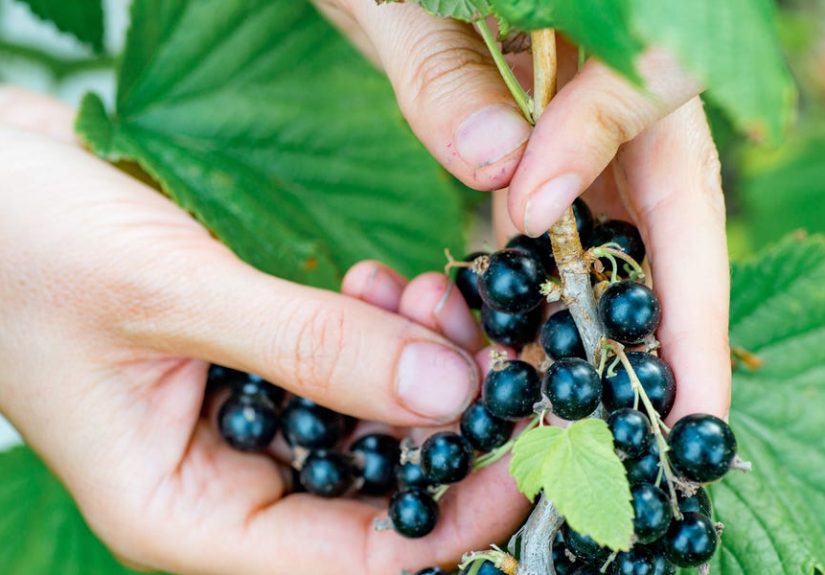
If you are already wondering whether black currant is a berry, a cocktail ingredient, a jam flavor, or the name of a very sophisticated house cat, the answer is mostly yesminus the cat. Black currant is a small dark purple berry with a flavor that lands somewhere between sweet, tart, earthy, and deeply fruity. It is not as sugary as raspberry, not as sharp as cranberry, and not as familiar as blueberry. That is exactly why it feels fresh.
McCormick’s 2026 Flavor Forecast names black currant as the flavor to watch because it fits the way people are cooking and eating now: they want everyday food that feels a little more special, global flavors that are easy to try at home, and ingredients that can move from cocktails to desserts to savory sauces without getting stage fright.
What Is Black Currant?
Black currant, also known as Ribes nigrum, is a small berry native to parts of Europe and northern Asia. In many European kitchens, black currant has never been strange or trendyit has been used for generations in jams, syrups, candies, teas, desserts, sauces, cordials, and liqueurs such as crème de cassis. In the United States, however, black currant has remained more of a specialty flavor than a supermarket regular.
The taste is the real story. Black currant has dark berry notes with a bright tart edge and a slightly earthy finish. Imagine the depth of blackberry, the juiciness of grape, the tang of cranberry, and a tiny whisper of herbal complexity. It is the kind of flavor that makes a simple glaze taste restaurant-worthy and a basic lemonade suddenly act like it owns a passport.
Why McCormick Chose Black Currant for 2026
McCormick’s annual Flavor Forecast has been tracking global flavor trends since 2000. Over the years, it has highlighted ingredients and flavor movements that later became mainstream favorites, including chipotle, pumpkin pie spice, ube, Korean BBQ, and sweet-spicy “swicy” combinations. For 2026, black currant fits three big food trends McCormick identified: Attainable Opulence, Simple to Spectacular, and Sauce From Somewhere.
Attainable Opulence: Fancy Without the Financial Drama
Attainable Opulence is all about making ordinary meals feel elevated without requiring a chef’s jacket, a luxury grocery budget, or a kitchen torch you are slightly afraid to use. Black currant brings a luxurious flavor profile to everyday recipes. A spoonful of black currant jam stirred into yogurt, a drizzle of black currant syrup in sparkling water, or a quick black currant glaze brushed over roasted chicken can turn a normal Tuesday dinner into something that feels plannedeven if the plan was “please let there be leftovers.”
Simple to Spectacular: Small Ingredient, Big Personality
The Simple to Spectacular trend focuses on making basic foods better through thoughtful ingredients. Black currant works beautifully here because it has enough personality to transform simple dishes. Toast, oatmeal, scones, pancakes, vanilla ice cream, pork chops, roasted carrots, and salad dressings can all benefit from its sweet-tart punch.
That is the magic of a strong flavor trend: it does not need to complicate your life. It should make your food more interesting with less effort, not send you on a three-store scavenger hunt while your pasta water boils in emotional distress.
Sauce From Somewhere: Global Flavor in a Spoonful
McCormick’s Sauce From Somewhere trend celebrates sauces, dips, drizzles, and spreads inspired by regional food traditions. Black currant is naturally suited to sauces because it balances sweetness and acidity. It can brighten rich meats, add depth to vinaigrettes, complement cheese boards, and give cocktails a dark berry twist. A sauce made with black currant preserves, balsamic vinegar, rosemary, and a little cracked pepper can go from roasted pork to grilled vegetables to a sandwich spread without missing a beat.
Why Black Currant Has Been Less Common in the United States
One reason black currant feels new to many American home cooks is its unusual U.S. history. In the early 20th century, currants and gooseberries became associated with white pine blister rust, a plant disease that can harm white pine trees. As a result, cultivation restrictions and bans affected black currant production in parts of the country for decades. While federal restrictions were lifted long ago, some state-level rules and local concerns helped keep black currants from becoming as common as blueberries, strawberries, or raspberries.
That history matters because it explains why many Americans grew up without black currant juice, black currant candy, or black currant jam in the pantry. Meanwhile, people in Europe and parts of Asia were happily enjoying black currant everything, probably wondering why we were all so committed to grape.
What Does Black Currant Pair With?
Black currant’s greatest strength is balance. It is fruity but not flat, tart but not harsh, rich but not heavy. That makes it useful in both sweet and savory cooking.
Sweet Pairings
Black currant pairs beautifully with vanilla, dark chocolate, lemon, orange, almond, cream cheese, yogurt, honey, brown sugar, cinnamon, cardamom, and ginger. Use it in thumbprint cookies, cheesecake topping, fruit crisps, pound cake glaze, chia pudding, smoothies, and breakfast parfaits.
Savory Pairings
For savory dishes, black currant works well with pork, duck, lamb, turkey, chicken, roasted beets, carrots, cabbage, Brussels sprouts, goat cheese, blue cheese, balsamic vinegar, rosemary, thyme, black pepper, smoked paprika, and chile peppers. Its acidity cuts through richness, while its berry depth adds complexity.
Drink Pairings
Black currant is a natural fit for beverages. It can be used in cocktails, mocktails, iced tea, lemonade, sparkling water, shrubs, spritzes, and warm winter drinks. Crème de cassis, the black currant liqueur famous in a Kir Royale, is one of the easiest ways to understand the berry’s elegant side.
McCormick’s Black Currant Products Make It Easier to Try
To bring the 2026 Flavor of the Year into home kitchens, McCormick released black currant-inspired products, including a Sweet & Smoky Naturally Flavored Black Currant Seasoning and a Black Currant Finishing Sugar. The seasoning leans savory with dark berry notes, toasted onion, red jalapeño, garlic, and smoky elements. The finishing sugar highlights black currant’s sweeter side and can be used on desserts, baked goods, fruit, and drink rims.
These products are helpful because black currant can be difficult to find fresh in many U.S. grocery stores. A seasoning blend or finishing sugar lets curious cooks experiment without hunting down fresh berries in late summer like they are searching for a mythical forest treasure.
Best Ways to Try Black Currant at Home
1. Upgrade Your Breakfast
Start with the easiest option: breakfast. Swirl black currant jam into Greek yogurt, spoon it over oatmeal, spread it on toast with salted butter, or use it as a pancake topping. For a more elevated version, mix black currant preserves with lemon zest and a splash of warm water to create a quick fruit sauce.
2. Make a Black Currant Mocktail
Add one tablespoon of black currant syrup or preserves to a glass. Stir in lemon juice, top with sparkling water, and add ice. For extra sparkle, rim the glass with black currant finishing sugar. The result tastes like a fancy café drink but costs far less than anything handed to you by someone wearing an apron with a tiny logo.
3. Try It in a Glaze for Meat
Black currant is excellent with pork tenderloin, chicken thighs, turkey meatballs, or duck breast. Simmer black currant preserves with balsamic vinegar, Dijon mustard, rosemary, and a pinch of salt. Brush it over meat during the last few minutes of cooking or serve it on the side as a glossy sauce.
4. Add It to Salad Dressing
For a quick vinaigrette, whisk together black currant jam, olive oil, apple cider vinegar, Dijon mustard, salt, pepper, and a little minced shallot. Pour it over arugula, spinach, roasted beets, goat cheese, walnuts, or grilled chicken. The flavor is bright, rich, and just unexpected enough to make salad feel less like a responsibility.
5. Pair It With Cheese
Black currant belongs on a cheese board. Serve black currant preserves with aged cheddar, brie, goat cheese, blue cheese, or creamy labneh. Add crackers, toasted nuts, sliced apples, and dark chocolate. Suddenly, your “snack plate” becomes a “curated tasting board,” which is basically the same thing with better lighting.
6. Use It in Desserts
Black currant can be used in cheesecake, chocolate cake, vanilla panna cotta, macarons, thumbprint cookies, fruit tarts, ice cream, and pavlova. It is especially good when paired with creamy or buttery desserts because the tartness cuts through richness. Try folding black currant jam into whipped cream for a fast cake filling or spooning it over vanilla ice cream with crushed shortbread.
7. Bring It to the Grill
Because black currant can handle smoke and spice, it works well in grilling recipes. Mix a black currant seasoning blend into burger patties, sprinkle it over grilled chicken, or whisk it into barbecue sauce. The sweet-tart berry flavor plays nicely with charred edges, smoky sauces, and peppery heat.
Black Currant Nutrition: A Small Berry With a Big Resume
Black currants are not only flavorful; they are also known for vitamin C and deep-colored anthocyanins, the plant compounds that help give the berries their dark purple hue. According to USDA nutrient data, raw European black currants are especially high in vitamin C. That does not mean black currant jam should replace your entire produce drawer, but it does help explain why the berry has long been valued in food traditions beyond flavor alone.
As with any ingredient, the health impact depends on how you use it. Fresh or frozen black currants are different from sweetened syrups, candies, and liqueurs. If you want the fruit’s nutritional benefits, look for unsweetened frozen berries, purees, or juices with minimal added sugar. If you want dessert, enjoy dessert proudly. Food does not need to file a tax return as a superfood to be worth eating.
Where to Find Black Currant Ingredients
Fresh black currants can be hard to find in many U.S. supermarkets, though farmers markets, specialty grocers, and local growers may carry them during their short season. Frozen black currants, black currant jam, syrup, tea, juice, preserves, candy, and crème de cassis are often easier to locate online or in international food aisles.
When shopping, read labels carefully. “Currants” can also refer to Zante currants, which are actually tiny dried grapes used in baking. They are tasty, but they are not the same as black currants. If you want McCormick’s 2026 flavor experience, look for “black currant,” “blackcurrant,” or “Ribes nigrum.”
Easy Recipe Ideas Inspired by McCormick’s 2026 Flavor of the Year
Black Currant BBQ Chicken Pizza
Spread pizza dough with a thin layer of barbecue sauce mixed with black currant preserves. Add shredded chicken, mozzarella, red onion, and a sprinkle of black currant seasoning. Bake until bubbling, then finish with cilantro or scallions.
Black Currant Rosemary Lemonade
Stir black currant syrup into fresh lemonade and add a rosemary sprig. Serve over ice with sparkling water for a grown-up mocktail that tastes like summer dressed for a dinner party.
Black Currant Yogurt Bowl
Top plain Greek yogurt with black currant jam, granola, sliced almonds, and lemon zest. It is fast, colorful, and much more exciting than staring at a plain bowl of yogurt while questioning your life choices.
Black Currant Balsamic Glaze
Simmer black currant preserves with balsamic vinegar, black pepper, and a pinch of salt until glossy. Spoon over pork chops, roasted carrots, Brussels sprouts, or grilled halloumi.
Black Currant Sugar Cookies
Sprinkle black currant finishing sugar over sugar cookies before baking, or use it as a decorative topping on frosted shortbread. The color adds visual drama, and the berry flavor keeps the sweetness from tasting one-note.
Real-Life Experience: Trying Black Currant in Everyday Cooking
The first time I tried black currant in a home kitchen setting, I did not start with anything dramatic. No duck breast. No pastry tower. No French liqueur moment under candlelight. I started with toast, because toast is where many great food experiments begin and where many bad ones can be politely hidden under more butter.
I spread a thin layer of black currant preserves over warm sourdough with salted butter, and the flavor immediately made sense. It was familiar enough to feel like berry jam, but deeper and more grown-up. Strawberry jam is cheerful. Grape jelly is nostalgic. Black currant tastes like it has read a novel in a café and has opinions about the ending. The tartness kept it from becoming too sweet, while the rich berry flavor made even a basic breakfast feel more intentional.
After that, I tried it in drinks. A spoonful of black currant syrup in sparkling water with lemon juice made one of the easiest mocktails I have ever prepared. It looked beautiful, tasted refreshing, and required almost no effort. That is the sweet spot for modern entertaining: something that seems special but does not leave the kitchen looking like a small appliance rebellion took place.
The biggest surprise was how well black currant worked in savory food. I made a quick glaze using black currant jam, balsamic vinegar, Dijon mustard, rosemary, and black pepper. Brushed over roasted chicken thighs, it created a glossy, tangy, slightly sweet coating that tasted far more complex than the ingredient list suggested. The berry flavor did not scream “fruit sauce.” Instead, it quietly boosted the richness of the chicken and added brightness at the end.
It also worked beautifully with vegetables. Roasted carrots with a black currant-balsamic drizzle were rich, earthy, and bright. Brussels sprouts with a tiny spoonful of black currant glaze tasted less bitter and more balanced. Even a simple salad improved when I whisked a little black currant preserve into vinaigrette. The dressing had enough acidity to wake up the greens and enough fruitiness to make goat cheese and toasted nuts taste even better.
For dessert, black currant proved almost too easy. I spooned it over vanilla ice cream, added crushed cookies, and called it a dessert. Nobody complained. Then I tried it with dark chocolate, and the pairing was excellent: the bitterness of the chocolate and the tart berry flavor made each other better. It is the kind of combination that feels fancy without requiring fancy skills.
The lesson from all these small experiments is simple: black currant is not just a trendy flavor to admire from a distance. It is practical. It can be used in small amounts, it pairs with foods people already cook, and it brings a vivid sweet-tart flavor that works across breakfast, dinner, dessert, and drinks. McCormick’s choice makes sense because black currant offers exactly what many home cooks want in 2026: low effort, high impact, and just enough novelty to make dinner feel fun again.
Final Thoughts: Is Black Currant Worth the Hype?
Yesespecially if you like flavors that are fruity, tart, elegant, and versatile. McCormick’s 2026 Flavor of the Year is not just another novelty ingredient designed to sit in the pantry until it expires with quiet dignity. Black currant can be used in real, everyday ways: stirred into breakfast, shaken into drinks, brushed over grilled meats, whisked into vinaigrettes, spooned onto cheese boards, and baked into desserts.
Its rise also says something bigger about how Americans are eating. People want flavor that feels global but approachable, luxurious but affordable, creative but not exhausting. Black currant checks all those boxes. It is dramatic without being difficult. Sophisticated without being snobby. Tart enough to keep things interesting and sweet enough to make friends quickly.
So if 2026 needs a signature flavor, black currant is a strong choice. It has history, color, depth, and flexibility. It can dress up a cocktail, rescue a weeknight dinner, or make a humble cookie look like it had a professional styling team. Not bad for a small purple berry.