Table of Contents >> Show >> Hide
- What Are the Main Symptoms of Endometriosis?
- Severe Period Pain: The Classic Red Flag
- Chronic Pelvic Pain Between Periods
- Pain During or After Sex
- Painful Bowel Movements and Digestive Symptoms
- Painful Urination and Bladder Symptoms
- Heavy Periods and Spotting Between Periods
- Fatigue: The Symptom People Underestimate
- Infertility or Trouble Getting Pregnant
- Lower Back, Hip, and Leg Pain
- Nausea, Bloating, and “Endo Belly”
- Symptoms That Change With the Menstrual Cycle
- Can Endometriosis Have No Symptoms?
- When to See a Doctor About Possible Endometriosis Symptoms
- How Doctors Evaluate Symptoms of Endometriosis
- Common Myths About Endometriosis Symptoms
- Living With Symptoms of Endometriosis: Real-Life Experiences and Practical Insight
- Conclusion
Endometriosis is one of those health conditions that can be both painfully obvious and annoyingly sneaky. For some people, the signs are loud: severe menstrual cramps, pelvic pain that crashes into daily life, heavy bleeding, or pain during intimacy. For others, the symptoms whisper through bloating, fatigue, digestive trouble, or difficulty getting pregnant. And sometimes, endometriosis shows up wearing the world’s most unhelpful disguise: “just bad periods.” Spoiler alert: pain that regularly knocks you out of school, work, sleep, social plans, or your ability to function is not something you should have to simply “tough out.”
Endometriosis happens when tissue similar to the lining of the uterus grows outside the uterus, often around the ovaries, fallopian tubes, pelvic lining, bowel, bladder, or other nearby areas. This tissue can respond to hormonal changes during the menstrual cycle, leading to inflammation, irritation, scar tissue, and pain. The tricky part is that symptoms of endometriosis can overlap with many other conditions, including irritable bowel syndrome, bladder problems, pelvic inflammatory disease, ovarian cysts, adenomyosis, and ordinary menstrual cramps. That overlap is one reason many people wait years before getting clear answers.
This guide breaks down the most common symptoms of endometriosis, the subtle signs people often miss, what symptoms may feel like in real life, and when to talk with a healthcare professional. Think of it as a friendly, evidence-based mapnot a diagnosis machine, because unfortunately, bodies did not come with a convenient “check engine” light.
What Are the Main Symptoms of Endometriosis?
The most common symptoms of endometriosis include pelvic pain, painful periods, pain during or after sex, painful bowel movements, painful urination during periods, heavy menstrual bleeding, bleeding between periods, digestive symptoms, fatigue, and infertility. However, symptoms vary widely. Some people have severe pain with only small areas of disease, while others may have advanced endometriosis with surprisingly mild symptoms or none at all.
That mismatch is important. The amount of pain does not always match the amount of endometriosis. In other words, someone is not “overreacting” just because imaging or an exam looks normal. Endometriosis can be difficult to detect, and symptoms deserve careful attention even when early tests do not provide a tidy answer.
Severe Period Pain: The Classic Red Flag
Painful periods, also called dysmenorrhea, are one of the hallmark symptoms of endometriosis. Many people experience cramps during menstruation, but endometriosis-related cramps often go beyond typical discomfort. The pain may start days before bleeding begins, continue throughout the period, and sometimes linger after it ends. It may feel sharp, stabbing, burning, deep, heavy, or like the pelvis has decided to host a tiny thunderstorm.
Endometriosis period pain may also worsen over time. A person might begin with manageable cramps in their teens and later notice that pain medicine no longer works well, heating pads become a survival tool, and normal activities feel impossible during their cycle. Missing school, work, sports, or social events every month is a sign that the pain deserves medical attention.
Examples of Period Pain That Should Not Be Ignored
Period pain may be worth discussing with a clinician if it regularly causes vomiting, faintness, severe fatigue, inability to stand comfortably, missed obligations, or pain that does not improve with common over-the-counter pain relief. Pain that feels one-sided, suddenly changes, or becomes severe very quickly should be evaluated promptly, because other conditions can also cause pelvic pain.
Chronic Pelvic Pain Between Periods
Another major symptom of endometriosis is pelvic pain outside the menstrual period. This pain can show up during ovulation, after exercise, while sitting for long periods, during bowel movements, or seemingly at random. Some people describe it as a deep ache in the lower abdomen or pelvis. Others feel pain in the lower back, hips, groin, or upper thighs.
Chronic pelvic pain can be especially frustrating because it does not always follow a neat calendar. It may flare before a period, settle down, then return after a stressful week, a long car ride, or no obvious reason at all. This unpredictability can make people feel as if they are constantly negotiating with their own body: “Can we please attend one event without drama?”
Pain During or After Sex
Pain during or after sexual intercourse can be another symptom of endometriosis, especially deep pelvic pain. This symptom can be uncomfortable to talk about, but it is medically important. Pain with sex may feel like pressure, cramping, stabbing, or soreness that lasts for hours or even into the next day.
Endometriosis-related pain during intimacy may happen because lesions, inflammation, scar tissue, or pelvic floor muscle tension affect sensitive areas in the pelvis. This symptom can also affect relationships, confidence, and emotional well-being. No one should feel embarrassed to mention it to a healthcare professional. Doctors hear about bodies all day; they are not sitting there clutching pearls.
Painful Bowel Movements and Digestive Symptoms
Endometriosis can affect areas near the bowel, which may lead to digestive symptoms that often get mistaken for stomach trouble. Common symptoms include painful bowel movements, constipation, diarrhea, bloating, nausea, rectal pressure, or abdominal pain. These symptoms may become worse before or during a period.
This cycle-related pattern is a key clue. If digestive symptoms flare like clockwork around menstruation, endometriosis may be one possible explanation. For example, someone might feel relatively fine most of the month but experience painful bowel movements, bloating that makes jeans feel personally offensive, and diarrhea during their period. That does not automatically prove endometriosis, but it is worth documenting and discussing.
Endometriosis vs. IBS-Like Symptoms
Because bowel-related endometriosis can resemble irritable bowel syndrome, many people are first told they have digestive issues. IBS and endometriosis can also coexist, which adds another layer of confusion. The timing of symptoms, pelvic pain history, menstrual pain, and response to treatments can help clinicians sort out what may be happening.
Painful Urination and Bladder Symptoms
Some people with endometriosis experience bladder-related symptoms, especially around their period. These may include pain when urinating, urinary urgency, frequent urination, bladder pressure, or discomfort that feels similar to a urinary tract infection. In rare cases, people may notice blood in the urine during menstruation, which should be evaluated by a healthcare professional.
Bladder symptoms can be confusing because they overlap with UTIs, interstitial cystitis, kidney stones, and other urinary conditions. If tests for infection are repeatedly negative but bladder pain keeps returning around menstruation, it is reasonable to ask whether pelvic conditions such as endometriosis could be involved.
Heavy Periods and Spotting Between Periods
Heavy menstrual bleeding can occur with endometriosis, although it can also be caused by fibroids, adenomyosis, hormonal changes, thyroid problems, bleeding disorders, or other conditions. Heavy bleeding may mean soaking through pads or tampons quickly, passing large clots, needing double protection, waking up at night to change products, or feeling weak and drained during periods.
Spotting or bleeding between periods can also happen. While occasional irregular bleeding may have many causes, frequent bleeding between periods should not be brushed aside. A clinician may want to check for pregnancy-related causes, infections, cervical changes, hormonal issues, polyps, fibroids, or other explanations.
Fatigue: The Symptom People Underestimate
Fatigue is one of the most overlooked symptoms of endometriosis. This is not ordinary “I stayed up too late watching videos” tiredness. Endometriosis-related fatigue can feel like the body is moving through wet cement. Pain, inflammation, poor sleep, heavy bleeding, stress, and the mental load of managing symptoms can all contribute.
Fatigue can also appear before a flare. Some people notice that exhaustion arrives first, followed by pelvic pain, digestive symptoms, or period cramps. Because fatigue is common in many conditions, it is helpful to track when it happens, how intense it is, and whether it follows the menstrual cycle.
Infertility or Trouble Getting Pregnant
For some people, difficulty getting pregnant is the first major clue that endometriosis may be present. Endometriosis can affect fertility through inflammation, scar tissue, ovarian involvement, changes in pelvic anatomy, or effects on egg quality and implantation. Not everyone with endometriosis has infertility, and many people with endometriosis do become pregnant, but the connection is well recognized.
Someone who has been trying to conceive without success may be evaluated for endometriosis along with other fertility factors. Pelvic pain, painful periods, or pain during sex alongside infertility can make endometriosis more suspicious, but some people with fertility-related endometriosis have few pain symptoms.
Lower Back, Hip, and Leg Pain
Endometriosis pain is not always limited to the front of the pelvis. Some people feel pain in the lower back, hips, buttocks, or legs. This may happen because pelvic inflammation and muscle tension can irritate nearby nerves and tissues. The pain may worsen during menstruation or after long periods of sitting.
Because back and hip pain are common, this symptom is easy to mislabel as posture trouble, workout soreness, or “sleeping weird.” Those explanations may be true sometimes. But if lower back or hip pain repeatedly arrives with period symptoms, pelvic pain, bowel pain, or bladder discomfort, it deserves a broader look.
Nausea, Bloating, and “Endo Belly”
Many people with endometriosis report bloating, sometimes called “endo belly.” This bloating can be uncomfortable, visible, and sudden. It may come with nausea, constipation, diarrhea, gas, or abdominal pressure. The abdomen may feel tight or swollen even without major changes in eating habits.
While bloating is not unique to endometriosis, cycle-related bloating paired with pelvic pain is a pattern worth noting. Food sensitivities, digestive conditions, stress, and hormonal shifts may also contribute, so a symptom diary can help reveal triggers and timing.
Symptoms That Change With the Menstrual Cycle
One of the most useful clues in recognizing endometriosis is cyclic timing. Symptoms often worsen before or during menstruation, although they can also occur throughout the month. A person might notice painful bowel movements only during periods, bladder pressure before bleeding starts, fatigue during ovulation, or pelvic pain that peaks at predictable times.
Tracking symptoms for two or three cycles can provide valuable information. A simple note on a phone can include the date, pain level, bleeding amount, bowel symptoms, bladder symptoms, fatigue, nausea, medications used, and whether symptoms interfered with daily activities. This record can make medical appointments more productive because “my pain is a 9 two days before my period and I miss work monthly” is clearer than “my periods are bad.”
Can Endometriosis Have No Symptoms?
Yes. Some people with endometriosis have no obvious symptoms. They may discover it during evaluation for infertility, surgery for another condition, or imaging that suggests an ovarian endometrioma. This silent form can be surprising because endometriosis is often associated with severe pain. However, symptom intensity varies widely from person to person.
This is another reason comparison is unhelpful. One person may have intense symptoms with limited visible disease, while another may have extensive disease with mild discomfort. Endometriosis is not a competition, and there is no prize for suffering quietly.
When to See a Doctor About Possible Endometriosis Symptoms
Consider speaking with a healthcare professional if menstrual pain disrupts your life, pelvic pain occurs between periods, pain happens during or after sex, bowel or bladder pain worsens around menstruation, bleeding is very heavy, symptoms are getting worse, or pregnancy is not happening after trying for a reasonable period of time. Teens and young adults with severe period pain should also be taken seriously; endometriosis can begin early, and waiting years for help is not a badge of honor.
Seek urgent care if pelvic pain is sudden and severe, especially with fever, vomiting, fainting, heavy bleeding, shoulder pain, pregnancy, or signs of infection. These symptoms may point to conditions that need immediate evaluation.
How Doctors Evaluate Symptoms of Endometriosis
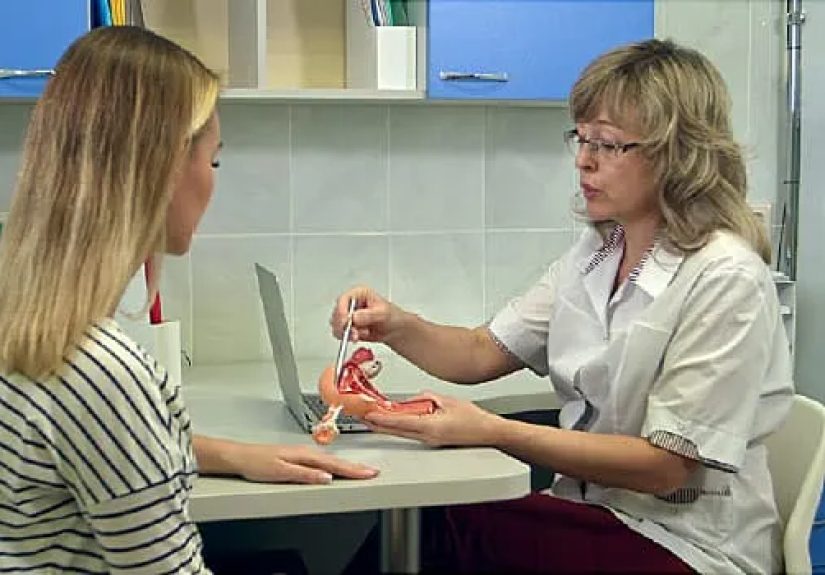
A medical evaluation often begins with a detailed symptom history. A clinician may ask when pain started, where it occurs, whether it follows the menstrual cycle, what bleeding is like, whether bowel or bladder symptoms occur, and how symptoms affect daily life. They may also ask about family history, previous surgeries, medications, and fertility goals.
Depending on the situation, evaluation may include a pelvic exam, ultrasound, MRI, or referral to a gynecologist. Some endometriosis cannot be seen on imaging, especially superficial lesions, but imaging can help detect ovarian endometriomas or deep disease. Treatment may include pain management, hormonal therapy, physical therapy, lifestyle support, or surgery in selected cases. The right approach depends on symptoms, age, goals, severity, and personal preferences.
Common Myths About Endometriosis Symptoms
Myth 1: “Severe period pain is normal.”
Mild cramps are common. Severe pain that repeatedly disrupts life is not something to dismiss. If a period requires canceling everything and curling around a heating pad like it is a trusted emotional support appliance, it is worth getting checked.
Myth 2: “You must have heavy bleeding to have endometriosis.”
Heavy bleeding can happen, but not everyone with endometriosis has heavy periods. Some people have normal bleeding but severe pelvic pain, bowel symptoms, bladder symptoms, or infertility.
Myth 3: “A normal ultrasound rules it out.”
A normal ultrasound does not always rule out endometriosis. Ultrasound can identify certain findings, such as ovarian endometriomas, but smaller or superficial lesions may not appear. Symptoms still matter.
Myth 4: “Endometriosis is only a reproductive issue.”
Endometriosis can affect digestion, urination, energy, sleep, mental health, work, relationships, and quality of life. It is a whole-person condition, not just a monthly inconvenience.
Living With Symptoms of Endometriosis: Real-Life Experiences and Practical Insight
Living with symptoms of endometriosis can feel like planning life around a storm forecast only your body can see. One month may be manageable, and the next may arrive with cramps that flatten every plan on the calendar. Many people describe the experience as unpredictable: they may RSVP “yes” to a birthday dinner, schedule a work presentation, or plan a weekend trip, only to wake up with pelvic pain, nausea, bloating, and fatigue that make normal tasks feel enormous.
A common experience is learning to carry a personal “flare kit.” This might include a heating pad, comfortable loose clothing, approved pain relief, ginger tea, snacks that do not irritate the stomach, period products, and a backup plan for rest. The kit is not dramatic; it is practical. People with endometriosis often become expert planners because their symptoms can interrupt school, jobs, workouts, travel, relationships, and sleep. If organization burned calories, many endometriosis patients would be Olympic athletes.
Another experience many people share is the emotional weight of being misunderstood. Because endometriosis symptoms are often invisible, others may not realize how intense they are. Someone may look fine while dealing with deep pelvic pain, bowel cramps, bladder pressure, or exhaustion. This can lead to comments like “everyone gets cramps” or “maybe you’re just stressed.” Stress can worsen pain, but it is not a magic explanation for everything. Being believed matters. Having a clinician, friend, partner, or family member take symptoms seriously can be a turning point.
People with endometriosis also often become skilled at tracking patterns. They may notice that pain begins three days before bleeding, that bowel symptoms flare on day one, that fatigue peaks around ovulation, or that certain activities worsen pelvic discomfort. This tracking can create a sense of control. It can also help during appointments because specific examples are powerful. Saying “I have pelvic pain” is useful; saying “I have pelvic pain eight days a month, miss work twice a cycle, and bowel movements are painful during my period” gives a clearer picture.
Communication is another major part of the experience. Talking about pelvic pain, bowel symptoms, bladder issues, and pain with sex can feel awkward, especially at first. But clear communication can reduce isolation and improve care. It may help to write symptoms down before an appointment, bring a trusted person for support, or use direct phrases such as “This pain is interfering with my life,” “My symptoms are worse around my period,” or “I want to discuss whether endometriosis could be a possibility.”
Finally, many people describe relief when they learn that their symptoms have a name. A name does not instantly fix pain, but it can validate years of confusion. It can open the door to treatment options, better self-advocacy, and a care plan. Endometriosis can be challenging, but symptoms are not a personal failure. They are signals from the body, and those signals deserve attention, respect, and proper medical evaluation.
Conclusion
The symptoms of endometriosis can range from severe menstrual cramps and chronic pelvic pain to bowel issues, bladder discomfort, fatigue, heavy bleeding, pain during sex, and infertility. The condition can be loud, quiet, predictable, confusing, or all of the above before breakfast. The key message is simple: pain that disrupts life is worth investigating. Tracking symptoms, noticing cycle-related patterns, and speaking openly with a healthcare professional can help move the process forward.
Endometriosis is common, but suffering in silence should not be. Whether symptoms are mild, severe, new, or long-standing, they deserve thoughtful care. A better understanding of endometriosis symptoms can help people advocate for themselves, seek evaluation earlier, and stop treating life-altering pain as a normal monthly subscription nobody signed up for.