Table of Contents >> Show >> Hide
- What Is a Strap Leather Cabinet Pull Handle?
- Why Leather Cabinet Pulls Have Become So Popular
- Best Places to Use Strap Leather Cabinet Pull Handles
- How to Choose the Right Leather Pull
- How to Measure for Leather Cabinet Pull Handles
- Installation Tips for a Clean, Professional Look
- Pros and Cons of Leather Cabinet Pulls
- How to Clean and Maintain Leather Pull Handles
- Design Ideas: What Leather Pulls Pair Well With
- Are Strap Leather Cabinet Pull Handles Worth It?
- Experience: Living With Strap Leather Cabinet Pull Handles in Real Life
Some home upgrades shout for attention. Others stroll in quietly, fix the whole room’s attitude, and somehow make your cabinets look like they suddenly developed taste. The strap leather cabinet pull handle belongs in that second group. It is small, tactile, warm, and just different enough to make people say, “Wait, where did you get those?” before they even notice the backsplash.
If standard metal hardware feels too cold, too common, or too “I bought this in a panic at 8:42 p.m.,” leather strap pulls offer a softer, more handcrafted alternative. They bring texture to flat cabinet fronts, work beautifully with wood tones and painted finishes, and age with character rather than looking tired after six months. In other words, they are the rare design detail that can feel both relaxed and refined.
This guide explains what strap leather cabinet pull handles are, why homeowners and designers keep using them, where they work best, how to choose the right size and finish, how to install them without creating a constellation of regrettable drill holes, and what to expect after living with them for a while. If you are considering leather cabinet hardware for a kitchen, bathroom, mudroom, or furniture makeover, this is your practical roadmap.
What Is a Strap Leather Cabinet Pull Handle?
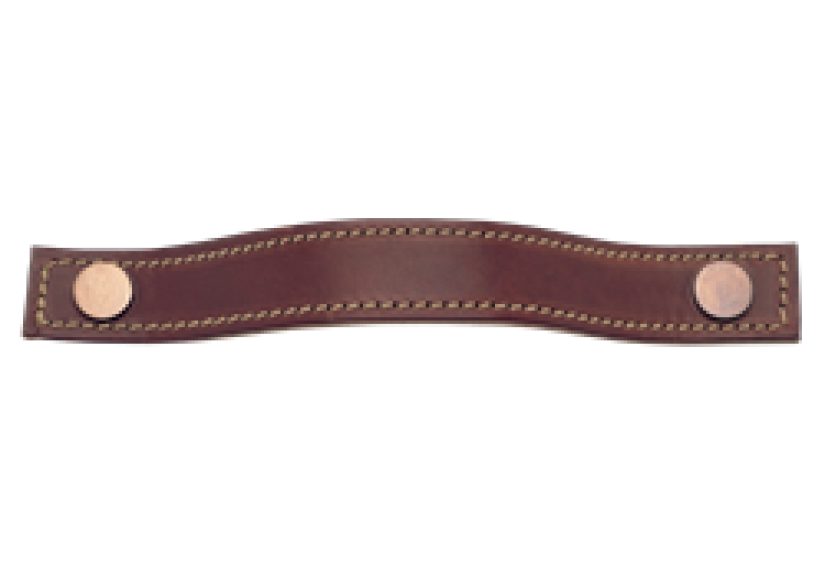
A strap leather cabinet pull handle is a cabinet or drawer pull made from a folded strip of leather, usually secured with one or two screws and paired with metal fasteners such as brass, black, nickel, or chrome. Some versions form a simple loop. Others are stitched, riveted, wrapped around a metal core, or mounted with decorative posts for a more tailored look.
The appeal is obvious the moment you touch one. Metal hardware can be sleek and durable, but leather adds warmth, softness, and a handcrafted feel that hard surfaces often lack. It is the design equivalent of putting on a jacket that actually fits.
These pulls are especially popular in spaces that need texture. Think white kitchens that feel a little too crisp, wood vanities that need contrast, or flat-panel cabinets that want personality without turning into a design circus. Leather pulls can read modern, rustic, Scandinavian, organic, minimalist, or even slightly luxe depending on the color of the leather and the metal finish.
Why Leather Cabinet Pulls Have Become So Popular
There is a reason leather strap pulls keep showing up in kitchens, bathrooms, laundry rooms, and boutique-inspired furniture pieces. They do several jobs at once.
They Add Warmth Instantly
Cabinetry is usually a large block of one material and one color. Leather breaks that up. On white, black, navy, green, gray, and natural wood cabinets, a leather pull introduces warmth without demanding a full remodel. It softens the look of stone counters, tile backsplashes, and painted millwork.
They Bring Texture to Flat Surfaces
Modern cabinets often have slab fronts or clean shaker doors. Those styles can look beautiful, but they sometimes need a textural counterpoint. Leather provides that soft contrast. It helps a kitchen or bath feel layered rather than flat.
They Age with Character
One of the most distinctive things about leather hardware is that it develops patina over time. Oils from your hands, light exposure, and everyday use can deepen the color and make each pull look slightly unique. If you love materials that tell the truth about being lived with, that is a big plus. If you want everything to look frozen in showroom perfection forever, leather may not be your soulmate.
They Feel Better in the Hand
Many homeowners find pulls easier to grip than knobs, especially on heavier drawers. Leather adds a softer touch, which can make daily use feel surprisingly pleasant. It is a tiny quality-of-life improvement, but those are often the upgrades people end up appreciating most.
Best Places to Use Strap Leather Cabinet Pull Handles
Leather pulls are versatile, but they are not a one-style-fits-all miracle. They work best when the surrounding materials support their warmth and texture.
Kitchens
This is the most common place to use leather cabinet handles. They look especially good on lower drawers, pantry doors, beverage stations, or island cabinetry. On large kitchens, many homeowners use leather pulls selectively rather than everywhere. That keeps the look intentional instead of themed.
Bathrooms
Leather pulls can add softness to vanities, linen cabinets, and built-in storage. They pair especially well with white oak, walnut, painted vanities, and warm metallic plumbing fixtures. Just make sure the room has decent ventilation and the leather is finished well enough for a humid environment.
Mudrooms and Laundry Rooms
These spaces are perfect for leather pulls because they often benefit from practical charm. A simple bank of utility cabinets can look custom with the right leather hardware, especially when paired with wood benches, woven baskets, or matte black accents.
Dressers, Nightstands, and Built-Ins
Leather strap pulls are not limited to kitchen cabinetry. They can transform thrifted furniture, plain flat-pack pieces, and built-ins that need a little attitude. This is one of the most budget-friendly ways to make mass-produced furniture look more custom.
How to Choose the Right Leather Pull
Picking the right strap leather cabinet pull handle is about more than choosing a color you like and hoping for the best. Scale, finish, leather quality, and cabinet style all matter.
1. Choose the Right Leather Color
Cognac, tan, saddle, chestnut, black, and dark brown are the most common options. Lighter leather feels casual, organic, and Scandinavian. Darker leather feels moodier and more tailored. Black leather works beautifully in modern interiors, while tan and saddle tones often shine in warm, natural spaces.
2. Match or Contrast the Metal Finish
Warm metals such as brass and satin brass pair beautifully with tan and cognac leather. Matte black hardware creates stronger contrast and a more contemporary edge. Nickel and chrome feel cooler and cleaner. There is no universal rule here, but the best results usually come when the finish relates to nearby fixtures such as faucets, lighting, or appliance accents.
3. Think About Scale
Hardware should fit the size of the door or drawer. Tiny pulls can look lost on wide drawers, while oversized straps can overwhelm smaller cabinet fronts. Standard cabinet pulls often use common center-to-center measurements, so measure carefully before buying. If you are replacing existing pulls, the distance between screw holes matters more than wishful thinking.
4. Consider the Cabinet Style
Flat-panel and shaker cabinets are especially friendly to leather pulls because they let the hardware stand out. Highly ornate cabinets may compete with the simplicity of leather. If your cabinetry already has a lot going on, a subtle metal pull may be the calmer choice.
5. Pay Attention to Construction
Not all leather pulls are created equal. Better options use thicker leather, cleanly finished edges, solid hardware, and secure mounting. Some come with standard screws and breakaway screws for different door thicknesses, which is helpful during installation. Poorly made versions can stretch too much, twist, or wear unevenly.
How to Measure for Leather Cabinet Pull Handles
Measuring is where many DIY dreams either proceed confidently or fall directly into the junk drawer. Fortunately, it is not complicated.
Center-to-Center Measurement
If the leather pull uses two screws, measure from the center of one hole to the center of the other. This is the standard center-to-center measurement used across cabinet hardware. Common sizes include smaller pulls for compact drawers and larger pulls for wide drawers and doors.
Projection and Finger Clearance
Leather pulls are soft, but they still need enough loop depth to grip comfortably. Make sure your fingers can slip behind the pull without scraping the cabinet front or the fasteners. Looks matter, but so does not cursing every time you open the silverware drawer.
Placement Consistency
For drawers, pulls are usually installed horizontally and centered. For doors, they are often placed vertically along the stile. Many installers recommend aligning door pulls consistently with the top or bottom rail depending on the door style. Using a template or jig helps keep everything even and saves you from eyeballing yourself into despair.
Installation Tips for a Clean, Professional Look
Installing a strap leather cabinet pull handle is a manageable DIY project, but precision matters. A great pull cannot hide a crooked hole.
Use a Template or Jig
If you are installing multiple pulls, a template is your best friend. It keeps spacing consistent across every drawer and door. This is especially important in kitchens, where even small placement errors become weirdly visible once you step back.
Test One First
Before drilling every cabinet in the room, install one pull on a less noticeable door or drawer. Check the comfort, loop size, and overall appearance. What looked perfect online may turn out to be too floppy, too stiff, or too small in real life.
Protect the Leather
Do not overtighten the screws. Leather can compress, warp, or crease more than expected. Tighten enough for security, but not so much that the pull looks pinched or strained.
Think About Existing Holes
If you are replacing metal pulls, check whether the new leather hardware matches the existing hole spacing. If it does not, you may need to fill old holes and refinish the surface. It is much easier to plan that before the drill comes out and starts making executive decisions.
Pros and Cons of Leather Cabinet Pulls
Pros
- Warm, tactile look that softens cabinets
- Works with many styles, from modern to rustic
- Comfortable to grip
- Develops unique patina over time
- Easy way to make basic cabinets feel custom
Cons
- Can show wear faster than all-metal hardware
- Not ideal for every wet or heavily abused environment
- Requires thoughtful finish and color coordination
- Lower-quality versions may stretch or age poorly
- May not suit ultra-formal or highly traditional cabinetry
How to Clean and Maintain Leather Pull Handles
Leather hardware is not high-maintenance, but it is not a “spray random cleaner and hope” material either.
Dust regularly with a dry, soft cloth. If needed, wipe gently with a barely damp cloth and dry immediately. Avoid soaking the leather or using harsh household cleaners. In kitchens, pay extra attention to grease buildup from nearby cooking areas. Some finished leathers can benefit from occasional conditioning, but always follow the product maker’s guidance. Too much conditioner can darken the leather or change the feel.
Remember that aging is part of the charm. A little mellowing, darkening, and softening is normal. Leather that looks slightly lived-in often looks better, not worse. Think vintage jacket, not tragic banana peel.
Design Ideas: What Leather Pulls Pair Well With
White Cabinets + Cognac Leather + Brass
This combination is warm, bright, and classic without feeling boring. It works in modern farmhouse, Scandinavian, and transitional kitchens.
Oak Cabinets + Black Leather + Matte Black Fixtures
This pairing feels grounded and contemporary. It is a strong option for minimal spaces that still want texture.
Navy or Green Cabinets + Saddle Leather
Leather brings warmth to saturated paint colors and helps them feel inviting instead of overly formal.
Vanity Drawers + Leather Loops + Mixed Metals
Bathrooms can handle a little personality. Leather pulls paired with a clean mirror, stone top, and simple sconces can make a modest vanity feel custom-designed.
Are Strap Leather Cabinet Pull Handles Worth It?
Yes, if you want hardware that feels more personal than basic metal pulls and you understand that real leather changes over time. Strap leather cabinet pull handles are not just decorative. They are functional, comfortable, and often surprisingly transformative. On the right cabinets, they can do more for the overall look than a much more expensive upgrade elsewhere.
The key is choosing quality, measuring carefully, and using them where their warmth and texture make sense. A well-selected leather pull can make plain cabinetry feel intentional, elevate inexpensive furniture, and add a custom note that photographs beautifully but also feels good in daily life.
In a world full of cookie-cutter cabinet hardware, leather pulls offer something increasingly rare: personality without chaos. That is a pretty good deal for a piece of hardware smaller than your phone.
Experience: Living With Strap Leather Cabinet Pull Handles in Real Life
After the initial “these look amazing” phase, the real question is whether strap leather cabinet pull handles still feel like a smart choice once everyday life shows up with wet hands, grocery bags, fingerprints, cooking steam, and the occasional chaotic morning. The honest answer is yes, but the experience is different from living with standard metal hardware, and that difference is exactly why many people end up loving them.
The first thing most homeowners notice is the touch. Leather feels warmer and less industrial than metal, especially early in the morning or in rooms with lots of hard surfaces. Opening a drawer with a leather loop is a small sensory upgrade, but it is one of those details that subtly changes how custom a room feels. You may not think cabinet hardware matters much until you replace it with something more tactile and realize your old pulls felt like office equipment.
Another common experience is that leather pulls visually calm a room. In kitchens full of stainless steel appliances, stone counters, glossy tile, and painted cabinets, the leather introduces softness. Instead of one more shiny object, you get a natural material that makes the whole composition feel more layered. This is especially noticeable in white kitchens, where leather can keep the space from drifting into “beautiful but slightly clinical.”
Over time, the leather changes. That is not a flaw; it is part of the story. The color may deepen slightly, edges may soften, and the surface may develop a richer tone where it is touched most often. Some people are instantly charmed by that evolution. Others need a minute to accept that leather is not supposed to behave like powder-coated steel. If you are someone who appreciates patina on wood, brass, or denim, you will probably enjoy the aging process here too.
That said, placement matters in daily use. Leather pulls on heavily used lower drawers often age faster than pulls on upper cabinet doors. In a busy family kitchen, the silverware drawer and trash pullout may become the “most lived-in” hardware in the room. This can look wonderful if the leather quality is good. If the pull is cheaply made, however, that same wear can look sloppy. That is why quality matters more with leather than people sometimes expect.
Cleaning is usually easier than feared. A soft cloth and a little common sense go a long way. The bigger adjustment is mental: leather hardware looks best when you allow it to look human. If you expect every piece to remain factory-fresh, you might find yourself fussing over it too much. If you can accept a little variation, the pulls become more attractive with time, not less.
There is also the social side effect. Guests notice leather pulls. They ask about them. They touch them. They assume the cabinets are more expensive than they are. This is one of the funniest and most satisfying parts of the upgrade. Changing hardware is often cheaper and easier than replacing cabinetry, but the visual impact can be wildly disproportionate to the cost.
In real homes, that is the magic of strap leather cabinet pull handles. They are practical enough to use every day, distinctive enough to feel memorable, and subtle enough that they do not take over the room. They simply make cabinets feel better dressed, like they swapped their old gym hoodie for something tailored and handsome.