Table of Contents >> Show >> Hide
- What Is Ring Quiet Plus?
- Ring Quiet Plus Review in One Paragraph
- Who This Supplement Is Really For
- What Real Results Usually Look Like
- Why Tinnitus Is So Hard to “Cure”
- A Closer Look at the Ingredients
- Health Benefits: What Is Plausible and What Is Hype?
- What Works Better Than Wishful Thinking
- Side Effects, Safety, and Buying Risks
- Pros and Cons of Ring Quiet Plus
- Final Verdict: Is Ring Quiet Plus Worth Trying?
- Extended Experiences: What People Commonly Go Through When Trying Products Like Ring Quiet Plus
If you have ever heard a phantom whistle, hiss, buzz, or full-on electronic mosquito choir in your ears, you already know why products like Ring Quiet Plus get attention. Tinnitus can turn bedtime into a staring contest with the ceiling and make quiet rooms feel weirdly loud. So it makes sense that people searching for relief end up looking for reviews, ingredients, side effects, and one brutally honest question: Does this stuff actually work?
This review takes a grown-up approach. No magic-pill nonsense. No “one weird trick” energy. Just a practical look at what Ring Quiet Plus appears to offer, what real results buyers can reasonably expect, what health benefits are realistic, and where the product fits in a smarter tinnitus plan.
What Is Ring Quiet Plus?
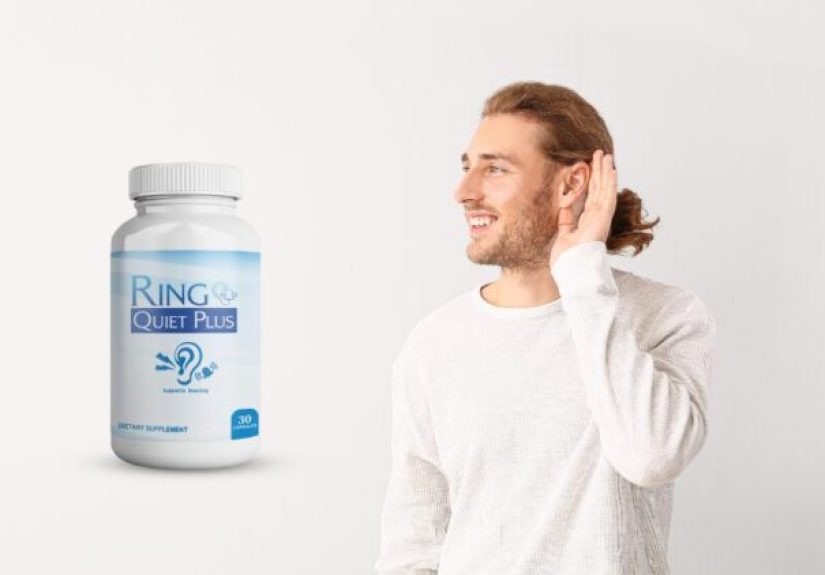
Ring Quiet Plus is marketed as an ear-health or tinnitus-support supplement. Depending on the seller, it is positioned as a formula meant to support hearing comfort, reduce ringing, and help users feel calmer and sleep better. That sounds great on paper, but here is the catch: the product’s public listings are not especially consistent.
One version sold online highlights a blend that includes alpha-GPC, bacopa monnieri, lutein, bilberry leaf powder, vitamins B6 and B12, ginkgo biloba, zeaxanthin, green tea extract, and cinnamon extract. Another listing points to taurine, mucuna pruriens, vitamin B12, and ginkgo biloba. When a supplement wears different outfits in different stores, smart shoppers should slow down and read the label like it owes them money.
In plain English: Ring Quiet Plus is best viewed as a dietary supplement marketed for ear ringing support, not as a verified medical treatment for tinnitus.
Ring Quiet Plus Review in One Paragraph
If you want the short verdict before we open the hood, here it is: Ring Quiet Plus looks like a typical modern tinnitus supplement with some interesting ingredients, thin brand transparency, mixed public marketplace feedback, and no publicly visible clinical proof that the branded formula itself delivers dramatic tinnitus relief. That does not mean no one will feel better using it. It does mean expectations should stay realistic. The best outcome is usually mild support, not cinematic silence.
Who This Supplement Is Really For
Ring Quiet Plus may appeal to adults who are bothered by persistent ear ringing, sound sensitivity, stress related to tinnitus, or the feeling that their focus has been hijacked by internal noise. It may also attract people who want to “try something natural” before moving on to hearing tests, sound therapy, or counseling.
That said, the people who most need medical attention are often the ones most tempted to self-treat. If the ringing is new, one-sided, pulse-like, paired with dizziness, or comes with sudden hearing loss, a supplement should not be your first move. That is a doctor-and-audiologist situation, not a “let me add this to my cart at 1:12 a.m.” situation.
What Real Results Usually Look Like
Best-case results
The best realistic outcome is not “the ringing vanished and angels high-fived me.” It is more often a gradual reduction in how intrusive the sound feels. Some users may notice that bedtime is easier, background noise feels less irritating, and the ringing is less emotionally exhausting. In other words, the noise may not disappear, but it may stop acting like the main character in your day.
Average results
For many people, a supplement like this falls into the “maybe a little, maybe nothing” category. They take it for several weeks, feel slightly calmer or more proactive, and are not totally sure whether the product changed the ringing itself or simply changed how much attention they were giving it. That kind of gray-zone result is extremely common in tinnitus care.
Worst-case results
The downside is simple: no meaningful effect, mild digestive annoyance, wasted money, and disappointment. Some buyers also learn the hard way that a supplement cannot fix underlying hearing loss, wax blockage, medication-related tinnitus, circulatory issues, or the stress spiral that makes ear ringing feel louder.
Why Tinnitus Is So Hard to “Cure”
Here is the uncomfortable truth: tinnitus is usually a symptom, not a standalone disease with one neat fix. It can be connected to age-related hearing loss, noise exposure, ear injury, medication effects, stress, earwax, inner-ear problems, or circulatory issues. That is why the supplement aisle is packed with confident promises and the medical world is packed with nuance.
When people say a product helped, they may mean one of several things:
- It made them feel more in control.
- It helped them relax or sleep better.
- It coincided with other useful changes, like better hearing care or less noise exposure.
- It softened symptoms that were already fluctuating.
None of those outcomes are fake. They are just not the same as proving that a capsule directly repaired the biological cause of tinnitus.
A Closer Look at the Ingredients
Vitamin B6 and Vitamin B12
B vitamins are frequent guests in ear-health supplements. They matter for nerve function and overall metabolic health. The most sensible argument for including B12 is that a deficiency can affect neurological function, and correcting a deficiency is useful for general health. But if your B12 levels are already fine, more B12 does not automatically mean quieter ears. This is support, not wizardry.
Ginkgo Biloba
Ginkgo has been riding the tinnitus train for years because it is associated with blood flow and antioxidant activity. The marketing pitch is always attractive. The evidence? Less romantic. Research has not consistently shown ginkgo to be a reliable tinnitus fix. So if Ring Quiet Plus leans heavily on ginkgo in its branding, that is more “interesting theory” than “case closed.”
Alpha-GPC and Bacopa Monnieri
These ingredients make the formula look more like a crossover between ear support and nootropic support. Alpha-GPC is associated with cognitive function, while bacopa is often used in focus and memory supplements. If a user says they feel clearer or less mentally fatigued, that may be where some of the perceived benefit comes from. Helpful? Potentially. Tinnitus-specific? Not strongly.
Lutein, Zeaxanthin, and Bilberry
These are better known in eye-health conversations than tinnitus conversations. Their presence may appeal to shoppers who like antioxidant-heavy formulas, but they do not transform Ring Quiet Plus into an evidence-backed ear-ringing treatment. At best, they help the product look comprehensive. At worst, they look like the supplement equivalent of wearing every accessory at once.
Green Tea Extract and Cinnamon
Both ingredients are common in general wellness formulas. Green tea extract brings antioxidant appeal; cinnamon often gets used in metabolic-support marketing. Neither is a proven star in tinnitus treatment. They are not deal-breakers, but they are not the reason an audiologist would leap out of their chair and yell, “Finally!”
Health Benefits: What Is Plausible and What Is Hype?
Let’s separate realistic benefits from internet fan fiction.
Plausible benefits
- Better consistency in a self-care routine.
- Support for general wellness if the formula helps fill minor nutrient gaps.
- Potential improvement in how a person feels about tinnitus, especially if using the product becomes part of a broader plan.
- Possible indirect help with stress, focus, or bedtime frustration if the user perceives a calming effect.
Benefits that deserve skepticism
- Claims that the product cures tinnitus.
- Claims that it restores hearing on its own.
- Claims that every ringing sound comes from one simple nutritional issue.
- Claims that results are guaranteed in a few days.
That is the key distinction in nearly every Ring Quiet Plus review worth reading: the product may support comfort for some users, but the evidence does not support miracle-level promises.
What Works Better Than Wishful Thinking
If you are serious about reducing tinnitus distress, the strongest path is usually not supplement-only. It is a combination approach.
1. Get a hearing evaluation
Many people with tinnitus also have hearing loss, sometimes without fully realizing it. A hearing test can uncover whether the ringing is tied to changes in hearing that deserve actual treatment.
2. Consider hearing aids if hearing loss is involved
This surprises a lot of people, but hearing aids can help some tinnitus sufferers because external sounds become easier to hear, which can make internal ringing less noticeable. Not glamorous, but very real.
3. Use sound therapy
Fans, white-noise machines, soft rain audio, and sound-enrichment apps can be genuinely helpful, especially at night. Sometimes relief is less about erasing tinnitus and more about giving your brain something else to dance with.
4. Try CBT or tinnitus-focused counseling
Cognitive behavioral therapy is one of the most evidence-supported ways to reduce tinnitus distress. It does not claim to switch off the sound. It helps turn down the panic, frustration, doom, and hyperfocus that make tinnitus so exhausting.
5. Protect your ears
If your ears are already grumpy, do not take them clubbing without protection. Loud concerts, power tools, motorcycles, and constant earbud blasting can keep the whole problem alive.
Side Effects, Safety, and Buying Risks
Because Ring Quiet Plus is sold as a dietary supplement, shoppers should remember that supplements are not regulated like prescription drugs. That means quality, consistency, and proof of effectiveness may not be as robust as many labels imply.
Possible concerns include:
- Ingredient inconsistency across sellers.
- Unclear standardization of herbal extracts.
- Potential interactions with medications, especially if a formula contains ginkgo.
- Unknown long-term safety for certain botanicals or nootropic-style ingredients depending on the exact version purchased.
- Marketplace seller variability, which raises questions about authenticity and storage quality.
People who are pregnant, breastfeeding, taking blood thinners, managing chronic illness, or already using multiple supplements should be especially cautious. “Natural” is not a synonym for “automatically harmless.” Arsenic is natural too, and it is not exactly wellness-core.
Pros and Cons of Ring Quiet Plus
Pros
- Targets a problem many people actively want help with.
- Includes ingredients associated with general nerve, antioxidant, or cognitive support.
- Easy capsule format.
- May help some users feel proactive and more structured in managing tinnitus.
Cons
- No strong public evidence that the branded formula itself is clinically proven.
- Mixed and limited public review depth.
- Ingredient transparency appears inconsistent across sellers.
- Can distract buyers from proven steps like hearing tests and tinnitus management strategies.
- Likely to disappoint anyone expecting a fast cure.
Final Verdict: Is Ring Quiet Plus Worth Trying?
Ring Quiet Plus is not a scam just because it is imperfect, and it is not a breakthrough just because the label sounds sophisticated. It sits in the large middle ground of wellness products that may offer mild support for some people but should not replace evidence-based tinnitus care.
If you are curious, reasonably healthy, and understand that the likely upside is modest, it may be a supplement you try once with careful label-checking and realistic expectations. If your tinnitus is new, worsening, one-sided, pulse-like, or tied to hearing changes, skip the supplement-first approach and get evaluated.
The smartest review summary for 2025 is this: Ring Quiet Plus may be a decent “support” product for some buyers, but the real heavy hitters in tinnitus care are still diagnosis, hearing support, sound therapy, stress reduction, and CBT.
Extended Experiences: What People Commonly Go Through When Trying Products Like Ring Quiet Plus
The experiences below are generalized patterns based on how tinnitus sufferers often describe their routines, frustrations, and outcomes. They are not presented as verified individual testimonials.
The first common experience is the “hopeful first order.” Someone has been dealing with ringing for months, maybe years, and they are tired of pretending it is no big deal. They order Ring Quiet Plus because the promise feels simple: take a few capsules, support your ears, maybe sleep like a normal person again. During the first week, they listen closely for change. Too closely, honestly. Every tiny shift feels important. Some people think the ringing is a little softer. Others realize the sound is exactly the same, but their mood changes because they finally feel like they are doing something.
Then there is the “good nights, bad nights” experience. Tinnitus is rarely identical every day. Stress, fatigue, caffeine habits, background noise, and even how much attention a person gives the sound can shape the experience. A buyer may decide Ring Quiet Plus is helping because week two feels calmer than week one. That might be the supplement. It might also be better sleep, less stress, or the fact that they started using a fan at night. Tinnitus loves complicated plots.
Another familiar pattern is the “I expected silence and got subtlety” story. These users are not furious, but they are not writing poetry about the product either. They may say things like, “I still hear it, but it bothers me less,” or, “I think my focus is a little better.” That kind of response matters. Quality of life improvements count. But they are different from a direct cure, and buyers should know the difference before they spend month after month chasing a bigger effect.
There is also the “wrong problem, wrong tool” experience. Someone tries Ring Quiet Plus when the real issue is untreated hearing loss, medication side effects, earwax buildup, or stress-fueled hyperawareness. The supplement does not fix the root cause, so the result is frustration. This is where many people realize they needed a hearing test more than another bottle.
The most encouraging experience usually happens when the supplement is not acting alone. A user protects their ears, gets evaluated, improves sleep habits, adds sound therapy at night, and stops expecting a miracle every morning. In that context, a product like Ring Quiet Plus may feel like one small helper instead of the entire rescue mission. That mindset tends to produce the most honest results and the least disappointment.