Table of Contents >> Show >> Hide
- What Makes a Korean Corn Dog “Korean”?
- Ingredients You’ll Need
- Equipment Checklist (So You Don’t Improvise with a Salad Fork)
- Korean Corn Dog Recipe (Classic Cheese + Sausage)
- Troubleshooting (Because Deep-Frying Has a Sense of Humor)
- Flavor Variations (Choose Your Crunch Persona)
- Serving Ideas (Beyond Ketchup + Mustard)
- Storage and Reheating (Yes, You Can Save Some… In Theory)
- Conclusion: Your Kitchen, Now Serving Street-Food Energy
- Kitchen Experiences: What Making Korean Corn Dogs Feels Like (The Real Story)
If you’ve ever watched someone tear into a Korean corn dog and thought, “Is that a hot dog? A mozzarella stick?
A science experiment?”welcome. Korean corn dogs (often called Korean hot dogs) are the snack-world equivalent
of wearing sneakers with a suit: wildly confident, weirdly perfect, and impossible to ignore.
This guide gives you a Korean corn dog recipe that delivers the classicscrispy panko crust,
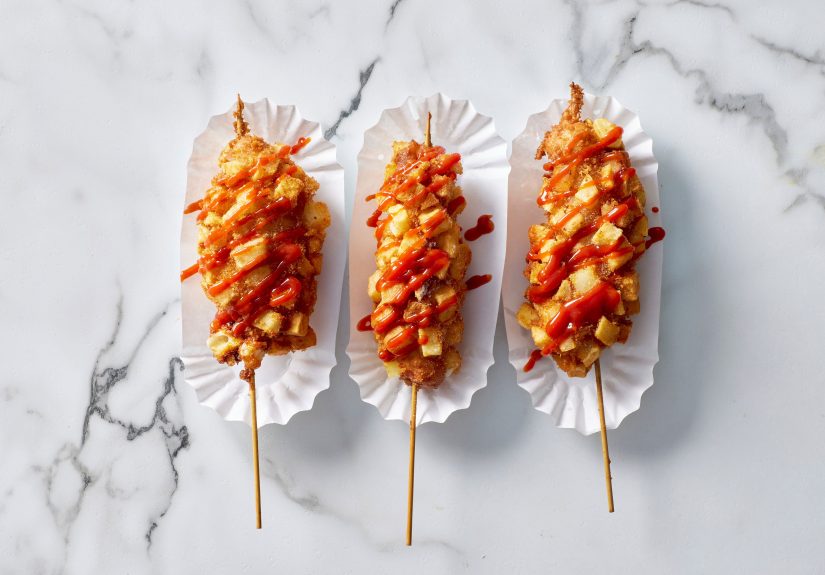
stretchy mozzarella, juicy sausagewith options for the iconic potato crust (aka gamja style),
plus tips so your cheese doesn’t stage a dramatic escape mid-fry. Let’s make street food magic in your very
non-street kitchen.
What Makes a Korean Corn Dog “Korean”?
1) The batter is fluffy, not cornmeal-heavy
Despite the name, many Korean corn dogs don’t taste like corn at all. The coating is typically a
yeasted batter (sometimes with a little rice flour for chew and crunch). Yeast gives that bready,
airy texturemore like a donut’s cool cousin than a fairground corn dog.
2) Crunch is basically a lifestyle choice
Korean corn dogs are famous for add-on coatings: panko breadcrumbs, diced potatoes, French fries,
crushed ramen, even puffed rice. It’s like the snack equivalent of “yes, and…”
3) Sweet + savory is the whole point
Many versions get a light sugar dusting right after frying, then the classic squeeze-bottle duo:
ketchup + mustard (or mayo-based sauces). It sounds odd until you taste itthen you’ll wonder why your regular
corn dog never tried harder.
Ingredients You’ll Need
Fillings (pick your adventure)
- Hot dogs (beef, pork, or chickenwhatever you like)
- Low-moisture mozzarella (best for melt + stretch without excess water)
- Optional: rice cakes (tteok), fish cake strips, or all-cheese sticks for a cheese-only version
Batter (classic yeasted style)
- 1 1/2 cups (190g) all-purpose flour
- 1/4 cup (35–40g) rice flour (optional, for extra crisp/chew)
- 2 tablespoons sugar
- 1 teaspoon fine salt
- 2 1/4 teaspoons instant yeast (1 packet)
- 1 large egg
- 3/4 cup warm milk or warm water (about 105–110°F), plus 1–3 tablespoons as needed
Coatings + finishing
- 2–3 cups panko breadcrumbs
- Optional potato crust: 1–2 medium russet potatoes, peeled and cut into 1/4-inch cubes
- Neutral frying oil (canola, peanut, vegetablesomething with a high smoke point)
- 1/4–1/2 cup granulated sugar (optional, for the classic post-fry roll)
- Ketchup, mustard, and/or mayo (or spicy mayo) for drizzling
Equipment Checklist (So You Don’t Improvise with a Salad Fork)
- Wooden skewers (thick ones are easier to hold)
- Deep pot or Dutch oven + spider strainer/tongs
- Wire rack over a sheet pan (for draining without sogginess)
- Kitchen thermometer (highly recommended for consistent frying)
- Mixing bowl + whisk/spatula
Korean Corn Dog Recipe (Classic Cheese + Sausage)
This version is the crowd favorite: half hot dog, half mozzarella, coated in a yeasted batter,
rolled in panko, fried until golden, then finished with sugar and sauces if you’re feeling
delightfully chaotic.
Step 1: Prep the fillings
-
Cut hot dogs in half (or leave whole if you want a bigger corn dog). Cut mozzarella into sticks roughly the same
size as the hot dog pieces. - Pat everything dry with paper towels. Moisture is the #1 reason batter slides off like it has places to be.
- Skewer them: thread a hot dog piece first, then mozzarella. Leave a good handle at the bottom (2–3 inches).
-
Optional but helpful: place skewers in the freezer for 10–15 minutes while you make the batter. Slightly chilled
fillings are easier to coat and less likely to cause cheese blowouts.
Step 2: Make the batter and let it rise
- In a large bowl, whisk flour, rice flour (if using), sugar, salt, and instant yeast.
- Whisk egg and warm milk (or water) together.
-
Pour wet into dry and mix until you get a thick, sticky battersomewhere between pancake batter and soft dough.
If it’s too stiff to cling, add 1 tablespoon warm liquid at a time. If it’s too runny, add a spoonful of flour. -
Cover and let rise in a warm spot for about 45–60 minutes, until puffier and slightly bubbly.
(Yes, yeast wants a nap. Let it.)
Step 3: Set up a “coating assembly line”
You’ll work fasterand cleanerif you lay out stations:
- Station A: bowl of batter
- Station B: panko in a shallow dish
- Station C (optional): diced potatoes in a shallow dish
- Station D: wire rack + sheet pan for finished fried dogs
Step 4: Coat like a pro (panko version)
- Pour batter into a tall glass if possible (easier dipping, better coverage). Dip one skewer, rotating to coat fully.
- Let excess batter drip for a second. If you see thin patches, use your hand or a spoon to “paint” batter where needed.
- Roll immediately in panko and press gently so the crumbs adhere. You want a thick, shaggy panko coat.
Step 4B: The iconic potato crust (gamja style)
- After battering the skewer, roll it in diced potatoes and press the cubes into the batter.
- Then roll in panko (optional, but it helps “lock in” the potato bits).
- Pro tip: keep potato cubes small (about 1/4 inch). Bigger cubes tend to brown outside before the batter cooks through.
Step 5: Fry at the right temperature
-
Heat 2–3 inches of oil to 350°F. Try to keep it roughly in the 340–360°F zone while frying.
Too hot = fast browning + undercooked batter. Too cool = greasy sadness. - Fry 2–3 at a time (don’t crowd the pot). Gently lower each corn dog into the oil and rotate occasionally for even color.
-
Fry until deep golden brown: 3–5 minutes for panko-only, and 5–7 minutes for potato-coated.
(Time varies by thicknessgo by color and don’t rush it.) - Drain on a wire rack, not paper towels (paper towels trap steam, which softens your glorious crunch).
Step 6: Finish with sugar + sauces (optional, but iconic)
-
While still hot, lightly roll the corn dog in granulated sugaror sprinkle a pinch over the top. Don’t bury it;
you’re going for “sweet accent,” not “county fair funnel cake.” - Drizzle ketchup and mustard in a zigzag. Add mayo or spicy mayo if you like.
- Serve immediately. The cheese stretch waits for no one.
Troubleshooting (Because Deep-Frying Has a Sense of Humor)
Problem: Batter slides off the skewer
- Dry your hot dogs and cheese thoroughly.
- Make sure your batter is thick enough to clingadd a little flour if it pours like soup.
- Chill skewers briefly so the coating grabs faster.
Problem: The outside browns fast but inside is raw
- Your oil is too hot. Bring it back closer to 350°F.
- Potato-coated versions need a slightly longer fry; keep the potato cubes small.
Problem: Cheese explodes out the side
- Use low-moisture mozzarella (fresh mozzarella leaks water and melts unpredictably).
- Seal the tip and seams with batter before rolling in panko.
- Don’t let the oil temp spikesteady heat is your friend.
Flavor Variations (Choose Your Crunch Persona)
French fry coating
Instead of potato cubes, press chopped frozen fries onto the batter, then roll lightly in panko.
It’s extra crunchy and feels like a snack wearing another snack as a jacket.
Ramen crust
Crush instant ramen noodles, then use them like panko (or mix 50/50 with panko). Bonus points if you pretend it’s “chef’s garnish.”
All-cheese Korean corn dog
Skip the hot dog and use only mozzarella on the stick. It’s dramatic, stretchy, and basically guaranteed to become your camera roll’s newest star.
Quick batter option (when you don’t want to wait for yeast)
If you’re short on time, you can make a thick batter using flour, a little sugar and salt, egg, milk, and baking powder.
You’ll lose some of that yeasty chew, but you’ll gain speedand sometimes that’s the correct emotional choice.
Serving Ideas (Beyond Ketchup + Mustard)
- Spicy mayo (mayo + sriracha + pinch of sugar)
- Honey mustard for extra sweet-savory balance
- Gochujang mayo if you like heat with a little depth
- Pickle relish for tangy crunch that cuts the richness
Storage and Reheating (Yes, You Can Save Some… In Theory)
Korean corn dogs are best fresh, when the crust is crackly and the cheese is molten. But if you have leftovers
(or you’re meal-prepping joy), store them in an airtight container in the fridge.
- Refrigerator: up to 3–4 days
- Freezer: wrap individually and freeze up to a few months
To reheat, skip the microwave if you care about crunch. Use:
- Oven: 375°F for 8–12 minutes (flip once)
- Air fryer: 350–375°F for 6–10 minutes (check early; models vary)
Conclusion: Your Kitchen, Now Serving Street-Food Energy
A great Korean corn dog recipe is all about contrasts: crunchy coating, fluffy batter, gooey cheese,
savory sausage, and that little wink of sugar on top. Once you get the batter thickness and oil temperature dialed in,
you can customize endlesslypotato crust, ramen crunch, all-cheese drama, fancy sauces, the whole snack-circus.
Make a batch for friends and you’ll instantly become the person who “casually” deep-fries Korean street food at home
(which is a very specific kind of power). Just be warned: once people discover you can make these, they will request them
the way they request tech supportfrequently, urgently, and with great confidence that you live for this.
Kitchen Experiences: What Making Korean Corn Dogs Feels Like (The Real Story)
The first time you make Korean corn dogs at home, there’s a momentright after you skewer the hot dog and mozzarellawhen
you realize you’ve built a tiny edible baton. It’s equal parts snack and wand, and you start to understand why street food
hits differently: it’s fun before you even take a bite.
Then comes the batter, which is where the personality of this recipe really shows up. A yeasted batter doesn’t behave like
a quick pancake dip. It gets sticky, a little stretchy, and just awkward enough to keep you humble. When it’s right, though,
it clings to the skewer like it’s emotionally attached. When it’s a bit off, it slides around and acts like it’s trying to
escape your kitchen responsibilities. The fix is almost always simple: pat the filling dry, thicken the batter slightly,
and work confidently. (Batter can sense fear. Probably.)
The coating step is pure snack-craft therapy. Rolling a freshly battered skewer in panko feels like you’re giving it a crunchy
winter coat. If you go full gamja style with diced potatoes, you’ll notice something: potato cubes don’t politely stick
unless you press them in with intention. Think “gentle firm hug,” not “aggressive squish.” Too light and they fall off. Too heavy
and you flatten your batter into a sad jacket that won’t puff properly.
Frying is where the transformation happensand where most people learn that oil temperature is not a suggestion. When the oil is
steady around 350°F, the corn dog turns golden at a pace that feels almost cinematic. The crust crisps, the batter cooks through,
and the cheese warms into that legendary stretch. When the oil is too hot, you get “beautiful outside, raw inside,” which is not a
personality trait you want in your dinner. When the oil is too cool, the corn dog drinks oil like it just ran a marathon. Keep a
thermometer nearby and adjust the heat between batches. This one habit upgrades your results more than any fancy ingredient.
The sugar finish is the moment that convinces skeptics. People hear “sugar on a hot dog” and mentally file it under “internet dares.”
But the actual experience is closer to salted caramel logic: sweet meets savory, and the crunch makes it feel intentional. A light roll
in sugar right after frying creates tiny crystals that cling to the crust. Then the sauces go onketchup and mustard for nostalgia, or
spicy mayo for modern swagger. The first bite usually gets quiet. The second bite gets a nod. By the third, someone will ask if you’re
taking orders.
If you’re making these for a group, the most practical “experience tip” is to set expectations: Korean corn dogs are best eaten within
minutes of frying. That’s when the crust is loud and the cheese is stretchy. Reheating can still be good (oven or air fryer brings back
crispness), but fresh is a different league. A smart move is to prep skewers ahead of timehot dog + mozzarella on sticksand keep them
chilled. Then you can batter, coat, and fry in batches while everyone hovers around the kitchen like friendly seagulls.
And yes, the cleanup is real. Panko will appear in places panko should not be, including somehow inside a drawer you did not open.
But the payoff is worth it: you’ll end up with a platter of golden, crunchy Korean corn dogs that look like they came from a street stall,
taste like a comfort-food mashup, and deliver that unmistakable “wow” factor. It’s the kind of cooking project that turns a regular day
into an eventno ticket required.