Table of Contents >> Show >> Hide
- Why This Story Hit a Nerve
- How South Park Turned the Heat Back Up
- The White House Response Proved the Point
- Why the News Matters More Than the Joke
- Satire vs. Journalism: Same Stage, Different Weapons
- The Real Target May Be Control
- Why This Matters Beyond Trump and South Park
- What the Episode Says About Modern Political Culture
- Experiences That Make This Story Feel So Familiar
- Conclusion
There are two ways to annoy Donald Trump in modern America. The first is to make fun of him on television. The second is to report on him in a way he can’t control. According to former White House communications director Anthony Scaramucci, Trump dislikes both, but not equally. His take is simple and sharp: Trump may hate South Park, but he hates the news even more.
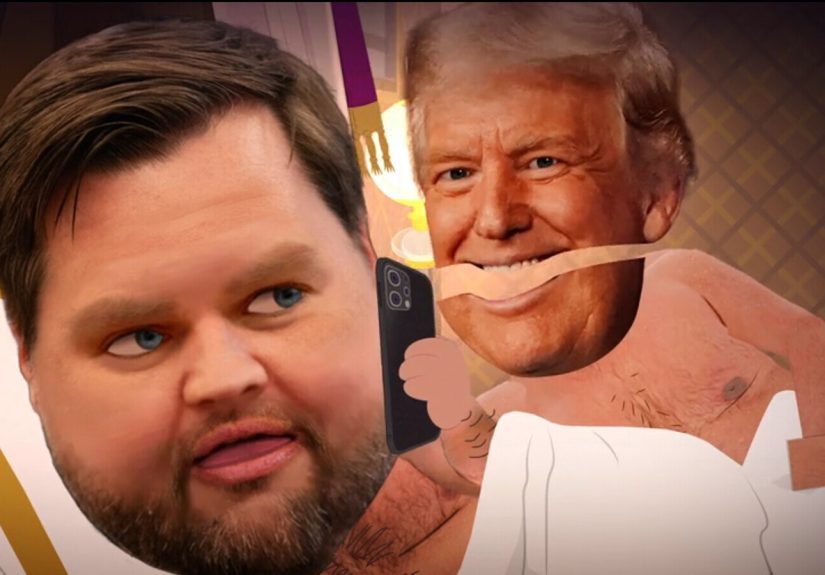
That line landed because it explains something many people had already noticed. When South Park came roaring back with a 2025 episode that mocked Trump in spectacularly crude fashion, the White House fired off a statement calling the show irrelevant, desperate, and stale. Trey Parker, in classic Trey Parker fashion, responded with a deadpan “We’re terribly sorry.” Everyone got a laugh, everyone got a headline, and the internet did what the internet always does when politics and comedy collide: it turned the whole thing into a digital food fight with better punchlines and worse spelling.
But underneath the jokes was a more serious question. Why does Trump seem willing to wage war on news organizations, while treating satire as more of a public irritation than a top-priority enemy? The answer says a lot about power, media, and the difference between being mocked and being challenged.
Why This Story Hit a Nerve
The headline works because it mixes pop culture with political psychology. It is funny on the surface. A former White House insider says a former and current political heavyweight cannot stand a cartoon. That already sounds like a rejected cold open from late-night TV. But the deeper point is not really about whether Trump enjoys being lampooned by Trey Parker and Matt Stone. Spoiler alert: he almost certainly does not. The deeper point is about what he sees as dangerous.
Satire embarrasses. News can restrain. Satire turns a politician into a meme. News turns behavior into a record. Satire can bruise the ego; journalism can threaten legitimacy, shape public understanding, influence institutions, and create legal or political consequences. If you’re a politician obsessed with image, both matter. If you’re a politician obsessed with control, the second one matters more.
That is what makes Scaramucci’s observation stick. His argument is not that Trump is somehow chill about comedy. Nobody watching this saga would make that mistake with a straight face. His argument is that satire sits lower on the threat ladder than reporting does. In other words, mockery is annoying, but scrutiny is dangerous.
How South Park Turned the Heat Back Up
South Park has never been known for subtlety. It does not approach political satire with a velvet glove, a soft piano score, or a concern for anyone’s blood pressure. The show’s 2025 return was especially pointed, using Trump as both subject and symbol. The imagery was crude, the jokes were aggressive, and the target was bigger than one man. The episode also took aim at the larger corporate and media environment around him, including the cultural fallout surrounding Paramount, CBS, and the uneasy overlap of entertainment, litigation, and political influence.
That mattered. The show was not just saying, “Look at this politician; isn’t he ridiculous?” It was also asking, “What happens when institutions that are supposed to challenge power begin acting afraid of it?” That is a more interesting joke because it is also a more serious one.
Comedy often works best when it names what polite conversation is trying to dodge. In this case, South Park was not merely trolling Trump. It was dramatizing a media moment in which lawsuits, corporate calculations, political pressure, and performance outrage were all swirling together. The show behaved like a cartoon with a flamethrower, but it was still pointing at something real.
The White House Response Proved the Point
The official reaction to the episode was revealing. If the show was truly irrelevant, it would have been easier to ignore. Instead, the response helped supercharge the story. That is one of the oldest boomerangs in media strategy: declare that nobody cares, then prove you care deeply enough to issue a statement about it.
Presidential outrage has a way of enlarging the thing it is trying to shrink. By denouncing the episode, the White House gave the satire extra oxygen. It transformed a provocative TV moment into a bigger political-media event. That is why the backlash felt familiar. Trump’s political style has long relied on dominating attention, but outrage is a slippery fuel. Sometimes it powers your message. Sometimes it powers your critics.
The response also highlighted an important tension. When political figures attack a comedy show, they often try to frame it as juvenile, biased, or beneath serious notice. Yet those attacks usually confirm that satire still lands. Nobody throws a public tantrum over a joke that misses by a mile.
Why the News Matters More Than the Joke
Scaramucci’s central point becomes more persuasive when you look at where Trump has spent his energy. For years, his relationship with the press has been openly adversarial. He has blasted reporters, threatened news organizations, elevated friendly outlets, attacked hostile ones, and treated coverage itself as a political battleground. That pattern did not disappear just because a cartoon mocked him in unusually graphic terms.
News coverage matters more because it carries a different kind of authority. A joke can shape mood. A reported story can shape institutions. A satire segment may dominate social feeds for a day or two; a news investigation can influence voters, investors, judges, lawmakers, regulators, donors, and corporate boards. One produces laughter or disgust. The other can produce consequences.
That distinction helps explain why Trump’s fiercest reactions often focus on journalists and news brands rather than comedians. Journalists build timelines, verify claims, preserve evidence, and return to stories long after the meme cycle moves on. Comedy makes people laugh at power. News can make power answer questions.
This is also why the clash with CBS and the broader media apparatus mattered so much in the background of the South Park conversation. Once news organizations become part of a legal or political drama, the stakes are no longer symbolic. They become structural. The fight is not simply over reputation. It is over influence, precedent, leverage, and fear.
Satire vs. Journalism: Same Stage, Different Weapons
There is a temptation to lump satire and journalism together because both can be unflattering to the powerful. But they do different jobs. Satire distills absurdity. Journalism documents reality. Satire is a pressure release valve. Journalism is part of democratic accountability.
That does not make satire unimportant. In fact, satire often reaches people who would never choose to read a dense political report. A South Park episode can crystallize a cultural feeling in 22 chaotic minutes better than a dozen panel discussions can in a week. It can expose hypocrisy by exaggerating it just enough that people finally recognize it. Comedy has always had that gift.
Still, satire is not usually where power goes to die. It is where power goes to be humiliated in public. Journalism is where power risks being cornered by facts. Politicians know the difference, even when they pretend not to.
The Real Target May Be Control
If there is a single theme running through this whole story, it is control. Trump has always appeared deeply attentive to narratives, images, and who gets to define him in public. That is why a former staffer’s comment about him hating the news more than South Park feels plausible even to people who dislike Scaramucci, distrust him, or remember his White House tenure as roughly the political equivalent of microwaving aluminum foil.
Control is easier to pursue in some arenas than others. News organizations have executives, lawyers, advertisers, shareholders, distribution systems, reputational concerns, and institutional pressure points. Satirists are harder to manage because mockery spreads sideways. It jumps from television to social media to group chats to Halloween costumes to that one uncle who thinks impressions are a form of public service.
In that sense, satire is messy, but journalism is strategic terrain. If you want to shape how millions of people interpret events, it makes sense to care more about the newsroom than the writers’ room. One influences narrative mood. The other influences narrative authority.
Why This Matters Beyond Trump and South Park
It would be easy to treat this as just another weird crossover episode in America’s never-ending mashup of politics and entertainment. But the story matters because it reflects a broader issue: what happens when powerful people decide that jokes are irritating but reporting is intolerable?
Healthy democracies can survive bruised egos. They have a harder time surviving sustained hostility toward independent reporting. That is why the argument at the center of this headline is more than celebrity gossip with political seasoning. It is about the hierarchy of threats in an age when leaders fight cultural battles in public and institutional battles behind the scenes.
Comedy can reveal the absurdity of power. Journalism can reveal the mechanics of it. When both are functioning, the public gets a fuller picture. When one is mocked and the other is pressured, the stakes become much higher than whether a president likes a cartoon.
So yes, the story is funny. It involves Trump, South Park, Scaramucci, media outrage, and a White House response that practically wrote its own parody. But the lasting takeaway is not the joke itself. It is the pecking order. Satire may sting. News still threatens.
What the Episode Says About Modern Political Culture
There was a time when political satire mostly followed politics. Now it often moves alongside it, sometimes faster. Parker has argued that politics has become part of pop culture, and it is hard to disagree. Presidents are treated like content engines. Press secretaries become recurring characters. Media feuds become serialized entertainment. Lawsuits, clips, reaction posts, and TV segments all flow into one giant stream where attention is both currency and weapon.
That environment rewards spectacle, but it also creates confusion. When politics starts behaving like entertainment, people may forget that some institutions are still supposed to do non-entertainment work. A comedy show exists to provoke, exaggerate, and mock. A newsroom exists to verify, investigate, and explain. If those roles blur in the public mind, bad actors gain room to dismiss all criticism as just another performance.
That is another reason this story matters. It reminds readers that not all unfavorable coverage is the same. A savage gag and a verified report are not interchangeable simply because both make a politician look bad. Pretending otherwise may be useful politics, but it is lousy civic thinking.
Experiences That Make This Story Feel So Familiar
One reason this headline resonates is that many Americans have lived through years of watching public figures react more fiercely to scrutiny than to substance. People have seen stories go this way in offices, schools, family businesses, local governments, and online communities. Someone can laugh off a joke, or at least pretend to, but the minute records, receipts, timelines, or witnesses enter the chat, the mood changes. That pattern feels familiar because it is human before it is political.
Think about the workplace version of this dynamic. A boss may shrug when employees make snarky comments in the break room, but become furious when someone documents a policy problem in writing. Why? Because jokes are messy and temporary, while documentation can travel upward. It can affect reputation, trigger oversight, or force a response. The same logic shows up in politics. Satire can be embarrassing, but reporting can become part of the permanent file.
There is also the audience experience. Millions of people now consume public life through a blend of news alerts, clips, memes, podcasts, comedy monologues, and social feeds. That means they can feel the difference between being entertained by political absurdity and being informed about political behavior. One makes you snort-laugh into your coffee. The other makes you put the coffee down and say, “Wait, what?” The story about Trump, South Park, and the news connects because it captures that split perfectly.
Then there is the fatigue factor. Many people are simply exhausted by constant outrage theater. They have watched politicians condemn satire as vulgar one day, then flood the zone with their own performative attacks the next. They have seen headlines treated like personal insults, reporters portrayed as enemies, and criticism reframed as persecution. In that atmosphere, a former insider saying, essentially, “Yes, he hates the cartoon, but he fears the coverage more,” lands with a kind of weary recognition.
Another familiar experience is the social life of jokes. Once satire escapes its original platform, it becomes hard to control. It turns into screenshots, GIFs, nicknames, one-liners, and references people repeat without needing the original episode. Anyone who has ever been roasted in a group chat knows this truth. The joke multiplies. The punchline mutates. By the time you try to stop it, your attempt becomes a sequel. Political satire works the same way. Often, the angrier the response, the longer the joke survives.
Finally, there is the deeper democratic experience. Americans have long understood that leaders do not have to enjoy criticism. That is not the job. The real test is whether they tolerate independent scrutiny and resist the urge to punish it. That is why this story does not feel like throwaway culture gossip. It feels like a small window into a much bigger question: what kind of criticism bothers powerful people most, and what does that reveal about the kind of power they want? In that sense, the South Park uproar is not just a comedy story. It is a public reminder that laughter can embarrass power, but reporting can still make it uncomfortable in ways that really count.
Conclusion
Anthony Scaramucci’s claim may sound like a cable-news zinger designed for viral reuse, but it captures a durable truth about modern politics. Trump can loathe a satirical attack and still view journalism as the larger threat. That is not because satire is harmless. It is because reporting can outlast the laugh, harden into public memory, and limit the room powerful people have to spin, deny, or dominate. South Park may be the loudest clown in the room, but the newsroom is still the institution that can ask for evidence and keep asking when nobody wants to answer.