Table of Contents >> Show >> Hide
- What exactly is an Impossible Whopper?
- Nutrition snapshot: what you’re really eating
- Is it healthier than a regular Whopper?
- Ingredients and processing: “plant-based” doesn’t always mean “whole-food”
- The biggest health question: sodium and saturated fat
- So… is it healthy? A smarter way to judge
- How to make the Impossible Whopper “healthier” without ruining your life
- Who should be cautious with the Impossible Whopper?
- The bottom line
- Real-world experiences: what it’s like to “try to be healthy” with an Impossible Whopper (about )
- SEO tags (JSON)
Let’s be honest: asking if a fast-food Whopper is “healthy” is a little like asking if a roller coaster is “relaxing.”
It can be part of a fun day, but it’s not exactly a spa treatment. Still, the question is fairbecause the word
“Impossible” carries a health halo for a lot of people. Plant-based patty? No beef? Must be better, right?
The real answer is more nuanced (and more useful): Burger King’s Impossible Whopper can be a smart swap for some goals
(like cutting back on red meat), but it’s not automatically “healthy,” and it can still be high in the usual fast-food
suspects: calories, sodium, and saturated fat. The good news? With a few “have it your way” tweaks,
you can make it fit better into a balanced day.
What exactly is an Impossible Whopper?
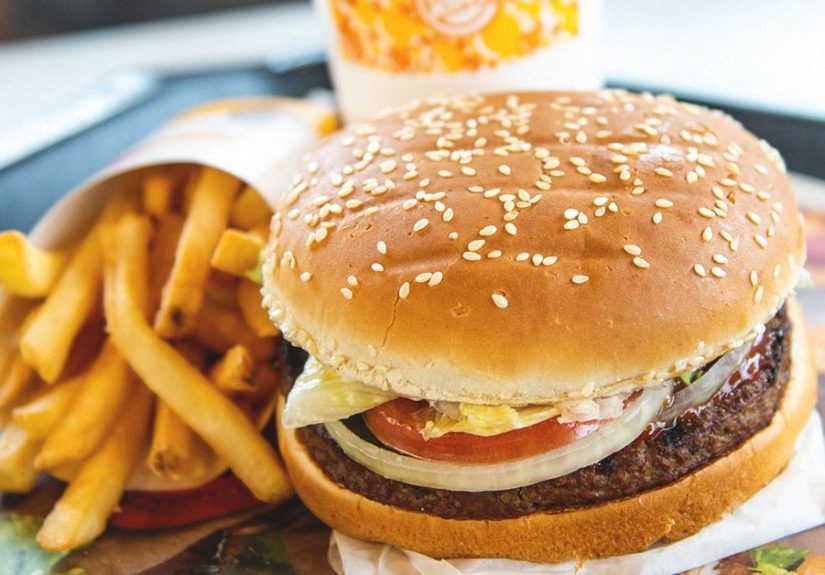
The Impossible Whopper is Burger King’s classic Whopper buildsesame bun, lettuce, tomato, onion, pickles, ketchup
with an Impossible Foods plant-based patty instead of beef. By default, it typically includes mayonnaise, which matters
for both nutrition and dietary preferences (mayo adds calories and contains egg).
Important detail for vegetarians and vegans
Depending on location and standard kitchen practices, the patty may be cooked on the same broiler as meat unless you
request a separate preparation method. If you’re avoiding animal products, you’ll also need to request no mayo.
(Translation: it can be made “more vegan-ish,” but cross-contact may still be a concern.)
Nutrition snapshot: what you’re really eating
Nutrition databases generally place a standard Impossible Whopper around 630 calories, with
roughly mid-30s grams of fat, about 10–11 grams of saturated fat, and
sodium commonly reported in the neighborhood of ~1,080 to ~1,350 mg. Protein is typically
in the mid-20s to high-20s grams, depending on the listing and portion assumptions.
Why the range? Restaurant recipes can change, condiments and bun weights vary, and some databases track “as served”
while others reflect specific market versions. The takeaway is consistent even when the exact number wiggles:
it’s a large, calorie-dense sandwich with high sodium and
a meaningful amount of saturated fat.
Quick “headline” numbers (typical, not a promise)
- Calories: ~630
- Saturated fat: ~10–11 g (about half of a 20 g Daily Value)
- Sodium: ~1,080–1,350 mg (a big chunk of the day)
- Protein: ~25–29 g
What happens if you skip the mayo?
Removing mayo can noticeably drop the calorie load and overall fat. Several nutrition trackers list a “no mayo”
Impossible Whopper closer to the high-400-calorie range. That’s still not “tiny,” but it’s a meaningful
difference for one simple change.
Is it healthier than a regular Whopper?
If you compare it to the classic beef Whopper, the two are closer than many people expect. A beef Whopper is commonly
listed in the mid-600s calories with saturated fat often in the ~12 g range and sodium
frequently around ~1,000–1,200 mg (depending on the source and formulation).
In plain English: the Impossible Whopper is not a “light” option. It’s typically
comparable to the regular Whopper in overall calories and can be similarly high in saturated fat. Sodium can be
comparable tooand sometimes higher, depending on the listing.
So what’s the point of choosing the Impossible version?
The value is less about “diet food” and more about diet pattern. If you’re trying to reduce red meat
intake, experiment with plant-based meals, or you just like the taste, the Impossible Whopper can be a practical
alternative that still feels like a real burger experience.
Ingredients and processing: “plant-based” doesn’t always mean “whole-food”
Impossible’s patty is engineered to mimic beef’s flavor and texture. It’s made with plant proteins (commonly soy and
sometimes potato), fats like coconut and sunflower oil, and a key ingredient called soy leghemoglobin
(often referred to as “heme”), produced via fermentation to create that meat-like “bloody” flavor profile.
This is where expectations need a reset: the patty is highly processedwhich is not automatically
“bad,” but it’s different from eating beans, lentils, or a homemade veggie burger with a short ingredient list.
Many nutrition experts recommend treating plant-based meats as a swap food (useful sometimes),
not a daily foundation.
What about safety and “heme”?
Soy leghemoglobin has been reviewed for use in food, including its use as a color additive in plant-based meat
products. If your concern is “Is this ingredient even allowed?”yes, it has cleared regulatory review for its
intended use. That doesn’t make the burger a salad, but it does address the basic safety question.
The biggest health question: sodium and saturated fat
When people ask if a burger is healthy, they often focus on calories. But for many adults, the bigger day-to-day
issue is sodiumespecially if you’re watching blood pressure.
Sodium reality check
Major health organizations commonly recommend keeping sodium under 2,300 mg/day, with an
ideal target closer to 1,500 mg/day for many people. An Impossible Whopper sitting around
~1,080–1,350 mg can take up a large portion of that budget in one sandwich.
Translation: if you eat one, you’ll want the rest of your day to be lower-sodium (think: fruit, unsalted nuts,
yogurt, simple home-cooked meals, or a soup you didn’t get from a drive-thru).
Saturated fat reality check
Saturated fat matters because many heart-health guidelines encourage limiting it (often to less than 10% of daily
calories, and sometimes even lower for heart-focused goals). The Impossible Whopper’s saturated fat is often
reported around ~10–11 g, which is a sizable chunk for one menu itemespecially if you also
order fries, cheese, or a dessert.
A big reason is the fat source: plant-based burgers commonly use coconut oil or similar fats to get the “juicy”
burger mouthfeel, and those fats can be higher in saturated fat than people expect from something that isn’t meat.
So… is it healthy? A smarter way to judge
“Healthy” isn’t a single badge a food earns forever. It depends on what you mean:
-
Heart health focus? Watch sodium and saturated fat. The Impossible Whopper can be a tight fit unless
you customize and balance the rest of the day. -
Weight management focus? It’s calorie-dense, so portion strategy matters (skip fries, choose water,
consider no mayo). - Reducing red meat focus? This is where it can shine as a satisfying replacement.
-
Whole-food / minimally processed focus? It’s not the winner; beans, lentils, fish, chicken, tofu,
and veggie-heavy meals usually fit better.
How to make the Impossible Whopper “healthier” without ruining your life
You don’t need to order a single leaf of lettuce and cry into it. Small, strategic tweaks can move the burger from
“nutritional chaos” to “reasonable indulgence.”
1) Go “no mayo” (biggest easy win)
Mayo is tasty. Mayo is also a sneaky calorie and fat multiplier. Skipping it can significantly reduce calories and
fat while keeping the burger’s core experience intact (you still have the patty, bun, and classic toppings).
2) Skip the cheese (or keep it occasional)
Adding cheese can increase saturated fat and sodium. If you already have a burger that’s pushing those limits,
cheese turns “pretty high” into “wow, okay.”
3) Choose a smarter side
Fries plus burger is the classic combobut it’s also the classic way to turn a meal into an all-day calorie event.
If you want a side, consider a smaller portion, share fries, or choose something lighter when available.
4) Make your drink boring (your heart will thank you)
Sugary drinks can add hundreds of calories with zero fullness. Water, unsweetened tea, or black coffee keeps the meal
from turning into a dessert-and-a-burger combo.
5) Balance the rest of the day
If lunch is an Impossible Whopper, dinner doesn’t need to be “another sandwich but with vibes.” Aim for a veggie-forward,
lower-sodium dinnerthink stir-fry, a big salad with protein, a bean bowl, or a simple soup you season yourself.
Who should be cautious with the Impossible Whopper?
- Anyone on a low-sodium plan (or managing high blood pressure)
- People watching saturated fat closely (heart-health goals)
- Those with soy allergies (the patty commonly includes soy)
- Anyone expecting a “whole-food plant-based” meal (it’s more “plant-based fast food”)
The bottom line
Burger King’s Impossible Whopper is best described as a plant-based alternative to a fast-food burger,
not a health food. Nutritionally, it’s often comparable to the regular Whopper: similar calories, a meaningful dose of
saturated fat, and a sodium level that can eat up a large share of your daily limit.
If your goal is to reduce red meat or you simply enjoy plant-based options, it can be a worthwhile swapespecially if you
customize it (hello, no mayo) and keep the rest of your day balanced. If your goal is “as healthy as possible,”
you’ll usually do better with a simpler, less processed mealwhether that’s plant-based or not.
Real-world experiences: what it’s like to “try to be healthy” with an Impossible Whopper (about )
A lot of people don’t choose the Impossible Whopper because they’re training for a marathon or auditioning to be a kale influencer.
They choose it because they want a burger, they’re curious, and they’d like to feel slightly better about the choice.
And honestly? That’s a pretty normal place to be.
One common “first-time” experience is the flexitarian test drive. Someone who usually orders beef tries Impossible
and discovers the taste is closer to a traditional burger than expectedespecially with all the classic Whopper toppings doing
their flavor magic. The surprise isn’t just taste; it’s the realization that “plant-based” doesn’t automatically mean “low-calorie.”
People often expect a dramatic nutrition upgrade and then do a double take when they see the sodium and saturated fat numbers.
Then there’s the “no mayo” momentthe point where someone realizes they can keep the burger experience while cutting
a big chunk of extra calories and fat. For many, removing mayo feels less like “dieting” and more like “optimizing,” which is a
mindset that actually sticks. The burger still looks like a burger. It still eats like a burger. You just took a quiet step toward
making it fit your day better.
Another very real scenario: the road trip compromise. You’re hungry, options are limited, and you want something
filling that won’t leave you feeling like you swallowed a bowling ball. People often pair the Impossible Whopper with water and skip
fries, not because they hate joy, but because they’ve learned the fries-and-soda combo can turn a quick stop into a nap request.
The burger alone can be satisfying enoughespecially if you’re not stacking extra toppings like cheese and bacon (which, yes, is
possible, and yes, it defeats the “I’m making a better choice” storyline).
Some people notice a different kind of “experience”: the salt hangover. It’s not a medical termjust that feeling
of being extra thirsty afterward, which can happen with high-sodium meals. That’s why “healthy” sometimes means thinking ahead:
drink water, choose lower-sodium foods later, and don’t make the rest of the day a snack parade of chips, jerky, and instant noodles.
And finally, there’s the most relatable experience of all: trying to be a normal human. You want to eat in a way
that supports your health, but you also want to live your life. In that context, the Impossible Whopper can be a perfectly reasonable
“sometimes food”especially if you customize it and build a day that includes fruits, vegetables, fiber, and a little movement.
The healthiest choice isn’t always a single menu item. It’s the pattern you repeat.