Table of Contents >> Show >> Hide
- Why Earthy Refrigerator Magnets Are So Easy to Love
- What I Use to Make Earthy Refrigerator Magnets
- 3 Ways I Create These Earthy Refrigerator Magnets
- How I Keep Them From Cracking, Warping, or Looking Rough
- How I Get the Earthy Look Without Making Everything Brown
- Where These Magnets Work Best
- Why I Keep Coming Back to This Craft
- My Experience Making Earthy Refrigerator Magnets
- Final Thoughts
Some people collect postcards. Some people collect mugs. I, apparently, create earthy refrigerator magnets like a woodland goblin with a glue habit and a very strong opinion about sage green.
What started as a tiny weekend craft turned into one of my favorite DIY rituals. There is something ridiculously satisfying about making earthy refrigerator magnets that look like they came from a cozy little studio tucked behind a plant shop. They are practical, they are charming, and unlike that “live laugh love” magnet from 2009, they do not scream at your kitchen.
These handmade magnets lean into everything that makes natural decor feel warm and inviting: clay tones, botanical textures, soft greens, sandy neutrals, imperfect shapes, and finishes that look a little sun-baked in the best possible way. They are small enough to make in an afternoon, but stylish enough to look like you bought them at a boutique where candles cost more than your lunch.
In this guide, I will walk through how I make them, the best materials to use, the design choices that give them that earthy look, and the mistakes I made so you can skip the “why does this magnet look like a sad cracker?” phase. I will also share a longer personal section at the end about my experience making them, because once you start crafting your own DIY fridge magnets, you quickly discover this hobby is part decor project, part stress relief, and part excuse to leave tiny leaves all over your dining table.
Why Earthy Refrigerator Magnets Are So Easy to Love
The appeal of earthy decor is simple: it borrows from nature without trying too hard. Instead of loud neon colors or shiny plastic finishes, earthy design uses tones like terracotta, olive, moss, clay, tan, warm white, muted mustard, and soft brown. The result feels grounded, calm, and a little organic, even when your refrigerator is holding up a takeout menu and a dentist reminder.
That same mood works beautifully in handmade refrigerator magnets. A small magnet becomes more interesting when it has texture, subtle color variation, and a shape that feels a little imperfect. A leaf imprint, a stone-like oval, a tiny faux fossil, or a pressed-flower accent all bring more personality than a flat factory-made magnet ever could.
Another reason I love these rustic fridge magnets is that they fit almost any kitchen style. If your home leans modern, they add warmth. If your space is farmhouse-inspired, they look right at home. If your kitchen is eclectic, they blend in like they were always meant to live beside your weird tomato timer and your cousin’s vacation photo.
What I Use to Make Earthy Refrigerator Magnets
1. Clay That Matches the Look You Want
I usually make my magnets with either air-dry clay or polymer clay. Both can work beautifully, but they behave a little differently.
Air-dry clay is great when I want a soft, matte, natural finish. It is easy to shape, beginner-friendly, and perfect for botanical or pebble-inspired pieces. It also feels especially right for earthy designs because the finish is less glossy and more organic.
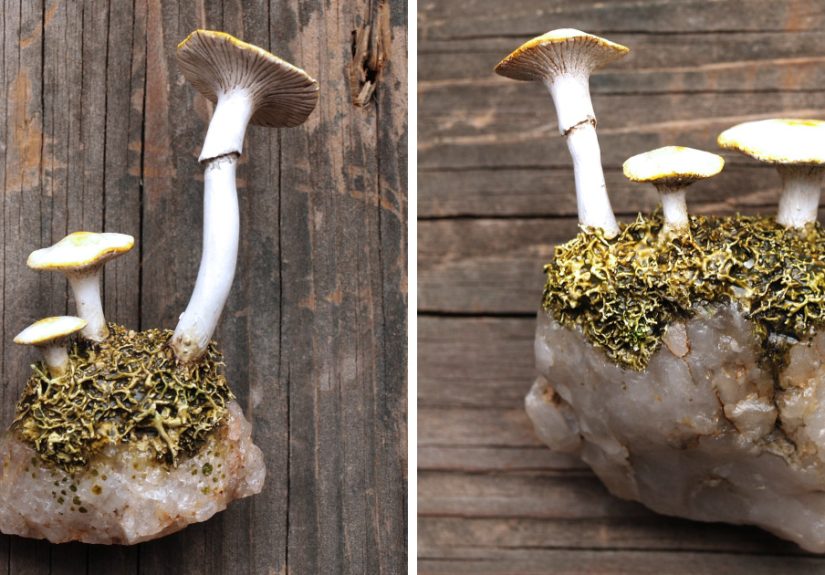
Polymer clay is the better option when I want sharper details, more durability, or layered color work. If I am making mini mushrooms, terrazzo-style pieces, or textured magnets with clean edges, this is often the winner.
No matter which clay I choose, I aim for relatively even thickness. Uneven pieces are far more likely to warp, crack, or look like they lost a fight with gravity. Tiny crafts may be cute, but they still appreciate structural integrity.
2. Natural Textures
This is where the magic happens. The easiest way to make botanical magnets or earthy clay magnets feel special is with texture. I press real leaves into clay, roll lace lightly across the surface, use a rough linen scrap for woven texture, or score fine lines with a wooden skewer. Even a subtle thumb-pressed edge can make a piece feel more handmade and less suspiciously perfect.
When I want a more natural look, I avoid making everything symmetrical. Nature is not out here producing identical pebbles, and neither am I.
3. Paints and Finishes
For color, I stick with muted tones: terracotta, mushroom, taupe, sand, sage, olive, chalky white, warm rust, and soft charcoal. Sometimes I leave the clay bare. Other times I dry-brush a little acrylic paint across the raised texture so the surface has depth without looking overworked.
I often seal the finished piece with a matte or satin sealer. That helps protect the surface and keeps the magnet easier to wipe down later. A glossy finish can work, but for this style I usually prefer something understated.
4. Magnets and Adhesive
For the back, I use flat craft magnets or small disc magnets sized to the piece. The cleaner and drier the back surface, the better the adhesive bond. I like adhesives that bond well to materials like ceramic, wood, metal, and certain plastics, but I still test before making a whole batch because crafting has a sneaky sense of humor.
One practical note: if children or pets are around, I avoid leaving loose small high-powered magnets anywhere they can be swallowed. Cute decor should not become an emergency room subplot.
3 Ways I Create These Earthy Refrigerator Magnets
Way 1: Botanical Imprint Magnets
This is the style I make most often because it looks expensive and is surprisingly easy. I roll out a small slab of clay, press a leaf, sprig, or even a dried stem into the surface, then trim the piece into an oval, circle, arch, or freeform pebble shape.
After the texture is set, I let the piece dry or bake it according to the clay type. Once finished, I might leave it plain, brush on a thin wash of color, or add a whisper of white over the raised areas for contrast. The final look is simple, quiet, and very “I shop at farmers markets and own at least one basket I do not need.”
These are perfect if you want clay refrigerator magnets that feel natural, elegant, and giftable.
Way 2: Pebble-Look Magnets
If you love smooth stones, river rock tones, and minimal decor, pebble-look magnets are fantastic. I shape small rounded forms by hand and flatten the back just enough for the magnet. Then I use layered paint in sandy beige, warm gray, and muted brown to create a stone effect.
Sometimes I add tiny speckles with a toothbrush or stiff brush. Sometimes I rub on a little darker pigment and wipe most of it away, which gives the surface an aged, earthy look. These are subtle, calming, and weirdly satisfying to hold.
They also work beautifully in sets. A cluster of pebble magnets in slightly different tones can make even a plain white refrigerator look intentional rather than merely appliance-shaped.
Way 3: Mini Landscape or Terrazzo Magnets
When I want something more playful, I make tiny abstract scenes using earthy color blocking. Think a soft clay-colored arch, a sage circle, a cream stripe, and a little sun-like dot in mustard. The result looks like miniature wall art for your fridge.
I also love a terrazzo-inspired version made by mixing tiny flecks of muted clay into a neutral base. It has texture, movement, and a modern handmade look without turning into visual chaos. This style is ideal for anyone who wants DIY magnets that feel current but still warm and natural.
How I Keep Them From Cracking, Warping, or Looking Rough
Making small crafts sounds easy until one dries into a potato chip. Over time, I learned a few tricks that make a huge difference.
First, I keep the clay thickness as even as possible. Thin edges and thick centers are a fast path to warping. Second, I let pieces dry evenly. Clay slabs and flat shapes can crack or bend when one side dries much faster than the other, so I avoid rushing the process or leaving them in awkward hot spots.
If I am using air-dry clay, I only take out what I need and keep the rest wrapped so it does not dry prematurely. I also knead it before shaping. If I am using polymer clay, I pay close attention to curing temperature. An oven thermometer is one of those humble tools that saves a lot of heartbreak because ovens are notorious liars.
Before attaching the magnet backing, I make sure the decorative piece is fully finished, dry, and clean on the back. If the surface is dusty, oily, or still a little damp, the bond is more likely to fail at the exact moment you finally hang your grocery list. Crafting loves drama. Preparation helps.
How I Get the Earthy Look Without Making Everything Brown
There is a fine line between “earthy and curated” and “did this come out of a flower pot?” The trick is balance. I use brown and terracotta, yes, but I break them up with warm white, sand, sage, olive, muted blush, or soft charcoal.
Texture matters just as much as color. A magnet in plain beige can look flat. A magnet in beige with a leaf impression, a rough matte finish, and a little hand-painted detail looks layered and intentional. Earthy style is less about one exact shade and more about combining natural tones with tactile surfaces.
I also like using dried or pressed botanical elements for inspiration. Lavender, daisies, baby’s breath, tiny leaves, and delicate stems all offer shapes and textures that translate beautifully into clay or painted designs. You do not have to glue actual flowers into every piece to get the effect. Sometimes a simple imprint or painted silhouette says enough.
Where These Magnets Work Best
Obviously, they belong on the refrigerator. That is their natural habitat. But they also work on magnetic memo boards, steel shelving, filing cabinets, and small wall organizers in home offices. A set of earthy magnets can make even boring storage look a little more styled.
They also make excellent handmade gifts. Pair a small set with a recipe card, a notebook, a kitchen towel, or a bag of coffee and suddenly you look like the kind of person who has their life together. Whether or not that is true is between you and your unread emails.
Why I Keep Coming Back to This Craft
I think the real reason I love making earthy refrigerator magnets is that they are small enough to finish without feeling overwhelming. I can test color ideas, play with textures, and use leftover materials from other projects. It is creative, practical, and low-stakes in the best way.
Unlike larger decor DIYs, these do not ask for a full weekend, a power saw, or a sudden personality shift into “weekend contractor.” They ask for clay, patience, and maybe a cup of tea. That is my kind of commitment.
And once they are done, I get to see them every day. They are tiny pieces of handmade decor living right in the middle of ordinary life. On a busy morning, that little leaf-imprint magnet holding up a grocery receipt can still make me think, “Well, at least one thing in this kitchen is charming.”
My Experience Making Earthy Refrigerator Magnets
The first time I tried making one, I was aiming for “organic artisan charm” and ended up with something that looked like a fossilized chicken nugget. It was lopsided, the texture was barely visible, and the magnet on the back was so weak it could not hold a single receipt unless that receipt had very ambitious goals. Naturally, I decided to make twelve more.
That is usually how these things go. I start with one idea, then I want to try a rounder shape, then a flatter one, then a leaf print, then a stone effect, then a tiny abstract sun, and suddenly my table looks like a tiny desert landscape designed by someone who drinks iced coffee year-round.
What surprised me most was how calming the process became. Pressing textures into clay is satisfying in a way that is hard to explain unless you have done it. Rolling, imprinting, smoothing edges, dry-brushing color, lining pieces up to compare tonesit all slows my brain down. It is one of the few crafts that feels both creative and practical. I am not just making “stuff.” I am making something I will actually use.
Over time, I also learned that the imperfections are what make the magnets better. The tiny thumb mark near the edge, the slightly irregular oval, the paint that catches one part of the texture more than anotherthose details are the whole point. When I tried too hard to make every piece look identical, they lost their charm. When I relaxed a little, they started to look more natural and more beautiful.
I also began noticing how much color matters. Early on, I used shades that were too dark or too flat, and the magnets looked heavy. Once I started mixing warm white, sand, clay pink, olive, and soft brown, everything changed. Suddenly the magnets looked airy, earthy, and much more intentional. They felt like they belonged in a cozy kitchen with wooden cutting boards, linen towels, and at least one loaf of bread pretending to be decorative.
Another lesson: a refrigerator is basically a free design board. I can move the magnets around, create little groupings, test color combinations, and switch things by season. In spring, I lean into pale sage and floral textures. In summer, I use sun-baked clay colors. In fall, I go full terracotta, mustard, and moss. In winter, I keep things muted with warm neutrals and subtle texture. My fridge has somehow become the least expected styling surface in the house.
These magnets also turned out to be one of my favorite small gifts. People genuinely love receiving something handmade that is useful and not enormous. A set of six tucked into a little kraft box feels thoughtful without being overly precious. It says, “I made this for you,” which is sweet. It also says, “Here is a chic way to pin your pizza coupon,” which is practical. I respect a gift that can do both.
At this point, making earthy magnets is less of a one-time craft and more of a repeating ritual. I save nice leaves. I notice color palettes in gardens and farmers markets. I see texture in bark, linen, stones, seed pods, and dried petals and immediately think, “That would make a great magnet.” It is a little ridiculous, sure, but it is also a lovely way to pay attention to small details. And honestly, if the end result is a prettier fridge, I have no complaints.
Final Thoughts
If you have been looking for a simple craft that feels stylish, useful, and genuinely fun, earthy refrigerator magnets are a great place to start. They are easy to personalize, forgiving enough for beginners, and beautiful enough to display every day. You can make them botanical, modern, rustic, minimal, textured, or a little bit artsy depending on your mood and materials.
Best of all, they prove that home decor does not need to be large or expensive to make a space feel more personal. Sometimes the smallest handmade details do the most work. And if one of your first few magnets looks slightly unhinged, congratulationsyou are officially crafting.