Table of Contents >> Show >> Hide
- Why Himalayan Salt Lamps Became So Popular
- Are Himalayan Salt Lamps Actually Dangerous?
- Himalayan Salt Lamp Health Claims: Cozy Glow, Not a Cure
- Main Himalayan Salt Lamp Warnings Every Buyer Should Know
- Authentic vs. Fake Himalayan Salt Lamp: How to Tell the Difference
- How to Use a Himalayan Salt Lamp Safely
- Who Should Avoid Himalayan Salt Lamps?
- Real-Life Experience: What Owning a Salt Lamp Is Actually Like
- Final Thoughts
Note: This article is for general home-safety and consumer-education purposes. A Himalayan salt lamp is a decorative lighting product, not a medical device, air purifier, or substitute for professional health, electrical, or veterinary advice.
Why Himalayan Salt Lamps Became So Popular
Himalayan salt lamps have a way of making a room look like it has its life together. You plug one in, the pink-orange glow appears, and suddenly your desk feels less like “tax paperwork headquarters” and more like a tiny spa that accepts unpaid interns.
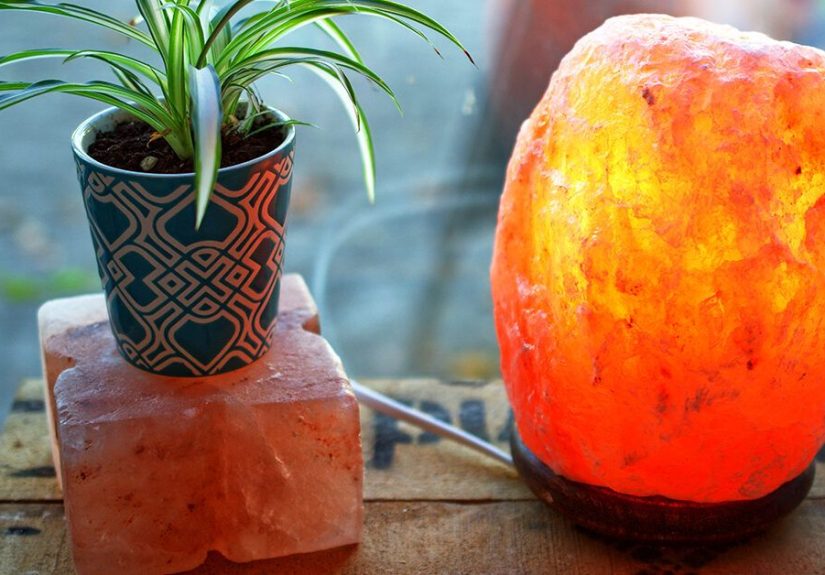
These lamps are usually made from chunks of pink rock salt carved to fit a small bulb inside. Most authentic pink Himalayan salt is associated with the Khewra Salt Mine region in Pakistan, although the word “Himalayan” is often used more as a marketing label than a geography lesson. The appeal is easy to understand: warm light, natural texture, cozy mood, and just enough mystery to make people ask, “Is that a glowing potato?”
But popularity brings two problems. First, some sellers make dramatic claims about air purification, negative ions, sleep improvement, allergy relief, and mood support. Second, not every lamp is made with the same electrical quality, and not every “Himalayan” lamp is authentic. That is where Himalayan salt lamp warnings matter. A salt lamp can be a lovely decorative accent, but it should be treated like what it is: a heavy, salty, moisture-attracting electrical object sitting in your home. In other words, cutebut not magically above the laws of physics.
Are Himalayan Salt Lamps Actually Dangerous?
Most Himalayan salt lamps are not automatically dangerous when they are well-made, properly certified, correctly used, and kept away from pets and small children. The risk comes from careless use, poor wiring, overheating parts, moisture, unstable placement, and exaggerated health expectations.
The biggest safety concern is electrical quality. A salt lamp uses a bulb, cord, plug, and sometimes a dimmer switch. If those parts are poorly manufactured or damaged, the lamp can overheat or create a shock hazard. In the past, some rock salt lamps were recalled in the United States because defective dimmer switches or plugs could overheat and pose fire or shock risks. That does not mean every salt lamp is a tiny volcano in disguise. It means consumers should buy carefully, check recalls, and take warning signs seriously.
Another issue is moisture. Salt is hygroscopic, meaning it can attract water from the air. In a humid room, a real salt lamp may “sweat,” leaving dampness or salty residue on the surface beneath it. That is annoying for furniture and potentially risky around electrical parts. If your lamp is sitting in a bathroom, next to a humidifier, near a kitchen sink, or on an antique wooden table you inherited from a dramatic aunt, you are asking for trouble.
Himalayan Salt Lamp Health Claims: Cozy Glow, Not a Cure
One of the most common claims is that Himalayan salt lamps release negative ions that clean the air, reduce allergens, improve breathing, or boost mood. The problem is simple: there is not strong scientific evidence that salt lamps produce enough negative ions to meaningfully improve indoor air quality or health. Some research has explored negative ion exposure in controlled settings, but a small decorative lamp is not the same thing as a clinical device or a properly designed air-cleaning system.
That does not mean the lamp is useless. Soft, warm light can make a room feel calmer. Replacing bright overhead lighting at night with a gentle lamp may help create a more relaxing evening routine. That benefit, however, comes from lighting and atmospherenot from the lamp detoxifying the room like a tiny mineral superhero.
If you have asthma, allergies, chronic respiratory symptoms, sleep issues, anxiety, or another health concern, do not rely on a salt lamp as treatment. Use proven strategies: talk with a healthcare professional, improve ventilation, control dust and mold, use a real air purifier with an appropriate filter when needed, and follow medical advice. The salt lamp can sit nearby and look charming. It should not be promoted to doctor.
Main Himalayan Salt Lamp Warnings Every Buyer Should Know
1. Check the Electrical Certification
Choose a lamp with a recognized safety certification mark from a reputable testing organization, such as UL, ETL, or another nationally recognized testing laboratory. The certification should apply to the electrical components, not just the seller’s imagination. Look at the cord, plug, bulb socket, switch, and packaging. If the listing only says “premium quality” but provides no meaningful electrical information, that is not a safety standard. That is marketing wearing a shiny hat.
2. Avoid Cheap, Unknown, or Poorly Reviewed Lamps
A suspiciously cheap Himalayan salt lamp may cut costs in the exact places you do not want shortcuts: wiring, switch quality, bulb socket, base stability, and packaging. Read recent reviews carefully. Warnings about flickering, burning smells, hot plugs, buzzing switches, sparking, broken bases, or wet electrical parts should make you walk away. No room needs ambiance badly enough to invite a questionable plug into the wall.
3. Keep It Away From Moisture
Do not use a salt lamp in bathrooms, laundry rooms, damp basements, next to aquariums, beside humidifiers, or anywhere it may be splashed. Real salt can pull moisture from humid air, and moisture plus electricity is never the cozy wellness combo anyone needs. Place the lamp on a dry, stable surface and use a coaster, tray, or protective mat underneath to prevent salty residue from damaging furniture.
4. Do Not Leave It On Unattended for Long Periods
Some people leave salt lamps on continuously to keep the salt warm and reduce sweating. That may help in certain dry environments, but it is still wise to follow the manufacturer’s instructions. Turn the lamp off when leaving home, going to sleep, or when you cannot monitor itespecially if the lamp has a dimmer switch or you are unsure about its electrical quality. A decorative lamp should not require the same supervision level as a toddler with permanent markers, but it does deserve common sense.
5. Keep It Away From Pets
This warning is especially important for cats and dogs. Salt can be toxic to pets if they ingest too much, and a curious animal may lick a salt lamp repeatedly. Cats are particularly concerning because they are small, agile, and fully convinced that “out of reach” is a personal insult. If you have pets, place the lamp somewhere truly inaccessible or choose a pet-safe alternative that gives the same warm glow without the salt surface.
6. Keep It Away From Small Children
Salt lamps can be heavy, rough, and breakable. A child may pull the cord, knock the lamp over, touch a warm bulb area, or taste the salt. Keep cords tucked away and place the lamp where it cannot be dragged off a table. If the lamp is large, make sure the base is sturdy and the surface is level.
7. Watch for Warning Signs
Stop using the lamp immediately if you notice a burning smell, unusually hot plug, flickering light, buzzing switch, sparks, melted plastic, cracked cord, loose socket, or moisture near electrical parts. Unplug it from the wallnot by yanking the cordand do not use it again until the issue is resolved. When in doubt, replace the electrical kit with a certified one from a reputable source or retire the lamp.
Authentic vs. Fake Himalayan Salt Lamp: How to Tell the Difference
A real Himalayan salt lamp is made from natural rock salt, usually in shades of pale pink, peach, orange, amber, or reddish-pink. Because it is a natural material, the color is uneven. That is part of the charm. A fake or low-quality lamp may look too perfect, too bright, too uniform, or oddly plastic-like.
Real Salt Lamps Usually Have Natural Color Variation
Authentic lamps often look cloudy, layered, or imperfect. Some areas may be lighter, darker, or more translucent than others. If the entire lamp glows in one flat neon-pink color, treat it with suspicion. Nature is beautiful, but she is not famous for producing identical Instagram filters.
The Glow Should Be Warm and Soft
A real salt lamp typically gives off a muted amber, peach, or orange-pink glow. It should not brightly light a room like a desk lamp. If your “salt lamp” is blinding enough to guide aircraft, it may be made from a different material, dyed, too thin, or powered by an overly strong bulb.
It Should Feel Heavy for Its Size
Rock salt has weight. A real lamp often feels surprisingly heavy compared with its size. A fake made from plastic, resin, or thin material may feel too light. Weight alone is not proof, but it is a useful clue when combined with origin, texture, glow, and seller transparency.
It May Sweat in Humid Conditions
Because salt attracts moisture, an authentic lamp may become damp in humid environments. This is not a feature to celebrate with confettiit is a maintenance issuebut it can indicate real salt. However, do not intentionally wet the lamp to test it. Water can damage the lamp, dissolve the salt, harm furniture, and create electrical risk.
The Seller Should Be Transparent About Origin
A trustworthy seller should clearly state where the salt comes from, provide product details, and disclose electrical safety information. Be cautious with vague claims like “mountain crystal energy lamp” or “ancient healing salt from secret caves.” If the product description sounds like it was written by a wizard on commission, ask for specifics.
Price Can Be a Clue, But Not Proof
Authentic lamps require mining, carving, packaging, electrical components, shipping, and quality control. Very low prices may indicate shortcuts, but high prices do not guarantee authenticity either. A smart buyer compares the seller’s reputation, certification, return policy, lamp weight, photos, and product details.
How to Use a Himalayan Salt Lamp Safely
Place your lamp on a stable, dry surface away from water, pets, children, curtains, bedding, papers, and clutter. Use the bulb wattage recommended by the manufacturer. Do not use a bulb that is too powerful, because excess heat may damage components. Make sure the cord is not pinched under furniture, run under rugs, or stretched across a walkway.
Clean the lamp with care. Unplug it first. Use a slightly damp cloth only if needed, then dry it immediately. Do not rinse it, soak it, spray cleaner on it, or treat it like a dishwasher-safe crystal. It is salt. It dissolves. That is its whole personality.
If the lamp sweats, move it to a drier room, keep it on a protective tray, and reduce indoor humidity. In very humid climates, a salt lamp may require more maintenance than it is worth. There is no shame in choosing a ceramic, glass, or fabric-shade lamp that gives a similar warm glow without salty furniture drama.
Who Should Avoid Himalayan Salt Lamps?
You may want to avoid a real salt lamp if you have pets that climb, lick, chew, or treat every object as a personal buffet. You may also want to skip it if you live in a very humid home, have small children who pull cords, cannot verify the lamp’s electrical safety, or plan to use it as a health treatment. People who need actual air-cleaning support should look at proven indoor air quality tools instead of decorative salt lighting.
That said, many people can safely enjoy a salt lamp as a decorative accent. The key is to keep expectations realistic. Buy a quality lamp, use it correctly, and appreciate it for what it does best: creating a warm, cozy glow that makes your nightstand look like it reads poetry.
Real-Life Experience: What Owning a Salt Lamp Is Actually Like
Owning a Himalayan salt lamp is less like owning a magical wellness machine and more like owning a pretty houseplant that happens to plug into the wall. It adds atmosphere, but it also has opinions. Put it in the wrong spot and it may sweat. Use a bad cord and it may become unsafe. Let a cat near it and suddenly the cozy decor item becomes a veterinary concern with a plug.
The best experience usually starts before the purchase. A careful buyer looks for a lamp that includes a sturdy base, a certified cord, a proper bulb socket, clear manufacturer instructions, and a seller that does not promise miracle cures. The product photos should show the actual lamp style, not just a glowing pink fantasy orb floating in darkness. Reviews should mention stable construction and safe operation, not “plug got hot but still cute.” Cute does not cancel electrical risk.
Once the lamp is home, placement makes a huge difference. A bedroom dresser, office shelf, or living room side table can work well if the area is dry and the lamp is not near fabrics or water. A bathroom counter is a poor choice. So is a windowsill that gets condensation. So is the corner of a kitchen where steam from pasta night can turn your lamp into a salty little weather station. A protective mat underneath is a smart move, especially on wood furniture.
Many owners enjoy using a salt lamp in the evening because the warm light feels softer than bright white bulbs. It can be part of a wind-down routine: lower the overhead lights, turn on the salt lamp, put the phone away, and let the room stop looking like a convenience store at midnight. The calming effect comes from the lighting environment and personal routine, not from proven medical changes in the air. That distinction matters because it keeps the lamp in its proper lane.
Maintenance is simple but important. Dust it gently when unplugged. Keep it dry. Check the cord and plug every so often. If you notice sweating, move it somewhere drier or use a tray. If you smell burning or see flickering, stop using it. Do not try to “make it work” with tape, mystery replacement parts, or wishful thinking. Electrical repairs should be done properly or not at all.
The biggest lesson from real-world use is this: a Himalayan salt lamp is a mood piece, not a miracle worker. Buy it because you like the glow. Keep it because it makes your space feel warm. But do not expect it to clean your air, cure allergies, fix sleep problems, or impress your cat with safe nutritional choices. Treat it like decor with electrical and pet-safety rules, and it can be a charming addition to the home. Ignore those rules, and the lamp goes from “cozy wellness corner” to “why is the table wet and the plug hot?” faster than anyone wants.
Final Thoughts
Himalayan salt lamps can be beautiful, relaxing decorative lights, but they deserve a practical safety checklist. Buy from a reputable seller, choose certified electrical components, avoid moisture, keep the lamp away from pets and children, and do not believe oversized health claims. Real salt lamps are naturally uneven, softly glowing, heavy, and often linked to pink rock salt from Pakistan. Fake or low-quality versions may look too uniform, feel too light, glow too brightly, or come with vague product information.
The safest mindset is simple: enjoy the glow, respect the risks, and let the lamp be a lamp. That may not sound as glamorous as “ancient crystal energy purifier,” but it is much more usefuland significantly less likely to disappoint your lungs, your pets, or your homeowners insurance.