Table of Contents >> Show >> Hide
- What Exactly Are Maison Artistry Tiles?
- The Design DNA of Maison Artistry Tiles
- Where Maison Artistry-Style Tile Works Best
- How to Recreate the Look Without Making Costly Mistakes
- Material Reality Check: Ceramic, Terracotta, or Porcelain?
- Color, Styling, and Room Pairings
- Maintenance and Long-Term Sanity
- The Real Magic of Maison Artistry Tiles
- Experience Section: Living With the Maison Artistry Look
- Conclusion
If you have ever looked at a bathroom or kitchen and thought, “Wow, that wall has more personality than half the people in my group chat,” you already understand the appeal of artisan tile. Maison Artistry tiles belong to that delicious category of surfaces that do more than cover a wall. They tell a story. They add rhythm, warmth, and just enough imperfection to keep a room from feeling like it was assembled by a very tidy robot.
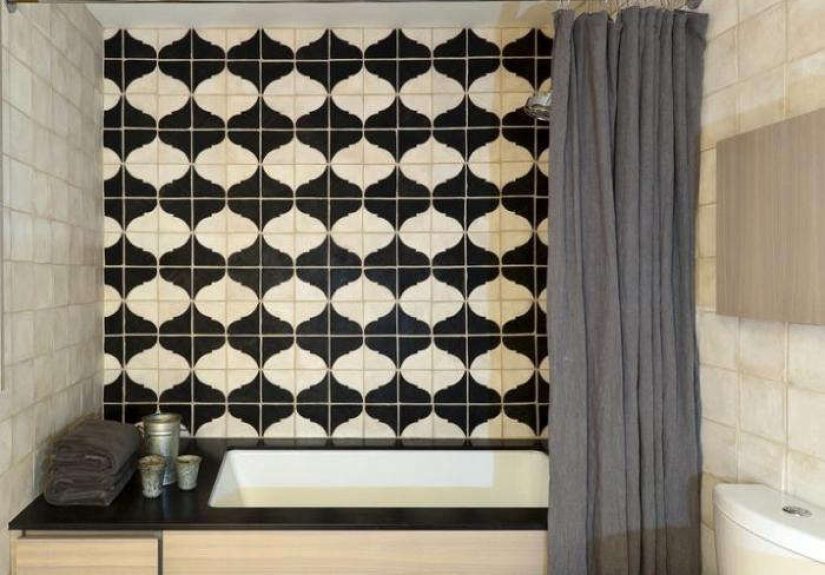
The phrase Design Sleuth: Maison Artistry Tiles points to a specific design moment: a much-admired Brooklyn bathroom featuring hand-painted tile from Maison Artistry. But the reason the look still resonates goes way beyond one beautiful room. It taps into several enduring design desires at once: handmade character, earthy materials, graphic pattern, and a sense that a space was curated rather than copied. In other words, it is the opposite of builder-basic.
This guide takes a closer look at what makes Maison Artistry-style tile so memorable, why designers still chase this kind of surface, where it works best, and how to recreate the effect without turning your renovation into a grout-scented identity crisis.
What Exactly Are Maison Artistry Tiles?
At its core, the Maison Artistry look is about hand-painted glazed terra-cotta tile with an artisanal feel. The original design references describe a small California tile studio with a fine-art background, which explains why the product reads less like standard tile and more like wall-mounted artwork that happens to survive steam, splashes, and a busy morning routine.
That artistic DNA matters. Unlike mass-produced tile, which aims for uniformity, tiles in this category are prized for subtle variation. One piece may hold glaze a little differently. Another may have a slightly softer edge or a touch more depth in color. That is not a flaw. That is the whole point. Maison Artistry-style tile works because it feels made by human hands, and human hands, thankfully, are not laser printers.
The most memorable examples lean into a restrained palette: creamy field tile paired with a darker, decorative motif such as Arabesco-style patterning. That combination creates tension in the best way. The base feels calm and grounded, while the pattern adds movement. The result is dramatic without being exhausting.
Why the Look Still Feels Fresh
Tile trends change, but artisan tile never completely leaves the room. Right now, design is deeply interested in surfaces that feel tactile, personal, and a little storied. The swing away from flat, anonymous finishes has brought renewed attention to hand-painted tile, patterned installations, warm terracotta tones, and materials that feel collected over time rather than selected in a panic under fluorescent showroom lights.
That is why Maison Artistry-style tile still lands. It is decorative, yes, but it is also grounding. It can add soul to a minimalist room, structure to a rustic room, and warmth to a modern room. It is flexible because it brings both pattern and texture, which is a rare double act in design.
The Design DNA of Maison Artistry Tiles
1. Handmade variation
Perfectly matched tile can be beautiful, but handmade tile gives you something else: depth. Tiny shifts in glaze, edge, and tone catch light differently across the wall, making the installation feel alive. This is the sort of detail that turns a plain shower surround into the visual equivalent of a well-tailored jacket.
2. Earthy materiality
Terra-cotta-based tile brings warmth that glossy, icy-cool finishes sometimes lack. Even when glazed, it tends to feel rooted and tactile. That warmth plays especially well with wood vanities, unlacquered brass, aged metal, limestone, and painted cabinetry in dusty greens, inky blues, soft whites, or charcoal.
3. Graphic restraint
Maison Artistry-style tile is rarely loud for the sake of being loud. It usually relies on a limited palette and a repeating pattern with old-world references. That creates visual interest without shouting over the rest of the room. Think elegant rhythm, not karaoke machine.
4. Art-meets-function appeal
Designers love tile that can work hard and look special at the same time. Hand-painted tile checks both boxes. It protects surfaces in wet or messy zones while also serving as an architectural focal point. It is backsplash, wall finish, and decorative statement all in one.
Where Maison Artistry-Style Tile Works Best
Bathrooms and shower walls
This is the obvious starting point, and for good reason. Bathrooms are small enough that decorative tile can make a huge impact without requiring the budget of a small moon landing. A patterned shower wall or a field-and-border combination instantly makes the room feel more custom. If the pattern is bold, balancing it with quieter companion tile elsewhere keeps the space from feeling busy.
Kitchen backsplashes
A kitchen backsplash is prime real estate for artisan tile. It sits at eye level, catches light, and gives a functional zone a little romance. Hand-painted tile works especially well in kitchens that need softness: plain shaker cabinets, simple stone counters, and open shelving all benefit from a backsplash with a little charm and texture.
Powder rooms
If you want drama with relatively low square footage, the powder room is your best friend. This is where you can be braver with pattern and contrast. A powder room can handle more personality because no one is trying to shave, store 14 products, and negotiate family traffic in there at the same time.
Fireplace surrounds, niches, and accent moments
Maison Artistry-style tile also works beautifully in smaller architectural moments: a fireplace surround, a bar backsplash, an arched wall niche, a mudroom bench backdrop, or even a laundry alcove. These placements let the tile act almost like framed art.
How to Recreate the Look Without Making Costly Mistakes
Pair decorative tile with quieter surfaces
One of the smartest design moves is contrast through restraint. If your patterned tile is the star, let it be the star. Pair it with simple field tile, calm paint, understated countertops, and materials that support rather than compete. This is the secret to making artisan tile feel timeless instead of trendy.
Always approve a mockup
With handmade tile, a mockup is not extra. It is essential. Because color, sheen, edges, and spacing can vary, you want to see how the tile actually behaves in a grouped installation before it goes on the wall. This protects the design intent and saves everyone from the classic renovation conversation: “That looked different in the sample.”
Respect grout joints
Handmade tile usually needs breathing room. If you try to force a super-tight, factory-perfect layout onto artisanal tile, the result can look crooked instead of charming. A properly sized grout joint helps accommodate natural variation and gives the installation a more intentional rhythm. Translation: do not ask handmade tile to behave like a machine-made porcelain rectangle fresh off an assembly line.
Use the right material in the right place
If you want the Maison Artistry look on a wall, artisan glazed ceramic or terracotta can be a gorgeous choice. For hardworking floors, especially in bathrooms, mudrooms, and high-traffic zones, many homeowners choose a porcelain tile with an artisanal look instead. Porcelain is denser, more moisture-resistant, and generally tougher against wear. It can deliver a similar visual story with less day-to-day anxiety.
Do not ignore slip resistance
For floors in spaces that may get wet, beauty is not the only job. Safety matters. A tile that looks dreamy in a showroom can be a bad choice for a slippery bathroom floor if it is not specified for that use. When you are selecting floor tile, check performance information carefully instead of assuming every pretty tile belongs underfoot.
Material Reality Check: Ceramic, Terracotta, or Porcelain?
This is where design crushes meet real life. If your goal is a handcrafted wall finish, glazed ceramic or terracotta may give you the richest sense of artistry. These surfaces often have the variation, softness, and painterly quality that make Maison Artistry-style rooms so memorable.
But if the same look is headed for a busy family kitchen floor, a kid-heavy bathroom, or an entry that sees muddy shoes and dripping umbrellas, porcelain often makes more practical sense. It is denser and generally better equipped for scratches, stains, and moisture-heavy conditions. In plain English: it handles chaos better.
The smartest approach is not to ask one tile to do every job. Use the poetic tile where poetry matters most, and the durable tile where life tends to stomp in with wet socks.
Color, Styling, and Room Pairings
Cream and black for quiet drama
This combination is classic because it is graphic without feeling trendy. Cream softens the contrast, while black gives the pattern definition. It works beautifully in bathrooms with warm metals and natural wood.
Terracotta and green for earthy charm
If you want a warmer, more Mediterranean direction, pair artisanal tile with moss, olive, or sage. The effect feels grounded, welcoming, and just a touch transportive, like your kitchen might suddenly start serving olives and excellent bread.
Dusty blue and white for softer traditional style
For a more tailored, collected look, blue-and-white hand-painted tile remains a strong choice. It brings pattern without visual heaviness and works in both traditional and transitional interiors.
Warm neutrals for contemporary calm
If you love artisan texture but dislike visual noise, keep the palette tonal. Soft ivory, mushroom, putty, sand, and pale clay let the variation in the tile do the talking. This is how you get soul without clutter.
Maintenance and Long-Term Sanity
Handmade and hand-painted tile is gorgeous, but it rewards realistic expectations. The same variation that makes it beautiful also means it may wear, age, and reflect light in less uniform ways than factory tile. That is part of the charm. Think patina, not perfection.
Before installation, follow the manufacturer’s guidance on sealing, grout compatibility, and cleaning. Some artisanal finishes need more thoughtful care than porcelain. Strong cleaners, harsh scrubbers, or lazy product assumptions are not a great combo. When in doubt, ask for the maintenance sheet before you fall in love with the sample board.
Also, remember that contrast grout can look fabulous but may require more thoughtful planning. If the grout color dramatically differs from the tile, you want to be sure the overall effect is intentional and easy enough for your lifestyle. A moody black-and-cream installation is stunning. It also announces every design decision you made, for better or worse.
The Real Magic of Maison Artistry Tiles
What separates Maison Artistry-style tile from ordinary decorative surfacing is not just pattern. It is atmosphere. These tiles create rooms that feel inhabited, layered, and emotionally warm. They soften hard architecture. They give plain cabinetry a worthy companion. They make even a small bathroom feel considered.
And perhaps that is the real lesson in this design sleuth. Great tile is not just a finish. It is a mood setter. It changes the way light moves across a room, the way color settles into corners, and the way a space feels at seven in the morning when you are half awake and bargaining with your coffee maker.
Experience Section: Living With the Maison Artistry Look
There is a difference between admiring Maison Artistry-style tile in a photograph and living with it every day. In photos, you notice the pattern first. In real life, you notice the atmosphere. The room feels warmer. More personal. Less like a catalog and more like a place where somebody actually has opinions, memories, and maybe a favorite ceramic mug they refuse to replace even though the handle is suspicious.
In a bathroom, the experience is especially strong. Morning light hits the glazed surface and suddenly the wall does not read as flat anymore. It ripples a little. The color shifts slightly from tile to tile. The pattern becomes more or less pronounced depending on the time of day. That movement is subtle, but it changes the mood of the whole room. A rushed weekday shower feels a touch more luxurious. A simple sink wall feels finished before you even add art or accessories.
In the kitchen, the effect is different but just as compelling. Artisan tile behind a stove or sink makes the work zone feel less utilitarian. Chopping onions still happens. Dishes still appear out of nowhere like uninvited guests. But the room carries more charm while all of that is going on. Instead of a cold, hard backsplash that disappears into the background, you get something with visual texture and a little emotional payoff.
One of the best parts of this look is that it plays well with change. Swap hardware from polished nickel to aged brass, and the tile still works. Paint the cabinets olive instead of white, and it still works. Bring in vintage wood stools, linen Roman shades, or a more modern faucet, and somehow the tile keeps the room anchored. That flexibility is a huge part of the appeal. It is expressive without being bossy.
There is also a pleasant psychological effect to handmade surfaces. Because they are not mechanically perfect, they make the rest of the room feel more forgiving. A tiny styling mismatch or an evolving design choice does not ruin the composition. The tile has already introduced a gentle humanity to the space. It tells your eye, “Relax, this room is allowed to have a pulse.”
Of course, living with artisanal tile also means embracing realism. Variation is beautiful, but it is still variation. You may notice a stronger glaze mark here, a softer edge there, or a slightly different tone in one batch. People who expect factory sameness may need a moment. People who love collected interiors usually call that moment “the reason I bought it.”
That is why Maison Artistry-style tile tends to leave such a lasting impression. It does not just decorate a room. It changes the room’s emotional temperature. It makes a house feel more handmade, more settled, and a little more memorable. In design terms, that is a win. In daily life terms, it is even better. You end up with a space that looks good on day one, still feels special months later, and keeps rewarding attention in tiny ways that glossy trend pieces often do not.
And that, really, is the charm: not perfection, not sameness, not sterile polish, but a room with texture, intelligence, and enough soul to make even brushing your teeth feel vaguely cinematic.
Conclusion
Maison Artistry tiles represent more than a pretty surface. They embody a design philosophy that values craft, variation, warmth, and personality. Whether you are drawn to cream-and-black patterned walls, glazed terra-cotta texture, or the broader hand-painted tile movement, the takeaway is the same: a thoughtfully chosen tile can do far more than protect a wall. It can define the character of the room.
If you want to steal the look, focus on balance. Let bold tile mingle with quieter companions. Respect the realities of handmade materials. Choose the right product for the right application. And do not underestimate how much one well-chosen tiled surface can elevate a kitchen, bathroom, or powder room from nice enough to “Okay, now that is good.”