Table of Contents >> Show >> Hide
- What Is Czech Poppy Seed Filling (Maková Náplň)?
- Key Ingredients for Traditional Kolache Poppy Seed Filling
- Classic Czech Poppy Seed Sweet Roll (Kolace) Filling Recipe
- How to Use Poppy Seed Filling in Kolache and Sweet Rolls
- Texture, Flavor, and Sweetness: How to Customize Your Filling
- Storing and Reheating Poppy Seed Filling
- FAQ About Czech Poppy Seed Sweet Roll (Kolace) Filling
- Experiences and Tips from the (Imaginary) Czech Grandma’s Kitchen
If you’ve ever bitten into a soft, buttery Czech koláč (kolache) or a spiraled
poppy seed roll and wondered, “What magical paste is this?”, you’re in the right
place. The secret is a rich, aromatic poppy seed filling that’s sweet, slightly
nutty, and just citrusy enough to keep you coming back for another slice. Today
we’re focusing on that star player: the Czech poppy seed sweet roll (kolace)
filling recipe, known in Czech kitchens as maková náplň.
Instead of starting with the dough, we’ll zoom in on the filling itselfhow to
make it, why certain ingredients matter, and how to tweak it for your own
kolache, braided breads, or makový závin (poppy seed roll). Think of this as
your complete guide to mastering one of Central Europe’s most beloved baking
traditions.
What Is Czech Poppy Seed Filling (Maková Náplň)?
Czech poppy seed filling is a cooked mixture of ground poppy seeds, milk, sugar,
and flavorings like lemon zest, jam, vanilla, or a splash of rum. It’s thick,
spreadable, and designed to hold up when baked inside sweet yeast dough. You’ll
find it:
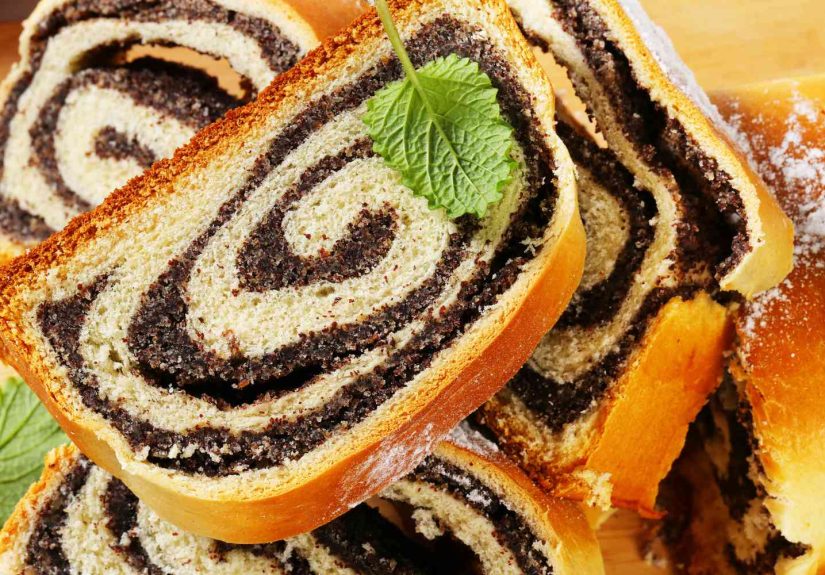
- Rolled into sweet poppy seed rolls (makový závin or makovec)
- Scooped into the centers of koláče (round sweet buns)
- Layered in coffee cakes, braids, and holiday breads
Unlike canned fillings, a homemade Czech-style version gives you control over
sweetness, texture, and aroma. You can make it smoother or chunkier, more citrus
or more vanilla, a little boozy or family-friendlywhatever fits your table.
Key Ingredients for Traditional Kolache Poppy Seed Filling
Every baker has their own family twist, but most classic Czech poppy seed
fillings share a core group of ingredients:
Poppy Seeds
Whole blue or black poppy seeds are the base. For the best flavor and texture,
you’ll grind them before cooking. Grinding releases their oils and gives the
filling a smooth, cohesive structure instead of a crunchy, sandy one.
Suggested amount for one large roll or a pan of kolache:
- 2 cups whole poppy seeds (about 260–280 g), ground after measuring
Milk
Milk softens the ground seeds and transforms them into a velvety paste. Whole
milk gives the richest flavor, but 2% works too.
Typical amount:
- 1 cup (240 ml) milk for 2 cups of poppy seeds
Sugar and Sweeteners
Granulated sugar is standard, but many Czech and Central European recipes add
jam, honey, or both for extra depth and moisture.
- 1/2 cup granulated sugar
- 1/3 cup thick jam (apricot or plum are classic)
- Optional: 1–2 tablespoons honey for floral sweetness
Flavor Boosters
This is where the filling becomes unforgettable:
- 1/2 tablespoon freshly grated lemon zest
- 1 teaspoon vanilla extract
- 1/2 teaspoon ground cinnamon (optional but highly recommended)
- 1–2 tablespoons dark rum (optional, but very traditional for adults)
- Pinch of salt to balance the sweetness
You can also add a handful of finely chopped nuts or raisins if you like a bit
of texture in your kolache filling.
Classic Czech Poppy Seed Sweet Roll (Kolace) Filling Recipe
Here’s a detailed, easy-to-follow recipe that gives you enough filling for
one large poppy seed roll or roughly 20–24 small kolache.
Ingredients
- 2 cups whole poppy seeds
- 1 cup (240 ml) whole milk
- 1/2 cup granulated sugar
- 1/3 cup thick jam (apricot or plum work beautifully)
- 1/2 tablespoon fresh lemon zest
- 1 teaspoon vanilla extract
- 1/2 teaspoon ground cinnamon (optional)
- 1–2 tablespoons dark rum (optional)
- 1 pinch salt
Equipment
- Small food processor, spice grinder, or coffee grinder (dedicated to spices)
- Medium heavy-bottomed saucepan
- Wooden spoon or silicone spatula
- Heatproof bowl for cooling
Step-by-Step Instructions
1. Grind the poppy seeds
Add the whole poppy seeds to a clean coffee grinder or spice grinder in small
batches. Pulse until the seeds look slightly sticky and broken down, almost
sandy but not dusty. They should smell strongly nutty and fragrant.
If you’re using a small grinder, resist the urge to overload it; grinding in
batches keeps the texture even and prevents overheating.
2. Combine poppy seeds and milk
In a medium saucepan, stir together the ground poppy seeds and the milk. Let
them sit for 5–10 minutes off the heat so the seeds start to hydrate. This
helps them soften more quickly once you begin cooking.
3. Cook the base filling
Place the saucepan over medium heat. Stir constantly as the mixture warms up;
it will thicken gradually. Once it reaches a gentle simmer, reduce the heat to
low. You don’t want a rolling boil herejust a gentle bubble.
Cook for about 5–10 minutes, stirring often to prevent the milk and seeds from
sticking to the bottom. The mixture should become thick and porridge-like.
4. Add sugar, jam, and flavorings
When the base is thick, stir in the sugar, jam, lemon zest, vanilla, cinnamon
(if using), and a pinch of salt. Cook another 3–5 minutes, stirring constantly,
until the sugar dissolves and the filling is glossy and thick.
If using rum, remove the pan from the heat, let the filling cool for a couple
of minutes, then stir in the rum. This keeps more of the aroma without boiling
it off completely.
5. Adjust thickness
At this point, the filling should be thick enough to hold its shape on a spoon
and not run off. As a rule of thumb:
- If it’s too thick and clumpy, add 1–2 tablespoons of milk and stir over low heat.
- If it’s too runny, cook a few minutes longer, stirring, until it thickens.
Remember, the filling will thicken more as it cools, so stop cooking when it’s
just slightly looser than you’d like it in the final pastry.
6. Cool completely before using
Transfer the poppy seed filling to a heatproof bowl, press plastic wrap directly
onto the surface to prevent a skin from forming, and let it cool to room
temperature. You can chill it in the fridge to speed things up, but don’t use
it while it’s hotit can melt the butter in your dough and ruin the structure
of your kolache or roll.
How to Use Poppy Seed Filling in Kolache and Sweet Rolls
Once your filling is cool and spreadable, you can deploy it in several delicious
ways:
For Czech Poppy Seed Sweet Rolls (Makový Závin)
- Roll out a sweet yeast dough into a rectangle about 1/4 inch thick.
- Spread a generous layer of poppy seed filling over the dough, leaving a small border on all sides.
- Roll the dough up tightly from the long edge into a log, pinching the seam closed.
- Place seam-side down in a greased pan, let rise, then bake until golden.
- Cool and dust with powdered sugar or drizzle with a light lemon glaze.
For Koláče (Individual Kolache)
- Shape your yeast dough into small rounds and let them rise.
- Use your fingers or the bottom of a glass to press a well in the center of each round.
- Fill each indentation with a spoonful of poppy seed filling.
- Top with a streusel crumb (called posypka or posipka) if you like.
- Bake until the dough is golden and the filling is set.
This same filling works beautifully in coffee cakes, braided breads, and even
as a layer in sweet buns or babka-style loaves.
Texture, Flavor, and Sweetness: How to Customize Your Filling
One of the joys of homemade poppy seed filling is that you can tweak it to match
your taste (and your family’s memories).
For a smoother filling
- Grind the poppy seeds very finely.
- Cook with an extra splash of milk (up to 1/4 cup more), then simmer longer.
- Use jam without chunks or strain out any large fruit pieces.
For a chunkier, rustic filling
- Grind the seeds just enough to break them up but not to a paste.
- Add chopped nuts or raisins in the last few minutes of cooking.
Adjusting sweetness
If you prefer a less sweet filling, start with 1/3 cup sugar and taste after
cooking. You can always stir in a little more sugar or honey while the mixture
is still warm. Keep in mind that sweet dough and powdered sugar topping will
add more sweetness, so it’s okay if the filling tastes just moderately sweet on
its own.
Flavor variations
- Add orange zest instead of lemon for a warmer citrus note.
- Use almond extract (1/4 teaspoon) in place of or alongside vanilla.
- Swap rum for brandy or omit the alcohol entirely.
Storing and Reheating Poppy Seed Filling
Poppy seeds are high in natural oils, which is great for flavor but means they
can go rancid if stored improperly. Use fresh-smelling seeds (they should smell
nutty, not bitter or paint-like), and treat the finished filling the way you’d
treat a dairy-based sauce.
Short-term storage
- Cool completely, then store in an airtight container in the refrigerator.
- Use within 3–4 days for best flavor and food safety.
Freezing
- Portion the cooled filling into freezer-safe containers or bags.
- Label and freeze for up to 2–3 months.
- Thaw overnight in the fridge, then stir well before using.
Reheating
If the chilled filling is too stiff to spread, warm it gently in a saucepan
over low heat with a tablespoon or two of milk, stirring just until smooth.
Don’t boil it againjust loosen it enough to spread.
FAQ About Czech Poppy Seed Sweet Roll (Kolace) Filling
Do I have to grind the poppy seeds?
Technically, noyour filling will still bake. But grinding dramatically improves
the texture and flavor. Whole seeds can taste flat and gritty, while ground
seeds release more aroma and bind into a smooth paste.
Can I use canned poppy seed filling instead?
You can, but canned fillings are often sweeter and thicker, sometimes with
added starches. If using canned filling, you can stir in a bit of lemon zest,
vanilla, or rum to give it a more homemade Czech character. You may also need
to loosen it with a splash of milk to make it spreadable.
What if I don’t want to use alcohol?
Simply skip the rum. The filling is still delicious with vanilla, lemon, and
cinnamon alone. If you like a more complex flavor, you can add a little extra
vanilla or another warm spice like nutmeg.
Can I make the filling in advance?
Absolutely. Making the filling a day ahead can actually improve the flavor as
the spices and citrus meld. Just cool it, store it in the fridge, then bring
it closer to room temperature before spreading it on your dough.
Experiences and Tips from the (Imaginary) Czech Grandma’s Kitchen
Learning to make poppy seed filling is one of those “it looked easy in the
recipe” momentsuntil you’re standing over the stove wondering if this thick,
bubbling mixture is supposed to look like lava or oatmeal. Over time, bakers
figure out a rhythm, and a few small habits can turn this from stressful to
second nature.
The first big lesson most people learn is not to skimp on grinding the poppy
seeds. The difference between lightly cracked seeds and properly ground ones is
huge. With barely cracked seeds, the filling can feel like crunchy sand mixed
into pudding. Once you really grind them, though, the mixture becomes silky and
spreads like a luxurious nut butter. Many home bakers treat this step like
grinding coffee: small batches, short pulses, and a quick sniff test to make
sure nothing smells burnt.
Another common experience: underestimating how quickly the filling thickens.
One minute it looks too liquid, the next minute it’s so thick your spoon stands
straight up. The trick is to watch the mixture closely once it starts simmering.
When you can drag your spoon across the bottom of the pan and see the bottom
for a second or two before the filling flows back, you’re in the sweet spot.
If it gets thicker than that, don’t panicjust stir in a tablespoon of milk at
a time until it loosens up.
Many families have “filling debates” that sound surprisingly dramatic for a
pastry topic. One person loves extra lemon zest; another insists that too much
citrus makes it taste “like dessert toothpaste.” Some swear by adding raisins,
while others say raisins in poppy seed rolls are a culinary betrayal. These
debates might sound funny, but they highlight the flexibility of the recipe.
Your own “perfect” filling will probably be a reflection of who you’re baking
forand what you grew up eating (or wish you grew up eating).
Poppy seed filling also has a unique way of turning into a seasonal ritual.
In many Central European families, it’s tied to holidaysChristmas, Easter,
or big celebrations. The smell of milk, sugar, and poppy seeds simmering on
the stove becomes shorthand for “something special is happening.” Even if you
didn’t grow up in a Czech household, you might find that once you’ve made this
filling a couple of times, it becomes part of your own tradition: the thing you
make when friends are coming over, or when you need an impressive but cozy
brunch centerpiece.
One practical tip from experienced bakers: plan your timing so the filling and
dough are ready at compatible stages. If you start the dough first and then
get distracted while making the filling, you might find your dough has overproofed
while you fuss with the stovetop. Many bakers actually do the opposite: make
the filling first, let it cool, then mix and proof the dough. That way, when
the dough is ready to roll out, the filling is also ready to spreadno waiting,
no scrambling.
Finally, don’t stress about making your kolache or poppy seed rolls look like
a bakery display from the start. The first few may split a little, or the
filling might sneak out one side. That’s normal. The dough and filling are both
forgiving, and even a slightly messy slice tastes phenomenal next to a cup of
coffee or tea. Over time, you’ll find your own favorite dough recipe, your
preferred amount of filling, and your ideal level of sweetness. When someone
takes a bite, raises their eyebrows, and says, “Wow, what is in this
filling?”you’ll know you’ve got it just right.
Whether you’re baking to honor Czech roots or simply exploring new flavors,
mastering this Czech poppy seed sweet roll (kolace) filling recipe is a skill
that pays off again and again. It’s the kind of recipe that turns simple flour
and yeast into something that feels like a celebrationeven on an ordinary
afternoon.