Table of Contents >> Show >> Hide
- What Is Balsamic Chicken Caprese?
- Why This Recipe Works (Even If Your Last Chicken Was “A Little Dry”)
- Ingredients You’ll Need
- Best Balsamic Chicken Caprese Recipe
- How To Make Homemade Balsamic Glaze (Optional, But Worth It)
- Chicken Doneness: The Simple Rule That Saves Dinner
- Chef-Level Tips (No Chef Hat Required)
- Easy Variations (Same Idea, Different Vibes)
- What To Serve With Balsamic Chicken Caprese
- Make-Ahead, Storage, and Reheating
- FAQ
- Kitchen Stories & Real-World Experiences (The Stuff Recipes Don’t Always Tell You)
- Conclusion
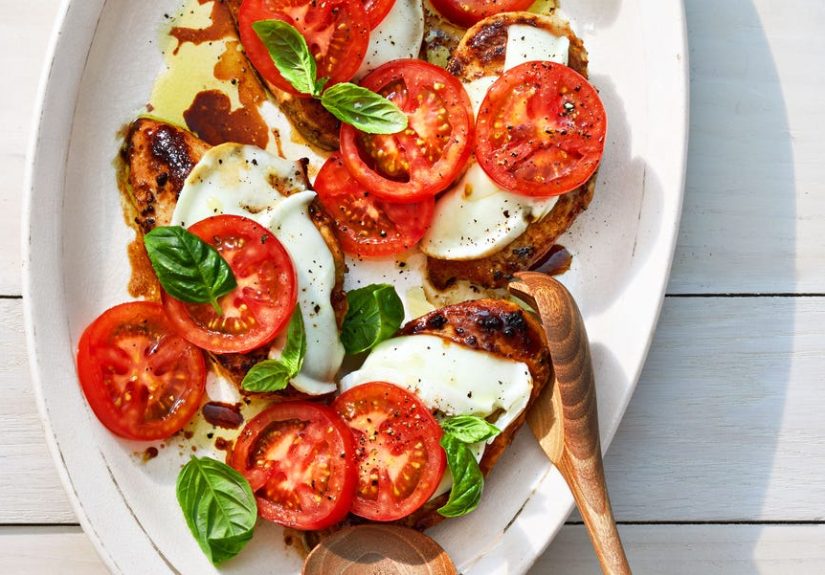
If Caprese salad is the summer hit song (tomatoes! mozzarella! basil!), then balsamic chicken Caprese is the deluxe remix with better bass and a standing ovation at the end. You get juicy chicken, melty mozzarella, bursty tomatoes, and a glossy balsamic drizzle that makes the whole pan look like it belongs on a restaurant menu even if you’re cooking in sweatpants and your “playlist” is the dishwasher.
This recipe is designed for real life: one pan, weeknight-friendly, and packed with the sweet-tangy, Italian-inspired flavors people crave when they Google balsamic chicken Caprese. You’ll also get smart techniques (without a lecture) so the chicken stays tender, the cheese melts like a dream, and the balsamic doesn’t turn into a burnt science experiment.
What Is Balsamic Chicken Caprese?
Classic Caprese is a simple Italian salad: fresh tomatoes, mozzarella, basil, olive oil, and often a splash of balsamic. In this Caprese chicken version, we take those same flavors and layer them on seared chicken breasts (or thighs), then finish with a balsamic glaze for that sweet, sticky, “wow” factor. Think: cozy comfort food that still tastes fresh and bright.
Why This Recipe Works (Even If Your Last Chicken Was “A Little Dry”)
- Even-thickness chicken cooks more evenly (no dry edges, no raw middle panic).
- High-heat sear builds flavor fast, then gentle finishing heat keeps it juicy.
- Tomatoes go in late so they stay bright and jammy, not sad and watery.
- Basil goes on last because cooked basil tastes like regret.
- Optional quick balsamic reduction delivers restaurant-style gloss with minimal effort.
Ingredients You’ll Need
For the chicken
- 4 boneless, skinless chicken breasts (or 6 small cutlets)
- 1 to 2 tablespoons olive oil
- 1 teaspoon kosher salt (plus more to taste)
- 1/2 teaspoon black pepper
- 1 teaspoon Italian seasoning (or a mix of oregano + thyme)
- 2 cloves garlic, minced
For the Caprese topping
- 2 cups cherry or grape tomatoes, halved
- 8 ounces fresh mozzarella (sliced or torn; pearls work too)
- 1/3 cup fresh basil leaves, torn
For the balsamic finish (choose one)
- Option A (fast): 1/3 cup store-bought balsamic glaze
- Option B (homemade): 1 cup balsamic vinegar (plus 1 to 2 teaspoons honey or brown sugar, optional)
Nice extras (highly recommended, not legally required)
- 1 tablespoon pesto (stir into tomatoes or dot over the top)
- Red pepper flakes (for a tiny kick)
- 1 tablespoon butter (for finishing the pan sauce)
Best Balsamic Chicken Caprese Recipe
Servings: 4 | Time: ~30–35 minutes | Skill: Weeknight hero
Step 1: Make the chicken cook evenly (tiny step, huge payoff)
Pat the chicken dry. If the breasts are thick on one end and thin on the other (a very common chicken situation), either butterfly them or gently pound to an even thickness (about 1/2 to 3/4 inch). This is the easiest way to avoid “dry outside, undercooked center.”
Step 2: Season like you mean it
Season both sides with salt, pepper, and Italian seasoning. If you have 15 minutes, let it sit while you prep the tomatoes and cheese. That quick rest helps the seasoning sink in.
Step 3: Sear the chicken
- Heat a large skillet (12-inch is ideal) over medium-high heat.
- Add olive oil.
- Sear chicken 4–6 minutes on the first side until golden brown.
- Flip and cook 3–5 minutes more (time depends on thickness).
You’re building flavor here. Golden brown bits on the pan are not “burnt,” they’re future sauce.
Step 4: Add garlic + tomatoes (but don’t drown the pan)
Reduce heat to medium. Push chicken to one side, add garlic, and stir for 20–30 seconds until fragrant. Add the halved tomatoes and a pinch of salt. Cook 2–3 minutes until they start to soften and look glossy.
Step 5: Add mozzarella and melt it like a pro
Nestle the chicken back into the tomatoes. Top each piece with mozzarella. Cover the skillet for 2–3 minutes until the cheese melts. If your skillet is oven-safe, you can also pop it under the broiler for 1–2 minutes for extra bubbly, lightly browned mozzarella (watch closelybroilers are chaotic by nature).
Step 6: Balsamic drizzle time
Drizzle with balsamic glaze right before serving. Start with a little; you can always add more. (Balsamic glaze is like perfume: powerful, delightful, and best applied with restraint.)
Step 7: Basil on topalways
Remove the skillet from heat. Scatter torn basil over everything. Finish with black pepper and, if you’re feeling fancy, a tiny drizzle of good olive oil.
How To Make Homemade Balsamic Glaze (Optional, But Worth It)
If you don’t have store-bought glaze, you can make a quick balsamic reduction while the chicken cooks. Pour 1 cup balsamic vinegar into a small saucepan. Simmer over medium heat until reduced by about half and syrupy, 8–12 minutes. Taste. If you want it slightly sweeter, whisk in 1–2 teaspoons honey or brown sugar. Cool for a minuteit thickens as it stands.
Tip: Don’t walk away and start reorganizing your spice drawer. Balsamic reduction goes from “not thick yet” to “glue” faster than you’d think.
Chicken Doneness: The Simple Rule That Saves Dinner
The safest, most reliable way to nail juicy chicken is to use a thermometer. For food safety, chicken should reach 165°F at the thickest part. If you want extra tenderness, you can stop the heat a touch early and let carryover cooking finish the jobjust make sure the chicken reaches that safe temperature before serving.
Chef-Level Tips (No Chef Hat Required)
1) Cutlets are your secret weapon
Chicken cutlets cook fast and evenlyperfect for balsamic chicken Caprese because you spend less time cooking and more time eating.
2) Don’t add balsamic too early
Balsamic (especially glaze) can burn if cooked hard in the pan. Add it at the end or use a gentle simmer if you’re reducing vinegar. This keeps the flavor sweet-tangy instead of bitter.
3) Basil is fragile (treat it like a celebrity guest)
Add basil after cooking so it stays bright and aromatic. If you cook it down, you lose that fresh Caprese vibe.
4) Want extra “Caprese energy”? Add pesto
A spoonful of pesto stirred into the tomatoes or dotted over the melted mozzarella adds garlicky, herby depth without extra work.
Easy Variations (Same Idea, Different Vibes)
Baked one-pan balsamic chicken Caprese
Put seasoned chicken in a baking dish, add tomatoes around it, bake at 400°F until cooked through, top with mozzarella, melt, then finish with balsamic glaze and basil. Great for hands-off cooking and easy cleanup.
Grilled Caprese chicken
Grill chicken breasts or thighs, then top with mozzarella and close the lid to melt. Toss tomatoes with olive oil, salt, and a touch of balsamic, and spoon over the top. Finish with basil.
Thighs instead of breasts
Chicken thighs stay naturally juicier and are more forgiving. Just adjust cook timethey may need a bit longer depending on size.
Low-carb / keto-friendly
Serve with zucchini noodles, cauliflower mash, or a big arugula salad. Choose a balsamic glaze without added sugar, or reduce vinegar without sweeteners.
What To Serve With Balsamic Chicken Caprese
- Garlic bread or crusty bread: for soaking up the tomato-y pan juices.
- Pasta or gnocchi: especially if you add a spoonful of pesto.
- Roasted vegetables: asparagus, zucchini, or broccoli are all great here.
- Simple salad: arugula + lemon + olive oil keeps the meal bright and balanced.
Make-Ahead, Storage, and Reheating
Make-ahead
You can prep the chicken (trim, flatten, season) up to a day ahead and store it covered in the fridge. You can also halve the tomatoes and slice mozzarella in advance.
Storage
Store leftovers in an airtight container in the refrigerator and enjoy within 3–4 days for best quality. Keep basil separate if possible so it stays fresh.
Reheating
Reheat gently in a skillet over medium-low heat with a splash of water, or microwave in short bursts. For food safety, reheat until hot throughout. Add fresh basil and a new drizzle of balsamic glaze after reheating to revive the flavors.
FAQ
Can I use regular balsamic vinegar instead of glaze?
Yeseither reduce it into a glaze (best), or drizzle a small amount at the end. Straight vinegar is sharper and thinner, so it won’t give the same sweet, glossy finish.
Fresh mozzarella or shredded?
Fresh mozzarella gives that classic Caprese texture and melt. Shredded works in a pinch, but it’s usually saltier and less creamy. If you want “restaurant” vibes, go fresh.
What tomatoes are best?
Cherry or grape tomatoes are consistently sweet and hold their shape. If you’re using larger tomatoes, chop them and add them near the end so they don’t break down too much.
How do I keep chicken from drying out?
Flatten to even thickness, use a thermometer, and don’t overcook. Also, don’t forget that covered time (melting the cheese) continues cooking the chickenso plan for it.
Kitchen Stories & Real-World Experiences (The Stuff Recipes Don’t Always Tell You)
Here’s something that happens in a lot of kitchens: you set out to make a “simple” one-pan dinner, and suddenly you’re negotiating with a skillet, a timer, and a mozzarella ball that refuses to slice cleanly. Balsamic chicken Caprese is absolutely weeknight-friendly, but it has a few “aha” moments that make it go from good to why did I not make this sooner?
First, the chicken thickness situation is real. Many home cooks notice that chicken breasts can be wildly uneven like one end is ready for a quick sear and the other end is basically a small roast. The first time you flatten or butterfly them, it feels like extra work… until you realize your chicken cooks evenly and stays juicy without you hovering like a worried lifeguard. The best “experience upgrade” is how relaxed you feel when the cook time becomes predictable. No more guessing. No more cutting into the thickest piece and realizing you’ve created a “chicken canyon” that’s still raw inside.
Second, balsamic glaze has a personality. If you’ve ever poured it with confidence and watched it come out faster than expected (hello, accidental abstract art), you learn quickly: drizzle with intention. A light zigzag is usually perfect, because the glaze is sweet and intense. People often report that the dish tastes more balanced when they treat the glaze as a finishing accent, not a sauce you drown everything in. If you want more moisture, it’s better to add a splash of chicken broth to the pan while the tomatoes cook, then use balsamic glaze on top for brightness.
Another common moment: the mozzarella melt. Fresh mozzarella melts beautifully, but it can also release a little moisture depending on the brand. A simple trick many cooks like is patting slices with a paper towel before topping the chicken. It sounds fussy, but it takes ten seconds and helps prevent the “cheese puddle.” Also, covering the pan is magic. You’ll feel like you discovered a cooking cheat code when the cheese goes from “stubborn” to “luxurious blanket” in two minutes.
Tomatoes are the other ingredient that teaches you timing. Toss them in too early and they can collapse into watery sauce before the chicken is done. Add them later and you get that perfect in-between state: softened, glossy, a little jammy, and still bright. It’s a small detail, but it changes how the whole dish eatsmore Caprese, less “tomato soup had a meeting with chicken.”
And then there’s basilthe herb with the shortest attention span on earth. Basil is best when it hits the dish at the last second, right when everything is hot and ready. It perfumes the whole skillet and makes the meal taste fresher than it has any right to taste. If you’ve ever added basil too early and ended up with dark, wilted leaves that look like they had a rough day, you learn the lesson fast: basil is a finisher. Always.
Finally, this recipe is a social butterfly. People often end up making it for company because it looks impressive (melted mozzarella! shiny balsamic drizzle!) but doesn’t require complicated steps. It’s the kind of dinner that makes guests think you spent all afternoon cookingwhen really you just mastered the art of searing chicken and letting cheese do its thing. Pair it with a salad and bread, and it feels like a full, restaurant-style meal. Pair it with pasta and pesto, and it becomes comfort food with a summer glow-up. Either way, the experience is the same: you take a bite, the balsamic hits the tomato and mozzarella, and you quietly decide you’re making it again next week.
Conclusion
Balsamic chicken Caprese is the sweet spot between “fresh and light” and “cozy and satisfying.” With a quick sear, a bright tomato topping, melty mozzarella, and a final balsamic drizzle, you get a dinner that tastes like summereven if it’s Tuesday and you’re running on caffeine and ambition. Keep the timing simple (tomatoes late, basil last, glaze at the finish), use a thermometer for confidence, and you’ll have a reliable, repeat-worthy meal that feels special without being stressful.