Table of Contents >> Show >> Hide
- What Is Holy Basil?
- 1. Holy Basil May Help the Body Manage Stress
- 2. Holy Basil May Support Healthy Blood Sugar Balance
- 3. Holy Basil May Promote Heart-Friendly Cholesterol and Blood Pressure
- 4. Holy Basil Provides Antioxidant and Anti-Inflammatory Compounds
- 5. Holy Basil May Support Immune and Respiratory Health
- How to Use Holy Basil Safely
- Holy Basil Tea: A Simple Daily Routine
- Everyday Experiences With Holy Basil
- Conclusion
- SEO Tags
Holy basil sounds like the sort of herb that should arrive wearing a tiny robe and carrying a wellness clipboard. But behind the dramatic name is a real plant with a long history, a peppery-clove flavor, and a growing body of research that makes it more than just another pretty leaf in the herb aisle.
Also known as tulsi or Ocimum tenuiflorum, holy basil has been used for centuries in Ayurveda, the traditional medical system of India. It is not the same basil you toss into pesto, although they are botanical cousins. Sweet basil is the life of the pasta party. Holy basil is more like the calm friend who brings tea, checks your stress level, and reminds you to breathe before answering emails.
Modern interest in holy basil health benefits has grown because the plant contains natural compounds such as eugenol, rosmarinic acid, ursolic acid, linalool, and other polyphenols. These compounds are believed to contribute to its antioxidant, anti-inflammatory, adaptogenic, and metabolic effects. However, holy basil is not a miracle cure, and it should not replace medical treatment. Human research is promising but still limited, and many studies are small or short-term.
With that said, holy basil may be a smart addition to a balanced wellness routine, especially when used as tea, fresh leaves, or a carefully chosen supplement. Below are five potential health benefits of holy basil, explained in plain English, with practical examples and a realistic look at what this herb can and cannot do.
What Is Holy Basil?
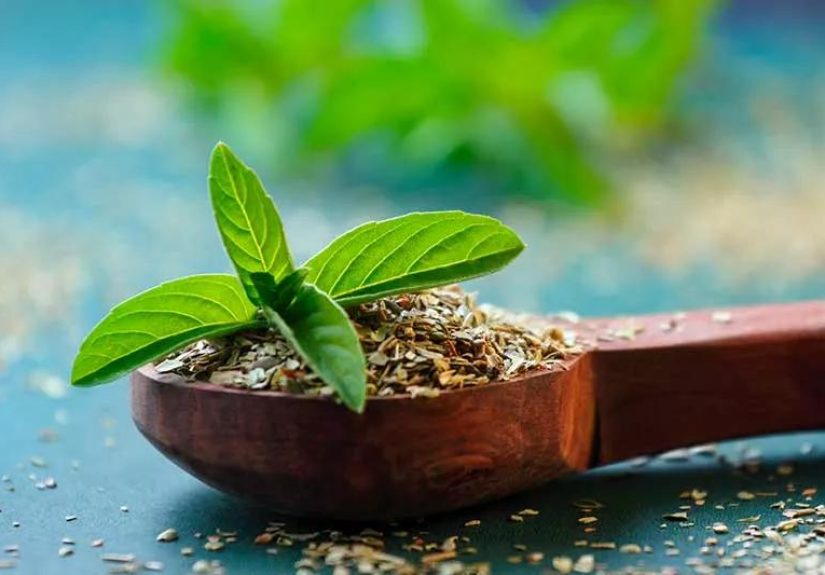
Holy basil is an aromatic plant in the mint family. It is native to parts of Asia and is widely associated with Indian culture, spirituality, and traditional medicine. The leaves can be green or purple, and the taste is usually stronger, spicier, and more peppery than common culinary basil. Many people describe it as a mix of clove, mint, lemon, and basil with a little attitude.
You may see holy basil sold as tulsi tea, dried leaves, capsules, powders, tinctures, or extracts. The tea is one of the most popular forms because it is easy to prepare and generally gentler than concentrated supplements. Fresh holy basil can also be used in cooking, though its bold flavor may surprise anyone expecting a soft Italian-basil vibe.
In wellness circles, holy basil is often called an adaptogen. Adaptogens are plants believed to help the body respond more steadily to physical, emotional, and environmental stress. That does not mean they make you immune to bills, deadlines, traffic, or group chats that never end. It simply means they may support the body’s natural stress-response systems.
1. Holy Basil May Help the Body Manage Stress
One of the best-known holy basil benefits is stress support. Holy basil has traditionally been used to promote calm, mental balance, and resilience. Modern studies suggest it may help reduce perceived stress, support mood, and improve some stress-related symptoms such as fatigue and sleep disturbance.
Stress is not only a feeling. It affects hormones, blood pressure, digestion, sleep, appetite, and immune function. When stress becomes chronic, the body may stay in a “high alert” mode for too long. Holy basil appears to work partly through its adaptogenic activity, meaning it may help the body maintain balance when stressors pile up.
How It May Work
Holy basil contains plant compounds that may influence inflammation, oxidative stress, and neurotransmitter activity. Some research suggests it may interact with pathways involved in calmness and stress regulation. In an eight-week clinical trial, adults experiencing stress who took a specific holy basil extract showed improvements in stress measures and subjective sleep quality. More research is needed, but the findings are encouraging.
For everyday use, holy basil tea may be a practical ritual. A warm cup in the afternoon or evening can create a pause in the day. That pause matters. Even if the herb is only part of the effect, the habit of slowing down, breathing, and drinking something caffeine-free can support a calmer routine.
Practical Example
Imagine the classic 3 p.m. slump: your inbox is multiplying, your brain has opened 37 tabs, and your snack choices are becoming suspiciously cookie-focused. Instead of grabbing another coffee, a cup of tulsi tea may offer a gentler reset. It will not answer your emails, unfortunately, but it may help you approach them with less internal thunder.
2. Holy Basil May Support Healthy Blood Sugar Balance
Another area of interest is blood sugar. Some human studies suggest holy basil may help lower fasting blood glucose, particularly in people with metabolic concerns. This does not mean holy basil treats diabetes or replaces medication. It means the herb may offer modest support as part of a broader plan that includes nutrition, movement, sleep, and medical care.
Blood sugar balance is important because frequent spikes and crashes can affect energy, hunger, mood, and long-term metabolic health. A balanced meal pattern with protein, fiber, healthy fats, and minimally processed carbohydrates remains the foundation. Holy basil may be a supportive extra, not the main event.
Why Blood Sugar Matters
When blood glucose rises too often or stays elevated, the body may struggle to use insulin effectively. Over time, this can increase the risk of prediabetes, type 2 diabetes, and related health concerns. Herbs with antioxidant and anti-inflammatory properties are being studied because oxidative stress and inflammation are closely linked with metabolic health.
Holy basil’s potential blood-sugar benefits may come from several actions at once. It may help reduce oxidative stress, support insulin function, and influence how the body processes glucose. However, research quality varies, and people taking diabetes medication should be careful because combining blood-sugar-lowering herbs with medication could increase the risk of hypoglycemia.
Practical Example
A person trying to improve metabolic health might drink unsweetened tulsi tea after dinner instead of a sugary drink. That switch alone can reduce added sugar intake. The holy basil may add potential metabolic support, while the beverage swap does the very practical job of removing liquid sugar from the evening routine. Teamwork: the least dramatic wellness strategy, and often the most useful.
3. Holy Basil May Promote Heart-Friendly Cholesterol and Blood Pressure
Holy basil may also support heart health by influencing cholesterol, blood pressure, and inflammation. Some studies have reported improvements in total cholesterol, LDL cholesterol, VLDL cholesterol, and blood pressure markers, especially in people with metabolic disease. Again, the evidence is not strong enough to treat holy basil like a prescription. It is best viewed as a possible supporting player.
Heart health depends on many habits working together: eating more plants, getting enough fiber, moving regularly, sleeping well, managing stress, avoiding smoking, and following medical advice when needed. Holy basil may fit into this picture because it contains antioxidants and compounds that may help reduce metabolic stress.
Cholesterol Support
LDL cholesterol is often called “bad” cholesterol because high levels may contribute to plaque buildup in arteries. VLDL cholesterol is also associated with triglyceride transport and cardiovascular risk. Some research suggests tulsi supplementation may help improve certain lipid markers in older adults with metabolic issues.
This does not mean a cup of tulsi tea gives you permission to build a diet around fried food and optimism. But as part of a heart-conscious lifestyle, holy basil may be one of many small habits that nudge health in the right direction.
Blood Pressure Support
Stress, inflammation, sodium intake, body weight, sleep quality, and physical activity all influence blood pressure. Since holy basil may support stress response and inflammation, researchers are interested in its possible role in cardiovascular wellness. People already taking blood pressure medication should speak with a healthcare professional before using concentrated holy basil supplements, because additive effects are possible.
4. Holy Basil Provides Antioxidant and Anti-Inflammatory Compounds
Holy basil is rich in bioactive plant compounds that may help protect cells from oxidative stress. Oxidative stress happens when the body has more free radicals than it can neutralize. This process is normal in small amounts, but excess oxidative stress is linked with aging, inflammation, and many chronic health issues.
Antioxidants help neutralize free radicals. Holy basil contains compounds such as eugenol, rosmarinic acid, apigenin, and ursolic acid, which have been studied for antioxidant and anti-inflammatory properties. These compounds may help explain why holy basil has been traditionally used for such a wide range of wellness concerns.
Inflammation: Helpful Until It Overstays
Inflammation is not always bad. It is part of the body’s natural defense and repair system. If you cut your finger, inflammation helps protect and heal the area. The problem is chronic, low-grade inflammation, which can quietly contribute to joint discomfort, metabolic stress, and other health challenges.
Holy basil may help modulate inflammatory pathways, though more human trials are needed. Its anti-inflammatory potential is one reason it appears in discussions about joint comfort, immune support, metabolic health, and respiratory wellness.
Practical Example
Think of antioxidants like the cleanup crew after a busy event. They do not stop life from making a mess, but they help restore order. A diet full of colorful fruits, vegetables, herbs, spices, nuts, and legumes provides a wide range of antioxidant compounds. Holy basil can be one flavorful member of that larger plant-powered crew.
5. Holy Basil May Support Immune and Respiratory Health
Holy basil has long been used in traditional wellness practices for coughs, colds, and respiratory comfort. Modern research suggests it may influence immune response and inflammation, which could partly explain this traditional use. Some small studies have found effects related to immune activity and respiratory function, though larger studies are still needed.
The immune system is not a simple on/off switch. A healthy immune response needs balance. Too weak, and the body may struggle to defend itself. Too aggressive, and inflammation can become a problem. Holy basil’s antioxidant and anti-inflammatory compounds may help support this balance.
Respiratory Comfort
Holy basil’s aromatic compounds may make tulsi tea feel soothing when you are congested or dealing with seasonal irritation. Warm fluids can also help comfort the throat and support hydration. While holy basil should not replace asthma medications, allergy care, or treatment for infections, it may be a pleasant addition to a respiratory-support routine for some people.
Immune Support
Some studies suggest holy basil may improve certain immune responses, including responses related to viral infections. However, it should not be marketed as a guaranteed immune shield. No herb can replace handwashing, vaccination when appropriate, sleep, nutrient-rich food, and medical care. Holy basil is helpful in the “support” category, not the “superhero cape” category.
How to Use Holy Basil Safely
Holy basil can be used in several forms, but not all forms are equal. Tea and fresh leaves are generally the easiest place to start. Supplements and extracts are more concentrated, which means they may have stronger effects and a higher chance of interactions.
Common Ways to Take Holy Basil
- Tulsi tea: Steep dried holy basil leaves or a tea bag in hot water for about 5 to 10 minutes.
- Fresh leaves: Add small amounts to soups, stir-fries, salads, or herbal drinks.
- Powder: Mix into smoothies or warm drinks, following package instructions.
- Capsules or extracts: Use only according to label directions and preferably after speaking with a healthcare professional.
Who Should Be Careful?
Holy basil may lower blood sugar, affect blood pressure, and possibly influence bleeding risk. People taking diabetes medication, blood pressure medication, cholesterol medication, sedatives, blood thinners, or immune-related medications should ask a healthcare provider before using concentrated products. People who are pregnant, breastfeeding, trying to conceive, preparing for surgery, or managing thyroid issues should also use caution.
Side effects are usually mild when they occur, but nausea, diarrhea, or allergic reactions are possible. Anyone allergic to plants in the mint family should be especially careful. And because supplements are not regulated like prescription drugs in the United States, it is smart to choose products from reputable brands that use third-party testing.
Holy Basil Tea: A Simple Daily Routine
If you are curious about holy basil, tea is a friendly starting point. It is easy, affordable, and less intense than extracts. To make a basic cup, steep one tulsi tea bag or 1 to 2 teaspoons of dried holy basil in hot water. Let it sit for 5 to 10 minutes, then sip slowly. The flavor is earthy, spicy, lightly minty, and slightly bitter. A little lemon or honey can soften the edges.
For a caffeine-free evening drink, holy basil pairs well with ginger, cinnamon, chamomile, lemon balm, or rose hips. In the morning, it can be blended with green tea if you want a little caffeine. In cooking, fresh holy basil can brighten stir-fries, brothy soups, lentil dishes, and savory rice bowls.
Everyday Experiences With Holy Basil
People often discover holy basil in very ordinary ways. One person finds a box of tulsi tea at the grocery store while looking for something “healthy but not grassy.” Another buys a small holy basil plant at a farmers market because it smells amazing and looks like it has a personality. Someone else hears about it from a friend who uses it as part of an evening routine. Holy basil tends to enter life quietly, like a wellness guest who knocks politely instead of kicking down the door.
The most common experience is the tea ritual. You boil water, pour it over the leaves, and wait while the kitchen fills with a warm clove-like aroma. That waiting period matters. It forces a small pause. In a culture where many people treat rest like a suspicious activity, a five-minute tea steep can feel almost rebellious. You are not multitasking. You are not refreshing your inbox. You are watching leaves do their tiny botanical dance in hot water.
Some people say holy basil tea helps them feel calmer in the evening. This may come from the herb, the routine, or both. A warm caffeine-free drink can signal to the brain that the day is winding down. When paired with dim lights, fewer screens, and a consistent bedtime, tulsi tea can become part of a sleep-friendly rhythm. It is not a sleeping pill, and it should not be treated like one. But as a gentle ritual, it can help create the conditions for rest.
Others enjoy holy basil during stressful workdays. Instead of using coffee as the answer to every problem, they switch one afternoon cup to tulsi tea. The result may be steadier energy and fewer caffeine jitters. The taste is bold enough to feel satisfying, especially for people who dislike plain herbal teas that taste like warm lawn clippings. Holy basil has character. It shows up.
There is also the gardening experience. Growing holy basil at home can be surprisingly rewarding. The plant likes warmth, sunlight, and regular trimming. When you pinch off leaves, it releases a strong scent that makes the whole task feel therapeutic. Even people who have accidentally ended the lives of several houseplants may find holy basil forgiving if it gets enough sun and water. Fresh leaves can be used for tea, added to soups, or mixed into simple herbal blends.
For people focused on metabolic health, holy basil often works best as part of a bigger pattern. A cup of unsweetened tulsi tea after meals can replace sweet drinks. Fresh herbs can make healthy meals taste more exciting. A calming evening routine may support better sleep, and better sleep can support appetite regulation and blood sugar balance. In that way, holy basil may help indirectly by making healthy routines more enjoyable.
The key is to keep expectations realistic. Holy basil is not a magic eraser for stress, inflammation, high cholesterol, or blood sugar issues. It is a plant with promising properties, a long traditional history, and a pleasant role in daily wellness. Its real charm is that it can make healthy living feel less clinical and more human. A warm cup of tulsi tea will not solve every problem, but it can turn a rushed moment into a calmer one. Some days, that is already a small victory.
Conclusion
Holy basil, or tulsi, is a fascinating herb with a long traditional history and a growing body of scientific interest. Its potential benefits include stress support, better sleep quality, healthier blood sugar balance, improved cholesterol and blood pressure markers, antioxidant protection, reduced inflammation, and immune or respiratory support.
The most important word is “support.” Holy basil should not replace medical care, prescribed medication, or proven lifestyle habits. But when used wisely, especially as tea or fresh leaves, it can be a flavorful and calming addition to a health-conscious routine. Think of it as a helpful wellness sidekick: not the hero of the entire movie, but definitely useful in a few key scenes.
If you are considering holy basil supplements, speak with a healthcare professional first, especially if you take medications or have a health condition. For many people, starting with tulsi tea is the simplest and safest way to explore this ancient herb’s modern potential.