Table of Contents >> Show >> Hide
- What Is COPD (and what it isn’t)?
- What Causes COPD?
- Symptoms: The Clues Your Lungs Drop First
- How COPD Is Diagnosed
- Staging COPD: Severity Isn’t Just a Number
- COPD Treatment: The Real-World Playbook
- 1) The single most powerful step: stop smoking (if you smoke)
- 2) Inhalers and medications
- Inhaler technique: the “hidden lever” of success
- 3) Pulmonary rehabilitation: cardio training for your lungs (and your confidence)
- 4) Oxygen therapy (when needed)
- 5) Noninvasive ventilation and advanced therapies
- Vaccines: An Underrated COPD Superpower
- Managing COPD Flare-Ups (Exacerbations)
- Living Well With COPD: Daily Habits That Actually Help
- Prevention and Early Detection
- Experiences: What COPD Can Look Like in Real Life (500+ Words)
- Conclusion
If breathing had a “loading bar,” COPD is what makes it stall at 37%right when you’re trying to climb one flight
of stairs while holding groceries like you’re auditioning for a strong-person competition.
Chronic obstructive pulmonary disease (COPD) is common, serious, and (here’s the good news)
highly manageable with the right plan. This guide breaks down what COPD is, why it happens, how it’s diagnosed,
and what actually helpswithout the fluff, fear, or “just meditate your lungs into obedience” vibes.
Important note: This is educational information, not personal medical advice. If you’re having severe
trouble breathing, chest pain/pressure, confusion, blue/gray lips or fingertips, or you can’t speak in full
sentences, seek emergency care right away.
What Is COPD (and what it isn’t)?
COPD is a group of lung conditions that cause
persistent airflow limitationmeaning air has trouble moving out of the lungs, especially when
you exhale. COPD usually develops over years and can worsen over time, but treatment can reduce symptoms, prevent
flare-ups, and improve quality of life.
The two “main characters” of COPD
-
Chronic bronchitis: long-term inflammation of the airways, often with a chronic cough and mucus.
The classic definition involves cough with mucus for at least 3 months per year for 2 consecutive years. -
Emphysema: damage to the air sacs (alveoli), reducing the surface area where oxygen moves into
the blood. Think “less elastic lungs, less efficient gas exchange.”
Many people have a mix of both. COPD is also different from asthma, which typically has more
reversible airway narrowing. Some people have features of both conditions, and clinicians sort this out using
history, testing, and response to medications.
What Causes COPD?
COPD happens when the lungs and airways are repeatedly exposed to irritants that trigger chronic inflammation.
Over time, this can lead to airway scarring, thicker mucus, narrowed breathing tubes, and/or destruction of the
air sacs. In plain English: the plumbing gets tighter and the air balloons get less stretchy.
Common causes and risk factors
- Smoking: the leading cause in the U.S. (including long-term cigarette use).
- Secondhand smoke: not a harmless “background scent,” unfortunately.
-
Workplace exposures: dust, fumes, chemicals (construction, mining, manufacturing, and similar
environments). - Air pollution: especially long-term exposure.
-
Indoor biomass fuel exposure: smoke from cooking/heating in poorly ventilated spaces (more
common globally, but still relevant for some households). -
Genetics: particularly alpha-1 antitrypsin deficiency (AATD), an inherited
condition that can lead to emphysema (sometimes at younger ages).
One important truth: not everyone with COPD has a smoking history. If you have persistent
symptoms, you deserve a real evaluationno eye-roll “it’s just aging” dismissal.
Symptoms: The Clues Your Lungs Drop First
COPD often starts quietly. Many people chalk early symptoms up to “being out of shape” or “getting older,” which
is understandablebut it can delay diagnosis and treatment.
Common COPD symptoms
- Shortness of breath during everyday activities (walking, chores, stairs)
- Chronic cough (with or without mucus)
- Wheezing or “noisy breathing”
- Chest tightness
- Fatigue (breathing can become a full-time job)
- Frequent respiratory infections
Signs your COPD may be worsening (or a flare-up is starting)
- More coughing than usual
- More mucus, thicker mucus, or a noticeable color change
- More shortness of breath or reduced activity tolerance
- Worse sleep, more wheezing, or unusual fatigue
Flare-ups (also called exacerbations) matter because they can speed up lung function decline and
often lead to urgent visits or hospitalization. The goal is to catch them early and treat promptly.
How COPD Is Diagnosed
A proper COPD diagnosis is based on symptoms, risk factors/exposures, andmost importantlylung function testing.
You can’t reliably diagnose COPD from a chest X-ray alone, and you can’t “vibe check” airflow limitation.
Spirometry: the key test
Spirometry measures how much air you can blow out and how fast. COPD is typically confirmed when
airflow limitation persists after using a bronchodilator (a medication that opens the airways). A commonly used
criterion is a post-bronchodilator FEV1/FVC ratio less than 0.70, interpreted in the right
clinical context.
Other tests your clinician may use
- Pulse oximetry (oxygen level)
- Chest imaging (X-ray or CT) to assess emphysema and rule out other issues
- Blood tests (including checking for alpha-1 antitrypsin deficiency)
- Exercise testing (like a 6-minute walk test) to see how your oxygen levels respond to activity
- Arterial blood gas in some cases to measure oxygen and carbon dioxide more precisely
Don’t skip AATD testing
Clinical practice guidelines recommend that all individuals with COPD be tested for alpha-1 antitrypsin
deficiency, regardless of age or ethnicity. Why? Because identifying AATD can change management and has
implications for family members as well.
Staging COPD: Severity Isn’t Just a Number
COPD severity isn’t measured by one thing. Clinicians often look at:
spirometry results (how reduced airflow is), symptom burden (how you feel day to day),
and exacerbation history (how often you flare up and whether you’ve been hospitalized).
A quick, human-friendly way to understand the categories
- Airflow limitation: how narrowed the “airway pipes” are (spirometry numbers, like FEV1 % predicted).
- Symptoms: breathlessness, fatigue, activity limits (often assessed with questionnaires like CAT or mMRC).
- Risk: how many flare-ups you’ve had recently, especially those requiring ER care or hospitalization.
Two people can have similar spirometry numbers and feel very different. That’s why your personal experience
(symptoms, triggers, activity goals) matters in building a treatment plan.
COPD Treatment: The Real-World Playbook
COPD treatment has two big goals:
(1) help you breathe and function better, and (2) reduce flare-ups.
Most plans combine lifestyle steps, medications, vaccines, and structured rehab.
1) The single most powerful step: stop smoking (if you smoke)
Quitting smoking is the most effective way to slow COPD progression. It’s also hardbecause nicotine is an
overconfident little molecule with a strong résumé. Evidence-based options include nicotine replacement therapy,
prescription medications, counseling, and quitline support. Many people need multiple attempts; that’s normal, not failure.
2) Inhalers and medications
COPD medications are designed to open airways, reduce inflammation (in selected cases), and prevent flare-ups.
Common categories include:
-
Short-acting bronchodilators (rescue inhalers): quick relief for sudden symptoms.
Example: albuterol. -
Long-acting bronchodilators: daily controller meds that keep airways more open.
Two main types are LAMA and LABA; many people benefit from one or both. -
Inhaled corticosteroids (ICS): used for some patients, often those with frequent exacerbations
or features suggesting an inflammatory component. Not everyone needs ICS, and it can increase certain infection risks,
so clinicians individualize this choice. -
Other options (for selected patients): medications like roflumilast, or long-term antibiotics in
specific situationstypically guided by a specialist.
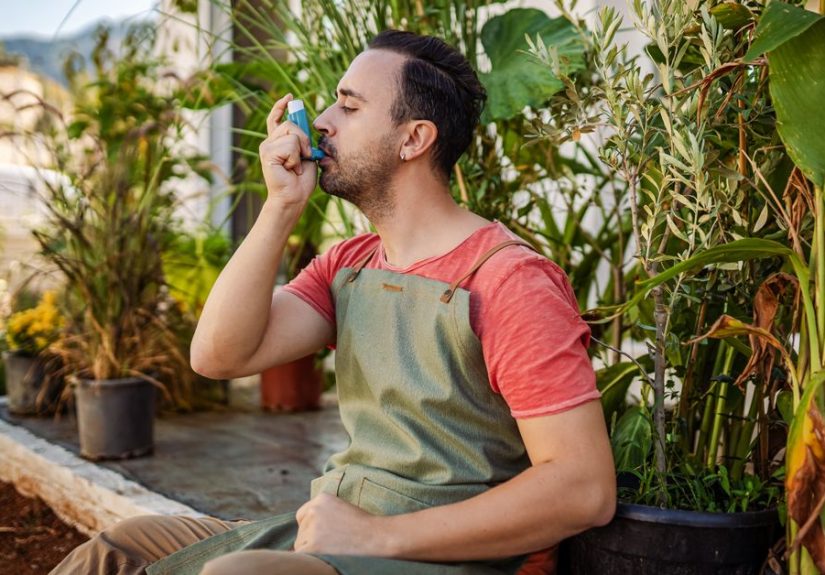
Inhaler technique: the “hidden lever” of success
A surprising number of people use inhalers incorrectlyno judgment. It’s like trying to water a plant with the hose
pointed at your shoe. Common issues include not exhaling fully first, inhaling too fast/slow for the device type,
or forgetting to hold your breath after the puff. Ask a clinician or pharmacist to watch your technique at least once a year.
If you use an inhaled steroid, rinse your mouth afterward.
3) Pulmonary rehabilitation: cardio training for your lungs (and your confidence)
Pulmonary rehab is a supervised program that includes exercise training, education, and breathing
techniques. It helps you build endurance, reduce breathlessness, and improve daily function. Many people describe it
as the turning point where they stop “avoiding life” and start planning again.
4) Oxygen therapy (when needed)
Oxygen therapy isn’t for everyone with COPD. It’s used when blood oxygen levels are consistently too low.
If you qualify, oxygen can reduce strain on the heart and improve survival in certain patients with severe resting hypoxemia.
It can be used at home, during activity, and sometimes during sleep.
Safety note: oxygen is not flammable, but it feeds fire. No smoking, open flames, or spark risks near oxygen equipment.
5) Noninvasive ventilation and advanced therapies
Some patientsespecially those with chronic elevated carbon dioxide levelsmay benefit from noninvasive ventilation
at home. For carefully selected individuals with severe emphysema, interventions such as lung volume reduction surgery
or endobronchial valves may help. In advanced cases, lung transplant can be considered, usually after comprehensive evaluation.
Vaccines: An Underrated COPD Superpower
Respiratory infections are a major trigger for COPD flare-ups. Vaccination helps lower the risk of severe illness,
hospitalization, and complications. If you have COPD, talk with your clinician about staying current on:
- Influenza (flu) vaccine: typically yearly.
- COVID-19 vaccination: as recommended for your age/risk group.
-
Pneumococcal vaccination: CDC recommendations are age- and risk-based; for example, adults
50+ who are pneumococcal conjugate vaccine–naïve may receive a PCV (options include PCV15, PCV20, or PCV21),
with additional PPSV23 needed in some situations depending on which vaccine is used and individual risk. -
RSV vaccine: CDC recommends a single dose for adults 75+ and adults 50–74
at increased risk of severe RSV (chronic lung disease like COPD is a risk factor).
Translation: vaccines won’t “cure” COPD, but they can prevent the kind of infection that knocks you off your feet for weeks.
That’s a big win.
Managing COPD Flare-Ups (Exacerbations)
A flare-up is a sustained worsening of symptomsmore shortness of breath, cough, or mucusthat goes beyond normal day-to-day
variation. Flare-ups often last days and may need extra treatment.
Common triggers
- Colds, flu, RSV, COVID-19, and other respiratory infections
- Air pollution, smoke, strong fumes
- Weather extremes (cold air can be especially rude)
- Not taking medications as prescribed or poor inhaler technique
The action plan idea (Green / Yellow / Red zones)
Many clinicians use COPD action plans that outline what to do when you’re stable, starting to worsen, or experiencing
danger signs. A typical plan may include when to increase rescue inhaler use, when to start prescribed “flare-up meds”
(like a steroid burst or antibioticonly if prescribed for you), and when to call your clinician or seek urgent care.
When to seek urgent/emergency care
Seek immediate care if you have severe or rapidly worsening breathing difficulty, new confusion, fainting, blue/gray lips
or fingertips, or you can’t speak in full sentences. If you’re unsure, it’s better to get checked than to “tough it out.”
Living Well With COPD: Daily Habits That Actually Help
Breathing techniques
-
Pursed-lip breathing: inhale through your nose, exhale slowly through pursed lips (like blowing out a candle gently).
This can reduce “air trapping” and calm breathlessness. - Diaphragmatic breathing: encourages belly movement rather than shallow chest breathing. Pulmonary rehab can teach this well.
Activity and exercise (yes, even when you’re short of breath)
It sounds backwards, but structured activity can improve stamina and reduce breathlessness over time. The trick is pacing:
short bursts, rest breaks, and gradual progression. Pulmonary rehab is the safest way to learn what’s appropriate for you.
Nutrition and energy
COPD can increase energy needs because breathing requires more work. Some people lose weight; others gain weight due to reduced activity.
Aim for balanced meals with adequate protein, and consider smaller, more frequent meals if large meals worsen breathlessness.
If unintentional weight loss is happening, bring it upit’s clinically important.
Home air quality
- Keep indoor air as smoke- and fume-free as possible.
- Use ventilation when cooking; avoid strong aerosols and harsh cleaners when you can.
- During poor outdoor air quality days, limit outdoor exertion and follow local health guidance.
Mental health matters
Anxiety and depression are common in COPDbecause struggling to breathe is stressful (your brain notices).
Treating mental health is not optional “self-care fluff”; it can improve symptom control, sleep, and motivation for rehab and healthy routines.
If you feel persistently down or panicky, talk with your clinicianeffective treatments exist.
Prevention and Early Detection
The best COPD strategy is prevention: don’t smoke, avoid secondhand smoke, protect your lungs at work, and reduce exposure to pollutants.
But if you already have symptomsespecially chronic cough, mucus, or shortness of breathearly diagnosis helps you act while you still have more
breathing “budget” in the bank.
If you have COPD, make sure AATD testing is discussed, and ask your clinician whether pulmonary rehab, vaccine updates,
and an action plan for flare-ups are part of your care. If not, you’re allowed to politely insist. (Your lungs would, if they could text.)
Experiences: What COPD Can Look Like in Real Life (500+ Words)
The word “COPD” can feel abstract until it shows up in someone’s daily routine. The experiences below are
composite examplesrealistic scenarios based on common clinical patternsmeant to help you recognize
the day-to-day challenges and the kinds of strategies that often make a measurable difference.
Experience #1: “I thought I was just out of shape.”
A 52-year-old warehouse supervisor notices that walking from the parking lot feels like a mini hike. He starts
taking the elevator “because it’s faster,” then realizes he’s avoiding stairs anywhere. He’s also had a cough for
yearsnothing dramatic, just a constant background soundtrackplus mucus most mornings. He assumes it’s allergies
or “getting older.” During a routine visit, his clinician asks a few key questions about smoking history and work
exposures and orders spirometry.
The test confirms persistent airflow limitation. The surprising part for him isn’t the diagnosisit’s how quickly
a treatment plan helps once it’s targeted. He starts a long-acting bronchodilator and learns how to use his inhaler
correctly (turns out he’d been inhaling like he was trying to sip a milkshake through a coffee stirrer). Within a
few weeks, he isn’t magically sprinting, but he can do daily tasks with fewer rest stops. The “win” is subtle but
meaningful: he stops planning his day around avoiding breathlessness.
Experience #2: Pulmonary rehab changes the game
A retired teacher with moderate COPD has a pattern: she’s okay at home, but any activity outsideshopping, walking
with friends, even getting ready for a family eventsets off breathlessness and anxiety. She begins skipping social
plans because she doesn’t want to “hold everyone back.” Her clinician refers her to pulmonary rehab.
At first, she’s skeptical. “Exercise? I can barely breathe.” But rehab isn’t a boot camp. It’s structured, supervised,
and paced. She learns pursed-lip breathing, how to warm up gradually, and how to spot early flare-up signs. She also
meets other people who understand the strange math of COPD: how one shower can feel like running a marathon, and how
fear of breathlessness can shrink your world faster than the disease itself.
Over time, she builds endurance and confidence. The biggest shift is psychological: breathlessness becomes a signal
she can manage, not a catastrophe. She starts carrying a written action plan and keeps rescue medication accessible.
She still has COPD, but COPD stops being the one writing her schedule.
Experience #3: A flare-up plan prevents a spiral
A 67-year-old with severe COPD has had multiple flare-ups that landed him in urgent care. Then his clinician helps
him build a simple COPD action plan: what “normal” looks like (green zone), what early worsening looks like (yellow),
and what symptoms mean “don’t wait” (red). He learns to watch for changes in mucus, sleep disruption, and unusual fatigue.
A few months later, he catches a cold. Instead of pushing through until he’s gasping, he follows the plan: increases
his rescue inhaler as directed, contacts his clinic early, and starts pre-prescribed flare-up meds only because his
plan says exactly when. He also avoids smoke exposure, stays hydrated, and rests strategically. The flare-up still
happens, but it’s shorter and less severemore like a storm you prepared for than a surprise flood.
He later says the plan didn’t just help his lungsit helped his brain. Having clear steps reduced panic, and less
panic made it easier to breathe. COPD care often works like that: small, smart moves stacked consistently become
the difference between “barely getting by” and “living with room to breathe.”
Conclusion
COPD is a long-term condition, but it’s not a life sentence to constant struggle. The most effective approach combines
accurate diagnosis (spirometry), risk reduction (especially smoking cessation), smart medication use, pulmonary rehab,
vaccinations, and a clear plan for flare-ups. With the right support, many people with COPD stay active, travel, work,
and enjoy their routinesjust with better tools, better pacing, and fewer surprise setbacks.