Table of Contents >> Show >> Hide
- Why Open Shelving Works (And When It Doesn’t)
- The Shelf Styling Mindset: Function First, Then “Ooh, Pretty”
- Step-by-Step: How to Style Open Shelving Without Losing Your Mind
- Step 1: Empty the shelves (yes, all the way)
- Step 2: Pick a simple color story
- Step 3: Establish “anchors” (the big pieces)
- Step 4: Group items in odd numbers (but don’t be a robot about it)
- Step 5: Vary height, depth, and texture
- Step 6: Layer like a designer (aka “lean stuff”)
- Step 7: Leave breathing room
- Step 8: Add one living thing
- The “Shelf Styling Formula” You Can Use Anywhere
- Room-by-Room Ideas for Styling Open Shelves
- Style “Recipes” (Copy-Paste Looks That Still Feel Personal)
- Common Mistakes That Make Open Shelves Look Messy
- Maintenance That Won’t Ruin Your Weekend
- Extra : Experiences That Make Open Shelving Easier (And Better-Looking)
- Conclusion
Open shelving is the design equivalent of wearing white sneakers: it looks effortlessly cool until you spill something on it.
The good news? Styling open shelves isn’t about owning a warehouse of matching ceramics or living like you’re perpetually
minutes away from a magazine photo shoot. It’s about creating a display that feels curated, functional, and human
like your home has a personality, not a showroom contract.
In this guide, you’ll learn a practical (and forgiving) approach to how to style open shelving in kitchens,
living rooms, bathrooms, and beyondusing real-world design principles like balance, breathing room, and the magic of
odd-number groupings. Plus, you’ll get “style recipes,” a maintenance plan for people who don’t dust as a hobby, and a
500-word experience section at the end packed with lessons you can steal.
Why Open Shelving Works (And When It Doesn’t)
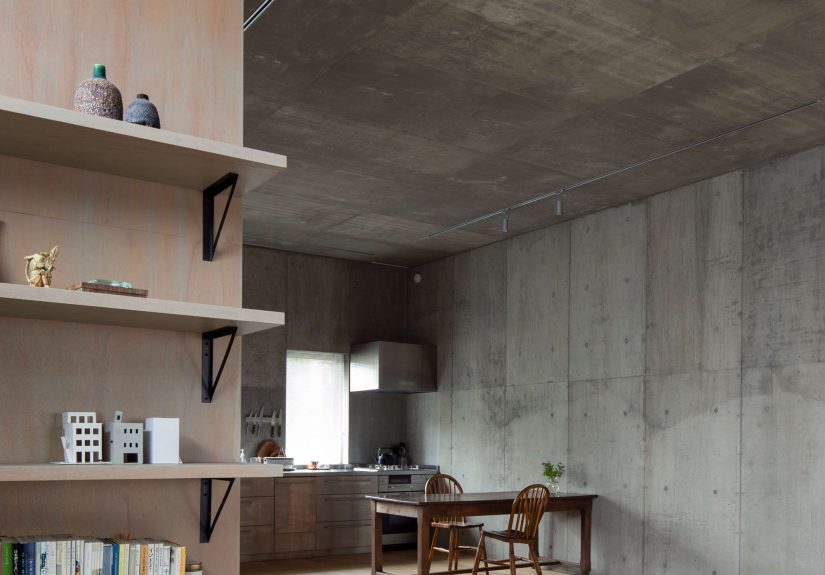
Open shelves can make a room feel brighter and less boxed-in, especially when they replace heavy upper cabinetry or fill
an awkward wall. They also put everyday items within reach and let your favorite pieces do double duty as decor.
The flip side is simple: open shelving shows everything. That’s the point… and also the problem if your shelves become
a storage unit with good lighting.
Open shelving is a good fit if you:
- Use a consistent set of dishes/glasses and don’t own 14 mismatched novelty mugs (or you’re willing to rotate them).
- Like a “lived-in but edited” look and can commit to occasional resets.
- Want to showcase pottery, cookbooks, framed art, plants, or collections with meaning.
Open shelving is harder if you:
- Prefer to hide visual clutter (no shamesome of us love a closed cabinet era).
- Cook often with oils and spices in an area that gets greasy or dusty fast.
- Need maximum, invisible storage for bulk goods, appliances, or kid chaos.
A popular compromise is mixing open shelving with closed storage: keep a few cabinets for the messy stuff
and use open shelves for the pretty (and practical) favorites.
The Shelf Styling Mindset: Function First, Then “Ooh, Pretty”
The easiest way to make open shelving look intentional is to decide what role it plays in your space:
working storage, display, or a hybrid. Kitchen shelves usually work best as
hybridsome everyday pieces, some decor. Living room shelves can lean more display-heavy, while bathroom shelving benefits
from a mix of concealed containers and “spa-like” simplicity.
A quick rule that keeps you out of trouble
If you wouldn’t want to look at it every day, don’t put it on an open shelf. (Yes, that includes half-used vitamin bottles,
neon snack packaging, and the cord pile you swear is “temporary.”)
Step-by-Step: How to Style Open Shelving Without Losing Your Mind
Step 1: Empty the shelves (yes, all the way)
Starting fresh helps you see the shelf as a blank composition instead of a game of “move this mug three inches left and hope.”
Wipe everything down while you’re at itfuture-you will be grateful.
Step 2: Pick a simple color story
You don’t need a strict palette, but you do want a vibe. The easiest options:
neutrals + wood, white + one accent color, or earth tones + black accents.
Consistent color is what makes shelves feel calm even when they hold a lot.
Step 3: Establish “anchors” (the big pieces)
Anchors are your stabilizerslarger bowls, a stack of plates, a tall vase, a cutting board, or a chunky basket.
Put anchors on each shelf (not necessarily centered) so everything else doesn’t look like it’s floating in space.
Think of anchors as the bass line of your shelf styling playlist.
Step 4: Group items in odd numbers (but don’t be a robot about it)
Odd-number groupingsespecially threestend to look more natural and visually interesting than perfect pairs.
Use this to create small “moments”: three canisters, three stacked cookbooks with a small bowl, three framed photos with varied sizes.
If you love symmetry, you can still use it; just know that odd groupings are a quick shortcut to “effortless.”
Step 5: Vary height, depth, and texture
Flat shelves can look flat if everything is the same size and material. Mix:
tall + medium + small, and smooth + rough, and shiny + matte.
Practical examples include a tall vase, a medium bowl, and a small framed print; or a stack of plates, a wooden board, and a glass jar.
Step 6: Layer like a designer (aka “lean stuff”)
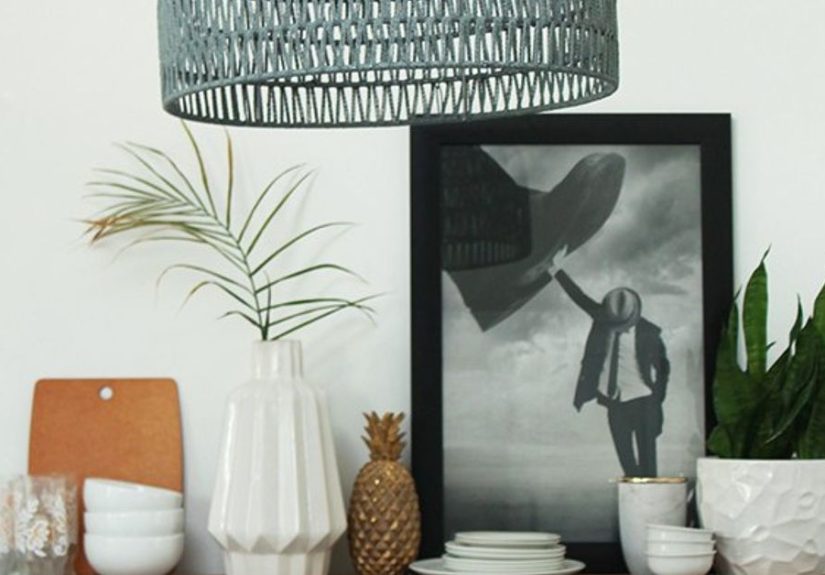
Leaning art, a cutting board, or a tray behind smaller items creates depth and makes shelves feel styled instead of lined-up.
This is especially helpful for open kitchen shelves where everything can otherwise look like it’s standing at attention.
Step 7: Leave breathing room
Negative space is not “wasted space.” It’s what keeps shelves from looking cluttered.
A good baseline is to leave at least a little open space around groupsso the eye has somewhere to rest.
Step 8: Add one living thing
A small plant, a vase of stems, or a bowl of citrus adds life and softens hard materials.
If you’re not a plant person, choose something resilient (or embrace fauxno one is grading you).
The “Shelf Styling Formula” You Can Use Anywhere
If you like checklists (or you’re styling shelves while hungry and impatient), use this repeatable formula:
- One anchor (stacked plates, a basket, a large vase, or a big bowl)
- One vertical (art, tall canister, bottle, vase, or plant)
- One horizontal (books, trays, shallow bowls, folded linens)
- One texture (wood, woven, ceramic, stone, linen)
- One “spark” (a small sculptural object, a meaningful item, or a pop of color)
- Space (leave some; your shelves deserve boundaries)
Room-by-Room Ideas for Styling Open Shelves
Kitchen open shelving
The best-looking open kitchen shelves usually follow one rule: display what you actually use, and edit the rest.
Try keeping everyday plates and bowls in tidy stacks, plus a small set of glasses or mugs that match the overall look.
Decant dry goods (like flour, sugar, or pasta) into uniform containers if you want a cleaner visual.
- What to display: plates, bowls, glassware, cookbooks, cutting boards, serving pieces, canisters, a plant
- What to avoid: bulky appliances, random packaging, too many tiny items that read as clutter
- Pro move: keep heavier cookware in drawers or closed cabinets; let shelves stay lighter and calmer
Living room open shelving
Think “bookshelf styling,” not “store shelf.” Mix books with art, frames, a sculptural object, and a few textured pieces.
Alternate books stacked vertically and horizontally to create variety, and use accessories as bookends.
- Try a color gradient if you love order, or a mixed neutral library if you want cozy.
- Include personal items (travel pieces, heirlooms) so the shelves feel like younot a catalog.
Bathroom open shelving
Bathrooms are where open shelving can go from “spa” to “science lab” fast. The trick is controlled containment:
use trays, lidded jars, and baskets so everyday essentials look intentional.
- What works: rolled towels, pretty soap dispensers, a candle, a small plant, matching containers
- What to hide: medicine, backups, and anything you don’t want to stare at while brushing your teeth
Home office or entryway shelving
In offices, combine function (files, supplies) with a few warm elements (books, framed photo, ceramic cup with pens).
In entryways, baskets are your best friend: they swallow clutter while still looking stylish.
Style “Recipes” (Copy-Paste Looks That Still Feel Personal)
Modern minimal
- White dishes + clear glassware
- Black accents (frames, small vase, canisters)
- One sculptural object and one plant
- Lots of breathing room
Warm farmhouse
- Wood boards + woven baskets
- Cream/stoneware dishes in stacks
- Vintage pitcher or crock
- Cookbooks with warm-toned spines
Collected and eclectic (but still controlled)
- Mix ceramics, framed art, and books
- Repeat a color (like blue or terracotta) across shelves
- Use trays to “contain” small pieces
- Balance busy shelves with at least one calmer shelf
Common Mistakes That Make Open Shelves Look Messy
- Too many tiny items: they read as clutter. Group them on a tray or swap for fewer, larger pieces.
- No consistent palette: even eclectic needs a repeating color or material to feel cohesive.
- Everything in one line: add depth by leaning art/boards behind items and staggering heights.
- Overloading with heavy pieces: visually and practically, it can feel crowded fast.
- Open shelving as “panic storage”: if you’re shoving things there, it will show.
Maintenance That Won’t Ruin Your Weekend
Open shelving looks best when it’s “maintained,” not “perfect.” Try this simple routine:
- Weekly: quick wipe of the front edge and the most-used items.
- Monthly: a 10-minute resetremove anything that drifted onto the shelves “temporarily.”
- Seasonally: rotate a couple decor pieces (a vase, a small framed print, a bowl) to refresh the look without buying new stuff.
Extra : Experiences That Make Open Shelving Easier (And Better-Looking)
The most useful open-shelving advice doesn’t come from perfect photosit comes from real homes where people cook, rush,
forget to dust, and occasionally eat cereal for dinner. Here are the patterns that show up again and again when homeowners
and renters actually live with open shelves.
1) “I thought I needed more decor. I needed fewer decisions.”
A common experience: someone installs open shelves and immediately feels pressure to fill themlike an invisible referee
is scoring their shelf styling tips in real time. The shelves get packed with little items because each one feels “cute,”
but together they look like a gift shop. The fix is usually not buying more; it’s choosing a tighter set of everyday pieces.
One family swapped 12 random mugs for six they loved and used daily. Instantly, the shelves looked intentionalbecause the
objects were consistent in shape and color, and there was room to breathe.
2) The “clean mug set” is the secret weapon
People who love open kitchen shelves almost always have a core collection: matching or coordinating dishes, bowls, and glasses
that stay on display. The rest lives elsewhere. It’s not about being fancyit’s about reducing visual noise. Think of it like
having a capsule wardrobe, except it’s plates. (Less “fashion week,” more “I can find the cereal bowl without excavating.”)
3) Open shelves don’t failsystems fail
When open shelving looks messy, it’s often because the rest of the kitchen lacks closed storage for the not-pretty stuff:
snacks in bright packaging, paper towels, small appliances, bulk coffee, and the mysterious drawer of rubber bands.
People who succeed with open shelving almost always pair it with drawers, a pantry, or at least one “clutter cabinet.”
The shelves then get to be what they’re good at: functional display, not emergency overflow.
4) “My shelves always looked off… until I added height.”
Another frequent lesson: shelves look awkward when everything is the same height. A row of medium bowls, medium jars, and
medium frames creates a visual flatline. Adding one tall element (a vase, a framed print, a pitcher, a plant) brings energy
back immediately. It’s the same reason a hairstyle needs layerswithout them, everything sits there like it’s waiting for
instructions.
5) The fastest “real life” reset: remove 20% and group the rest
If your shelves feel chaotic, try the 5-minute rescue: take off about a fifth of the items, then regroup what remains into
a few clear clusters. Put the smallest pieces on a tray, stack similar items, and leave a little open space. People are often
shocked by how much calmer shelves look with less. The funny part? Most guests assume you “styled” them on purpose. You did.
You just did it with the energy of someone who has better things to do than dust a decorative snail.
Conclusion
Styling open shelving is a mix of design principles and real-life practicality: build a simple color story, anchor shelves
with a few larger pieces, create small groupings (odd numbers help), vary height and texture, layer for depth, andmost
importantlyleave breathing room. When open shelves reflect what you actually use and love, they look warm, curated, and
effortlessly “you,” even on the days when dinner is toast and you forgot where you put your keys.