Table of Contents >> Show >> Hide
- What Counts as Organ Meat?
- Why Organ Meats Get the “Nutrient-Dense” Label
- The Most Practical Benefits of Organ Meat
- Risks and Downsides of Organ Meat
- How to Eat Organ Meats More Safely
- Quick Guide to Popular Organ Meats
- Who Should Be Extra Cautious with Organ Meat?
- of Experiences: What Organ Meat “Is Like” in Real Life
- Conclusion: Worth It, If You Do It Wisely
Organ meat has one of the biggest reputations in the food world. To some people, it’s a “nutrient treasure chest.”
To others, it’s “the stuff my grandpa ate during hard times,” served with a side of suspicion.
The truth is more interesting (and more useful): organ meats can be genuinely nutrient-dense, but they also come with
a few risks you don’t want to wave away with vibes and a cast-iron skillet.
This guide breaks down the real benefits and the real risks of organ meatplus practical ways to enjoy it safely.
No fearmongering. No miracle-food hype. Just a clear look at what organs offer, who should be careful, and how to
keep “nose-to-tail” from turning into “oops-to-tail.”
What Counts as Organ Meat?
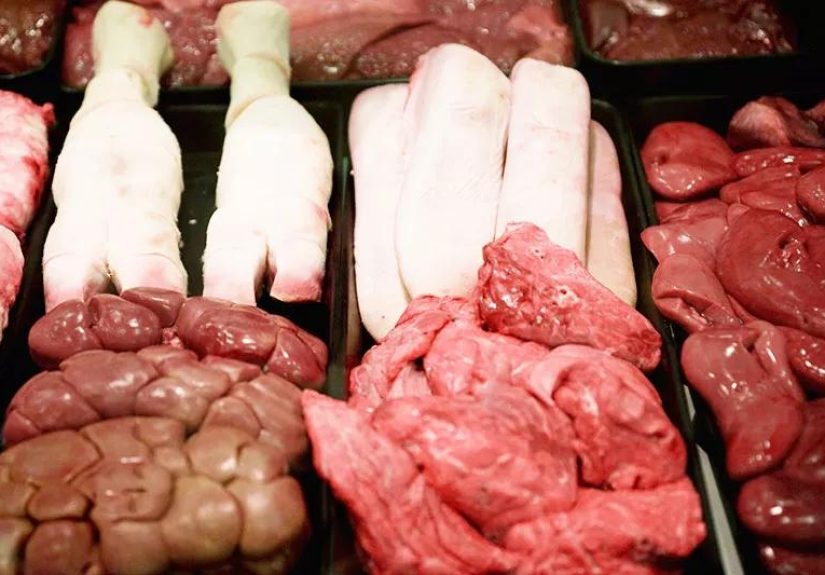
“Organ meat” (often called offal) generally means the edible internal organs and some other non-muscle parts of animals.
Common examples include:
- Liver (beef, chicken, pork, lamb)
- Heart
- Kidney
- Tongue (technically a muscle, but usually grouped with organ meats)
- Tripe (stomach lining)
- Sweetbreads (thymus or pancreas)
Organ meats vary a lot nutritionally. “Organ meat” isn’t one foodit’s a whole category, and liver plays by different rules
than heart, and heart plays by different rules than tripe.
Why Organ Meats Get the “Nutrient-Dense” Label
If regular muscle meat is the reliable family sedan of protein, organ meat is the souped-up engine you didn’t realize was
under the hood. Many organs are concentrated sources of vitamins and mineralsoften in amounts that make multivitamins
look like they’re trying their best.
1) High-quality protein (with a bonus round of micronutrients)
Like other animal proteins, organ meats supply complete protein (all essential amino acids). The difference is what
rides along: organs often bring more B vitamins and minerals per bite than typical cuts of meat.
That’s one reason organ meat shows up in many traditional diets worldwidenutrients, efficiently delivered.
2) Vitamin B12: the “tiny nutrient, big job” superstar
Vitamin B12 supports healthy blood and nerve cells and helps make DNA. It’s found naturally in animal foods,
and organ meatsespecially livercan be among the most concentrated food sources.
If you’re someone who struggles to get enough B12 from food (for example, some older adults or people with certain
digestive conditions), organ meat can be a powerful dietary sourcethough it’s not the only option.
3) Iron, zinc, and selenium: mineral support that adds up
Many organ meats provide iron and zinckey for oxygen transport and immune functionplus selenium, which supports
antioxidant systems in the body. Iron is essential, but it’s also a “right amount matters” nutrient:
too little can be a problem, and too much can be harmful for certain people.
4) Vitamin A and choline: big benefits, and also the biggest “be careful”
Here’s the organ-meat plot twist: liver is famously rich in preformed vitamin A (retinol), which the body can use directly.
Vitamin A supports vision, immune function, and morebut high intakes of preformed vitamin A can be risky,
especially if you pile liver on top of vitamin A-containing supplements.
Liver is also a notable source of choline, a nutrient your body needs for cell membranes and other key processes.
Choline is importantbut, like many nutrients, more isn’t automatically better.
5) CoQ10 and other naturally occurring compounds
Heart (and some other organs) contains coenzyme Q10 (CoQ10), a substance present in the body’s tissues
(highest levels are in organs like the heart and liver). Food sources exist, but don’t expect a steak-and-heart dinner
to magically “supplement” you into superhero status. Think of it as part of the overall nutrient package, not a potion.
The Most Practical Benefits of Organ Meat
When people talk about the benefits of organ meat, they’re usually talking about a few real-world outcomes:
meeting nutrient needs more easily, getting more nutritional “bang” from smaller portions, and adding variety to the diet.
Supporting nutrient intake when your diet is limited
If you don’t eat a wide range of foodsor you’re going through a season of life where appetite or food choices are tighter
organ meats can help fill nutrient gaps (particularly B12, iron, and certain B vitamins).
This is not the same as organ meats being “necessary.” It’s simply that they’re efficient.
A small portion can go a long way
One reason organ meats are popular with “nose-to-tail” cooks is that you don’t need a huge serving to get nutritional value.
In fact, “huge serving” is where some of the risks start to creep inespecially with liver.
Culinary variety (and budget friendliness)
Organ meats are often less expensive than premium cuts and can add new flavors and textures.
Heart can be surprisingly “meaty.” Tongue is rich and tender when cooked well. Liver is… liverbold, distinctive,
and best introduced gently unless you enjoy culinary jump scares.
Risks and Downsides of Organ Meat
Organ meat isn’t dangerous by default. The risks usually come from (1) eating certain organs too often or in large amounts,
(2) specific health conditions, or (3) food-safety mistakes.
1) Too much preformed vitamin A (especially from liver)
Preformed vitamin A (retinol) is the form that can build up in the body. Liver can contain very high amounts.
Getting too much preformed vitamin A over time can lead to toxicity, and high vitamin A intake during pregnancy
is a well-known concern. This is why many medical sources recommend that pregnant people avoid liver and liver products
and be cautious with vitamin A supplements.
The practical takeaway: if liver is in your diet, moderation mattersand stacking liver on top of high-dose vitamin A supplements
is a “talk to a clinician first” situation.
2) Purines and gout risk
Organ meats are high in purines, which break down into uric acid. For people with goutor those prone to gout flares
many clinical resources recommend avoiding organ meats such as liver, kidney, and sweetbreads.
If gout is on your medical radar, organ meat is usually not the place to “test your luck.”
3) Cholesterol and saturated fat: context matters
Some organ meats can be high in cholesterol, and certain preparations (fried liver, creamy pâté, butter-basted everything)
can bring a lot of saturated fat into the picture. Heart-health guidance tends to emphasize limiting saturated fat,
since it can raise LDL (“bad”) cholesterol.
Translation: organ meat can fit into an overall heart-smart pattern, but it shouldn’t be an excuse to turn every meal into
a saturated-fat festival. How you cook it matters as much as what you cook.
4) Food safety: undercooked organ meat can be risky
Raw and undercooked meats can carry harmful bacteria. Organs are not exempt from biology.
Poultry livers and giblets, in particular, should be cooked to a safe minimum internal temperature of 165°F.
Safe handling also matters: keep foods out of the “danger zone,” avoid cross-contamination, and refrigerate promptly.
5) Kidney disease and phosphorus considerations
For people with chronic kidney disease (CKD), nutrition guidance often involves managing phosphorus intake,
and phosphorus is commonly found in protein-rich animal foods. If you have CKD or have been told to limit phosphorus,
organ meats may need to be limited or chosen carefully based on your care team’s advice.
6) Special conditions: when “nutrient-rich” can become “too much”
A few examples where organ meats may require extra caution:
- Hemochromatosis or iron overload: iron-rich foods may need closer management.
- Wilson disease: high-copper foods (including liver) may be problematic.
- Pregnancy: liver is often discouraged due to high preformed vitamin A.
- Frequent supplement use: stacking nutrients (especially vitamin A) can push totals too high.
How to Eat Organ Meats More Safely
If you’re curious about organ meator already enjoy itthese are the habits that tend to keep benefits high and risks low.
Start small and treat liver like the “concentrate” it is
- Begin with small portions (think 1–2 ounces mixed into a dish, not a full steak-size slab).
- Space it out (occasional servings rather than daily habits).
- Rotate organs (heart or tongue occasionally, instead of liver every time).
This approach is especially helpful if you also take multivitamins or other supplements that contain vitamin A.
Cook thoroughly and handle like you would any meat
- Use a food thermometer and follow safe-temperature guidance (especially for poultry organs).
- Refrigerate quickly and avoid leaving meat in the 40°F–140°F range for long periods.
- Prevent cross-contamination: separate cutting boards, wash hands, don’t reuse marinade as sauce unless boiled.
Pick prep methods that make organ meat easier to like
You don’t have to leap directly into “pan-seared liver, straight-up, no distractions.”
Many people find organ meats more approachable when they’re blended into familiar foods:
- “Stealth liver” bolognese: finely chop a small amount and simmer it in tomato sauce with ground meat.
- Taco-night upgrade: mix a little minced heart into seasoned ground beef.
- Pâté with boundaries: enjoy a small serving, not a “this is my personality now” portion.
- Slow-cooked tongue: tender texture, great in sandwiches or tacos.
Quick Guide to Popular Organ Meats
| Organ | What People Like About It | Main Watch-Outs | Best “Beginner” Approach |
|---|---|---|---|
| Liver | Extremely nutrient-dense (notably vitamin A, B12, choline, iron) | Too much preformed vitamin A; caution in pregnancy; watch supplement stacking | Blend small amounts into sauces, meatballs, or pâté (small portion) |
| Heart | More “meaty” texture; good protein; contains naturally occurring compounds like CoQ10 | Still an animal foodwatch saturated fat depending on cut and cooking | Slice thin and grill; or mince into chili/tacos |
| Kidney | Traditional dish in many cuisines; strong flavor for adventurous eaters | Purines (gout risk); may be less appealing in taste/texture | Soak and cook thoroughly; try in small portions first |
| Tongue | Tender when cooked right; rich, beefy flavor | Can be higher in fat; portion size matters | Slow-cook, peel, slice for tacos or sandwiches |
| Tripe | Mild flavor; works well in soups/stews | Texture isn’t for everyone; cook long enough for tenderness | Try in well-seasoned soup (pozole-style dishes) |
| Sweetbreads | Delicate, rich; “chef-y” restaurant favorite | Purines (gout risk); richer preparations may add saturated fat | Enjoy as an occasional restaurant dish rather than weekly routine |
Who Should Be Extra Cautious with Organ Meat?
Organ meat can be a smart choice for some people, but certain groups should be more carefulor avoid specific organs:
- Pregnant people or those trying to conceive: liver is often discouraged due to high preformed vitamin A.
- People with gout: organ meats are commonly recommended to avoid because of purines.
- People with CKD or phosphorus restrictions: follow individualized medical nutrition guidance.
- People with iron overload conditions: iron-rich foods may need careful management.
- Anyone taking vitamin A-containing supplements: be cautious with liver to avoid excessive totals.
of Experiences: What Organ Meat “Is Like” in Real Life
In real kitchens (not just on nutrition charts), organ meat tends to come with a learning curveand that’s normal.
Many first-timers say the biggest surprise is that the “idea” of organ meat is scarier than the actual eating part.
The second biggest surprise is that liver has a personality. A strong one. If steak is a friendly handshake, liver can feel
like eye contact that lasts a beat too long.
A common beginner experience is starting with a dish where the organ meat isn’t the headline. Think meat sauce, chili,
or meatballs. People often report that finely chopping a small amount of liver and simmering it with onions, garlic, and tomato
makes the flavor feel “deeper” rather than “liver-forward.” In other words: it tastes like you worked harder than you did.
That’s a win.
Another frequent experience is discovering that not all organs taste the same. Heart often gets described as “more like a
lean, beefy cut” than people expect. Tongue, when cooked low and slow, surprises a lot of skeptics by being tender and rich,
especially in tacos. Tripe is the great divider: some people love the way it carries broth flavors; others politely decide it’s
“not their texture journey,” and move on.
People who keep organ meats in rotation often mention that portion size is the difference between “this feels great” and
“I never want to see pâté again.” Small servingsespecially for livertend to be the sweet spot. Some home cooks even treat liver
like a seasoning ingredient: a little bit for richness, not a whole plate as a dare.
Food safety experiences come up a lot, too. Many organ-meat fans become enthusiastic thermometer users because nobody wants a
side of regret with their chicken livers. The best habit people develop is the boring one: buy from reputable sources, keep it cold,
cook it to safe temperatures, and avoid cross-contamination. It’s not glamorous, but it’s the difference between a delicious dinner
and an unexpected “let’s get to know the bathroom” evening.
Finally, there’s the social experience: organ meat can be weirdly polarizing at the dinner table. Some people will be curious and
impressed; others will look at you like you’re auditioning for a survival show. Long-term organ-meat eaters often learn a simple rule:
describe the dish, not the organ. “Slow-braised tacos with salsa verde” gets more enthusiasm than “tongue,” even when it’s the same meal.
And if you’re cooking for a crowd, the stealth approach (mixing small amounts into familiar foods) usually earns the most “Waitthis is
actually good” reactions.
Conclusion: Worth It, If You Do It Wisely
Organ meats can be a nutrient-dense addition to a balanced diet, offering concentrated vitamins and mineralsespecially B12, iron,
choline, and (in liver) vitamin A. The risks are real but manageable for most people: avoid excessive liver intake, be cautious if you’re
pregnant or prone to gout, follow kidney-related guidance if applicable, and handle/cook organ meats safely.
If you’re curious, start small, cook it well, and treat liver like the powerful ingredient it is. The goal isn’t to prove you’re fearless.
The goal is to eat in a way that helps your bodywithout accidentally turning dinner into a science experiment.