Table of Contents >> Show >> Hide
- Why Schoolyard Games Still Matter
- 20 Nostalgic Schoolyard Games That Defined Your Childhood
- 1. Tag
- 2. Hide and Seek
- 3. Four Square
- 4. Kickball
- 5. Dodgeball
- 6. Red Rover
- 7. Hopscotch
- 8. Jump Rope
- 9. Double Dutch
- 10. Capture the Flag
- 11. Duck, Duck, Goose
- 12. Red Light, Green Light
- 13. Simon Says
- 14. Tetherball
- 15. Marbles
- 16. Jacks
- 17. Hand-Clapping Games
- 18. Wall Ball
- 19. King of the Hill
- 20. Follow the Leader
- What Made These Classic Playground Games So Memorable?
- How to Bring Nostalgic Schoolyard Games Back Today
- Personal Experiences: Why These Games Still Live Rent-Free in Our Memories
- Conclusion
Before smartphones turned every spare minute into a tiny glowing circus, recess had its own entertainment system: cracked pavement, a rubber ball, chalk dust, jump ropes, and one kid who took the rules way too seriously. Nostalgic schoolyard games were more than ways to burn off lunchroom pizza. They were tiny training grounds for teamwork, strategy, negotiation, patience, and the ancient art of yelling, “No fair!” with conviction.
From tag to tetherball, these classic playground games shaped childhood memories across American schools. Some needed equipment. Some needed nothing but sneakers and dramatic energy. All of them taught us something: how to win, how to lose, how to make up rules on the spot, and how to pretend the playground bell was merely a suggestion.
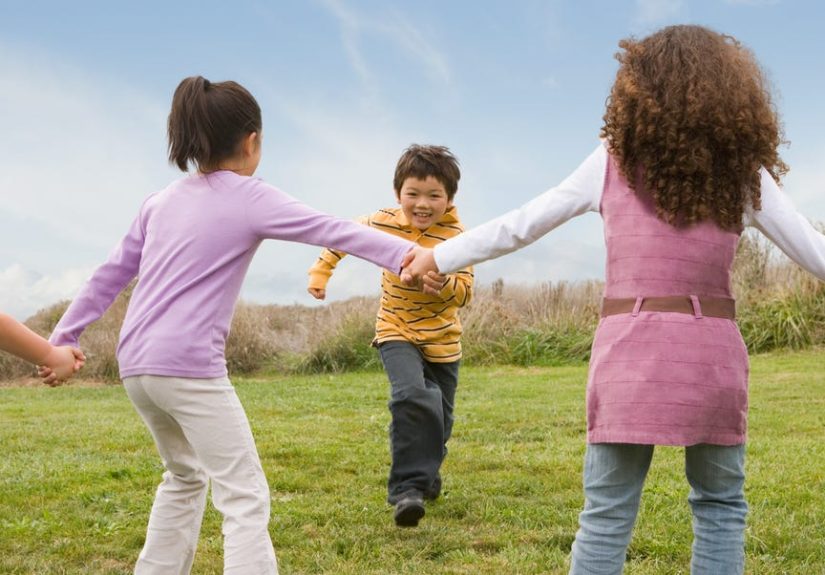
Here are 20 nostalgic schoolyard games that defined your childhoodand why they still deserve a comeback.
Why Schoolyard Games Still Matter
Schoolyard games gave kids a chance to move, laugh, compete, cooperate, and solve problems without a manual. A game of four square could become a lesson in reflexes. Capture the flag could turn an ordinary field into a battlefield of strategy. Even hand-clapping games built rhythm, memory, and social connection.
The magic was in the simplicity. You did not need a subscription, a charging cable, or an update that took 47 minutes. You just needed a few friends and enough space to run without crashing into the kid carrying chocolate milk.
20 Nostalgic Schoolyard Games That Defined Your Childhood
1. Tag
Tag was the king of schoolyard games because it required almost nothing: one person was “it,” everyone else ran like their report card depended on it. The rules were simple, but the variations were endless. Freeze tag, TV tag, shadow tag, and blob tag all added new chaos to the chase. Tag taught quick thinking, speed, and the importance of never wearing shoes that came untied every five seconds.
2. Hide and Seek
Hide and seek turned playground equipment, trees, benches, and suspiciously large coats into strategic hiding spots. One child counted while everyone else scattered. The thrill came from staying silent while your best friend hid three feet away and breathed like a lawn mower. It was a game of patience, observation, and occasionally terrible hiding decisions.
3. Four Square
Four square was playground royalty. A ball, a chalk-drawn court, and four players were all it took. The goal was to bounce the ball into another player’s square and move up toward the top position. Every school had its own house rules: cherry bombs, buses, popcorn, or mysterious moves that sounded invented five seconds earlier. Four square was fast, social, and perfect for kids who enjoyed both competition and arguing about line calls.
4. Kickball
Kickball was baseball’s bouncier cousin. Instead of a bat, players used their feet. Instead of a baseball, there was a big rubber ball that made a satisfying “thwap” when kicked into the outfield. Kickball gave everyone a shot at glory, whether you were a future athlete or someone whose main sports skill was avoiding eye contact during team selection.
5. Dodgeball
Dodgeball was dramatic, controversial, and unforgettable. Players dodged, ducked, jumped, and sometimes accepted their fate with the grace of a falling lawn chair. At its best, dodgeball built agility and teamwork. At its worst, it created legends about the kid with the cannon arm. Modern versions often use softer balls and safer rules, which is good news for anyone who remembers the old playground version as “survival with sneakers.”
6. Red Rover
“Red Rover, Red Rover, send somebody over!” Those words could turn a line of children into a human wall of suspense. Players tried to break through linked arms and return with a teammate if successful. While many schools have retired rougher versions for safety reasons, Red Rover remains a powerful nostalgic memory of teamwork, chanting, and choosing your target like a tiny playground general.
7. Hopscotch
Hopscotch used chalk, balance, and a small marker tossed onto numbered squares. Players hopped through the course, skipped the square with the marker, and tried not to wobble like a newborn deer. It looked simple, but hopscotch built coordination, balance, and focus. It also proved that sidewalk chalk had the power to transform concrete into a full athletic arena.
8. Jump Rope
Jump rope was part sport, part music, and part social ritual. Kids jumped solo, in pairs, or with two long ropes in Double Dutch. Rhymes, chants, and counting games turned jumping into a rhythm challenge. Whether you made it to 100 jumps or tripped immediately and laughed it off, jump rope brought movement and music together in one classic playground activity.
9. Double Dutch
Double Dutch deserves its own spotlight because it was not just jump ropeit was jump rope with choreography, courage, and excellent timing. Two ropes turned in opposite directions while one or more jumpers entered the moving pattern. Getting in was half the battle. Staying in made you a legend. Double Dutch rewarded rhythm, confidence, and friends who did not suddenly speed up the ropes for “fun.”
10. Capture the Flag
Capture the flag turned a school field into a grand adventure. Two teams guarded their flags while trying to sneak into enemy territory, grab the prize, and sprint back without getting tagged. The best players were not always the fastest. Sometimes they were the sneaky strategists who waited until everyone else got distracted by arguing over boundaries.
11. Duck, Duck, Goose
Duck, Duck, Goose was simple, silly, and surprisingly suspenseful. Players sat in a circle while one child walked around tapping heads and saying “duck” until suddenly choosing “goose.” Then came the chase. The game taught turn-taking and listening, but mostly it taught kids that betrayal can arrive gently on the top of your head.
12. Red Light, Green Light
Red Light, Green Light tested self-control in the funniest way possible. One player called “green light” while others moved forward, then shouted “red light” to make everyone freeze. Anyone caught moving had to go back. It was a game of speed, balance, and pretending your foot absolutely was not sliding forward after the stop command.
13. Simon Says
Simon Says was the schoolyard game that rewarded careful listening. If “Simon says” came before the instruction, you followed it. If not, and you moved anyway, you were out. The game seemed easy until someone said, “Touch your nose,” and half the class obeyed like they had never heard instructions before. It built attention skills while giving one kid temporary executive power.
14. Tetherball
Tetherball was intense. Two players hit a ball attached to a rope around a pole, each trying to wrap the rope completely in their direction. Matches could be fast, fierce, and full of dramatic hand slaps. It was a game of timing, angles, and pretending the ball did not just hit you in the face because you “meant to block it.”
15. Marbles
Marbles brought precision and patience to the playground. Players flicked or shot small glass marbles, often trying to knock others out of a circle. The game had a quieter energy than running games, but it could be just as competitive. A beautiful marble collection was practically playground currency, especially if someone had a shiny “cat’s eye” marble that looked like treasure.
16. Jacks
Jacks was a hand-eye coordination challenge with tiny metal or plastic pieces and a bouncing ball. Players scooped up jacks in increasing numbers before catching the ball. It was simple to explain and tricky to master. The sound of jacks scattering across the pavement is one of those childhood noises that instantly unlocks a memory file.
17. Hand-Clapping Games
Hand-clapping games mixed rhythm, memory, friendship, and speed. Rhymes like “Miss Mary Mack” or “Down Down Baby” traveled from school to school, changing slightly along the way. These games were proof that playground culture had its own music scene. No instruments, no stage, just palms, timing, and the confidence to keep going when the rhyme got weird.
18. Wall Ball
Wall ball turned any blank wall into a competition zone. Players threw a ball against the wall and tried to catch it, hit it, or tag others depending on the local rules. Like many classic recess games, wall ball changed from school to school. The one constant was that somebody always claimed, “That rule counts at my old school,” as if citing playground law.
19. King of the Hill
King of the Hill usually involved trying to stay at the top of a mound, snow pile, or playground structure while others attempted to take your place. Many schools now avoid rough versions for safety reasons, but the memory remains: kids loved games that turned ordinary geography into a challenge. The safer modern spirit of the game lives on in obstacle courses, balance challenges, and “hold the spot” activities.
20. Follow the Leader
Follow the Leader let one child guide the group through movements, paths, and silly actions. Everyone copied the leader until someone else took over. It encouraged creativity, movement, and imitation. It also revealed which kid had been waiting all week to make everyone hop like frogs across the blacktop.
What Made These Classic Playground Games So Memorable?
They Created Instant Community
Most nostalgic childhood games were open invitations. You could join a four square line, ask to jump rope, or get pulled into a tag game without needing a formal plan. These games helped kids make friends, learn social rules, and discover how to cooperate with people who had very strong opinions about whether the ball was “in” or “out.”
They Taught Rules Without Feeling Like Lessons
Playground games taught children how rules work. Kids learned to wait turns, respect boundaries, restart after mistakes, and negotiate disagreements. Of course, they also learned the most important rule of childhood: the loudest person is not always correct, but they are often very committed.
They Made Movement Fun
Running laps can feel like work. Chasing a friend during freeze tag feels like a mission. Nostalgic schoolyard games encouraged physical activity naturally because the goal was fun, not fitness. Kids built endurance, coordination, balance, and agility while thinking mostly about not being tagged.
They Required Imagination
A chalk square became a tournament court. A tree became home base. A rubber ball became the center of playground drama. Classic schoolyard games worked because children supplied the imagination. The equipment was simple; the stories were huge.
How to Bring Nostalgic Schoolyard Games Back Today
Parents, teachers, and community leaders can bring these classic playground games back without turning recess into a military operation. Start with simple, inclusive rules. Offer several game options so children can choose between running games, rhythm games, ball games, and quieter activities. Use soft equipment when needed, mark clear play areas, and encourage kids to help lead.
The goal is not to recreate childhood exactly as it was. Some older games need safer versions. Some kids need modified rules or accessible equipment. The point is to keep the best part alive: joyful, shared, active play that helps children connect in real life.
Personal Experiences: Why These Games Still Live Rent-Free in Our Memories
Ask almost anyone about schoolyard games, and their face changes. Suddenly they are not answering from an office chair, kitchen table, or grocery line. They are back on the blacktop, hearing the bounce of a red rubber ball and the distant sound of a teacher’s whistle. That is the power of nostalgic schoolyard games: they do not just remind us what we played. They remind us who we were before life came with passwords, bills, and calendars full of “quick meetings.”
Many childhood memories are built around small moments. Maybe you remember standing in the four square line, hoping the best player would finally get out so you could enter the court. Maybe you remember the quiet panic of being “it” in tag while everyone scattered in different directions. Maybe you remember pretending not to care when you lost at tetherball, even though deep inside you were already planning a dramatic comeback worthy of a sports documentary.
These games also created tiny social lessons. You learned who played fair, who changed rules when losing, and who had the natural leadership skills to organize 18 children into a capture the flag game in under two minutes. You learned that teamwork mattered, especially when guarding a flag, turning a jump rope, or helping a friend understand the rules. You also learned that conflict could be solved with a redo, a rock-paper-scissors match, or a teacher walking over with the expression that said, “I heard yelling from across the playground.”
The best part was how ordinary everything seemed at the time. Nobody announced, “This kickball game will become a treasured memory.” You were just trying to get on base. Nobody knew that hand-clapping rhymes would become emotional time machines decades later. You were just trying not to mess up the pattern. Childhood rarely tells you when it is becoming nostalgia. It waits until years later, then sneaks up when you see chalk on a sidewalk or hear a jump rope hit pavement.
Schoolyard games also gave kids a rare kind of freedom. For a few minutes each day, the world had clear rules and flexible endings. You could lose one round and win the next. You could be shy in class but fearless in dodgeball. You could be the slowest runner but the smartest strategist. The playground gave every child a chance to be known for something different.
That is why these games still matter. They were not perfect, and not every memory was golden. But at their best, nostalgic schoolyard games gave children movement, laughter, friendship, and stories they carried into adulthood. They turned recess into a shared culture, one chant, chase, bounce, and chalk line at a time.
Conclusion
The 20 nostalgic schoolyard games that defined your childhood were more than simple ways to pass recess. They were social laboratories, fitness routines in disguise, imagination engines, and comedy shows with sneakers. Tag taught speed. Four square taught reflexes. Jump rope taught rhythm. Capture the flag taught strategy. Hand-clapping games taught memory and connection. Even the arguments taught something, though mostly that children can debate a chalk line with Supreme Court-level seriousness.
Bringing these classic playground games back is not about rejecting modern life. It is about remembering that children still need space to move, laugh, lead, follow, cooperate, compete, and create their own fun. Sometimes the best childhood memories begin with the simplest words: “Wanna play?”