Table of Contents >> Show >> Hide
- What Social Distancing Was Designed to Do
- Why the Bedrest Analogy Makes Sense
- The Physical Effects of Too Much Stillness
- The Mental Health Side of Social Distancing
- How to Make Distancing Healthier
- What Social Distancing Taught Us About Health
- Specific Examples From Everyday Pandemic Life
- Conclusion: Distance Wisely, Do Not Disappear
- Personal Experiences and Real-Life Reflections: When the Couch Became a Country
COVID-19 social distancing is like bedrest in one very specific way: it may be necessary for protection, but nobody should confuse “staying put” with “staying well.” During the height of the pandemic, millions of people learned that the sofa can become an office, a cafeteria, a movie theater, a therapy couch, and, if we are being honest, a crumb museum. Social distancing helped slow the spread of COVID-19, protected vulnerable people, and reduced pressure on hospitals. But it also created a strange new health puzzle: how do you protect the body from a virus without accidentally turning daily life into a full-time sedentary experiment?
That is where the bedrest comparison becomes useful. Traditional bed rest, especially prolonged bed rest, is associated with muscle loss, deconditioning, blood clot risk, bone loss, anxiety, and depression. Social distancing is not literally the same as medical bed rest, and it should not be treated as a punishment from the universe. However, when distancing turns into long days of sitting, little sunlight, fewer social contacts, disrupted sleep, and low movement, the body and mind can react in surprisingly similar ways.
The goal is not to shame anyone who spent lockdown wearing pajama pants with heroic commitment. The goal is to understand the lesson: public health protection works best when it includes movement, connection, routine, and mental resilience. Social distancing should mean physical space, not emotional disappearance. It should mean fewer risky contacts, not fewer reasons to get out of bed.
What Social Distancing Was Designed to Do
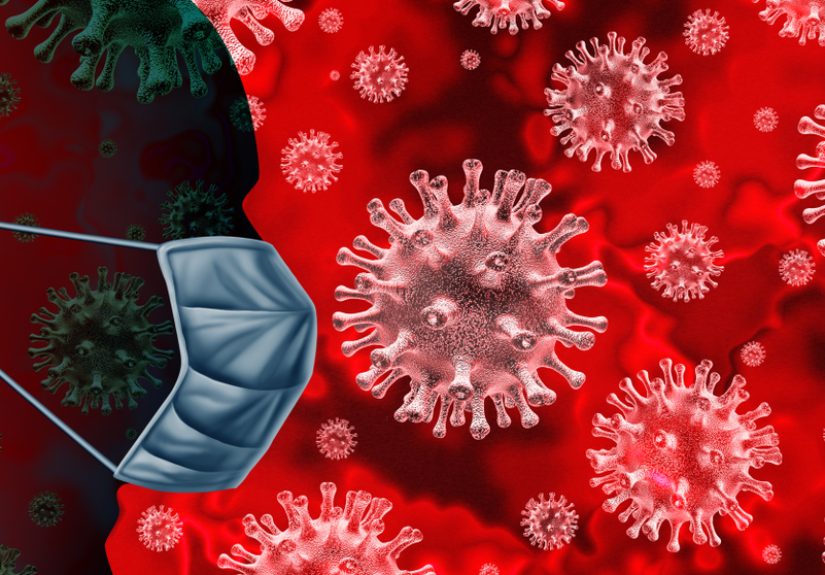
Social distancing, also called physical distancing, became one of the major public health tools during the COVID-19 pandemic. The basic idea was simple: increase physical space between people so the virus has fewer opportunities to move from one person to another. COVID-19 spreads mainly through respiratory droplets and particles, especially when people are close together indoors, talking, coughing, singing, laughing, or passionately explaining why their sourdough starter has a personality.
Public health agencies encouraged people to avoid crowded places, limit large gatherings, stay home when sick, improve ventilation, wear masks when appropriate, and keep distance from people outside their household during high-risk periods. These measures were especially important before vaccines, treatments, and widespread immunity changed the landscape of the pandemic.
Social distancing was never meant to be a lifestyle brand. It was a risk-reduction strategy. Like using a seat belt, it was not glamorous, but it served a purpose. The problem came when “stay away from crowds” quietly turned into “sit in one place for twelve hours and communicate with humans only through screens.” That version protected people from one danger while inviting several others through the back door.
Why the Bedrest Analogy Makes Sense
Bed rest is often imagined as peaceful: fluffy pillows, unlimited naps, someone bringing soup, and a dramatic excuse to avoid chores. In reality, prolonged inactivity can be rough on the body. Muscles weaken when they are not used. The heart and lungs lose conditioning. Blood flow slows, which can raise the risk of clots. Bones may lose density. Balance can decline. Even digestion and sleep may get weird. The human body is not a decorative lamp; it is built to move.
COVID-19 social distancing created a lighter but widespread version of the same problem. Many people were not ordered to stay in bed, but their lives shrank to a bed, a chair, a laptop, and the sacred pilgrimage to the refrigerator. Commutes disappeared. Walking to meetings disappeared. Gym routines stopped. Casual errands became online orders. Even small movements, such as walking across an office, climbing stairs, or going out for lunch, vanished from the day.
That matters because tiny movements add up. Before the pandemic, many people got activity almost accidentally. Social distancing removed those accidental steps. Suddenly, staying healthy required intention. You had to schedule movement, design routines, and remind yourself that walking to the mailbox counted as a major expedition in the new indoor kingdom.
The Physical Effects of Too Much Stillness
Muscle Deconditioning
Muscle is a “use it or lose it” tissue. When activity drops sharply, muscles begin to lose strength and endurance. This does not mean one week on the couch turns a person into a Victorian fainting character, but the trend is real. Less walking, less lifting, and less standing can gradually reduce stamina. People who were already older, chronically ill, recovering from COVID-19, or managing disability may feel this decline faster.
During social distancing, some people noticed that ordinary tasks felt harder: carrying groceries, climbing stairs, cleaning the house, or standing for long periods. That was not laziness. It was the body adapting to a lower-demand environment. The good news is that reconditioning is possible. Short walks, gentle strength training, stretching, balance work, and gradual increases in activity can help rebuild capacity.
Blood Flow and Clot Risk
Long periods of sitting can slow circulation, especially in the legs. Medical sources have long recognized that immobility, long-term bed rest, and sitting in one position for too long can contribute to blood clot risk in certain people. Social distancing did not automatically put everyone at high risk, but it did create conditions where people sat more and moved less.
Practical prevention is not complicated. Stand up regularly. Walk around the room. Stretch calves. Drink water. Avoid spending entire days folded into a chair like a human paperclip. People with a history of blood clots, recent surgery, pregnancy, cancer, serious illness, or other risk factors should follow medical advice tailored to them.
Sleep, Posture, and Energy
Social distancing also blurred the boundaries of the day. When the bedroom became the office, the brain received mixed signals. Was the bed for sleeping, working, snacking, scrolling, worrying, or attending a meeting with the camera off? Yes, apparently.
This blur affected sleep quality for many people. Reduced daylight exposure, increased screen time, irregular schedules, stress, and lower activity can all interfere with rest. Poor sleep then feeds fatigue, irritability, cravings, and even less motivation to move. The cycle becomes a merry-go-round, except nobody is merry and the horse is an office chair.
The Mental Health Side of Social Distancing
The phrase “social distancing” was always a little unfortunate. The safer idea was physical distancing, not emotional distancing. Humans need connection. We need faces, voices, jokes, rituals, shared meals, and the comforting knowledge that someone else also forgot what day it was.
During COVID-19, many people experienced loneliness, anxiety, grief, uncertainty, and burnout. Parents juggled work and remote school. Students lost normal milestones. Older adults faced isolation. Healthcare workers carried enormous stress. People living alone could go days without ordinary human contact. People living with others sometimes had the opposite problem: too much contact, too little privacy, and a sudden desire to hold a business meeting inside a closet.
Social isolation and loneliness are not just unpleasant feelings. They are associated with real health risks, including depression, anxiety, heart disease, cognitive decline, and poorer overall well-being. That is why the bedrest analogy works emotionally as well as physically. Too much enforced stillness can shrink a person’s world. The smaller the world becomes, the heavier it can feel.
How to Make Distancing Healthier
Build Movement Into the Day
The simplest rule is this: do not let the chair win. Stand up every 30 to 60 minutes. Walk during phone calls. Stretch while watching television. Do squats while waiting for coffee. March in place while the microwave performs its tiny food opera. These movements may look silly, but silliness is cheaper than physical therapy.
Adults generally benefit from regular aerobic activity and muscle-strengthening exercise. During periods of distancing or isolation, the goal is not perfection. It is consistency. Ten minutes of walking is better than zero. Wall push-ups count. Resistance bands count. Dancing in the kitchen counts, even if the dog looks concerned.
Create a Real Routine
Bed rest feels worse when every hour is identical. Social distancing felt worse for the same reason. A routine gives the brain structure. Wake up at a fairly consistent time. Get dressed, even if the outfit is “professional from the waist up.” Eat regular meals. Schedule work, movement, rest, and connection. Protect bedtime like it is an important meeting with your future self.
Routine does not remove uncertainty, but it reduces chaos. During stressful periods, small predictable habits can become anchors. A morning walk, a lunch break away from the desk, an evening call, or a screen-free hour before bed can quietly restore a sense of control.
Stay Connected on Purpose
Connection should not be left to chance during distancing. Call friends. Send voice notes. Join online groups. Sit outside and talk from a safe distance when needed. Check on older relatives. Create rituals: Friday video dinner, Sunday family call, Wednesday “complain creatively for ten minutes” session. A little humor helps. So does honesty.
The point is not to pretend online contact is identical to in-person life. It is not. A video call cannot pass you the breadbasket. But connection, even imperfect connection, helps protect mental health. During isolation, a simple message can be a rope thrown across a gap.
What Social Distancing Taught Us About Health
The pandemic revealed that health is not one thing. It is not only avoiding infection. It is also maintaining strength, sleep, mood, relationships, purpose, and access to care. A person can be protected from a virus and still be harmed by loneliness, inactivity, or stress. Public health must hold both truths at the same time.
That is why “COVID-19 social distancing is like bedrest” is more than a catchy comparison. It is a reminder that temporary restrictions need active countermeasures. If movement drops, add movement back. If social contact drops, add connection back. If stress rises, build coping systems. If the day loses structure, create structure. The body does not understand press conferences; it understands habits.
Specific Examples From Everyday Pandemic Life
Consider the remote worker who once walked to the train, climbed stairs, crossed the office, and went out for lunch. During social distancing, that person may have moved from bed to desk to couch and called it a commute. Over weeks or months, back pain, tight hips, lower stamina, and poor sleep could appear. The fix was not necessarily intense exercise. It could start with a walk before work, a standing break every hour, and a firm rule that lunch happens away from the laptop.
Think about an older adult who avoided visitors to reduce COVID-19 risk. The protection made sense, especially during high transmission periods. But if that person also lost church gatherings, exercise classes, family visits, and routine errands, loneliness could grow quickly. A healthier plan might include scheduled calls, safe outdoor visits, home exercises, medication check-ins, and help with technology.
Or picture a student attending classes from a bedroom. Without campus walks, sports, friends, and normal social rituals, the student’s world might shrink to assignments and screens. A better routine could include daily outdoor time, study blocks, social video chats, hobbies, and exercise breaks. Again, distancing should reduce viral risk, not erase life.
Conclusion: Distance Wisely, Do Not Disappear
COVID-19 social distancing is like bedrest because both can protect people in certain situations while creating new risks when stillness lasts too long. The lesson is balance. During infectious disease outbreaks, physical distance, staying home when sick, and other precautions can reduce spread. But the human body still needs movement. The mind still needs connection. The day still needs rhythm. The heart still needs something to look forward to besides the next snack.
Social distancing worked best when it was paired with practical self-care: walking, stretching, strength exercises, sunlight, sleep routines, meaningful contact, and medical guidance when needed. The pandemic taught us that health is not simply the absence of infection. It is the presence of resilience. It is being able to breathe, move, laugh, rest, connect, and recover.
So if social distancing ever becomes necessary again, remember the bedrest rule: protect yourself, but do not become furniture. Stand up. Call someone. Open a window. Take the small walk. Stretch the stiff parts. Laugh at the absurdity when possible. Your body and your brain are on the same team, and both deserve care.
Personal Experiences and Real-Life Reflections: When the Couch Became a Country
For many people, the strangest part of COVID-19 social distancing was not the rules themselves. It was how quickly life became smaller. One week, normal life included commuting, casual conversations, grocery trips, school pickups, birthday dinners, coffee with friends, gym visits, and the tiny social moments nobody used to count. The next week, the biggest event of the day was hearing the delivery driver knock. The couch became a country. The kitchen became a tourist attraction. The front door became an international border.
At first, staying home felt almost manageable for some people. There was banana bread to bake, shows to stream, closets to reorganize, and the optimistic belief that a person could become fluent in three languages while also learning yoga. Then the novelty wore off. Days started blending together. Monday wore Wednesday’s hat. Weekends lost their sparkle. People who lived alone missed background noise. People with families missed silence. Everyone missed something.
This is where the bedrest feeling became real. Not because everyone was literally lying in bed, but because life lost momentum. The body started asking, “Are we still doing stairs?” The mind asked, “Are we still seeing people?” The calendar asked, “Why am I empty?” Even simple errands felt oddly exciting because they gave the day a beginning, middle, and end. A walk around the block could feel like a vacation, especially if there was a tree involved. Suddenly, fresh air became premium content.
Many people learned that movement is not just exercise; it is emotional maintenance. A short walk could reset a bad mood. Stretching could make a stiff back forgive a laptop. Cleaning the house could become cardio with better-smelling results. Dancing badly in the kitchen could turn anxiety into laughter for three minutes, which sometimes was enough. The lesson was not that everyone needed to become an athlete. The lesson was that bodies need signals of life: steps, sunlight, balance, breath, effort, rest.
People also learned that connection requires effort when proximity disappears. Before the pandemic, friendship often happened accidentally. You saw coworkers, neighbors, classmates, relatives, and familiar faces without planning every interaction like a diplomatic summit. Social distancing removed those casual contacts. To stay connected, people had to schedule calls, send messages, organize video dinners, and admit when they were not okay. That honesty mattered. A simple “I’m having a hard day” often opened the door for someone else to say, “Me too.”
The experience also revealed how unequal “staying home” could be. Some people had safe homes, flexible jobs, outdoor space, and strong internet. Others had crowded apartments, essential jobs, caregiving duties, financial stress, or limited access to healthcare. For them, social distancing was not a cozy pause; it was a daily negotiation. Any serious conversation about COVID-19 and distancing should remember that public health advice lands differently depending on a person’s work, income, housing, family responsibilities, and health risks.
Still, many useful lessons remain. Keep movement in the day before the body complains loudly. Protect relationships before loneliness grows roots. Make routines when the world feels uncertain. Rest without disappearing. Use technology, but do not let screens replace every form of living. And when life forces a season of stillness, treat it like recovery, not surrender. Bedrest may slow the body, but thoughtful care can keep a person from feeling stuck. Social distancing may create space between people, but it does not have to remove warmth, humor, purpose, or hope.