Table of Contents >> Show >> Hide
- Why Joann Fabrics Mattered So Much to Designers
- 1. Designer Fabric by the Yard
- 2. Upholstery and Home Decor Fabric
- 3. Thread, Needles, Zippers, and Everyday Notions
- 4. Interfacing, Stabilizers, and Fusible Web
- 5. Batting, Foam, Pillow Forms, and Cushion Inserts
- 6. Rotary Cutters, Replacement Blades, Mats, and Rulers
- 7. Trim, Ribbon, Fringe, Piping, and Bias Tape
- 8. Patterns, Pattern Paper, Muslin, and Tracing Supplies
- 9. Yarn, Especially Everyday Workhorse Yarn
- 10. Storage, Organizers, Bins, and Studio Supplies
- 11. Seasonal Decor and Photo Styling Props
- How Designers Decided What Was Actually Worth Buying
- What Joann’s Closing Means for Creative Shoppers
- Experience Notes: What It Felt Like to Shop the Final Joann Sales
- Final Thoughts
There are store closings, and then there are craft-store closingsthe kind that make designers clutch their measuring tapes like tiny emotional-support snakes. Joann Fabrics was never just a place to buy fabric. It was the emergency room for broken sewing plans, the pantry for “I need three yards of something dramatic,” and the only store where buying twelve spools of thread at 8:30 p.m. felt completely normal.
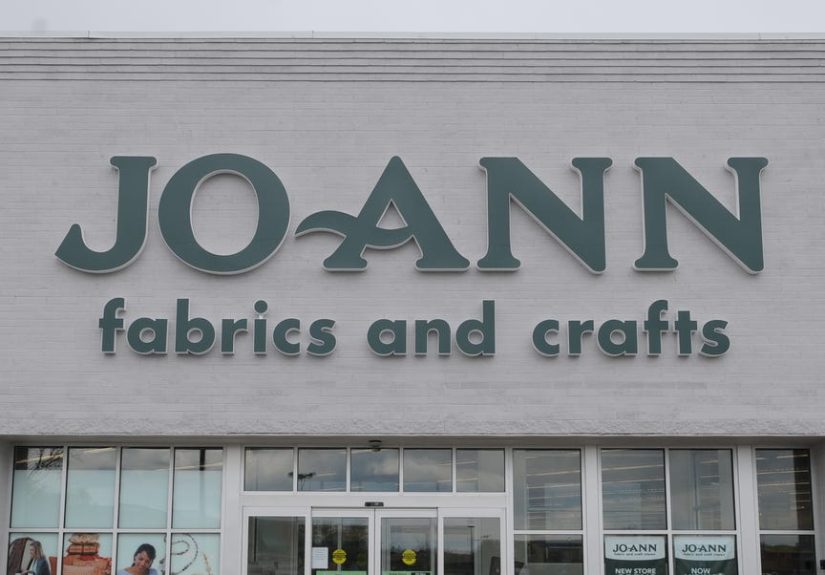
After Joann’s bankruptcy and full-store liquidation news, designers, sewists, quilters, decorators, and DIY-minded homeowners rushed to make one last strategic lap through the aisles. Not everything was worth panic-buying, of course. Nobody needs seventeen random glitter feathers unless they are styling a peacock-themed wedding, and even then, questions must be asked. But certain supplies were genuinely worth grabbing because they are practical, expensive elsewhere, easy to store, and useful across dozens of creative projects.
This guide breaks down the 11 things designers were scrambling to buy at Joann Fabrics before it closed for good, plus what makes each item valuable, how to choose wisely, and how to avoid bringing home a cart full of “future project energy” that becomes basement clutter by Memorial Day.
Why Joann Fabrics Mattered So Much to Designers
For professional and hobby designers, Joann filled a very specific gap in the American creative retail world. It was accessible, familiar, and broad. A designer could walk in needing upholstery foam, cotton muslin, drapery lining, upholstery trim, fabric scissors, a zipper, thread, and a bag of fake lemons for a photo shootand somehow leave with all of it. That kind of one-stop convenience is hard to replace.
The chain also served beginners and professionals at the same time. A teen learning to sew a tote bag, a costume designer building a last-minute stage look, a quilter hunting for a border print, and an interior stylist searching for trim could all end up in the same cutting-counter line. That mix made Joann more than a retailer; it was a practical workshop disguised as a store.
So when closing sales began, the smartest shoppers did not simply ask, “What is cheap?” They asked, “What will be annoying, expensive, or impossible to replace later?” That is the real designer mindset.
1. Designer Fabric by the Yard
Fabric was the heart of Joann, and naturally, it was the first aisle many designers attacked. The best buys were not always the loudest prints or the novelty cottons with tiny tacos on them, though those have their moment. Designers looked for versatile yardage: linen blends, cotton duck, twill, velvet, canvas, denim, fleece, flannel, muslin, and home-decor fabrics.
What to buy
Solid neutrals, classic stripes, small-scale patterns, textured upholstery fabric, and quality cottons are all smart choices because they can be used for pillows, slipcovers, curtains, table linens, tote bags, samples, quilts, and mockups. When fabric is deeply discounted, it is tempting to buy wild prints, but timeless fabrics work harder.
Designer tip
Buy enough yardage for a real project. One yard of upholstery fabric is a nice souvenir. Five to eight yards can become dining chair seats, a bench cushion, or several coordinated pillows. Future-you will appreciate the math.
2. Upholstery and Home Decor Fabric
Interior designers paid special attention to Joann’s home decor section because upholstery and drapery fabrics can get expensive quickly. Even modest discounts on heavier fabrics matter because these materials often require more yardage than apparel sewing.
Upholstery fabric is useful for chair seats, headboards, ottomans, cushion covers, poufs, banquettes, and accent panels. Drapery fabric can be used for curtains, Roman shades, bed skirts, table runners, and decorative wall panels. Designers who regularly refresh rooms know that fabric can transform a space faster than paint and with much less ladder-related drama.
What to inspect before buying
Check the bolt for stains, fading, stretching, or uneven dye. During liquidation sales, fabric may be handled more heavily than usual. Look at the full length before the final cut, especially if the sale is final. A discount is only a deal if the fabric does not come with mystery smudges and emotional damage.
3. Thread, Needles, Zippers, and Everyday Notions
Notions are the unsung heroes of design. They are small, unglamorous, and somehow always missing when a deadline is breathing down your neck. Designers stocked up on polyester thread, hand-sewing needles, machine needles, zippers, snaps, hooks, buttons, elastic, pins, bobbins, and seam rippers.
This category is especially smart because notions are compact and easy to store. A drawer full of white, black, gray, navy, beige, and cream thread is not clutter; it is creative insurance. The same goes for neutral zippers and basic elastic widths.
Best colors to buy
Choose practical basics first: black, white, ivory, natural, gray, navy, brown, and tan. Bright thread is fun, but unless your design work involves a lot of hot pink topstitching, neutral thread earns its rent faster.
4. Interfacing, Stabilizers, and Fusible Web
Ask a designer what makes a project look professional, and the answer is often hidden inside the seams. Interfacing, stabilizers, and fusible materials give structure, crispness, support, and polish. They help collars stand up, waistbands behave, bags hold shape, and embroidery avoid looking like it had a stressful morning.
Joann was a convenient source for fusible interfacing, sew-in interfacing, fleece interfacing, quilt stabilizers, embroidery stabilizers, and fusible web. These items are not exciting in the way velvet is exciting, but they are exactly the kind of supply designers hate running out of.
Smart stocking strategy
Buy by project type. Apparel designers should focus on lightweight and medium-weight interfacing. Bag makers should look for heavier stabilizers. Quilters and machine embroiderers should stock up on stabilizers that match their machines and fabrics.
5. Batting, Foam, Pillow Forms, and Cushion Inserts
Soft goods are where design gets cozy. Batting, foam, pillow inserts, stuffing, and cushion materials are bulky, which makes them annoying to ship and expensive to buy last minute. That is why designers went after these supplies during store-closing sales.
Quilt batting is essential for quilts, wall hangings, quilted jackets, table runners, and craft projects. Upholstery foam is useful for benches, window seats, dining chairs, camper cushions, and pet beds. Pillow forms are the foundation of quick room refreshes, and designers know that a good pillow insert can make a budget fabric look surprisingly fancy.
What sizes make sense
Standard pillow forms like 18-by-18 inches, 20-by-20 inches, and lumbar sizes are easy to use later. For foam, buy only if you know the dimensions or can cut it cleanly at home. Giant foam sheets are not fun to store unless your garage is already living its warehouse era.
6. Rotary Cutters, Replacement Blades, Mats, and Rulers
Cutting tools are a designer’s daily workhorses. A sharp rotary cutter can make quilting, bag making, pattern cutting, and home decor sewing faster and cleaner. Replacement blades, acrylic rulers, measuring tapes, and self-healing cutting mats were high-priority buys because quality tools are often pricey.
Designers especially value large rulers, specialty quilting rulers, French curves, clear grid rulers, and big cutting mats. These tools are not trendy, but they save time, reduce mistakes, and help projects look less “handmade in a panic” and more “professionally finished.”
What to avoid
Do not buy damaged mats with deep grooves or warped edges. A crooked cutting mat is like a GPS that hates you. It will quietly lead every project into chaos.
7. Trim, Ribbon, Fringe, Piping, and Bias Tape
Trim is where designers go to give a project personality. Ribbon, fringe, tassel trim, piping, cording, lace, rickrack, braid, and bias tape can turn plain fabric into something custom. During closing sales, trim aisles became treasure hunts.
Interior designers looked for upholstery trim, curtain embellishments, and decorative cording. Costume designers searched for metallic trims, lace, braid, and specialty ribbon. Sewists grabbed bias tape and piping for garments, quilts, aprons, and bags.
Best trim rule
Buy more than you think you need. Trim is notoriously hard to match later. If you are using fringe on pillows, for example, calculate all four sides and add extra. Nothing ruins a design mood faster than being three inches short of tassel trim.
8. Patterns, Pattern Paper, Muslin, and Tracing Supplies
Patterns are another category designers watched closely. Commercial sewing patterns, tracing paper, pattern weights, chalk, marking pens, rulers, and muslin are all practical supplies for apparel and soft-goods design. Even designers who draft their own patterns often use commercial patterns as starting points for proportions, fit, and construction ideas.
Muslin deserves special praise. It is humble, affordable, and useful for test garments, draping, mockups, lining, sample curtains, and even photography backdrops. Designers bought bolts of muslin because it is the peanut butter of the studio pantry: not flashy, but always useful.
Pattern-buying advice
Choose patterns with multiple views, classic silhouettes, or reusable construction details. A trendy pattern may age quickly, but a good shirt, jacket, tote, skirt, cushion, or slipcover pattern can become a studio reference for years.
9. Yarn, Especially Everyday Workhorse Yarn
Joann’s yarn section was beloved by knitters, crocheters, fiber artists, teachers, and designers who work with soft textures. Big Twist, blanket yarns, cotton yarns, acrylic staples, and specialty fibers all drew attention during closing sales.
Designers did not only buy yarn for sweaters and blankets. Yarn can be used for wall hangings, tassels, pom-poms, weaving, macramé accents, soft sculpture, props, children’s craft kits, and holiday decor. A few skeins can add texture to a room or photo shoot faster than a furniture delivery truck.
How to stock up wisely
Buy enough skeins from the same dye lot for one complete project. Yarn colors can shift between batches, and “close enough” often looks very not close once the blanket is half finished.
10. Storage, Organizers, Bins, and Studio Supplies
Designers are creative people, which means their studios can become charming disasters. Joann’s storage itemsbins, thread boxes, bead organizers, rolling carts, craft totes, scrapbook cases, and drawer insertswere worth considering during liquidation sales.
Good storage saves money because it keeps supplies visible. A designer who can find the navy zipper they already bought does not need to buy another navy zipper. Organization is not just neatness; it is budget management wearing a label maker.
Best storage buys
Clear bins, stackable containers, thread organizers, divided boxes, and portable project cases are especially useful. Avoid oddly shaped containers that waste shelf space, unless they are perfect for a specific tool or material you already own.
11. Seasonal Decor and Photo Styling Props
Joann’s seasonal aisles were a secret weapon for stylists, bloggers, event designers, teachers, and small business owners who needed affordable props. Faux greenery, wreath forms, floral stems, ribbon, ornaments, miniature decor, candles, baskets, and tabletop accents could all be used for displays, flat lays, event tables, classroom projects, and content creation.
The trick is to avoid buying decor just because it is discounted. Designers looked for reusable pieces: neutral wreath bases, realistic greenery, simple baskets, classic ornaments, wood shapes, ceramic pieces, and ribbon that works across multiple holidays.
Stylist rule
If the item only works for one very specific themesay, “haunted farmhouse disco pumpkin”pause before buying. If it can be restyled for fall, winter, weddings, product photography, or home staging, it is much more valuable.
How Designers Decided What Was Actually Worth Buying
A closing sale can make even calm people behave like they are contestants on a craft-themed game show. But professional designers tend to shop with a plan. They prioritize supplies that meet at least three of these criteria: useful across many projects, difficult to replace locally, expensive to ship, easy to store, high quality, and likely to be used within one year.
That is why fabric, notions, cutting tools, stabilizers, trim, foam, batting, and storage rose to the top. These are not impulse-only items. They are the backbone of sewing rooms, design studios, classrooms, theater departments, quilting groups, home decor businesses, and weekend DIY projects.
Another smart move was checking return policies. During liquidation, sales are typically final. Designers inspected packaging, measured yardage carefully, checked dye lots, and avoided damaged goods unless the flaw could be worked around. A bargain should not become a repair project unless you enjoy arguing with your past self.
What Joann’s Closing Means for Creative Shoppers
The disappearance of Joann stores left a real gap, especially in communities where it was the main nearby source for fabric, sewing notions, craft supplies, and hands-on browsing. Online shopping can replace some convenience, but it cannot fully replace touching fabric, comparing thread in person, or realizing at the cutting counter that your original plan was, in fact, a crime against curtains.
Designers now have to spread their shopping across multiple sources: local quilt shops, independent fabric stores, upholstery suppliers, online fabric retailers, Michaels, craft marketplaces, sewing machine dealers, estate sales, thrift stores, and specialty wholesalers. That can lead to better quality and more unique finds, but it also takes more planning.
For small-town shoppers, the loss is sharper. Joann often served as a practical creative hub where people could get supplies without waiting for shipping. Teachers, parents, costume makers, church groups, quilters, and home DIYers all depended on that convenience. The closing is not just retail news; it changes how creative work gets done.
Experience Notes: What It Felt Like to Shop the Final Joann Sales
The final Joann shopping experience had a strange emotional texture: part bargain hunt, part goodbye tour, part “why did I never appreciate the zipper wall enough?” Designers described the closing-sale atmosphere as both exciting and sad. The discounts pulled people in, but the half-empty aisles reminded everyone that a familiar creative resource was disappearing.
One common experience was the sudden seriousness of decision-making. In a normal shopping trip, you can say, “I’ll come back next week.” During a closing sale, that sentence loses all power. If the right fabric, trim, or tool is on the shelf, you either buy it or accept that it may vanish into someone else’s cart forever. That urgency made designers think differently. They measured twice, checked labels, photographed bolts, compared colors under better light, and made quick calls to clients or sewing friends.
The cutting counter became a tiny theater of farewell. People waited with bolts stacked in their arms, swapping project plans and rumors about which stores still had good inventory. A quilter might be buying backing fabric for three future quilts. A costume designer might be grabbing metallic trim for a school production. A decorator might be choosing discounted drapery fabric for a breakfast nook makeover. Everybody had a mission, and everybody seemed to understand that the moment was bigger than a sale.
There was also a practical lesson hiding in the chaos: good supplies are not always glamorous. The shoppers with the smartest carts were not necessarily the ones buying the wildest novelty prints. They were the ones buying thread, muslin, interfacing, rotary blades, neutral fabric, elastic, pillow inserts, and storage bins. Those supplies do not scream for attention, but they keep studios running. A designer with basic materials on hand can say yes to more projects and solve more problems quickly.
Another lesson was emotional restraint. Closing sales are designed to create urgency, and urgency can make a person believe they need 14 yards of neon fleece for a project that does not exist. Experienced designers used a simple filter: “Can I name three uses for this?” If the answer was yes, it went in the cart. If the answer was “maybe someday when I become the kind of person who makes elaborate holiday gnome villages,” it stayed on the shelf.
The most meaningful takeaway, though, was appreciation. Joann was not perfect. Shoppers had complaints about stock, coupons, lines, and inventory changes. Still, for many American makers, it was the place where creative projects began. It was where people bought fabric for prom dresses, baby quilts, Halloween costumes, first apartments, wedding decor, classroom crafts, memory pillows, and “I saw this on Pinterest and I refuse to be defeated” experiments.
For designers, the scramble to buy final supplies was not just about saving money. It was about preserving access to materials that made ideas possible. Every bolt of fabric, spool of thread, and package of interfacing represented future work. In that sense, the smartest things designers bought at Joann were not only products. They bought options, flexibility, and a little extra creative breathing room.
Final Thoughts
Joann Fabrics closing for good marked the end of an era for designers, sewists, quilters, crafters, and DIY decorators across the United States. The smartest shoppers focused on supplies that would remain useful long after the sale signs came down: quality fabric, home decor textiles, notions, stabilizers, batting, foam, cutting tools, trim, patterns, yarn, storage, and reusable styling props.
The real lesson is simple: buy like a designer, not like a panicked raccoon with a coupon. Choose materials that solve problems, support real projects, and fit your creative life. A good closing-sale haul should make your future work easier, not turn your closet into a museum of abandoned intentions.
Joann may be gone from local shopping centers, but the maker spirit it supported is not going anywhere. Designers will keep sewing, styling, quilting, crafting, upholstering, decorating, and finding new ways to turn raw materials into beautiful things. They may just have to plan a little more carefullyand guard their last good rotary blade like treasure.