Table of Contents >> Show >> Hide
- What an appetizers-only dinner party really is
- Step 1: Build a menu that eats like dinner
- Step 2: Choose a signature centerpiece
- Step 3: Design the party flow so the food feels effortless
- Step 4: Create a make-ahead game plan
- Step 5: Food safety that doesn’t kill the vibe
- Two sample menus to steal
- Hosting moves that make you look effortlessly put together
- Leftovers without regret
- Experiences from real appetizers-only parties
- SEO Tags
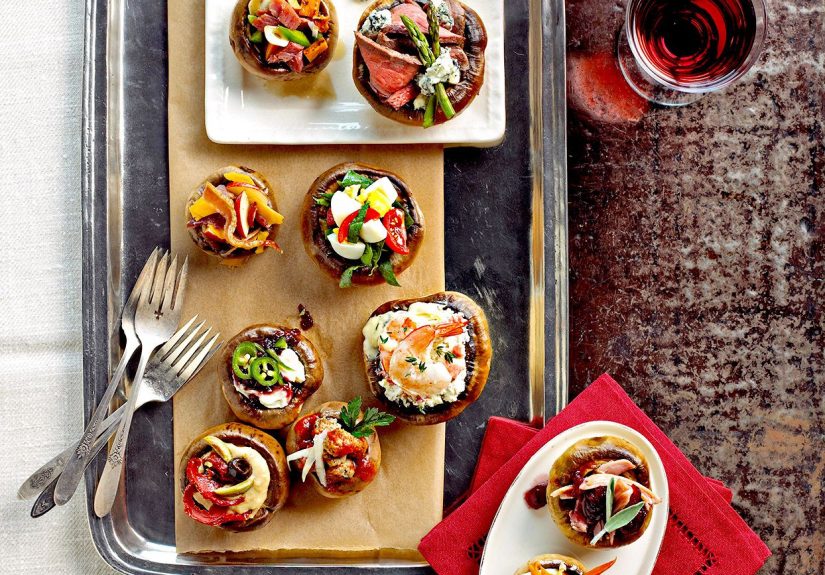
You know that magical hour at a party when everyone’s happiest? Drinks are cold, the music is right, and nobody’s asking, “So… when’s dinner?” because their hands are already full of delicious little bites. That’s the entire vibe of an appetizers-only dinner party: all the fun of a dinner party, none of the “I’ve been basting something for three hours and now I’m emotionally attached to it” stress.
The goal is simple: build a spread that eats like a real meal (protein, veg, starch, something crunchy, something creamy), but stays casual, social, and easy to graze. People mingle. People snack. People go back for “just one more” seven times. You look effortlessly put together. Everyone wins.
What an appetizers-only dinner party really is
Think of it as “dinner in chapters,” except the chapters are bite-size and nobody has to commit to a single plate. Instead of one big entrée, you offer a variety of small plates and finger foods that cover the same bases as a meal: savory, fresh, hearty, and a little sweet at the end.
The secret is balance. If your menu is all cheese and chips, your guests will be happy for 20 minutes and then mysteriously start Googling “delivery near me.” If your menu includes a mix of textures and macronutrients, people stay satisfied and the party feels intentionally curated instead of “I blacked out in the snack aisle.”
Step 1: Build a menu that eats like dinner
The easiest way to plan is to think in buckets. You’re not choosing “18 random appetizers.” You’re building a meal out of snackable components.
The five-bucket method
- Garden: crudités, marinated vegetables, stuffed mini peppers, cucumber bites, pickles, bright salads served in cups.
- Starch: crostini, mini sandwiches, flatbread wedges, dumplings, sliders, puff pastry twists, crackers.
- Protein: wings, meatballs, shrimp, skewers, sushi, deviled eggs, tofu bites, tinned fish with good bread.
- Dips and spreads: hummus, whipped feta, guacamole, ranch, spinach-artichoke, muhammara, tapenade.
- Snacks and crunch: nuts, popcorn, pretzels, chips, spiced mixes, crispy chickpeas.
If you want to make your spread feel “complete,” add a sixth bucket: mini desserts (brownie bites, mini cupcakes, fruit skewers, tiny cookies). Dessert doesn’t need to be big; it just needs to exist.
How many different appetizers should you serve
You don’t need 47 options. You need enough variety that everyone can build a plate they love, including guests with dietary restrictions. A practical rule is to scale the number of different items with your guest list:
- 10–12 guests: aim for about 5 different appetizers.
- Around 25 guests: aim for about 9 selections.
- Around 50 guests: aim for about 13 selections.
That might sound like a lot until you remember: “selection” can mean a bowl of olives, a dip with chips, or a tray of frozen-and-baked mini quiches. Not everything needs to be handcrafted like you’re auditioning for a cooking show.
Portion math that won’t leave you ordering emergency pizza
The trick is to plan servings by category and let guests mix and match. Here are easy serving benchmarks you can scale up or down:
- Crostini, poppers, cheese sticks: plan about 2 pieces per person as a baseline, then add more if it’s a crowd favorite.
- Chicken wings: plan about 3 wings per person if wings are one of your main proteins.
- Meatballs: plan about 4 meatballs per person for a hearty protein option.
- Dips and spreads: plan about 1/4 cup per person per “main dip” (more if you’re serving multiple dips, less per dip).
- Cheese and charcuterie: plan about 2 ounces per person total as a satisfying pairing baseline.
- Nuts and snack mix: plan about 2 ounces per person if it’s part of your grazing table.
- Mini desserts: plan about 3 mini treats per person if dessert is bite-size.
Hosting hack: pick two “filling anchors” (usually one protein-heavy hot item and one snack board). Everything else becomes supporting cast. Nobody complains about a “small” menu when the menu is smart.
Step 2: Choose a signature centerpiece
Every great appetizers-only party needs one showstopper that looks like effort even if it’s mostly assembly. Your best options:
The grazing board that doubles as dinner
A grazing board is part appetizer, part social magnet. People gather around it, chat, nibble, and build little flavor combos without needing a formal seat. To make it feel abundant, build contrast: creamy cheese, salty meat, crunchy crackers, crisp veg, bright fruit, and pickly things for acidity.
For a crowd, variety beats volume. Think multiple cheese textures and milk types, a few cured meats, and plenty of “extras” like olives, nuts, and spreads. Let cheese sit out long enough to taste like cheese (not like refrigerator).
The slow cooker hero
If you want one hot “anchor” that requires minimal babysitting, the slow cooker is your best employee. It keeps food warm, frees up oven space, and makes you look like you have your life together. Meatballs are a classic because they’re easy to portion, easy to keep warm, and easy to grab with a toothpick.
Step 3: Design the party flow so the food feels effortless
Your guests don’t need a formal seating chart. They do need a layout that prevents a traffic jam around one bowl of chips. Make your space work like a friendly little snack museum.
Set up zones
- Main grazing zone: your board or centerpiece spread.
- Hot zone: slow cooker or warming trays with napkins, toothpicks, and plates right there.
- Grab-and-go zone: chips, nuts, olives, and any room-temp bites that can live happily for a while.
- Drink zone: separate if you can, so people aren’t reaching across each other for salsa while holding a cocktail.
Use height and small bowls
Flat spreads look picked-over fast. Height makes it feel abundant. Use stands, upside-down bowls under platters, or a cutting board on a sturdy box. Also, put messy things in bowls. Nobody wants “guacamole drift” across the table.
Bonus: small bowls and platters are not just prettierthey’re strategic. You can refresh the table by swapping in a clean platter from the fridge instead of refilling a half-empty one.
Step 4: Create a make-ahead game plan
The fastest way to ruin a party is to spend the party cooking. The fastest way to host like a legend is to prep early and keep day-of tasks to “warm, unwrap, arrange, and pretend this is how you live every day.”
A stress-proof timeline
- Two weeks to a month before: plan the menu, make a shopping list, buy shelf-stable items (crackers, nuts, beverages), and check your serving dishes.
- One week before: prep and freeze anything freezer-friendly. Make sauce bases and spice mixes.
- One to two days before: make dips, chop sturdy veggies, prep garnish elements, and stage serving platters.
- Day of: focus on assembly, warming hot items, chilling drinks, and setting out plates and napkins.
Strategic shortcuts that still taste premium
There’s no medal for doing everything from scratch. Use store-bought puff pastry, pre-cooked shrimp, high-quality dips, and bakery breadthen “chef it up” with garnish and plating. A drizzle of olive oil, a dusting of paprika, fresh herbs, lemon zest, and a nice serving dish can turn a shortcut into a flex.
Step 5: Food safety that doesn’t kill the vibe
You can be the fun host and the responsible host at the same time. The main principle: keep hot foods hot and cold foods cold. Anything sitting in the temperature danger zone for too long is not a party favor.
Safe holding temperatures
- Hot foods: hold above 140°F.
- Cold foods: keep below 40°F.
- Time limit: don’t leave perishables out at room temp for more than 2 hours (and less if it’s very hot where you are).
How to do that in real life
- Hot items: use a slow cooker, chafing dish, or warming tray. Stir occasionally so heat stays even.
- Cold items: keep backup trays in the fridge and rotate them out. Nest bowls in ice if they’ll sit out a while.
- Refresh, don’t top off: swap a nearly empty dish with a fresh one instead of adding new food into an old dish.
- Small batches: put out a little at a time and restock. It looks abundant and keeps food safer.
This is one of those moments where your inner perfectionist can relax: rotating platters is not only safer, it also keeps your display looking fresh all night.
Two sample menus to steal
Menu 1: Cozy comfort snack dinner
- Hot anchor: slow-cooker meatballs (classic, spicy, or sweet-and-tangy).
- Starch: mini grilled cheese wedges with tomato soup shooters, or puff pastry pinwheels.
- Garden: crunchy crudités with a green goddess dip.
- Crunch: seasoned popcorn and a bowl of spiced nuts.
- Board: a simple cheese-and-pickle board with crackers.
- Sweet: brownie bites and berries.
Menu 2: Chic grazing table that feels fancy
- Board anchor: grazing board with 3–5 cheeses, cured meats, olives, nuts, and fruit.
- Protein: smoked salmon deviled eggs or shrimp endive “canoes.”
- Starch: crostini trio (whipped feta + honey, mushroom pâté, tomato-basil).
- Vegetable bite: stuffed mini peppers or marinated mozzarella with tomatoes.
- Dip: hummus with olive oil, paprika, and a pile of pita chips.
- Sweet: mini cupcakes or cheesecake bites.
You’ll notice both menus have the same structure. Different vibe, same strategy: one or two filling anchors, plus variety that keeps the table interesting.
Hosting moves that make you look effortlessly put together
Have more glasses than you think you need
People do not responsibly reuse one glass all night. They set it down, forget it, adopt a new one, and suddenly you’re running a glass shelter. A practical rule is to plan plenty of glassware so you’re not stuck washing mid-party.
Keep it simple, then make it pretty
Choose one “shining star” item that you’re excited aboutyour signature meatballs, a killer dip, or a gorgeous boardthen let the rest be easy. Make easy things feel special with good serving pieces, fresh herbs, and intentional arrangement.
Set a timeline that ends early
The best hosting trick is having everything ready before guests arrive. Give yourself a buffer so you can change clothes, light a candle, and greet people like you weren’t just wrestling with plastic wrap.
Label dietary-friendly options like a thoughtful genius
If you have guests who are gluten-free, vegetarian, or dairy-free, build at least a few great options for them that feel equal to everything else. Use small labels or separate platters to prevent cross-contact. It’s a tiny effort that makes people feel genuinely cared for.
Leftovers without regret
When the party winds down, get perishable leftovers into the fridge promptly. If you want to send people home with food, set out containers and let guests “shop” your leftovers. It reduces waste and gives your friends a next-day snack jackpot.
If something sat out too long at room temperature, don’t play fridge roulette. Toss it. Your future self will thank you. Your stomach will also send a thank-you note.
Experiences from real appetizers-only parties
The first time I hosted an appetizers-only dinner, I had a noble plan: “I’ll just make a bunch of little things!” That sentence, by the way, is how you accidentally invent a second job. I made three hot items, two cold dips, and a salad-in-a-cup situation that looked adorable until I realized I had created 18 tiny forks to wash. My guests had a blast. I did too… eventually… after I stopped sprinting between the oven and the sink like a caffeinated kitchen Roomba.
Party number two is where I learned the real secret: you only need one hot hero and one cold showstopper. Everything else can be room temperature, store-assisted, or wildly simple. I did slow-cooker meatballs as the hot anchor and a snack board as the centerpiece. Suddenly, I wasn’t “hosting while cooking.” I was just… hosting. Revolutionary.
Another hard-earned lesson: never put out the entire quantity of anything at once. I once set out a full bowl of tortilla chips next to a full bowl of guacamole at the very beginning. It lasted about nine minutes. Then I had a sad, empty bowl and a crowd that looked at me like I had personally canceled crunch. Now I set out smaller bowls and keep backups in the kitchen. Refilling becomes a smooth, casual move instead of a panicked “does anyone know how to quickly slice three avocados.”
The grazing board taught me something too: people love “permission food.” When there are olives, pickles, cheese, nuts, and little spreads, guests feel free to build their own perfect bite. They don’t need to ask what’s happening or how to eat it. They just… eat it. That’s why bowls of dips and spreads do so wellespecially if you scatter them across the board like treasure. It turns the table into an experience, not just a buffet.
Hot dips, though? I’m careful. They’re amazing for about ten minutes and then they start that awkward cooling journey into “I am now a congealed brick.” If I do a hot dip, I make it the kind that can sit in a slow cooker on warm, or I serve it early and let it be a first-hour treat. Guests remember the first amazing bite, not the last sad spoonful.
My favorite moment at every appetizers-only party is the reset. About an hour in, I do a quick refresh: swap in a clean platter, add a new bowl of something crunchy, and set out the mini desserts. It takes five minutes, makes the table look brand new, and gives the party a second wave of excitement. People gasp. People say, “Oh wow!” like you just performed magic. You did not. You simply held back the brownies like a strategic genius.
If you take nothing else from my trial-and-error snacking journey, take this: appetizers-only works best when it’s designed, not crowded. Fewer hot items, smarter portions, better flow, and one or two “wow” anchors will always beat a chaotic pile of random bites. And if something goes wrong, remember the universal party truth: nobody notices the missing garnish if the vibe is good and the snacks keep coming.