Table of Contents >> Show >> Hide
- The Quick Rule: How Long Can Breast Milk Sit Out?
- Breast Milk Storage Chart
- Why Breast Milk Has Time Limits
- Freshly Pumped Milk vs. Thawed Milk
- How Long Can Warmed Breast Milk Sit Out?
- What About Leftover Breast Milk After a Feeding?
- Does Room Temperature Really Matter?
- How to Store Breast Milk Safely
- Can You Combine Breast Milk From Different Pumping Sessions?
- How to Freeze Breast Milk Without Wasting It
- How to Thaw Breast Milk Safely
- How to Tell If Breast Milk Has Gone Bad
- Special Cases: Premature or Medically Fragile Babies
- Daycare and Work: Practical Breast Milk Storage Tips
- Common Breast Milk Storage Mistakes
- Frequently Asked Questions
- Real-Life Experience Notes: What Parents Learn the Hard Way
- Conclusion
- SEO Tags
Breast milk is amazing, but it is not magic soup with unlimited counter privileges. If you have ever stared at a bottle on the kitchen counter and wondered, “Is this still good, or have I accidentally created a science fair project?” you are not alone. Safe breast milk storage is one of those parenting topics that sounds simple until real life enters the room wearing mismatched socks.
The short answer: freshly expressed breast milk can usually sit out at room temperature for up to 4 hours when the room is 77°F or cooler. That is the safest, easiest rule for most healthy, full-term babies. But there are important details: thawed milk, warmed milk, leftover milk from a feeding, hot rooms, daycare rules, and travel situations all have different limits.
This guide explains how long breast milk can sit out, how to store it safely, when to refrigerate or freeze it, and how to avoid wasting those precious ounces you worked so hard to pump. Because every drop deserves respectand preferably a label.
The Quick Rule: How Long Can Breast Milk Sit Out?
For most healthy, full-term babies, freshly pumped or hand-expressed breast milk can sit out at room temperature for up to 4 hours. “Room temperature” generally means 77°F or colder. If your kitchen feels like a summer parking lot, do not stretch the clock. Warm rooms encourage bacteria to grow faster, so refrigerate the milk sooner.
Some guidance allows a little more flexibility when milk is expressed under very clean conditions and kept in a cool room. However, for everyday life, the 4-hour rule is the most practical and safest standard. It is easy to remember, easy to teach caregivers, and less likely to cause confusion at 2 a.m. when everyone is operating on half a brain cell and a dream.
Breast Milk Storage Chart
| Type of Breast Milk | Storage Location | Safe Time | Best Practice |
|---|---|---|---|
| Freshly expressed breast milk | Room temperature, 77°F or cooler | Up to 4 hours | Use soon or refrigerate right away |
| Freshly expressed breast milk | Refrigerator, 40°F or colder | Up to 4 days | Store in the back, not the door |
| Freshly expressed breast milk | Freezer, 0°F or colder | Best within 6 months; acceptable up to 12 months | Freeze in small portions |
| Thawed breast milk | Room temperature | 1 to 2 hours | Do not refreeze |
| Thawed breast milk | Refrigerator | Up to 24 hours after fully thawed | Use within the day |
| Milk left after baby drinks from bottle | Room temperature | Use within 2 hours | Discard after that window |
| Fresh milk in insulated cooler | Cooler with frozen ice packs | Up to 24 hours | Keep ice packs touching milk containers |
Why Breast Milk Has Time Limits
Breast milk contains live cells, antibodies, enzymes, fats, proteins, and other protective components. That is one reason it is so valuable for babies. But once milk leaves the breast and enters a bottle, bag, pump part, or countertop situation, it can be exposed to bacteria from hands, containers, pump parts, and the environment.
Fresh breast milk naturally has some bacteria-fighting properties, which is why it can safely sit out longer than many parents expect. Still, those protective qualities do not last forever. Temperature matters, cleanliness matters, and time matters. Think of the 4-hour window as a safety fence, not a challenge course.
Freshly Pumped Milk vs. Thawed Milk
One of the most common storage mistakes is treating thawed milk exactly like fresh milk. They are not the same. Freshly expressed milk has more active protective qualities. Frozen and thawed milk is still nutritious and valuable, but once thawed, it has a shorter safe window at room temperature.
Freshly Expressed Breast Milk
Freshly pumped or hand-expressed milk can usually sit out for up to 4 hours at room temperature. If you know the milk will not be used soon, put it in the refrigerator or freezer as soon as possible. Chilling milk quickly helps preserve quality and reduces the risk of bacterial growth.
Thawed Breast Milk
Previously frozen breast milk that has thawed should be used within 1 to 2 hours once it reaches room temperature. If thawed in the refrigerator, it can generally stay refrigerated for up to 24 hours. Once it has fully thawed, do not refreeze it. The freezer is not a time machine, unfortunately.
How Long Can Warmed Breast Milk Sit Out?
Warmed breast milk should be used within about 2 hours. Once milk has been heated, bacteria can grow more easily if it sits around too long. This applies whether you warmed the milk in a bowl of warm water, under warm running water, or in a bottle warmer.
Never microwave breast milk. Microwaves can create hot spots that may burn a baby’s mouth, and overheating can damage some of the beneficial properties in the milk. A safer method is to place the sealed bottle or storage bag in warm water and gently swirl it before feeding. Swirl, do not shake aggressivelythis is milk, not a protein shake at the gym.
What About Leftover Breast Milk After a Feeding?
If your baby drinks from a bottle but does not finish it, use the leftover breast milk within 2 hours. After a baby’s mouth touches the nipple, bacteria from saliva can enter the milk. That does not mean the milk instantly becomes unsafe, but it does mean the clock changes.
To reduce waste, store breast milk in small portions such as 2 to 4 ounces. For younger babies or babies with unpredictable appetites, smaller amounts are often smarter. You can always offer more, but you cannot un-saliva a half-finished bottle. Parenting comes with many strange sentences, and that is one of them.
Does Room Temperature Really Matter?
Yes, room temperature matters a lot. The common 4-hour guideline assumes the room is around 77°F or cooler. If your home is warmer, if the milk is sitting near a sunny window, or if it is in a hot car, the safe time may be shorter.
Here are a few real-life examples:
- Cool nursery, 70°F: Freshly pumped milk may safely stay out up to 4 hours.
- Warm kitchen, 80°F: Refrigerate sooner rather than pushing the full 4 hours.
- Car in summer: Do not treat this like room temperature. Use a cooler with ice packs.
- Outdoor picnic: Keep milk in an insulated cooler and avoid direct sunlight.
How to Store Breast Milk Safely
Safe storage starts before the milk even reaches the bottle. Wash your hands before pumping or handling milk. Use clean pump parts, bottles, and storage bags designed for breast milk. Avoid ordinary disposable bottle liners or random plastic bags that were never meant to hold human milk.
Choose the Right Container
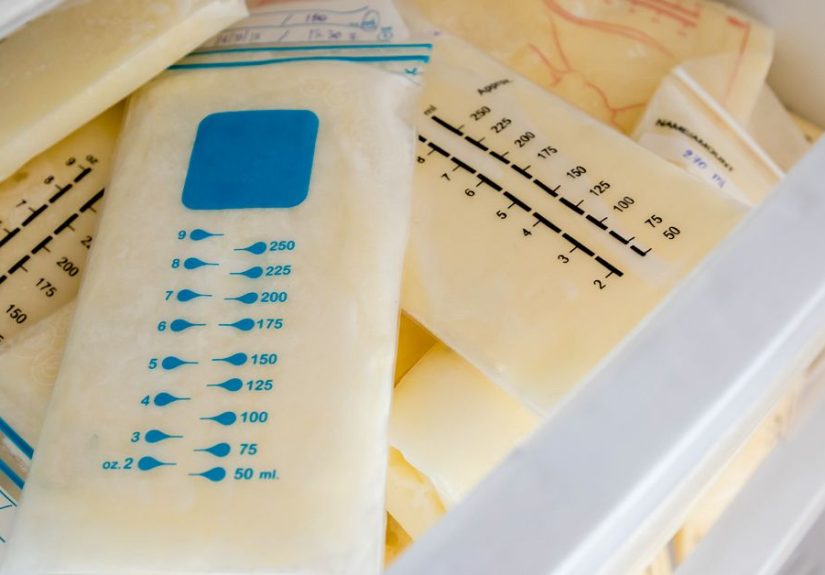
Use clean glass bottles, BPA-free plastic bottles, or breast milk storage bags. Make sure containers close tightly. If freezing milk, leave a little space at the top because breast milk expands as it freezes. A bag filled to the brim may become a frozen milk balloon, and not the fun kind.
Label Every Container
Write the date and time the milk was expressed. If the milk is going to daycare, add your baby’s name. Labels prevent confusion and help you follow the “first in, first out” rule, meaning the oldest milk gets used first.
Store Milk in the Back of the Refrigerator
The refrigerator door is convenient, but it is also the temperature roller coaster of the appliance world. Store breast milk toward the back of the refrigerator, where the temperature is colder and more stable. The same rule applies to the freezer: place milk away from the door when possible.
Can You Combine Breast Milk From Different Pumping Sessions?
Yes, you can combine breast milk from different pumping sessions, but do it safely. Freshly pumped warm milk should be chilled before adding it to already cold milk. This helps keep the older milk at a safe temperature.
For example, if you pumped 2 ounces at 9 a.m. and another 2 ounces at noon, chill the noon milk first before combining it with the morning milk. Label the combined container with the oldest pumping date and time. The milk’s storage clock should be based on the earliest expression time.
How to Freeze Breast Milk Without Wasting It
Freezing breast milk is a great way to build a backup supply, but the key is portion control. Freeze milk in small amounts, usually 2 to 4 ounces. For newborns, even smaller portions may be useful. This prevents the heartbreaking moment when you thaw 6 ounces and your baby drinks 1 ounce while giving you the facial expression of a tiny restaurant critic.
Lay storage bags flat in the freezer until frozen, then stand them upright or organize them in a container. This saves space and makes it easier to rotate older milk forward. Use frozen milk within 6 months for best quality, though properly stored milk may be acceptable up to 12 months.
How to Thaw Breast Milk Safely
The safest way to thaw frozen breast milk is in the refrigerator overnight. You can also hold the sealed container under warm running water or place it in a bowl of warm water. Once frozen milk is fully thawed in the refrigerator, use it within 24 hours.
Do not refreeze thawed breast milk. Also, avoid boiling or overheating it. Breast milk may separate during storage, with the fat rising to the top. This is normal. Gently swirl the milk to mix it back together before feeding.
How to Tell If Breast Milk Has Gone Bad
Fresh breast milk can smell slightly sweet, soapy, or even metallic depending on natural enzyme activity, especially lipase. A soapy smell does not always mean the milk is spoiled. Spoiled milk usually smells distinctly sour or rancid. If it smells truly unpleasant, looks curdled in an unusual way, or your baby refuses it repeatedly, it may be safer to discard it.
When in doubt, use caution. Breast milk is valuable, but so is your peace of mind. If the milk has been sitting out too long, was stored in a hot place, or you cannot remember when it was pumped, it is better not to gamble.
Special Cases: Premature or Medically Fragile Babies
Storage guidelines for healthy, full-term babies may not be strict enough for premature infants, babies with weakened immune systems, or babies with certain medical conditions. Hospitals and neonatal intensive care units often use tighter rules for milk handling. If your baby is premature, medically fragile, or under special care, follow your pediatrician’s or hospital’s instructions.
This is one area where “my neighbor said” is not the gold standard. Your baby’s healthcare team should be the guide.
Daycare and Work: Practical Breast Milk Storage Tips
If you are sending breast milk to daycare, label each bottle clearly with your baby’s name, the date, and the amount. Ask the daycare about its breast milk policy. Some centers require milk to arrive already portioned in bottles, while others may allow frozen milk or storage bags.
For pumping at work, bring a cooler bag with frozen ice packs if you do not have immediate refrigerator access. Freshly expressed milk can usually be kept in an insulated cooler with frozen ice packs for up to 24 hours. Once you get home, transfer it to the refrigerator or freezer promptly.
Common Breast Milk Storage Mistakes
Leaving Milk Out “Just a Little Longer”
The problem with “just a little longer” is that it can become an hour, then two, then a mystery. Set a phone timer when milk is left out. A timer is less judgmental than a tired brain.
Storing Milk in the Refrigerator Door
The door warms up every time it opens. Store milk in the back of the refrigerator for better temperature control.
Freezing Too Much in One Bag
Large bags may lead to waste. Small portions are easier to thaw and combine when needed.
Microwaving Breast Milk
Microwaving can heat unevenly and create hot spots. Warm water is safer.
Forgetting to Label Milk
Unlabeled milk creates confusion. Labeling takes five seconds and prevents the classic freezer debate: “Is this from Tuesday or from the ancient era?”
Frequently Asked Questions
Can breast milk sit out for 6 hours?
Some guidance allows up to 6 hours under very clean conditions and cooler room temperatures, but the safest everyday rule is to use or refrigerate freshly expressed milk within 4 hours. If the room is warm, refrigerate it sooner.
Can I put breast milk back in the fridge after it sat out?
If freshly expressed milk has been sitting out for less than 4 hours at safe room temperature, it can generally be refrigerated. If it has been warmed, thawed, or used for feeding, follow the shorter time limits.
Can babies drink cold breast milk?
Yes. Babies can drink breast milk cold, room temperature, or warm. Some babies have strong opinions about this, because apparently bottle temperature is their first restaurant review.
How long can thawed breast milk stay out?
Thawed breast milk should generally be used within 1 to 2 hours once it reaches room temperature.
How long is breast milk good after baby starts drinking?
Use leftover milk within 2 hours after the baby starts or finishes feeding. After that, discard it.
Real-Life Experience Notes: What Parents Learn the Hard Way
In real life, breast milk storage is not just a chart on the fridge. It is a morning routine, a daycare handoff, a pumping session squeezed between meetings, and sometimes a sleepy parent standing in the kitchen whispering, “When did I pump this?” The best system is the one that works when you are tired.
One helpful habit is creating a “milk landing zone.” This can be a small tray in the refrigerator, a labeled bin, or one specific shelf where all pumped milk goes immediately. When milk has a dedicated place, it is less likely to wander behind the pickles and become a forgotten dairy artifact. Parents who pump often find that organization reduces anxiety almost as much as it reduces waste.
Another practical lesson: write the date before you think you need to. Label the bottle or bag right after pumping, not later. Later is where good intentions go to nap. If you pump at work, keep a marker or waterproof labels in your pump bag. If you pump at night, use large, readable labels because midnight handwriting can look like ancient cave art by morning.
Parents also learn quickly that small portions are powerful. Freezing milk in 2-ounce or 3-ounce amounts may seem fussy at first, but it gives you flexibility. If the baby is still hungry, you can warm a little more. If the baby suddenly decides sleep is more interesting than dinner, you waste less. This is especially useful during growth spurts, bottle refusal phases, or those delightful days when the baby’s appetite changes every 12 minutes.
For outings, the cooler bag becomes the unsung hero. A good insulated bag with frozen ice packs can save milk during errands, commutes, pediatric appointments, and family visits. Keep the cooler closed as much as possible. Opening it repeatedly lets warm air in, and warm air is not invited to the milk party.
At daycare, communication matters. Ask exactly how staff prefer milk to be prepared. Some daycares want bottles ready to feed. Others allow storage bags but require clear labeling. Sending an extra small bottle can prevent stress if the baby needs a little more than usual. It also helps to review the 2-hour leftover rule with caregivers so everyone follows the same plan.
Finally, give yourself grace. Spilled milk, expired milk, and mystery milk happen. It feels frustrating because pumping takes time, energy, and sometimes Olympic-level patience. But safe feeding matters more than saving every ounce. A simple routinelabel, chill, store in small portions, and follow the 4-hour ruleturns breast milk storage from a daily guessing game into something manageable. Not glamorous, perhaps, but deeply useful. And in early parenting, “deeply useful” deserves a trophy.
Conclusion
So, how long can breast milk sit out? For freshly expressed milk, the best everyday answer is up to 4 hours at room temperature, as long as the room is 77°F or cooler. Thawed milk has a shorter window of 1 to 2 hours at room temperature, and leftover milk from a feeding should be used within 2 hours. Refrigerated fresh milk is generally good for up to 4 days, while frozen milk is best used within 6 months.
The safest approach is simple: keep everything clean, label every container, chill milk promptly, store it in small portions, and use the oldest milk first. Breast milk storage does not need to feel like advanced chemistry. With a few reliable rules, a marker, and maybe a freezer bin that does not judge you, you can keep your baby’s milk safe and your routine much calmer.
SEO Tags
Note: This article is for general educational publishing purposes and is based on current U.S. public health and pediatric storage guidance for healthy, full-term babies. Parents of premature, medically fragile, or immunocompromised babies should follow their pediatrician’s or hospital’s specific instructions.