Table of Contents >> Show >> Hide
- Quick Answer: Can You Freeze Cooked Turkey?
- Why Freeze Cooked Turkey?
- Before You Freeze: Food Safety Basics (Do This First)
- How to Freeze Cooked Turkey: Step-by-Step
- How Long Does Cooked Turkey Last in the Freezer?
- Best Ways to Thaw Frozen Cooked Turkey
- How to Reheat Frozen Cooked Turkey (Without Drying It Out)
- Common Mistakes to Avoid When Freezing Cooked Turkey
- How to Tell If Frozen or Thawed Turkey Should Be Tossed
- Best Uses for Frozen Cooked Turkey
- Frequently Asked Questions
- Real Kitchen Experiences & Practical Lessons (Extended 500-Word Section)
- Conclusion
If your fridge is currently hosting a giant platter of leftover turkey like it’s paying rent, this guide is for you. Freezing cooked turkey is one of the easiest ways to save money, reduce waste, and give your future self a small but meaningful gift (especially on a busy weeknight when “What’s for dinner?” feels like a personal attack).
The good news: cooked turkey freezes well. The better news: you don’t need fancy equipment or a culinary degree. You just need smart timing, proper packaging, and a label with a date so you don’t rediscover a mystery bag six months from now and call it “vintage protein.”
In this in-depth guide, you’ll learn exactly how to freeze cooked turkey step by step, how long frozen turkey lasts, the best thawing methods, how to reheat it safely, and common mistakes that can ruin texture (or worse, your appetite). We’ll also cover practical real-world freezer experiences at the end, so you can avoid the classic leftovers mistakes most home cooks make at least once.
Quick Answer: Can You Freeze Cooked Turkey?
Yes, absolutely. You can freeze cooked turkey safely, and it’s a great way to preserve leftovers. For best results, freeze it within the safe leftover window, package it tightly to prevent freezer burn, and label it clearly.
- Refrigerator: Cooked turkey leftovers are generally best used within 3 to 4 days.
- Freezer safety: Frozen food kept at 0°F stays safe indefinitely.
- Best quality window: Most cooked turkey leftovers taste best when used within about 2 to 6 months (with many sources listing 3 to 4 months for plain cooked turkey pieces).
That “safe indefinitely” part is great for food safety, but not for flavor. Turkey frozen too long can dry out, lose texture, and taste like it spent a semester abroad in the back of your freezer.
Why Freeze Cooked Turkey?
Freezing cooked turkey is useful for more than just post-holiday cleanup. It also helps with meal prep, bulk cooking, and leftovers from roasted turkey breast, deli-style sliced turkey, smoked turkey, or turkey used in casseroles.
Benefits of freezing cooked turkey
- Reduces food waste: You keep good food from spoiling in the fridge.
- Saves time: Pre-cooked protein makes fast lunches and dinners easier.
- Saves money: Buying or cooking in larger batches is often cheaper.
- Makes meal planning easier: Turkey can be added to soups, sandwiches, salads, wraps, pasta, tacos, and casseroles.
Before You Freeze: Food Safety Basics (Do This First)
Before you start packing leftovers, make sure the turkey is still safe to store. Freezing does not “undo” unsafe handling. If turkey sat out too long at room temperature, freezing it will preserve the problemnot solve it.
1) Follow the 2-hour rule
Refrigerate or freeze cooked turkey within 2 hours after cooking or serving. If the room or outdoor temperature is above 90°F (think summer parties or warm kitchens), that window drops to 1 hour.
2) Cool it quickly
Big containers cool slowly, which can keep food in the temperature “danger zone” longer than it should. Instead, divide turkey into smaller portions and use shallow containers so the heat escapes faster. Bonus: smaller portions also thaw faster later.
3) Remove meat from the bones
If you’re freezing leftovers from a whole bird, carve the meat off the bones first. Sliced or chopped turkey cools and freezes more efficiently than a giant intact chunk. (Also, future-you will not enjoy hacking into a frozen turkey leg like an ice sculptor.)
4) Check your freezer temperature
For safe long-term frozen storage, your freezer should stay at 0°F (-18°C) or below. A simple appliance thermometer helps verify the temperature instead of relying on the freezer’s optimistic dial.
How to Freeze Cooked Turkey: Step-by-Step
Step 1: Decide how you’ll use it later
Freeze turkey in portions that match your future meals. This prevents thawing a giant batch when you only need a little.
- Sandwiches/wraps: thin slices in 1–2 cup portions
- Soup or casserole: diced turkey in 2–3 cup portions
- Meal prep: single servings with or without side dishes
Step 2: Cool and portion the turkey
Let the turkey cool enough to handle safely, then divide it into small portions. Use shallow containers for temporary cooling if needed before final freezer packaging.
Step 3: Choose the right packaging
Good packaging is the difference between “Wow, this still tastes great” and “Why does this turkey taste like freezer air?” The goal is to reduce exposure to air and moisture loss.
Best options:
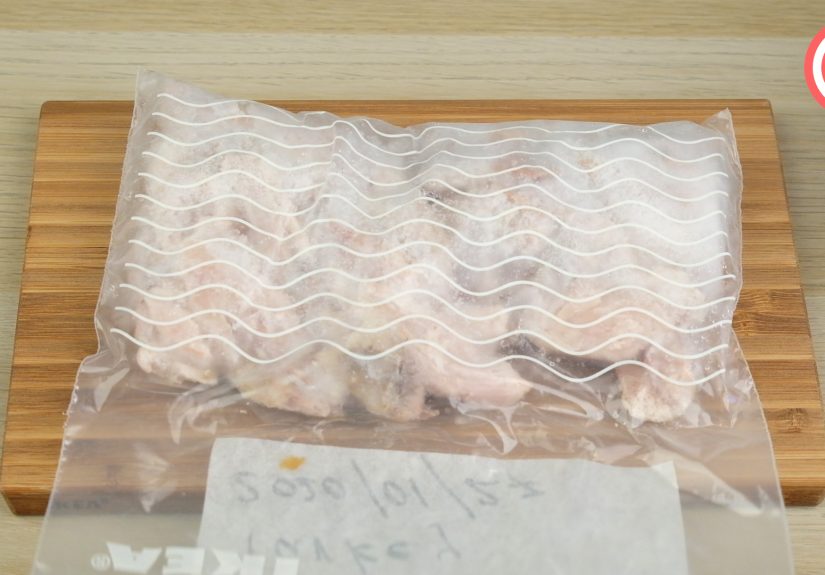
- Freezer-safe zip-top bags (with air pressed out)
- Airtight freezer containers
- Vacuum-sealed bags (excellent for quality)
- Heavy-duty foil or freezer paper (best as an extra wrap, not always ideal alone for long storage)
Step 4: Add moisture (optional, but smart)
If you’re freezing sliced turkey, adding a little broth or gravy helps protect texture and reduce dryness during reheating. Turkey pieces stored with broth or gravy often keep better quality longer than dry slices.
Just don’t drown it. A few spoonfuls is plenty.
Step 5: Label everything
Label each package with:
- Name of the food (e.g., “Cooked Turkey Breast – Sliced”)
- Date frozen
- Portion size (optional but helpful)
- Use-by quality note (e.g., “Best by 4 months”)
This simple step prevents freezer confusion and helps you rotate older food first.
Step 6: Freeze quickly and flat (when possible)
If using freezer bags, flatten them before freezing. Flat bags stack well, save space, and thaw faster. Place them in a single layer until frozen, then stack like edible file folders.
How Long Does Cooked Turkey Last in the Freezer?
Here’s the most important distinction:
- Safety: Frozen turkey stored continuously at 0°F remains safe indefinitely.
- Quality: Taste and texture are best within a limited window.
Recommended quality timeline for cooked turkey
- Plain cooked turkey pieces/slices: often best within 3 to 4 months
- General cooked meat/poultry leftovers: many charts list 2 to 6 months depending on form
- Turkey covered with broth or gravy: can maintain quality up to 6 months in some extension guidance
- Cooked poultry dishes/casseroles: often 4 to 6 months for best quality
So if you’re freezing leftover Thanksgiving turkey for sandwiches, soups, or pot pie, a good practical target is use it within 3 to 4 months for the best eating experience.
How long does cooked turkey last in the fridge before freezing?
If it’s already in the fridge, don’t wait too long. Cooked turkey leftovers are typically best used or frozen within 3 to 4 days. Freezing on day 1 or day 2 usually gives better flavor and texture than freezing on day 4.
Best Ways to Thaw Frozen Cooked Turkey
Safe thawing matters just as much as safe freezing. The three commonly recommended safe thawing methods are:
1) Refrigerator thawing (best method)
This is the safest and easiest method for most situations. Place the frozen turkey in the fridge (preferably on a plate or tray to catch drips) and let it thaw slowly.
- Best for: quality, convenience, and food safety
- Great for: overnight thawing
- Tip: thaw only what you need
Once thawed in the refrigerator, leftovers are generally safe for a few more days before reheating or using.
2) Cold water thawing (faster)
If you forgot to plan ahead (welcome to the club), thaw turkey in a leak-proof bag submerged in cold water. Change the water regularly to keep it cold.
- Best for: last-minute meals
- Important: cook/reheat promptly after thawing
3) Microwave thawing (fastest)
Microwave thawing works well for small portions, but it can heat some spots while others stay frozen. If you use this method, continue heating/reheating properly and bring the turkey to a safe serving temperature.
- Best for: single servings and quick lunches
- Important: reheat immediately after thawing
Can you reheat frozen cooked turkey without thawing?
Yes, in many cases you can reheat frozen cooked turkey directly, especially in soups, stews, casseroles, or covered oven dishes. It just takes longer. The key is reaching a safe internal temperature.
How to Reheat Frozen Cooked Turkey (Without Drying It Out)
Turkey can go from juicy to sawdust surprisingly fast if reheated carelessly. The trick is gentle heat plus moisture.
Safe reheating temperature
Reheat leftovers to an internal temperature of 165°F. Use a food thermometerespecially for larger portions.
Best reheating methods
- Stovetop: Great for diced turkey in broth, gravy, soup, or sauce.
- Microwave: Cover, stir/rotate if possible, and heat evenly to avoid cold spots.
- Oven: Place turkey in a covered baking dish with a splash of broth or gravy to keep it moist.
Pro tip for texture
Reheat only the portion you plan to eat. Repeated reheating dries turkey out and gradually turns it into a chewy science experiment.
Common Mistakes to Avoid When Freezing Cooked Turkey
1) Freezing it too late
If turkey has been in the fridge for several days already, freezing it “to save it” may not be a great move. Freeze earlier for better quality and safety margin.
2) Using poor packaging
Loose plastic wrap or containers with lots of air space invite freezer burn. Use airtight packaging and remove excess air.
3) Freezing giant portions
Large portions take longer to freeze and thaw. Smaller portions are safer, faster, and easier to use.
4) Forgetting to label
“I’ll remember what this is” is one of the top freezer myths in America. Label it.
5) Reheating without moisture
Dry reheating is the fastest path to dry turkey. Add broth, gravy, or a splash of water and cover it.
How to Tell If Frozen or Thawed Turkey Should Be Tossed
Freezing preserves food, but quality can still decline. After thawing, discard turkey if you notice:
- Strong off odors
- Sticky or slimy texture
- Unusual discoloration beyond minor freezer-related drying
- Evidence it was stored too long in the fridge before freezing
- You’re genuinely unsure how long it has been around
When in doubt, throw it out. No sandwich is worth a miserable weekend.
Best Uses for Frozen Cooked Turkey
Frozen cooked turkey is a meal-prep hero. It works especially well in recipes where a little broth, sauce, or dressing brings back moisture.
- Turkey noodle soup
- Turkey pot pie
- Turkey enchiladas
- Turkey fried rice
- Turkey salad sandwiches
- Turkey chili
- Turkey quesadillas
- Turkey pasta bake
For sandwiches, thaw and reheat gently (or use chilled thawed turkey if appropriate). For soups and casseroles, frozen diced turkey can often go straight into the pot or baking dish.
Frequently Asked Questions
Can you freeze cooked turkey twice?
You can sometimes refreeze cooked turkey, but quality may drop each time. If turkey was thawed safely in the refrigerator, it is generally more suitable for refreezing than turkey thawed by faster methods. For best taste, avoid repeated freeze-thaw cycles.
Is it better to freeze turkey with gravy?
Often, yes. Turkey stored with a little broth or gravy tends to stay moister and may hold quality better during freezer storage and reheating.
Can I freeze turkey on the bone?
You can, but it’s usually more practical to remove the meat from the bone first. It cools faster, saves space, and is easier to portion and thaw.
What’s the best container for freezing cooked turkey?
Freezer-safe airtight containers or freezer bags are great options. Vacuum sealing is excellent if you freeze cooked turkey often.
Real Kitchen Experiences & Practical Lessons (Extended 500-Word Section)
One of the biggest lessons home cooks learn about freezing cooked turkey is that the freezing part is easythe planning part is what makes the difference. A common experience is finishing a big meal, cleaning up halfway, and then staring at a mountain of turkey while everyone is too full to make decisions. That’s usually when people toss leftovers into one giant container “for now.” It feels efficient in the moment, but later it becomes a problem: the turkey cools slowly, takes up too much space, and turns into an all-or-nothing thawing project. The people who end up happiest with their leftovers are usually the ones who take an extra 10 minutes to portion and label.
Another frequent experience is the “freezer burn surprise.” The turkey is technically still safe, but the edges are dry, pale, and a little leathery because the packaging wasn’t airtight. This happens a lot with loosely wrapped plates, thin sandwich bags, or containers with too much empty air inside. The fix is simple but important: press out air, double-wrap when needed, and use freezer-safe packaging. Many cooks also notice that sliced turkey dries out faster than chopped turkey in sauce, broth, or gravy. That’s why gravy isn’t just deliciousit’s a texture insurance policy.
Texture changes are another real-world issue people notice, especially with white meat. Turkey breast can become a little drier after thawing and reheating, while dark meat often holds up better. This doesn’t mean freezing failed; it just means the reheating method matters. People who reheat turkey uncovered in the microwave often report disappointing results. People who reheat it gently with a splash of broth and a cover usually get much better texture. Same turkey, different outcome.
There’s also the “mystery bag” phase nearly every household experiences. You find an unlabeled frozen package and try to identify it by silhouette. Is it turkey? Is it soup? Is it mashed potatoes? Nobody knows. At that point, the food may still be safe, but confidence is gone. Labeling with the name and date sounds boring, but it prevents waste and makes freezer meal planning much easier. It also helps families rotate food instead of endlessly adding new packages on top of old ones.
A final practical lesson: frozen cooked turkey is most useful when it’s tied to a plan. People who freeze turkey “just because” sometimes forget about it. People who freeze it in meal-sized portions with a purposesoup night, sandwiches, pot pie, tacostend to use all of it. The best freezer habit is not just freezing food; it’s freezing food in a way your future self can actually use without frustration. In other words, don’t freeze a problem. Freeze a solution.
Conclusion
Freezing cooked turkey is one of the smartest leftover strategies you can use. It helps you save money, reduce waste, and keep easy meals on handwithout sacrificing food safety. The key steps are simple: cool it quickly, portion it into manageable amounts, use airtight freezer-safe packaging, label it clearly, and freeze it within the safe time window.
For quality, aim to use frozen cooked turkey within about 3 to 4 months (or up to 2 to 6 months depending on how it’s packaged and whether it’s stored with broth or gravy). When you’re ready to eat it, thaw safely and reheat to 165°F. Do that, and your leftovers will taste like smart planningnot freezer regret.