Table of Contents >> Show >> Hide
- What You’ll Learn
- Quick Answer: Where Is Tahini Most Often?
- The Tahini Aisle Map: 6 Places to Check (In Order)
- How to Spot Tahini Fast (And Avoid the Sneaky Look-Alikes)
- Common Tahini Brands and Formats You Might See
- Once You Find Tahini: How to Store It (So It Stays Tasty)
- What to Do With Tahini (Besides Hummus)
- If You Can’t Find Tahini: Best Substitutes
- Quick FAQ: Tahini Shopping Questions
- of “Tahini Hunt” Experiences (So You Don’t Feel Alone)
- Conclusion
Tahini is one of those ingredients that feels like it should have a dedicated spotlight and a theme song
but in many grocery stores, it’s quietly living its best life on a top shelf like an introvert at a loud party.
The good news: it’s not rare, it’s just… shelved creatively.
If you’re on a mission to make hummus, whip up lemony tahini sauce, or bake those “wait, tahini goes in cookies?”
desserts, this guide will help you find tahini fastwithout wandering every aisle like you’re in a cooking-show scavenger hunt.
Quick Answer: Where Is Tahini Most Often?
In most U.S. grocery stores, tahini is most commonly found in the nut and seed butter aisle
(near peanut butter and almond butter). If it’s not there, the next most likely home is the
international foods sectionoften near Middle Eastern or Mediterranean items like chickpeas,
pita, or olive-based products. Some stores also place it in the natural/organic section
or near condiments (think: salad dressings, sauces, and specialty spreads).
Pro tip: check top and bottom shelves. Tahini is frequently shelved just out of eye level,
as if it’s playing a low-stakes game of hide-and-seek with your patience.
The Tahini Aisle Map: 6 Places to Check (In Order)
1) Nut & Seed Butter Aisle (Most Common)
Start where peanut butter lives. Tahini is essentially sesame seed butter, so many retailers
group it with nut butters and seed butters. Look for jars labeled “tahini” or “sesame paste.”
- Where exactly: near almond butter, sunflower seed butter, and “natural” nut butters
- Shelf placement: often on a higher shelf, lower shelf, or in a small “specialty” cluster
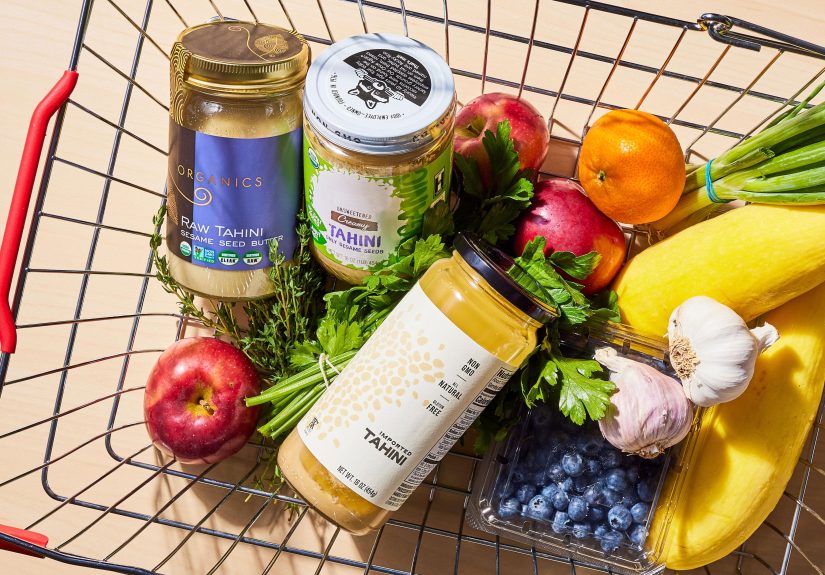
- What it looks like: a jar of beige-to-tan paste with a layer of oil on top (normal!)
2) International Foods (Middle Eastern / Mediterranean)
If your store has a dedicated international aisle, tahini often hangs out with Middle Eastern staples.
Think chickpeas, falafel mix, grape leaves, and jars of roasted peppers. Some stores label this section
“Mediterranean” rather than “Middle Eastern,” so scan both.
- Common neighbors: chickpeas, tahini-based sauces, olives, couscous, pita, shawarma/falafel items
- Bonus tip: look near hummus ingredients, not prepared hummus (which is refrigerated)
3) Natural / Organic / Specialty Foods
In stores with a separate “natural” section, tahini may be shelved there alongside specialty spreads,
organic nut butters, and wellness-adjacent foods (no judgmentyour tahini doesn’t meditate; it just tastes good).
- Look near: organic nut butters, seed butters, maple syrup, specialty sweeteners, “better-for-you” condiments
4) Condiments & Sauces
Some retailers treat tahini like a condimentespecially if they carry tahini in squeeze bottles or
flavored tahini sauces. If you spot it here, it’s usually near salad dressings, specialty sauces,
or “global” condiments.
- Look near: salad dressings, aioli, hot sauce, specialty dips (shelf-stable), sauce mixes
5) Middle Eastern / International Markets (If You Have One Nearby)
If your regular grocery store is striking out, a Middle Eastern or Mediterranean market is basically
the tahini equivalent of a VIP lounge. You’ll often find multiple brands, different roast levels,
and fresher turnover.
You may also find tahini labeled in multiple languages, larger tubs, or brands commonly used for
ultra-smooth hummus.
6) Online Ordering (When the Aisles Fail You)
If you’re using a grocery app or delivery service, search terms like “tahini,” “sesame paste,”
and “sesame butter”. Some stores list it under “spreads,” some under “international,”
and some under “condiments,” because consistency is not retail’s love language.
How to Spot Tahini Fast (And Avoid the Sneaky Look-Alikes)
Tahini is usually a pale beige paste made from ground sesame seeds (sometimes with added oil, depending on brand).
But there are a few items that can confuse the searchespecially when you’re scanning labels at Olympic speed.
Tahini vs. “Sesame Paste” vs. “Sesame Butter”
Many labels simply say “tahini.” Others say “sesame paste” or “sesame butter.”
If it’s meant for hummus, dressings, or Middle Eastern cooking, you’re in the right zone.
Tahini vs. Chinese Sesame Paste
Chinese sesame paste is typically made from more deeply roasted sesame seeds and tends to be darker,
thicker, and more intense. It’s delicious, but it’s not always a direct swap for tahini in recipes
that expect a milder flavor. If your recipe is aiming for classic hummus or lemon-garlic tahini sauce,
plain tahini is the safer bet.
Oil Separation Is Normal (It’s Not Broken)
Seeing oil pooled on top is common because tahini is naturally oily. Stir it back in with a sturdy spoon
(or use a little kitchen trick: warm the jar slightly and stir, or blend if it’s stubborn).
Separation is not a sign it’s spoiledit’s a sign it’s real sesame doing real sesame things.
Ingredient Check: What “Good” Tahini Usually Looks Like
- Simple ingredients: ideally sesame (and maybe salt, depending on brand)
- Texture: creamy and pourable once stirred (some brands are thicker)
- Flavor: nutty, slightly bitter, not sweet
If the ingredient list starts sounding like a chemistry final, consider choosing another jarespecially
if you’re making a recipe where tahini is the star.
Common Tahini Brands and Formats You Might See
U.S. stores carry a mix of classic jarred tahini and newer “no-stir” squeeze options.
Here’s what shoppers commonly run into:
Jarred Tahini (The Classic)
Most tahini comes in jars. It’s usually the best value and widely available. Expect separation and plan to stir.
Some brands are known for being extra smooth and mild; others have a more robust, slightly bitter edge.
- Where you’ll see it: nut butter aisle, international foods, natural foods
- Best for: hummus, sauces, dressings, baking
Squeeze-Bottle Tahini (The “Shake It and Go” Era)
Some brands offer tahini in squeeze bottles, designed to be easier to use and less annoying to mix.
It’s a great option if you use tahini frequently and don’t want to arm-wrestle a jar every time you crave a sauce.
- Where you’ll see it: condiments, natural foods, sometimes near salad dressings
- Best for: drizzling on bowls, toast, roasted vegetables, quick dressings
How Much Does Tahini Cost?
Prices vary by brand, size, and store type, but tahini generally costs more than basic peanut butter.
Specialty brands and squeeze formats tend to cost more, while larger jars (especially from international markets)
can be a better deal if you use it often.
Once You Find Tahini: How to Store It (So It Stays Tasty)
Tahini is typically shelf-stable and can be stored in a cool, dry pantry. Some people refrigerate it
to slow oil separation or preserve flavor longer, but chilling can also make it thicker and harder to stir.
In other words: refrigeration is optional, not a moral obligation.
Pantry vs. Fridge: Which Is Better?
- Pantry: easier to stir and pour, great for frequent use
- Fridge: may slow separation and help maintain freshness longer, but can stiffen
Whatever you choose, the biggest rule is simple: keep moisture out. Use a clean, dry spoon.
Water is the fast track to “why does this taste weird?”
How to Fix Separation Without Losing Your Mind
- Let the jar sit at room temperature if it’s cold and stiff.
- Stir from the bottom up (that’s where the thick paste hides).
- If it’s truly stubborn, transfer to a bowl and whiskor blend briefly.
What to Do With Tahini (Besides Hummus)
Yes, tahini is the backbone of hummus and baba ghanoushbut it’s also a secret weapon for creamy sauces,
richer dressings, and even desserts. It adds nutty depth and a silky texture that can make simple meals taste
like you planned them on purpose.
Easy, Popular Uses
- Classic tahini sauce: whisk tahini with lemon juice, garlic, salt, and water until smooth
- Salad dressing: tahini + lemon + olive oil + water + herbs
- Roasted vegetables: drizzle tahini sauce over cauliflower, carrots, or sweet potatoes
- Toast upgrade: spread tahini like nut butter, then add honey, dates, or a pinch of salt
- Soups & stews: stir in for non-dairy creaminess
- Baking: tahini cookies, brownies, or swirls in quick breads
If You Can’t Find Tahini: Best Substitutes
If your store is truly out (or you’re mid-recipe and refusing to put on real pants), you have options.
Substitutes won’t taste exactly the same, but they can save dinneror dessert.
Best Substitutes by Recipe Type
- For dressings and sauces: cashew butter or almond butter (mild and creamy)
- For nut-free swaps: sunflower seed butter
- For hummus in a pinch: sesame seeds blended with a little neutral oil (or a small amount of sesame oil for flavor)
- For “close enough” flavor: a small amount of sesame oil can add sesame aroma, but it won’t replace tahini’s body
Tip: if using nut butter, choose an unsweetened version. Sweetened peanut butter in hummus is… an experience,
but not the one most people are aiming for.
Quick FAQ: Tahini Shopping Questions
Is tahini usually refrigerated in the store?
Usually, no. Tahini is most often stocked on regular shelves. Prepared hummus is refrigerated,
but tahini (the ingredient) is typically shelf-stable.
Why can’t I find it even when the store “has it” online?
Store websites and apps may list tahini under different categories. Try searching multiple terms:
“tahini,” “sesame paste,” and “sesame butter.” Also, items can be mis-shelved or stocked in a small specialty area.
How do I pick a good jar?
Look for a simple ingredient list, a fresh “best by” date, and a brand that matches your needs:
extra smooth for sauces and hummus, or a more robust option for bolder flavor.
Does tahini go bad?
Like other seed and nut pastes, tahini can eventually turn rancid. If it smells off, tastes sharply bitter beyond normal,
or has visible mold (rare if kept dry), toss it. Keeping moisture out and storing it properly helps it last longer.
of “Tahini Hunt” Experiences (So You Don’t Feel Alone)
Let’s talk about the real emotional journey of finding tahini in a grocery storethe kind of mini-adventure
that starts with confidence and ends with you squinting at labels like you’re decoding an ancient scroll.
If you’ve ever walked in thinking, “This will take 30 seconds,” and then emerged 12 minutes later with olives,
pita chips, and absolutely no tahini, welcome. You are among friends.
One of the most common tahini experiences goes like this: you head straight to the hummus section because your brain says,
“Hummus = tahini, therefore tahini must live here.” That logic is adorable. Unfortunately, the hummus is refrigerated and
tahini is usually shelf-stable, which means tahini is off living a different life in a different neighborhood.
The fix is simple: treat the hummus case like a landmark, not the destination. Then turn toward the aisles where spreads
and pantry staples live.
Another classic scenario: you check the peanut butter aisle and don’t see it at eye level, so you assume the store doesn’t carry it.
But tahini has a sneaky habit of being shelved either above the peanut butter (where only basketball players shop)
or below it (where you have to squat like you’re doing functional fitness). The best move is a quick top-to-bottom scan
of the entire sectionespecially the “natural” shelf cluster where almond butter, sunflower seed butter, and other fancy spreads congregate.
Then there’s the “international aisle plot twist.” You wander over, expecting one tidy Mediterranean shelf, but the aisle is arranged like a
geography quiz: Asia on one end, Latin America in the middle, and Europe making a cameo appearance near the cookies. Tahini might be tucked
near chickpeas, falafel mix, or grape leavesor it might be sitting beside random jars of peppers because the shelf tag simply says
“SPECIALTY.” If you start feeling dramatic, that’s normal. Just search for the word “tahini” on shelf tags (some stores actually label it),
and remember that “sesame paste” may be the backup name.
A surprisingly common “experience” is mistaking something else for tahiniespecially if you see a jar labeled sesame paste in a darker color.
That’s often Chinese sesame paste, which is delicious but not always the same flavor profile your hummus recipe wants. If your goal is classic,
lemony tahini sauce, look for a lighter-colored paste and a simple ingredient list. If your goal is “I want a deeply roasted, sesame-forward flavor,”
then congratulations: you accidentally found something amazing.
Finally, there’s the ultimate tahini win: the moment you find it and realize you’ve been walking past it for years.
It’s a little jar, sometimes wedged next to specialty nut butters, quietly waiting for the day you decide to level up your sauces.
When that happens, celebrate responsiblyby buying two jars if you make hummus often, because tahini has a way of becoming a pantry staple the minute
you finally know where it lives.