Table of Contents >> Show >> Hide
- Why UC and Eye Problems Are Connected
- How Common Are Eye Issues in Ulcerative Colitis?
- The Big 3 Eye Conditions to Know in UC
- Other Eye-Related Problems in UC
- Red-Flag Symptoms: When to Seek Eye Care Immediately
- How Doctors Diagnose UC-Related Eye Problems
- Treatment: Protect Vision While Treating the Whole Person
- Daily Habits That Help Protect Your Eyes
- A Practical 7-Step Action Plan
- Questions to Ask Your Doctor
- Experience Section (About ): What This Looks Like in Real Life
- Final Takeaway
Ulcerative colitis (UC) is mostly known for gut symptoms, bathroom urgency, and the occasional need to map every restroom in a three-mile radius. But UC doesn’t always stay in the colon. It can show up in other body systems tooincluding your eyes. And when it does, the symptoms can range from mildly annoying (red, irritated eyes) to urgent (painful inflammation that can threaten vision).
The good news: most UC-related eye issues are treatable, especially when caught early. The not-so-good news: many people assume a red eye is “just allergies” and wait too long. This guide breaks down what UC can do to your eyes, what symptoms are red flags, what treatment usually looks like, and how to build a simple plan that protects your vision while keeping your UC under control.
This article synthesizes medical guidance and research from major U.S. health organizations and academic sources, including the National Eye Institute (NIH), NIDDK, CDC, MedlinePlus, Crohn’s & Colitis Foundation, Mayo Clinic, Cleveland Clinic, Johns Hopkins Medicine, AAFP, ACG guideline literature, and peer-reviewed studies indexed in PubMed/PMC.
Why UC and Eye Problems Are Connected
Think of your immune system as a smoke alarm that’s a little too enthusiastic. In UC, that alarm is already overreacting in the colon. Sometimes the same inflammatory pathways spill into other tissuesjoints, skin, liver, and yes, eyes. Doctors call these extraintestinal manifestations, meaning “outside-the-intestine effects.”
Eyes are especially sensitive to immune-driven inflammation. When inflammation affects the outer surface layers, you may get redness and irritation. When it affects deeper eye structures, symptoms can escalate fast and become vision-threatening. That’s why UC + eye symptoms should always be taken seriously, even when your gut is relatively calm.
Quick reality check
- Not every red eye in UC is dangerous.
- Some eye conditions are mild and self-limited.
- Others need same-day eye care to prevent vision loss.
- You cannot reliably tell which is which by “Googling your eyeball in a mirror.”
How Common Are Eye Issues in Ulcerative Colitis?
Eye involvement in inflammatory bowel disease is not rare. Depending on the source and how conditions are defined, estimates vary. Some clinical handouts and foundation resources cite roughly 10% of people with IBD experiencing eye problems at some point, while broader research reviews report a wider range for ocular manifestations in IBD.
Translation: this is common enough that every person with UC should know the warning signs. You don’t need to panicyou need a plan.
The Big 3 Eye Conditions to Know in UC
1) Episcleritis: common, usually milder, still worth checking
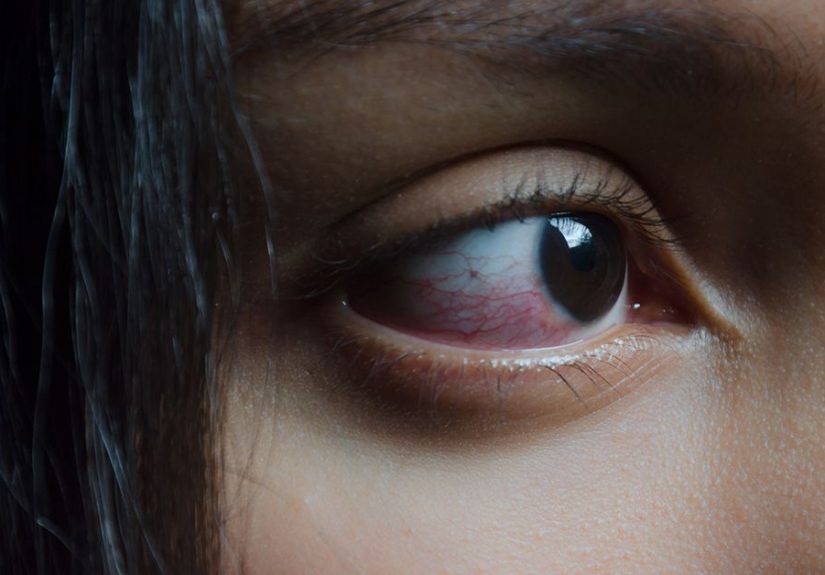
Episcleritis is inflammation of tissue over the white part of the eye (episclera). It often causes:
- Localized or diffuse redness
- Mild soreness or gritty discomfort
- Tearing and light sensitivity
- Little to no vision change
In UC and other IBD conditions, episcleritis may track with bowel activity (more likely during flares). It’s often more annoying than dangerous, but the key word is often, not always. Because scleritis and uveitis can look similar at first, get an eye exam rather than self-diagnosing with optimism and a cold washcloth.
2) Uveitis: less common, more urgent
Uveitis is inflammation inside the eye (in the uveal tract), and it can threaten vision if untreated. Symptoms may start suddenly and include:
- Eye pain
- Redness
- Blurred vision
- Floaters
- Sensitivity to light (photophobia)
Unlike episcleritis, uveitis can occur independently of gut flare timing. In other words, even if your UC symptoms are currently manageable, your eyes may still need urgent attention.
3) Scleritis: severe pain, higher risk, do not ignore
Scleritis is deeper inflammation of the sclera (the white wall of the eye). It tends to be significantly more painful than episcleritis and can be associated with:
- Deep, boring eye pain (sometimes worse with eye movement)
- Redness and tenderness
- Possible vision changes
- Risk of permanent eye damage if untreated
If your eye is red and painfulespecially with light sensitivity or blurry visiontreat that as urgent. “I’ll wait and see tomorrow” is not a winning strategy here.
Other Eye-Related Problems in UC
Dry eye and ocular surface irritation
Some people with UC report dry, irritated, burning eyes. Causes can include inflammation, tear film instability, environment, and medication effects. Dry eye is usually manageable but can still affect daily quality of lifeespecially if you spend all day on screens and all evening pretending you’ll “just check one more email.”
Medication-related eye effects
UC treatment protects your gut and can protect your eyes by reducing systemic inflammation, but some medications (especially long-term corticosteroids) may increase the risk of cataracts or glaucoma. That doesn’t mean “avoid treatment.” It means treatment should be monitored intelligently, with regular follow-up and eye checks when indicated.
Red-Flag Symptoms: When to Seek Eye Care Immediately
If you have UC and notice any of the following, seek same-day eye care (or urgent care/ER if eye specialists aren’t immediately available):
- Eye pain (especially moderate to severe)
- Sudden blurred vision or decreased vision
- New floaters or flashing lights
- Marked light sensitivity
- Red eye plus headache, nausea, or feeling systemically unwell
- Symptoms that worsen quickly over hours to a day
If symptoms are mild (e.g., low-grade irritation), still contact your care team promptly. The goal is to sort harmless from high-risk earlynot late.
How Doctors Diagnose UC-Related Eye Problems
Eye diagnosis usually starts with an ophthalmology exam and symptom history. Depending on findings, your doctor may use:
- Slit-lamp exam to evaluate inflammation in front eye structures
- Dilated eye exam to assess retina/choroid and posterior inflammation
- Imaging (e.g., OCT) if deeper layers are involved
- Targeted bloodwork or additional tests if systemic causes are suspected
The key clinical question is not just “Is the eye red?” but “Which layer is inflamed, how severe is it, and what systemic management is needed?”
Treatment: Protect Vision While Treating the Whole Person
Treatment depends on the diagnosis and severity. Common strategies include:
For milder surface inflammation (often episcleritis)
- Lubrication and symptom support
- Topical anti-inflammatory therapy when needed
- Monitoring for progression or recurrence
For uveitis/scleritis or vision-threatening inflammation
- Prescription corticosteroid eye drops, injections, or oral/systemic therapy
- Immunosuppressive or biologic therapy for recurrent/severe cases
- Co-management between gastroenterology and ophthalmology
- Frequent follow-up to monitor pressure, lens changes, and inflammation control
Important: never stop UC medications abruptly without medical advice. The best results usually come from coordinated careGI + eye specialist + primary care.
Daily Habits That Help Protect Your Eyes
1) Build an eye symptom tracker
Note redness, pain level, light sensitivity, blur, floaters, and timing relative to gut symptoms. This helps your doctors identify patterns and tailor treatment.
2) Keep scheduled GI care
Better UC control often reduces extraintestinal inflammation risk. Remission is not just a colon winit’s a whole-body win.
3) Don’t skip eye exams if you have recurring symptoms
If you’ve had prior eye inflammation, ask your care team how often you should be seen. Preventive monitoring beats emergency visits.
4) Use screen-smart habits
- 20-20-20 rule (every 20 minutes, look 20 feet away for 20 seconds)
- Blink deliberately when reading or working
- Use artificial tears if recommended
5) Avoid smoking
Smoking is linked to poorer outcomes in many inflammatory and eye conditions, and quitting helps across systems.
6) Know your meds
Keep a current medication list and ask specifically: “Any ocular side effects I should monitor?” This one question prevents many surprises.
A Practical 7-Step Action Plan
- Learn your red flags (pain, blur, floaters, photophobia, rapid worsening).
- Create a fast-contact list (GI clinic, ophthalmology office, urgent care).
- Track symptoms in your phone notes or a simple sheet.
- Attend routine UC follow-ups even during remission.
- Request co-management if eye symptoms recur.
- Review steroid exposure and monitoring needs.
- Escalate quickly when symptoms change suddenly.
Questions to Ask Your Doctor
- “Do my eye symptoms look like episcleritis, uveitis, or scleritis?”
- “Could this be related to UC activity or independent inflammation?”
- “What should trigger same-day follow-up?”
- “How will my UC treatment plan affect eye risk?”
- “Do I need regular pressure/lens checks because of steroid use?”
- “How should GI and ophthalmology coordinate my care?”
Experience Section (About ): What This Looks Like in Real Life
Experience 1: “I thought it was just pink eye.”
A 29-year-old with UC noticed one red eye during a stressful workweek and assumed it was irritation from long screen time. There was mild soreness but no major vision loss, so she waited four days. When light sensitivity kicked in, she finally saw an eye specialist. Diagnosis: anterior uveitis. She started treatment quickly and improved, but she later said the biggest lesson was how fast symptoms can escalate. Her quote could be printed on a T-shirt: “If your eye feels dramatic, don’t gaslight your own eyeball.”
Experience 2: “My gut was calm, so I thought my eyes were safe.”
A graduate student in apparent UC remission developed painful eye redness and blur right before finals. Because bowel symptoms were minimal, he assumed the two couldn’t be connected. Eye exam showed inflammatory eye disease requiring urgent therapy and close follow-up. The key takeaway: extraintestinal inflammation doesn’t always wait for a gut flare invitation. After recovery, he added one practical habit: at the first sign of eye pain + light sensitivity, he contacts both GI and ophthalmology the same day.
Experience 3: “Episcleritis kept returning every flare.”
A parent with moderate UC noticed a recurring pattern: each bowel flare came with bright red eyes, mild discomfort, and tearing. Eye exams repeatedly showed episcleritis rather than deeper inflammation. Treatment focused on controlling bowel inflammation and supportive eye care during flares. The most helpful change was tracking flare timelines in a phone app. Over time, that data helped clinicians adjust UC treatment earlier, reducing both gut and eye symptom frequency. The patient described it as “finally connecting the dots instead of chasing random fires.”
Experience 4: “Steroids helpedthen we had to monitor the trade-offs.”
A middle-aged patient required repeated steroid courses for severe inflammatory episodes. Vision got better during treatment, but over time the care team became more proactive about monitoring eye pressure and lens changes. That didn’t mean steroids were “bad”; it meant the plan evolved with careful surveillance and steroid-sparing strategies where possible. The person’s best advice to others: ask about side effects early, keep follow-up appointments, and never feel awkward about “too many questions.” In complex chronic disease, curiosity is a health skill.
Experience 5: “The emotional side was real.”
One patient shared that eye symptoms triggered more anxiety than gut symptoms because vision felt more immediately scary. She worked with her team on a clear escalation checklist: what symptoms to watch, who to call, and where to go after-hours. That checklist lowered panic, shortened delays, and improved confidence. Her words: “The plan didn’t just protect my eyes; it protected my brain from spiraling.”
These experiences reflect a common truth: outcomes improve when people act early, track patterns, and use coordinated care. You don’t have to become your own ophthalmologist. You just need to recognize warning signs and respond fast.
Final Takeaway
Ulcerative colitis can affect your eyes in ways that are sometimes mild and sometimes urgent. The most important move is speed plus coordination: notice symptoms early, get the right exam quickly, and keep GI and eye care teams aligned. With timely treatment and smart follow-up, most people can protect their vision and keep living fullyeven when UC tries to run the group chat.