Table of Contents >> Show >> Hide
- Why Blue Works So Well in a Living Room
- Step One: Choose the Right Shade of Blue
- Step Two: Decide Where the Blue Should Go
- Step Three: Build a Balanced Color Palette
- Step Four: Use Texture to Make the Room Feel Finished
- Step Five: Get the Lighting Right
- Step Six: Arrange Furniture for Real Life
- Step Seven: Add Art, Pattern, and Personality
- Budget-Friendly Blue Living Room Makeover Ideas
- Common Blue Living Room Mistakes to Avoid
- Experience Section: What Living With a Blue Living Room Really Teaches You
- Final Thoughts: Make Blue Feel Like Home
Blue is one of those rare colors that can walk into a living room wearing flip-flops or a velvet blazer and somehow look completely appropriate. It can be calm, coastal, dramatic, traditional, modern, moody, playful, elegant, or “I finally have my life together” stylish. That is why a blue living room makeover remains one of the smartest ways to refresh a space without making it feel trendy for exactly eight minutes.
Whether you are dreaming of soft powder-blue walls, a navy blue living room with serious designer energy, or a few tasteful blue accents that do not scream “theme party,” this guide walks through paint colors, furniture choices, lighting, textures, layout, accessories, and real-life lessons from living with blue decor. The goal is simple: create a living room that feels beautiful, comfortable, and personalnot like a furniture showroom where nobody is allowed to sit down.
Why Blue Works So Well in a Living Room
The living room has a tough job. It has to welcome guests, survive movie nights, hide snack evidence, support long conversations, and occasionally become a temporary laundry-folding headquarters. Blue helps because it is visually flexible. Lighter blues can make a room feel airy and open, while deeper blues can add warmth, depth, and sophistication.
Another reason blue works beautifully is that it pairs well with both cool and warm materials. It can look crisp with white trim, relaxed with oak furniture, elevated with brass accents, earthy with jute and rattan, and dramatic with black, walnut, or cognac leather. In other words, blue is not fussy. It is the friend who gets along with everyone at dinner.
Step One: Choose the Right Shade of Blue
The most important decision in a blue living room makeover is choosing the shade. Not all blues behave the same way. A color that looks soft and dreamy on a paint chip can become icy on the wall. A navy that looks rich online might feel too heavy in a small room with little sunlight. This is why testing paint samples is not optionalit is the grown-up version of trying shoes on before buying them.
Soft Blue for an Airy, Relaxed Look
Soft blue is perfect if you want a bright and peaceful living room. Think misty blue, pale sky blue, blue-gray, or powder blue. These shades are especially useful in small spaces because they can visually open up the room without looking plain. Pair soft blue walls with warm white trim, light wood furniture, linen curtains, and a textured rug for a space that feels fresh but not chilly.
Navy Blue for Drama and Depth
A navy blue living room can feel polished, cozy, and timeless. Navy works beautifully on an accent wall, built-in shelving, fireplace surrounds, or even all four walls if the room has good lighting and balanced decor. To keep navy from feeling too serious, add contrast with cream upholstery, warm metals, patterned pillows, and natural textures. Navy is dramatic, yes, but with the right styling it does not have to act like it owns a yacht.
Blue-Green and Teal for Personality
If classic blue feels too safe, blue-green or teal can add more personality. These shades work well in eclectic, modern, and transitional living rooms. Teal pairs especially well with mustard yellow, rust, terracotta, walnut, ivory, and aged brass. Use it on a sofa, media cabinet, accent chair, or statement wall if you want the room to feel memorable without turning it into a color circus.
Step Two: Decide Where the Blue Should Go
A successful blue living room makeover does not require painting every surface blue. Sometimes the smartest choice is one strong blue element supported by quieter pieces. Before buying paint or furniture, decide what role blue will play in the room.
Option 1: Blue Walls
Blue walls create the biggest transformation. For a calm look, choose a muted blue-gray or pale blue. For a bold design, consider navy, denim, or slate blue. If you love the idea of color drenching, paint the walls, trim, and built-ins in the same blue or closely related tones. This can make the room feel intentional and custom, especially when paired with elegant lighting and simple furniture.
Option 2: A Blue Sofa
A blue sofa is a fantastic anchor piece. It adds color without requiring a permanent wall commitment. Velvet navy sofas feel luxurious, denim-blue sofas feel casual, and soft blue slipcovered sofas bring relaxed coastal charm. If your sofa is the star, keep the wall color more neutral and repeat blue in smaller touches, such as artwork, pillows, or a patterned rug.
Option 3: Blue Accessories
If you are color-curious but commitment-shy, start with accessories. Blue throw pillows, ceramic vases, curtains, lamps, ottomans, and wall art can completely shift the mood of a room. This is also the most budget-friendly route because you can experiment without repainting or replacing major furniture.
Step Three: Build a Balanced Color Palette
The secret to beautiful blue living room ideas is balance. Blue can feel cool, so it often needs warmth from surrounding colors and materials. Without that warmth, your living room may start to feel less “fresh retreat” and more “waiting room with expensive pillows.”
Blue and White
Blue and white is classic for a reason. It feels crisp, clean, and timeless. To avoid an overly nautical look, skip the obvious anchors, shells, and rope overload. Instead, use white walls or trim, blue upholstery, patterned textiles, natural wood, and elegant artwork. The result feels coastal-inspired without looking like a souvenir shop moved into your house.
Blue and Beige
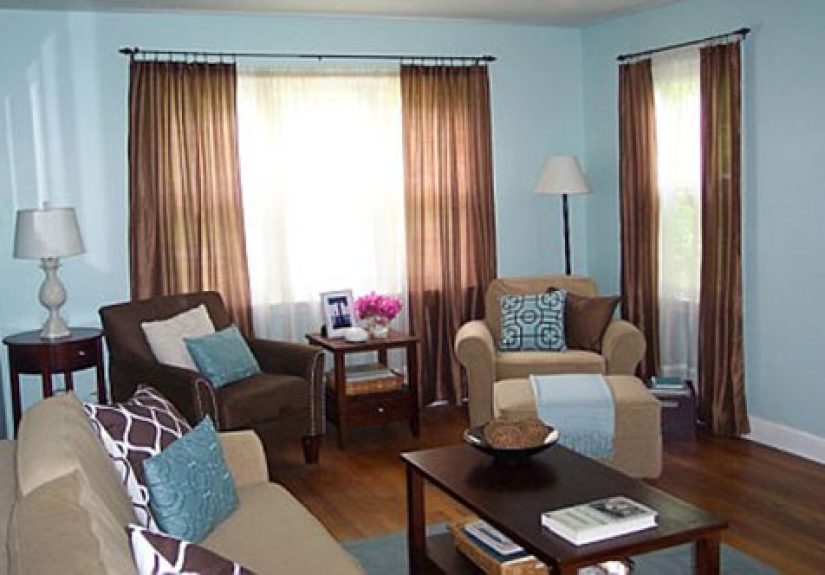
Blue and beige is warm, approachable, and easy to live with. Beige softens blue and makes the room feel comfortable rather than formal. Use beige sofas, natural fiber rugs, woven shades, and cream pillows to create a calm foundation. This combination is excellent for families because it feels stylish but not precious.
Blue and Brown
Blue and brown create a grounded, handsome palette. Try navy walls with leather chairs, medium blue pillows on a brown sofa, or a blue rug beneath walnut furniture. This pairing feels especially good in traditional, rustic, transitional, and masculine-leaning spaces.
Blue with Yellow, Orange, or Rust
For more energy, pair blue with warm accent colors. Mustard yellow, burnt orange, terracotta, and rust all bring life to blue rooms. Use these colors sparingly through pillows, art, books, ceramics, or a single chair. A little warmth goes a long waylike hot sauce, but for interior design.
Step Four: Use Texture to Make the Room Feel Finished
Texture is what keeps a blue living room from feeling flat. A room can have the perfect paint color and still feel unfinished if every surface is smooth and similar. Mix materials to create depth and comfort.
Try linen curtains, a wool rug, velvet pillows, rattan baskets, wood tables, brass lamps, ceramic vases, and woven trays. If you have blue walls, texture becomes even more important because it breaks up the color and gives the eye places to rest. A navy room with only sleek furniture can feel intense, but a navy room with linen, oak, books, plants, and warm lighting feels layered and inviting.
Step Five: Get the Lighting Right
Lighting can make or break a blue living room makeover. Blue paint changes throughout the day. Morning light may make it look fresh and bright. Evening light may make it appear deeper, grayer, or greener. That is not a problemit is just blue being dramatic, as usual.
Use at least three layers of lighting: overhead lighting, task lighting, and accent lighting. A ceiling fixture or chandelier gives general light. Table lamps and floor lamps create comfort for reading or relaxing. Accent lighting, such as picture lights or sconces, highlights art and architectural details.
Warm bulbs are usually best for blue rooms because they soften cool undertones. If the room feels cold, switch bulbs before repainting. Sometimes the problem is not the wall color; it is the lighting making everything look like it was filmed in a refrigerator.
Step Six: Arrange Furniture for Real Life
A beautiful blue living room should also function well. Start with the main conversation area. The sofa, chairs, and coffee table should feel connected, not scattered like furniture waiting for a bus. Pull furniture slightly away from the walls if space allows. This often makes the room feel more designed and cozy.
Choose a rug large enough for at least the front legs of the main seating pieces to sit on it. A too-small rug can make even expensive furniture look awkward. The coffee table should be easy to reach from the sofa, and side tables should be placed near seats that need a landing spot for drinks, books, or the remote control that mysteriously disappears every evening.
Step Seven: Add Art, Pattern, and Personality
Art helps connect the blue color scheme to the rest of the room. Choose pieces that include blue but also bring in secondary colors like cream, tan, green, gold, or rust. This makes the palette feel intentional instead of randomly assembled.
Pattern is also your friend. Striped pillows, floral curtains, geometric rugs, block-print lampshades, or abstract artwork can keep the room lively. The key is to vary the scale. If your rug has a large pattern, use smaller patterns on pillows. If your curtains are bold, keep the sofa simpler. A good blue living room has rhythm; it does not need every item to shout at once.
Budget-Friendly Blue Living Room Makeover Ideas
You do not need a designer budget to create a beautiful room. Start with paint if your walls need a major change. Paint delivers the biggest visual impact for the money. If painting is not possible, update textiles instead. Blue curtains, pillow covers, throws, and rugs can refresh the room quickly.
Another smart upgrade is painting existing furniture. A tired bookcase, side table, or media console can look custom with a rich blue finish and new hardware. You can also frame blue wallpaper panels as oversized art, add peel-and-stick wallpaper inside bookcases, or swap old lampshades for textured linen ones.
Common Blue Living Room Mistakes to Avoid
Choosing a Blue That Is Too Bright
Bright blue can be fun, but large amounts of it may feel loud in a living room. If you love vivid blue, use it as an accent through art, pillows, or a chair. For walls, muted shades usually age better and are easier to decorate around.
Forgetting Warmth
Blue needs warmth from wood, woven textures, brass, leather, warm whites, or earthy accent colors. Without these elements, the room can feel sterile. Add natural materials before deciding the blue was a mistake.
Going Too Themed
Blue often gets pushed into coastal territory, but a beautiful blue living room does not need seashells, anchors, or signs that say “Beach.” Subtle references are better: linen, driftwood tones, soft whites, ocean-inspired art, and natural textures. Hint at the coast; do not make the room audition for a seafood restaurant.
Experience Section: What Living With a Blue Living Room Really Teaches You
After helping with and observing several blue living room updates, one lesson becomes obvious: blue rewards patience. It is not a color you should choose from a tiny paint chip while standing under fluorescent store lighting. Blue changes dramatically depending on sunlight, shadows, flooring, and nearby furniture. A blue that looks elegant in one house can look icy in another. Testing samples on different walls is the first real step toward success.
One memorable makeover started with a plain beige living room that felt clean but forgettable. The homeowner wanted a room that felt calm but not boring. Instead of painting everything navy, the makeover began with a muted blue-gray on the walls, a cream sofa, warm wood tables, and brass lamps. At first, the room looked almost too simple. Then came the details: a patterned rug with soft blue and tan, framed landscape art, linen curtains, and pillows in rust and ivory. Suddenly the room felt complete. The blue was not loud; it simply gave the space a mood.
Another experience involved a dark blue accent wall behind a fireplace. The idea sounded risky because the room was not huge. But the fireplace wall already needed a focal point, and the deep blue made it feel intentional. The mistake at first was pairing it with cool gray furniture and bright white bulbs. The room looked sharp but not cozy. Once the lighting was warmed up, a woven rug was added, and a few tan leather and wood accents came in, the wall looked rich instead of heavy.
The biggest surprise with blue living rooms is how much plants help. Greenery looks incredible against almost every shade of blue. A fiddle leaf fig, snake plant, pothos, or olive tree can make blue feel alive and grounded. Even small plants on shelves or side tables soften the room. Blue and green together feel natural because we see them outdoors all the timesky, water, leaves, shade. Nature already approved the palette before humans started arguing over throw pillows.
Another practical lesson is that blue can hide or highlight clutter depending on the shade. Pale blue rooms can feel messy if too many small accessories are scattered around. Dark blue rooms can look elegant with fewer, larger decor pieces. In both cases, editing matters. A beautiful makeover is not only about adding things; sometimes it is about removing the extra objects that make the room feel busy.
Finally, a blue living room works best when it reflects the people who live there. The most successful rooms are not perfect. They have books, family photos, a favorite chair, a slightly dramatic lamp, and maybe one pillow that does not technically match but makes somebody happy. Blue creates the backdrop, but personality makes the room lovable.
Final Thoughts: Make Blue Feel Like Home
A beautiful blue living room makeover is not about copying a magazine photo. It is about choosing the right shade, balancing it with warmth, layering texture, improving lighting, arranging furniture well, and adding details that feel personal. Blue can be peaceful or bold, classic or modern, soft or dramatic. The magic happens when the room feels designed but still comfortable enough for real life.
Start small if you are unsure. Try blue pillows, a rug, or art. If you are ready for a bigger change, test paint samples and watch them throughout the day. Whether you choose powder blue walls, a navy sofa, teal built-ins, or just a few rich blue accents, the result can be a living room that feels fresh, timeless, and welcoming. And if anyone asks why your space suddenly looks so good, just smile and say, “Oh, this old beautiful blue living room makeover?”
Note: This article was written as original web-publishing content and synthesized from real home design, paint, and decorating best practices without inserting source links or citation placeholders into the article body.