Table of Contents >> Show >> Hide
- Before We Start: Two Rules That Make Everything Easier
- Way #1: Be the Kind Kid Everyone Feels Good Around
- Way #2: Learn Tiny Conversation Skills (So Talking Doesn’t Feel Like a Boss Battle)
- Way #3: Build Real Confidence by Being More “You” (Not a Copy of Someone Else)
- How to Tell If They Might Like You Back (Without Becoming a Detective)
- What If They Don’t Like You Back?
- When to Ask a Grown-Up for Help
- Mini Checklist: Your Crush Plan in 60 Seconds
- Experience Corner: Real-Life Kid Moments (Extra Stories)
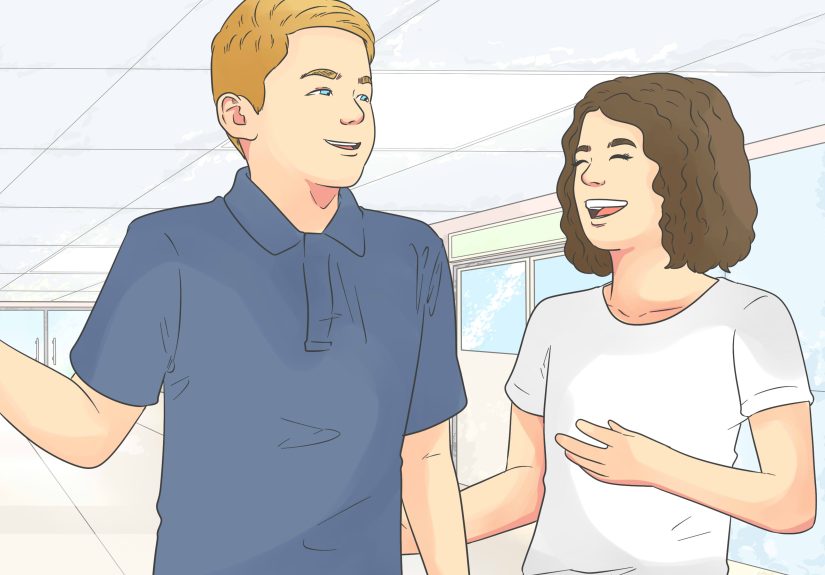
Having a crush can feel like your brain suddenly turns into a bouncing ball: boing! boing! boing! One minute you’re fine, the next minute your stomach is doing cartwheels because they walked past your desk like it was a runway. If you’ve ever waved and accidentally looked like you were swatting a fly… welcome to the club.
Here’s the good news: you don’t have to be cool, mysterious, or a professional joke-teller to be someone people like. And here’s the honest news: you can’t force anyone to like you. But you can become the kind of kid who’s easier to talk to, fun to be around, and genuinely pleasant to know. That’s what this guide is about.
Before We Start: Two Rules That Make Everything Easier
Rule #1: You can’t control someone’s feelings (and that’s okay)
People like what they likejust like you might love pineapple on pizza while someone else thinks it’s a crime against cheese. Your goal isn’t to “win” your crush. Your goal is to build a friendly connection and show your best self. If your crush likes you back, awesome. If not, you still practiced skills that make friendships (and future crushes) easier.
Rule #2: Kindness is not a trickit’s your baseline
Being kind just to get something is like borrowing someone’s pencil and returning it as a toothpick. Real kindness means you treat people well whether they become your best friend, your crush, or simply your classmate. Also: no pressure, no teasing, no “prove you like me” games. Respect is always the rule.
Way #1: Be the Kind Kid Everyone Feels Good Around
Want a surprisingly powerful “crush strategy”? Be the kid who makes school feel safer and friendlier. When someone thinks, “I feel good around you,” that’s a giant green flag. And it works even if your crush doesn’t sit next to you, because your reputation travels faster than a cafeteria rumor.
What this looks like in real life
- Include people: “Wanna join our game?” “You can sit here.”
- Use small kindness: hold a door, share supplies, offer help without making it a big deal.
- Be safe to talk to: don’t spread secrets, don’t screenshot messages, don’t turn jokes into mean comments.
- Respect boundaries: if someone says “no thanks,” you accept it the first time.
If you’re thinking, “But I’m trying to get my crush to like me, not run for mayor,” trust methis helps. Most people (kids and grown-ups) are drawn to people who are consistently respectful and not mean or dramatic.
Quick “Do / Don’t” list
Do: be friendly to lots of people, not only your crush.
Don’t: act rude to others to look cool. (It usually has the opposite effect.)
Do: apologize if you mess up. A real apology is brave.
Don’t: tease your crush or embarrass them to get attention. That’s a trust-killer.
If you want to be extra smart: notice what makes your crush feel comfortable. Some kids love jokes. Some kids like calm conversations. Some kids like being included in group activities. The point is not to “change yourself,” but to show kindness in a way that fits the moment.
Way #2: Learn Tiny Conversation Skills (So Talking Doesn’t Feel Like a Boss Battle)
A lot of crush stress comes from one question: “What do I even say?” Good news: you don’t need magical lines. You need simple conversation habits. Think of it like learning how to dribble a basketballsmall practice makes it feel normal.
The easiest conversation formula
- Start small: say hi, use their name, or comment on what’s happening.
- Ask one easy question: something they can answer without writing a whole essay.
- Listen for real: don’t plan your next sentence while they’re talking.
- Exit politely: leave before it gets awkward.
Kid-friendly openers that don’t sound weird
- “That was a hard question. What did you put?”
- “Do you like this game/show/book?”
- “Your drawing looks coolhow did you do that part?”
- “What are you doing at recess?”
- “Are you on Team Pizza or Team Tacos?” (Silly = easier!)
Compliments that work (without being awkward)
The best compliments are about effort, choices, or skillsthings people control. Instead of “You’re so pretty/handsome,” try:
- “You’re really good at explaining stuff.”
- “That was a kind thing you did.”
- “Your presentation was actually interesting.” (High praise in kid language.)
- “I like your stylethose colors are cool.”
The secret weapon: short exits
Ending a conversation well is a superpower. Try: “It was fun talking. See you later,” or “Okay, I gotta gobye!” When you leave confidently, you don’t get stuck in the “So… yeah… okay… um…” zone.
What about texting or chatting online?
Keep it light, kind, and not constant. One or two messages is plenty. Avoid spamming, guilt messages (“Why aren’t you answering?”), or trying to be funny in a way that could be misunderstood. If you wouldn’t say it out loud at school, don’t type it.
Way #3: Build Real Confidence by Being More “You” (Not a Copy of Someone Else)
Confidence isn’t being loud or acting like you don’t care. Confidence is being okay with yourself even when you’re nervous. And weirdly enough, the fastest way to look more confident around your crush is to have a life that isn’t only about your crush.
Do one thing that makes you proud (small counts)
Pick something you enjoy or want to get better at: sports, art, coding, music, reading, dance, chess, theater, baking, building LEGO worlds with way too much seriousnessanything. When you have your own “thing,” you naturally have more to talk about, and you feel less like your crush is the only important event in the universe.
Invite, don’t chase
Here’s a respectful way to move from “we talk sometimes” to “we spend time together”:
- “We’re playing at recesswanna join?”
- “My group is doing the project on this topicwant to work together?”
- “Do you want to sit with us at lunch?”
- “I’m bringing an extra snack tomorrowwant one?”
Notice how these are offers, not pressure. If they say yes, cool. If they say no, you can say “No worries” and still be friendly. That calm reaction is what confident people do.
A 30-second “nerves reset” you can do anywhere
- Breathe in slowly for 4 seconds.
- Hold for 2 seconds.
- Breathe out slowly for 6 seconds.
- Think: “I’m just saying hi. That’s it.”
You’re not proposing marriage. You’re not auditioning for a movie role. You’re saying hi. Let it be small.
How to Tell If They Might Like You Back (Without Becoming a Detective)
You don’t need to analyze every blink like it’s a secret code. But you can look for simple patterns:
- They choose to talk to you more than once (not just one time).
- They smile, laugh, or seem relaxed around you.
- They remember things you said (“How did your game go?”).
- They sit near you or join your group sometimes.
Important: none of these are guaranteed proof. Some kids are friendly with everyone. Some kids are shy even if they like you. That’s why the best approach is still: be kind, talk normally, and give space.
What If They Don’t Like You Back?
First: it hurts. Even when you’re “just a kid,” feelings can be huge. That’s normal. Second: rejection doesn’t mean you’re unlikable. It usually means the match wasn’t right, the timing was off, or the other person has their own stuff going on.
How to handle it like a strong human
- Feel it: talk to a trusted adult, write it down, or vent to a friend kindly.
- Don’t chase answers: you don’t need a 12-part explanation.
- Protect your dignity: no insults, no rumors, no “fine, I didn’t even like you.”
- Return to your life: hobbies, friends, games, pets, booksyour world is bigger than one person.
The most impressive thing you can do after a “no” is stay respectful. That shows maturity, and it keeps your friendships safe.
When to Ask a Grown-Up for Help
Crushes are usually harmless and kind of adorable (even when they feel dramatic). But get help if:
- Someone is bullying you, threatening you, or spreading rumors.
- You feel pressured to do anything that makes you uncomfortable.
- Messages online are getting mean, creepy, or nonstop.
- An older teen or adult is involved and it feels confusing or unsafe.
Talking to a parent, guardian, teacher, or school counselor isn’t “snitching.” It’s choosing safety and support.
Mini Checklist: Your Crush Plan in 60 Seconds
- Be kind to everyoneespecially when nobody’s watching.
- Say hi and start small conversations.
- Ask one question and listen.
- Invite, don’t pressure.
- Accept any answer with respect.
- Keep your life full of friends and interests.
Experience Corner: Real-Life Kid Moments (Extra Stories)
This section is here to make the advice feel less like “a poster in the hallway” and more like real school life. These are the kinds of situations kids commonly run intono perfect movie scenes required.
1) The “Seat Saver” moment
A kid notices their crush always sits alone during reading time. Instead of making it dramatic, they simply say, “Hey, there’s room here if you want.” No big speech. No spotlight. Just a calm invitation. Sometimes the crush sits there. Sometimes they don’t. But either way, the kid becomes known as someone welcoming. And weirdly enough, that reputation can be more attractive than any attempt to “act cool.”
2) The joke that went a little too far
A kid tries to impress their crush by teasing them. Everyone laughs… except the crush. Oops. The best recovery isn’t pretending it didn’t happen. It’s a quick, sincere apology: “I was trying to be funny, but that was mean. Sorry.” That kind of maturity is rare in kid world, which makes it powerful. Plus, apologizing is way cooler than doubling down.
3) The group project glow-up
Two kids get paired up for a project. One kid decides to be dependable: they bring supplies, share ideas, and don’t try to take over. The crush starts looking forward to working together because it feels easy and respectful. This is one of the most realistic ways crushes grow: not through big romance, but through being a good teammate.
4) The “I said hi and survived” milestone
A kid practices one simple line in their head: “Hi, how was your day?” They say it once. Their voice cracks a tiny bit. They don’t explode. The world doesn’t end. They walk away like, “Okay… I can do that again.” That’s how confidence is builtone normal moment at a time. Not by becoming a different person, but by getting braver in small steps.
5) The “no, thanks” moment (and the respectful win)
A kid invites their crush to join a recess game. The crush says, “No thanks, I’m playing something else.” The kid says, “Okay, maybe another time,” and goes back to their friends without making it weird. Later, the crush chats with them anywaybecause the kid proved they’re safe and not pushy. Even when “no” stays “no,” that respectful response protects everyone’s feelings.
6) The texting misfire
A kid sends five messages in a row because their crush didn’t reply in ten minutes. (Their imagination: “They hate me!” Reality: “They’re eating dinner!”) The lesson: send one message, then do something else. Play a game. Read. Pet the dog. Your crush will not forget you exist in the time it takes to blink.
If you take anything from these stories, take this: being calm, kind, and respectful is never embarrassing. It’s actually the fastest way to become someone other people feel good aroundcrush or no crush.