Table of Contents >> Show >> Hide
- What Is Vegetable Shortening, Exactly?
- What Makes Vegetable Shortening Different From Butter?
- How Vegetable Shortening Works in Baking
- What Does Vegetable Shortening Taste Like?
- Vegetable Shortening vs. Other Fats
- Is Vegetable Shortening Bad for You?
- Best Uses for Vegetable Shortening
- Can You Substitute for Vegetable Shortening?
- How to Store Vegetable Shortening
- Common Kitchen Experiences With Vegetable Shortening
- Final Thoughts
- SEO Tags
If you have ever opened a pie recipe, a biscuit recipe, or an old-school cookie recipe and found the word shortening, you may have had the exact same thought many home bakers do: What is this mysterious white stuff, and why is it apparently living in my grandmother’s pantry rent-free?
Vegetable shortening is one of those ingredients that sounds more confusing than it really is. At its most basic, it is a solid fat made from vegetable oils and used in baking and cooking. It is usually white, neutral in flavor, and firm at room temperature. Unlike butter, it contains no water and no dairy, which gives it some very specific kitchen superpowers.
And yes, “superpowers” may sound dramatic, but this is the ingredient that can help create flaky pie crusts, soft cookies, tender biscuits, and frosting that does not melt into a sad puddle the second summer shows up.
In this guide, we will break down what vegetable shortening is, how it works, when to use it, when not to use it, how it compares with butter and oil, and whether it deserves the side-eye it often gets. Spoiler: like many pantry ingredients, it is neither a villain nor a miracle. It is just a tool. A very white, very practical tool.
What Is Vegetable Shortening, Exactly?
Vegetable shortening is a plant-based fat that is solid at room temperature. It is commonly made from vegetable oils such as soybean, cottonseed, palm, or blends of plant oils that have been processed so they stay solid instead of liquid.
In a broader culinary sense, the word shortening can refer to any solid fat used in baking, including butter, lard, or margarine. In everyday American kitchens, though, “vegetable shortening” usually means the shelf-stable white shortening sold in cans or sticks.
Why Is It Called “Shortening”?
The name is not random. It comes from the way fat interferes with gluten development in flour-based doughs. When fat coats flour particles, it “shortens” gluten strands, making baked goods more tender, crumbly, and flaky instead of chewy and elastic.
That is why shortening shows up in recipes for pie crust, biscuits, scones, cookies, and some cakes. It is basically the kitchen equivalent of telling gluten to relax a little.
How Is Vegetable Shortening Made?
Historically, shortening became popular in the early 1900s as a cheaper, shelf-stable alternative to animal fats like lard. Earlier versions were often made with partially hydrogenated oils, which helped make the fat solid and stable but also created trans fat.
Modern shortening is different from the older reputation many people still remember. Today’s products are often formulated to be trans-fat-free per serving and may rely on blends of fully hydrogenated oils, naturally solid fats like palm oil, or other processing methods that create the right texture without leaning on the same old formula.
That does not automatically make every tub or stick identical, which is why reading the label still matters. But the shortening of today is not necessarily the shortening your great-aunt used while making pies during a casserole-heavy church potluck in 1964.
What Makes Vegetable Shortening Different From Butter?
The biggest difference is simple: shortening is 100% fat, while butter contains fat plus water and milk solids. That one detail changes a lot.
Because shortening has no water, it does not create steam in the same way butter does, and it does not add that rich buttery flavor people love. But it does create a tender texture, helps dough hold shape, and often leads to less spreading in cookies because it stays solid longer in the oven.
Shortening also has a higher melting point than butter. In baking terms, that means it hangs around in solid form a little longer before melting. That can help create flakes in pie dough and can make cookies bake up thicker and taller instead of wider and flatter.
Butter, on the other hand, wins the flavor contest by a mile. If shortening is the practical friend who remembers extra napkins and a phone charger, butter is the charismatic friend who somehow makes every party better.
How Vegetable Shortening Works in Baking
1. It Helps Make Pie Crust Flaky
Pie crust is one of shortening’s most famous jobs. Solid bits of fat create separation in the dough, which leads to layers and flakiness as the crust bakes. Since shortening melts more slowly than butter, it can help preserve that structure longer in the oven.
This is why many bakers use an all-shortening crust or a butter-and-shortening blend. The shortening brings tenderness and flake; the butter brings flavor. Together, they act like a buddy-cop movie that somehow actually works.
2. It Makes Cookies Thicker and Softer
Cookies made with shortening often spread less than cookies made with butter. That means a puffier, softer, thicker cookie. If you like a cookie that looks like it believes in itself, shortening can help.
That said, the trade-off is flavor. Butter gives you a richer, deeper taste. Shortening gives you structure and softness. Many classic cookie recipes split the difference by using both.
3. It Creates Tender Biscuits and Cakes
Because it coats flour effectively and limits gluten formation, shortening can create an especially tender crumb in biscuits, cakes, and quick breads. It also creams well with sugar, which helps add air to batters and can improve texture.
4. It Helps Frosting Stay Stable
Shortening is also popular in some frostings, especially when stability matters. In warm rooms or at parties where the cake may sit out for a while, shortening can help frosting hold its shape better than an all-butter version.
5. It Is Handy for Greasing Pans
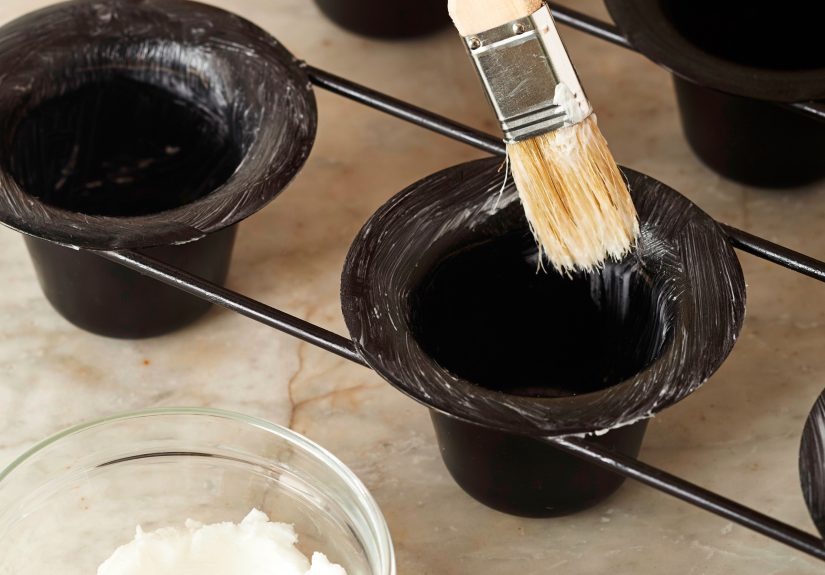
Many bakers still use vegetable shortening to grease cake pans, muffin tins, or Bundt pans. It spreads easily and creates an even coating, especially when followed by a dusting of flour or cocoa powder.
What Does Vegetable Shortening Taste Like?
Honestly? Not like much.
That is not an insult. It is part of the point. Vegetable shortening has a neutral flavor, which makes it useful when you want the taste of vanilla, chocolate, fruit, spices, or other ingredients to stand out without adding buttery richness or savory notes.
This neutral flavor is helpful in some recipes, but it can also make baked goods taste a little flat if the recipe depends heavily on fat for flavor. That is why many bakers prefer to combine shortening with butter instead of replacing butter completely.
Vegetable Shortening vs. Other Fats
Shortening vs. Butter
Choose shortening when you want tenderness, flakiness, thicker cookies, or more stable frosting.
Choose butter when flavor matters most and you want richer taste and better browning.
Shortening vs. Oil
Oil is liquid, so it behaves differently. Cakes made with oil can be moist and soft, but oil will not create the same flaky or airy structure that solid fats can. If a recipe depends on creaming fat with sugar or cutting fat into flour, shortening will usually perform better than oil.
Shortening vs. Lard
Lard is animal fat, usually from pork, and it is famous for making very flaky pastries. It also brings more flavor than shortening. Shortening is the plant-based alternative with a more neutral taste.
Shortening vs. Margarine
Margarine can work in some recipes, but it often contains water, which makes it behave more like butter than shortening. It is not always a perfect swap if texture is your main concern.
Is Vegetable Shortening Bad for You?
This is where the conversation usually gets dramatic, so let’s keep it calm and useful.
Vegetable shortening is a processed fat. It is not a health food, and it is not something most people should eat by the spoonful unless they are trying to lose a bet. Like butter, it is calorie-dense and can contain significant saturated fat, depending on the product.
The Trans Fat Issue: Then and Now
Much of shortening’s bad reputation comes from older products made with partially hydrogenated oils, a major source of industrial trans fat. Trans fat became a big public health concern because it raises LDL, or “bad,” cholesterol and lowers HDL, or “good,” cholesterol.
That is one reason shortening formulas changed over time. Modern products are often marketed as having 0 grams of trans fat per serving, and FDA actions against partially hydrogenated oils reshaped the food landscape in the United States.
Still, there is an important catch: a product can list 0 grams trans fat per serving and still contain a very small amount per serving. That is why it is smart to read the ingredient list, not just the front label. If you see “partially hydrogenated oil,” that is your clue to put the container back on the shelf and continue living your best life elsewhere.
So Should You Use It?
If you bake occasionally and use vegetable shortening for a specific texture or technique, it can absolutely have a place in your kitchen. If you are trying to make everyday dietary choices that emphasize less saturated fat and fewer highly processed foods, it is probably not the ingredient you want starring in every meal.
In other words, shortening works best as a strategic ingredient, not a personality trait.
Best Uses for Vegetable Shortening
- Pie crusts and pastry dough
- Biscuits and scones
- Soft, thick cookies
- Buttercream-style frostings that need stability
- Greasing baking pans
- Some tortillas and old-fashioned bread recipes
If your goal is maximum flavor, shortening may not be your first choice. If your goal is texture, structure, and consistency, it becomes much more interesting.
Can You Substitute for Vegetable Shortening?
Yes, but the results may change.
Butter
Butter is the most common substitute. It usually works in a 1:1 swap by volume, but expect more flavor, a softer dough, and sometimes more spreading in cookies.
Coconut Oil
If solid, coconut oil can mimic some of shortening’s texture, though it may add a mild coconut flavor depending on the type.
Lard
Lard can replace shortening in pastry and biscuit recipes, often with excellent flakiness, but it is not vegetarian and has a more distinct flavor.
Margarine or Vegan Butter
These can work in some recipes, but because they often contain water, the texture may shift.
Substitution is less about math and more about expectations. You can switch ingredients, but you cannot always expect identical results. Baking is a science, yes, but it is also a little bit of a diva.
How to Store Vegetable Shortening
Vegetable shortening is prized for shelf stability. Keep it tightly sealed in a cool, dark pantry and use clean utensils when scooping it out. If it develops an off smell, strange taste, or discoloration, it is time to let it go.
No dramatic farewell is required. A respectful toss will do.
Common Kitchen Experiences With Vegetable Shortening
One of the most common experiences people have with vegetable shortening is simple confusion. They inherit a recipe card, see the word shortening, and assume it means “use less of something.” Then they realize it is an actual ingredient, which is both annoying and oddly charming. This happens all the time with older American baking recipes, especially the ones passed down through families on faded index cards with mysterious instructions like “bake in a moderate oven.” Shortening lives in that same vintage recipe universe.
Another common experience is the first side-by-side comparison. A home baker makes one batch of cookies with butter and another with shortening and notices the difference immediately. The butter batch spreads more, smells incredible, and browns beautifully. The shortening batch stays taller, softer, and thicker. Neither is wrong. It just becomes very obvious that fats are not interchangeable in the way people sometimes hope they are. This is often the moment when shortening stops being a random pantry ingredient and starts becoming a deliberate baking choice.
Pie crust is where many bakers either fall in love with shortening or decide they would rather wrestle a cactus. For some people, shortening-based dough feels easier to handle because it is soft, pliable, and forgiving. It rolls out without as much cracking and can produce a reliably flaky crust. For others, the lack of buttery aroma makes the process feel slightly less magical. That is why so many experienced bakers land on a blend of butter and shortening. It gives them the confidence of an easier dough with more of the flavor they actually want to eat.
There is also the very real experience of using shortening in hot weather. Anyone who has tried decorating a cake in a warm kitchen understands why shortening remains popular in certain frostings. Butter can get shiny, slippery, and dramatic in a hurry. Shortening holds its structure better, which makes it useful for piped decorations, celebration cakes, and desserts that need to sit out longer. It may not taste as luxurious as butter, but it can save a baker from a mid-party frosting collapse, and that is no small public service.
Many cooks also discover shortening through practical problem-solving rather than pure curiosity. Maybe they need a dairy-free fat for a recipe. Maybe they want to grease an intricate cake pan without using spray. Maybe they are trying to make old-fashioned biscuits that come out tender instead of tough. In those moments, shortening tends to feel less old-fashioned and more like a kitchen shortcut that still earns its keep.
Then there is the label-reading experience. Plenty of shoppers remember the bad press around trans fat and approach shortening with suspicion. That skepticism is understandable. But once they compare labels, ingredients, and intended uses, the conversation usually becomes more nuanced. The ingredient moves from “absolutely not” territory into “occasionally useful, depending on the recipe.” That is probably the most honest modern relationship with vegetable shortening: cautious, informed, and willing to admit that sometimes the pie crust really does turn out better.
Final Thoughts
So, what is vegetable shortening? It is a solid plant-based fat used to create tender, flaky, stable baked goods. It has a neutral flavor, a high melting point, and a long shelf life, which makes it a practical ingredient for certain recipes.
It is not automatically better than butter, and butter is not automatically better than shortening. They simply do different jobs. If you want more flavor, butter often wins. If you want more structure, flakiness, or stability, vegetable shortening can absolutely earn a spot on the bench.
The smartest approach is not to treat shortening like a kitchen hero or a pantry outlaw. Treat it like what it really is: an ingredient with strengths, weaknesses, and a few very specific talents. Kind of like a great supporting actor. It may not always get top billing, but it can steal the scene when the recipe calls for it.