Table of Contents >> Show >> Hide
- What Is Sesame Oil Made From?
- What Does Sesame Oil Taste Like?
- How Is Sesame Oil Used in Cooking?
- Is Sesame Oil Good for High-Heat Cooking?
- What Cuisine Uses Sesame Oil the Most?
- What Are the Nutritional Benefits of Sesame Oil?
- Is Sesame Oil the Same as Tahini?
- How Do You Store Sesame Oil?
- Can People With Sesame Allergies Use Sesame Oil?
- How to Choose the Best Sesame Oil
- Easy Ways to Use Sesame Oil at Home
- Common Mistakes People Make With Sesame Oil
- Final Thoughts: So, What Is Sesame Oil?
- Real-Life Experiences With Sesame Oil
If olive oil is the polished dinner guest and butter is the life of the party, sesame oil is the mysterious friend who walks in late, says three unforgettable words, and somehow steals the whole scene. A tiny drizzle can make noodles taste restaurant-level, wake up a sleepy vinaigrette, or turn plain rice into something that feels like it has a passport.
So what is sesame oil, exactly? In the simplest terms, sesame oil is oil pressed from sesame seeds. But that neat little definition barely scratches the surface. Depending on how it’s made, sesame oil can be light and subtle or dark, toasty, and bold enough to announce itself from across the kitchen. It can be a cooking oil, a finishing oil, a flavor booster, or the secret ingredient that makes people ask, “Wait, what did you put in this?”
In this guide, we’ll break down what sesame oil is, how it’s made, the difference between regular and toasted sesame oil, how to cook with it, what it tastes like, how to store it, and why it deserves a permanent spot in your pantry. And yes, we’ll also talk about the moment when someone accidentally pours half a cup into a stir-fry and learns a very aromatic lesson.
What Is Sesame Oil Made From?
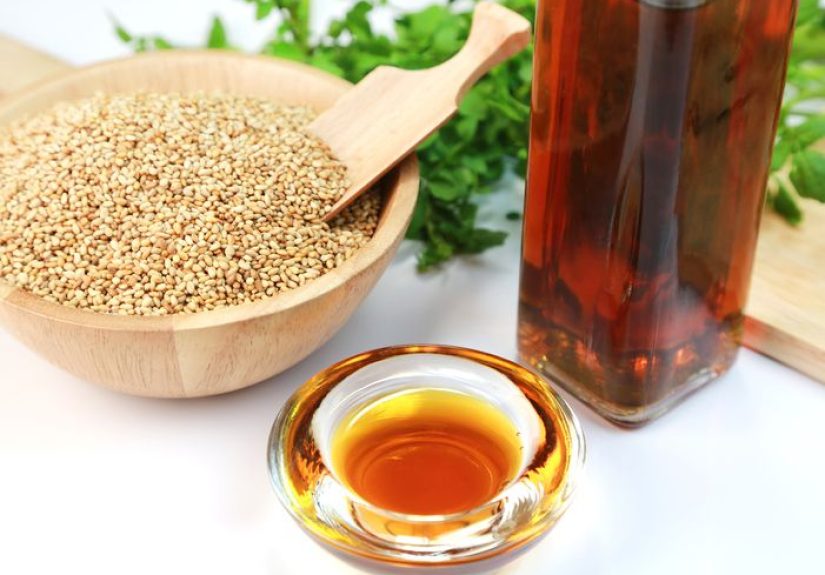
Sesame oil is made by pressing sesame seeds to extract their natural fat. That’s the basic process, but the flavor and color depend heavily on whether the seeds are raw or toasted before pressing. This is where sesame oil splits into two major personalities.
Regular Sesame Oil
Regular sesame oil is typically made from raw sesame seeds. It is lighter in color and milder in flavor. Think of it as the more understated sibling: useful, versatile, and less likely to take over the whole dish. Because it has a more neutral taste and generally handles heat better than toasted sesame oil, it can be used for sautéing, shallow frying, roasting, and general cooking.
Toasted Sesame Oil
Toasted sesame oil is made from toasted sesame seeds, and that toasting changes everything. The oil becomes darker, nuttier, and much more aromatic. This is the version most people recognize in Asian-inspired dishes. It is often used in smaller amounts because its flavor is concentrated. A teaspoon can do the work of a whole pep talk.
If you remember only one thing from this article, make it this: regular sesame oil is usually better for cooking, while toasted sesame oil is usually better for finishing. Mix them up and your dish won’t explode, but the flavor may not land the way you want.
What Does Sesame Oil Taste Like?
Sesame oil tastes nutty, warm, rich, and slightly earthy. Toasted sesame oil has a deeper roasted flavor with almost smoky, savory notes, while regular sesame oil tastes gentler and cleaner. The exact flavor also varies by brand, region, and pressing method. Some oils lean buttery and mellow; others are intense enough to turn one noodle bowl into a full sensory event.
That signature flavor is why sesame oil is often used like a seasoning rather than just a fat. In some recipes, it functions almost like soy sauce, lemon juice, or chili crisp: not there to carry the dish alone, but to sharpen and deepen everything around it.
How Is Sesame Oil Used in Cooking?
Sesame oil is one of the most flexible oils in the kitchen, but the best way to use it depends on the type.
Best Uses for Regular Sesame Oil
Because regular sesame oil is milder, it works well in everyday cooking. You can use it to sauté vegetables, cook proteins, roast ingredients, or build a base for sauces and marinades. It behaves more like a standard cooking oil, though it still brings a subtle sesame note.
Best Uses for Toasted Sesame Oil
Toasted sesame oil shines when added near the end of cooking or after the food is plated. It is fantastic in:
- Salad dressings and vinaigrettes
- Noodle sauces
- Marinades for chicken, beef, tofu, or seafood
- Soups and broths
- Rice bowls and grain bowls
- Stir-fries finished at the end
- Dipping sauces and dumpling sauces
A little goes a long way. Toasted sesame oil is not the ingredient to measure with wild optimism. Start small, taste, and add more if needed. Otherwise, your carefully balanced dinner may start tasting like a sesame seed gave a TED Talk over it.
Is Sesame Oil Good for High-Heat Cooking?
Usually, regular sesame oil is the better choice for heat, while toasted sesame oil is not ideal for prolonged high-heat cooking. Toasted sesame oil can lose flavor and develop bitterness if it gets too hot for too long. That is why many cooks use it as a finishing oil instead of the primary oil in the pan.
If you want sesame flavor in a stir-fry, a smart move is to cook the ingredients in a more neutral high-heat oil and add toasted sesame oil during the final minute or two, or drizzle it on just before serving. That way you keep the aroma instead of cooking the personality right out of it.
What Cuisine Uses Sesame Oil the Most?
Sesame oil appears in many cuisines, especially across East Asia and parts of South Asia and the Middle East. It is common in Chinese, Japanese, Korean, and some Southeast Asian cooking, where it adds depth to noodles, vegetables, sauces, soups, and marinades. It also shows up in dressings, dips, and seasoning blends where nutty flavor is welcome.
That said, sesame oil isn’t limited to traditional dishes. Home cooks now use it in fusion recipes, grain bowls, roasted vegetables, slaws, mayo-based sauces, and even popcorn seasoning if they’re feeling brave and well-supervised.
What Are the Nutritional Benefits of Sesame Oil?
Sesame oil is mostly fat, which is exactly what oils are supposed to be. The good news is that it contains mostly unsaturated fats, including monounsaturated and polyunsaturated fats, which are generally considered preferable to a diet high in saturated fat. It also contains naturally occurring antioxidant compounds associated with sesame, such as sesamol and related plant compounds.
Does that mean sesame oil is a miracle liquid? No. It is still an oil, which means it is calorie-dense. But used in sensible amounts, sesame oil can absolutely fit into a balanced eating pattern. In fact, because toasted sesame oil is so flavorful, many people use less of it than they would use of a blander oil. That can be a nice bonus for both taste and portion control.
Some articles online make sesame oil sound like a superhero in a bottle. It’s better to stay grounded. Sesame oil can be part of a healthy diet, but it doesn’t cancel out the third plate of takeout dumplings. Life would be easier if it did.
Is Sesame Oil the Same as Tahini?
No. Sesame oil and tahini come from the same seed, but they are not the same ingredient. Tahini is a paste made from ground sesame seeds, while sesame oil is the extracted oil from those seeds. Tahini is thick, creamy, and often slightly bitter; sesame oil is fluid and used more like other oils or condiments.
If a recipe calls for sesame oil, tahini is not a direct substitute. Swapping one for the other is like replacing coffee with coffee ice cream. Same family, very different job description.
How Do You Store Sesame Oil?
Sesame oil should be stored tightly sealed, away from heat, light, and air. A cool, dark pantry works for many bottles, especially if you use them regularly. But toasted sesame oil, in particular, is prized for its aroma, and refrigeration can help preserve that flavor longer after opening.
Because sesame oil contains a high proportion of unsaturated fats, it can go rancid over time. If your oil smells stale, paint-like, oddly bitter, or generally like regret, it is probably past its prime. Fresh sesame oil should smell pleasant, nutty, and inviting, not like a chemistry set that lost its will to live.
Storage Tips
- Buy smaller bottles if you use it infrequently
- Keep the cap tightly closed
- Store away from the stove and direct sunlight
- Refrigerate toasted sesame oil if you want to protect its aroma longer
- Trust your nose before your optimism
Can People With Sesame Allergies Use Sesame Oil?
This is where things get serious. Sesame is recognized in the United States as a major food allergen, and people with sesame allergies need to be careful with sesame oil. Some highly refined oils may be treated differently in labeling rules, but unrefined, cold-pressed, or less refined oils may contain protein residues that matter for allergic individuals.
In plain English: if someone has a sesame allergy, do not make assumptions based on vague internet wisdom or a bottle that “looks fancy.” Read labels carefully and follow medical guidance. When in doubt, skip it. No sauce is worth an emergency.
How to Choose the Best Sesame Oil
Shopping for sesame oil gets easier once you know what you’re looking for. Ask yourself one question first: do you want an oil for cooking or an oil for flavor?
Choose Regular Sesame Oil If You Want:
- A milder taste
- An oil for sautéing or roasting
- More flexibility in everyday cooking
Choose Toasted Sesame Oil If You Want:
- A deeper nutty flavor
- A finishing oil for noodles, soups, and dressings
- A bottle that can transform a dish with a small drizzle
Check the ingredient list if possible. A pure sesame oil is often preferable when you want a true sesame flavor. Some products may be blended with other oils, which can change both flavor and value.
Easy Ways to Use Sesame Oil at Home
If you’re new to sesame oil, you do not need to launch into a ten-step chef project. Start with one of these easy wins:
- Drizzle toasted sesame oil over fried rice
- Whisk it into soy sauce, rice vinegar, ginger, and garlic for a quick dressing
- Add a few drops to ramen or broth-based soups
- Toss it with noodles, scallions, and chili flakes
- Finish roasted broccoli or green beans with sesame oil and sesame seeds
- Blend it into a marinade for salmon, tofu, or chicken
This is the kind of ingredient that rewards curiosity. You don’t need much, and you don’t need perfection. Even a tiny amount can add complexity that makes a simple meal feel intentional.
Common Mistakes People Make With Sesame Oil
- Using too much toasted sesame oil: It’s powerful. More is not always better.
- Cooking toasted sesame oil too long: High heat can flatten or damage its flavor.
- Storing it poorly: Heat and light can make it go rancid faster.
- Confusing regular and toasted oil: They are related, not interchangeable twins.
- Ignoring allergy concerns: Sesame is a major allergen and should be treated seriously.
Final Thoughts: So, What Is Sesame Oil?
Sesame oil is a flavorful oil pressed from sesame seeds, and it comes in two main forms: regular sesame oil, which is lighter and better suited to cooking, and toasted sesame oil, which is darker, nuttier, and usually used to finish dishes. It’s beloved for the way it adds depth, aroma, and richness to everything from noodles and stir-fries to salads and soups.
It is not just another bottle of oil collecting dust in the pantry. It is one of those ingredients that can make simple food taste smarter. And once you learn how to use it well, you start to see why so many cooks reach for it with almost suspicious frequency.
In other words, sesame oil is small-bottle energy with main-character impact.
Real-Life Experiences With Sesame Oil
The first time many people try sesame oil, they don’t usually encounter it in a grand culinary revelation. It’s often more accidental than that. Maybe they order cold sesame noodles at a neighborhood takeout spot and can’t figure out why the sauce tastes deeper than peanut butter and soy sauce alone. Maybe they try a Korean side dish, a Japanese salad dressing, or a quick stir-fry from a friend’s kitchen and notice that hauntingly nutty aroma that lingers in the best way. Sesame oil tends to introduce itself quietly, but once you recognize it, you start noticing it everywhere.
One of the most common home-cook experiences with sesame oil is learning just how little you need. Plenty of people, full of confidence and armed with exactly one measuring spoon, pour in a generous splash the first time they cook with toasted sesame oil. Then they take a bite and realize the oil has become the CEO of the entire meal. The vegetables? Background cast. The noodles? Supporting role. The sesame oil? Delivering a monologue. It’s a funny mistake, but also a useful lesson: this ingredient is strongest when it supports, not when it steamrolls.
For others, sesame oil becomes a rescue ingredient. Leftover rice from the night before tastes a lot more exciting after a quick scramble with scallions, soy sauce, and a drizzle of toasted sesame oil. A plain bowl of steamed vegetables suddenly feels intentional. Even an ordinary lunch salad can go from “technically healthy” to “actually craveable” with a dressing built from rice vinegar, sesame oil, ginger, and a little honey. This is one reason people become loyal to it. Sesame oil has a way of making low-effort meals taste like you had a plan all along.
There is also the refrigerator moment. Anyone who has owned toasted sesame oil long enough has probably uncapped a bottle after months of neglect and paused for a suspicious sniff. Fresh sesame oil smells warm and nutty. Old sesame oil smells like disappointment wearing a blazer. That experience teaches another kind of kitchen wisdom: buy smaller bottles if you only use it occasionally, and store them carefully. It’s not glamorous advice, but it’s the difference between flavor and heartbreak.
Then there’s the dinner-table effect. Sesame oil has a way of making people ask questions. “Why is this dressing so good?” “What’s in these noodles?” “Did you order this from somewhere?” Often, the answer is not a complicated sauce or a chef-level trick. It’s just that a teaspoon of sesame oil pulled the whole thing together. That’s part of its charm. It feels special without being difficult, dramatic without being fussy.
For many cooks, sesame oil also becomes a bridge ingredient. It encourages experimentation. Someone starts by using it in fried rice, then branches into noodle salads, marinades, dipping sauces, roasted vegetables, and grain bowls. Before long, it’s not “that oil for Asian recipes” anymore. It’s simply part of the pantry vocabulary. A finishing move. A flavor shortcut. A small luxury that earns its shelf space again and again.
And maybe that is the best real-life experience of all: sesame oil teaches restraint, rewards curiosity, and makes everyday cooking feel a little more alive. Not bad for something that comes in such a tiny bottle.