Table of Contents >> Show >> Hide
- What Is Kidney Cancer?
- Common Symptoms of Kidney Cancer
- What Causes Kidney Cancer?
- Major Risk Factors for Kidney Cancer
- How Kidney Cancer Is Diagnosed
- Treatment Options for Kidney Cancer
- Can Kidney Cancer Be Prevented?
- Living With Kidney Cancer
- Practical Experiences and Lessons Related to Kidney Cancer
- Conclusion
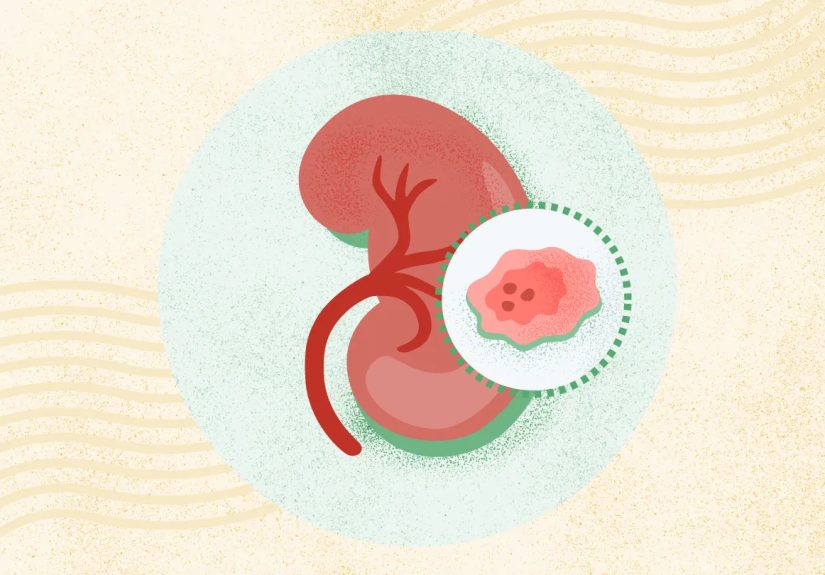
Kidney cancer is a disease that begins when cells in the kidney grow out of control and form a tumor. It sounds dramatic because, well, cancer is never exactly a casual dinner topic. But understanding kidney cancer does not have to feel like reading a medical textbook in a thunderstorm. With the right information, the topic becomes clearer, less frightening, and far more useful.
The kidneys are two bean-shaped organs located on either side of the spine, just below the ribs. Their day job is impressive: they filter waste from the blood, balance fluids and minerals, help control blood pressure, and support red blood cell production. In other words, they are quiet overachievers. Kidney cancer can interfere with these functions, especially if it grows, spreads, or affects nearby tissues.
The most common type of kidney cancer in adults is renal cell carcinoma, often shortened to RCC. Other types include transitional cell cancer of the renal pelvis, Wilms tumor in children, and rare kidney sarcomas. Many kidney cancers are found by accident during imaging tests for unrelated problems, which is a strangely lucky plot twist in modern medicine.
What Is Kidney Cancer?
Kidney cancer starts when genetic changes inside kidney cells cause those cells to multiply when they should not. Over time, these abnormal cells may form a mass, also called a tumor. Some tumors are benign, meaning they do not spread to other parts of the body. Malignant tumors, however, can invade nearby tissue or travel through the blood or lymph system to distant organs.
Most adult kidney cancers begin in the lining of tiny tubes inside the kidney called tubules. This is why renal cell carcinoma is so common. RCC has several subtypes, including clear cell, papillary, and chromophobe renal cell carcinoma. The subtype matters because it can influence treatment decisions and prognosis.
Kidney cancer can affect one kidney or, less commonly, both kidneys. Early-stage kidney cancer may be small and limited to the kidney. Advanced kidney cancer may spread to lymph nodes, bones, lungs, liver, brain, or other organs. The stage of the cancer is one of the most important factors doctors use to recommend treatment.
Common Symptoms of Kidney Cancer
One tricky thing about kidney cancer is that it often causes no symptoms in the early stages. The kidneys are not big complainers. They may stay quiet even when something is wrong, which is why many kidney tumors are discovered incidentally during CT scans, ultrasounds, or MRIs done for other reasons.
When symptoms do appear, they may include:
- Blood in the urine, which may look pink, red, brown, or cola-colored
- Persistent pain in the side or lower back, especially on one side
- A lump or swelling in the abdomen, side, or lower back
- Unexplained weight loss
- Loss of appetite
- Ongoing fatigue that does not improve with rest
- Fever that keeps returning and is not caused by infection
- Night sweats
- Anemia, or low red blood cell count
- High blood pressure that is new or difficult to control
The classic kidney cancer symptom trio is blood in the urine, flank pain, and a noticeable mass. However, this full trio is not common, especially in earlier stages. That is why it is important not to wait for a “perfect” symptom pattern before seeing a healthcare provider.
When Should You See a Doctor?
You should contact a healthcare professional if you notice blood in your urine, persistent one-sided back or side pain, unexplained weight loss, recurring fever, or a lump in the abdomen or side. These symptoms do not automatically mean kidney cancer. Kidney stones, infections, cysts, and other conditions can cause similar issues. Still, symptoms like these deserve medical attention. Your kidneys may be quiet, but your calendar should not be.
What Causes Kidney Cancer?
Kidney cancer develops because of changes in the DNA of kidney cells. DNA acts like the instruction manual for cells. When the instructions become damaged, cells may grow too quickly, ignore normal stop signals, and survive longer than they should. These changes can happen randomly, develop over time, or be influenced by inherited genetic conditions.
For most people, there is no single obvious cause. Kidney cancer usually results from a combination of risk factors, biology, environment, and chance. In plain English: it is rarely one thing. The body is complicated, and cancer is unfortunately very good at taking advantage of complicated systems.
Major Risk Factors for Kidney Cancer
A risk factor is something that increases the chance of developing a disease. Having one or more risk factors does not mean you will get kidney cancer, and having no risk factors does not guarantee you will avoid it. Still, knowing the major risks can help with prevention and early awareness.
Smoking
Smoking is one of the strongest lifestyle-related risk factors for kidney cancer. Tobacco smoke contains chemicals that can damage DNA and affect many organs, including the kidneys. The good news is that quitting smoking lowers risk over time. Your lungs will applaud, your heart will send a thank-you note, and your kidneys will quietly appreciate the upgrade.
Excess Body Weight
Overweight and obesity are linked with higher kidney cancer risk. Extra body fat can affect hormone levels, inflammation, insulin regulation, and blood pressure. These changes may create conditions that make abnormal cell growth more likely.
High Blood Pressure
Hypertension is another important risk factor. High blood pressure can damage blood vessels throughout the body, including those in the kidneys. Some research also suggests that the relationship between hypertension and kidney cancer may involve long-term kidney stress and metabolic changes.
Chronic Kidney Disease and Dialysis
People with chronic kidney disease, especially those who have been on long-term dialysis, may have an increased risk of kidney cancer. Kidney damage over many years can change the kidney environment and raise cancer risk.
Family History and Inherited Conditions
A family history of kidney cancer can increase risk, especially if relatives were diagnosed at a young age or if multiple family members were affected. Certain inherited syndromes, such as von Hippel-Lindau disease, Birt-Hogg-Dubé syndrome, hereditary papillary renal cell carcinoma, and hereditary leiomyomatosis and renal cell carcinoma, can raise risk significantly.
Workplace and Environmental Exposures
Some occupational exposures may be associated with kidney cancer risk, including certain industrial chemicals. People who work around heavy metals, solvents, or long-term chemical exposures should follow workplace safety guidelines carefully.
How Kidney Cancer Is Diagnosed
Kidney cancer diagnosis usually begins with a medical history, physical exam, and discussion of symptoms. If kidney cancer is suspected, doctors may use blood tests, urine tests, imaging, and sometimes biopsy.
Blood and Urine Tests
Blood tests cannot usually diagnose kidney cancer by themselves, but they can reveal clues. Doctors may check kidney function, red blood cell counts, liver enzymes, calcium levels, and overall health. Urine tests may detect blood or other abnormalities.
Imaging Tests
Imaging is central to kidney cancer diagnosis. Common tests include ultrasound, CT scan, and MRI. A CT scan can show the size and location of a kidney mass and whether it appears solid or fluid-filled. MRI may be used when more detail is needed or when CT contrast is not ideal for a patient.
Chest imaging or bone scans may be ordered if doctors need to check whether the cancer has spread. Imaging also helps plan surgery or other treatments.
Biopsy
A biopsy involves removing a small tissue sample and examining it under a microscope. Not every kidney mass requires a biopsy before treatment. Sometimes imaging gives enough information for doctors to recommend surgery or surveillance. In other cases, biopsy helps confirm the diagnosis, identify the cancer subtype, or guide treatment decisions.
Staging and Grading
Staging describes how far cancer has spread. Stage 1 kidney cancer is usually small and limited to the kidney. Stage 4 kidney cancer has spread beyond the kidney or to distant parts of the body. Grading describes how abnormal the cancer cells look under a microscope. Higher-grade cancers may grow or spread more aggressively.
Treatment Options for Kidney Cancer
Kidney cancer treatment depends on the size and location of the tumor, cancer stage, cancer subtype, kidney function, overall health, and personal preferences. Treatment is often planned by a team that may include a urologist, medical oncologist, radiation oncologist, radiologist, pathologist, oncology nurse, dietitian, and other specialists.
Active Surveillance
For some small kidney tumors, especially in older adults or people with other serious health conditions, doctors may recommend active surveillance. This means carefully monitoring the tumor with scheduled imaging and exams instead of treating it immediately. It is not “doing nothing.” It is more like putting the tumor on a very strict probation plan.
Surgery
Surgery is a common treatment for localized kidney cancer. A partial nephrectomy removes the tumor while preserving as much healthy kidney tissue as possible. This option is often preferred for small tumors when technically feasible. A radical nephrectomy removes the entire kidney and sometimes nearby tissues or lymph nodes.
Many kidney surgeries can be performed using minimally invasive techniques, such as laparoscopic or robotic-assisted surgery. These approaches may reduce recovery time for some patients, although the best method depends on the individual case.
Ablation
Ablation destroys tumor tissue without removing it surgically. Cryoablation freezes the tumor, while radiofrequency or microwave ablation uses heat. Ablation may be an option for small tumors or for people who cannot safely undergo surgery.
Targeted Therapy
Targeted therapies are medicines designed to block specific pathways cancer cells use to grow, make blood vessels, or survive. In kidney cancer, targeted drugs may be used for advanced or metastatic disease. These medications can help control cancer growth, though they may cause side effects such as fatigue, diarrhea, high blood pressure, skin changes, or appetite changes.
Immunotherapy
Immunotherapy helps the immune system recognize and attack cancer cells. Immune checkpoint inhibitors have become an important part of treatment for advanced kidney cancer. Some people receive immunotherapy alone, while others receive combinations of immunotherapy and targeted therapy.
Radiation Therapy
Radiation is not usually the main treatment for kidney cancer inside the kidney, but it can be useful in certain situations. It may help relieve pain or control symptoms if cancer has spread to bones, brain, or other areas.
Clinical Trials
Clinical trials test new treatments, new drug combinations, or new ways to use existing therapies. For some people, especially those with advanced kidney cancer, a clinical trial may provide access to promising care options. Asking about clinical trials does not mean you are out of options; it means you are exploring them intelligently.
Can Kidney Cancer Be Prevented?
There is no guaranteed way to prevent kidney cancer, but several lifestyle choices may reduce risk. The most practical prevention steps include not smoking, maintaining a healthy weight, managing blood pressure, staying physically active, eating a balanced diet, and reducing unnecessary chemical exposure.
People with inherited kidney cancer syndromes may need genetic counseling, specialized screening, and regular imaging. For the general population, routine kidney cancer screening is not usually recommended unless risk is elevated. However, paying attention to symptoms and keeping up with regular healthcare visits can make a real difference.
Living With Kidney Cancer
A kidney cancer diagnosis can affect every part of life: appointments, treatment decisions, work schedules, family routines, finances, sleep, and emotional health. Even when the cancer is found early and treated successfully, the experience can feel overwhelming.
Good communication with the care team is essential. Patients should ask about the stage, subtype, treatment goal, expected benefits, possible side effects, recovery timeline, follow-up schedule, and warning signs to watch for. Bringing a notebook or a trusted person to appointments can help. Cancer conversations can be information-heavy, and nobody wins a prize for memorizing everything while stressed.
Follow-up care is also important. After treatment, doctors may recommend periodic imaging, blood tests, urine tests, and physical exams to check for recurrence and monitor kidney function. People with one kidney can often live healthy lives, but they may need to be more mindful about blood pressure, hydration, medications, and kidney-protective habits.
Practical Experiences and Lessons Related to Kidney Cancer
The following experience-based examples are composite scenarios, created to reflect common situations patients and families may face. They are not individual medical stories, but they can help make the topic easier to understand.
One common experience begins with surprise. A person goes to the emergency room for abdominal pain, expecting a kidney stone or digestive issue. A CT scan is ordered, and suddenly the doctor says, “We found a mass on your kidney.” That sentence can make the room feel smaller. Many kidney cancers are discovered this way: not because the person felt terribly ill, but because imaging revealed something unexpected. The first lesson is that incidental discovery is not rare, and it does not automatically mean the worst. Many small kidney tumors are treatable, especially when found early.
Another experience involves symptoms that are easy to dismiss. Someone notices pinkish urine one morning but assumes it came from beets, dehydration, or exercise. A week later, it happens again. There is no pain, so they delay calling a doctor. This is understandable, because people often expect serious illness to announce itself with fireworks. Kidney cancer does not always do that. Blood in the urine, even if it comes and goes, should be checked. It may be caused by infection, stones, or another non-cancer condition, but guessing is not a great diagnostic tool.
Treatment decisions can also feel complicated. A patient with a small tumor may hear several options: active surveillance, partial nephrectomy, ablation, or surgery. At first, this can sound like choosing from a menu written in another language. The helpful approach is to ask practical questions: How large is the tumor? Where is it located? Is it likely to grow quickly? How much kidney function can be preserved? What are the risks of waiting versus treating now? A good medical team should be able to explain the reasoning in plain English.
Families often learn that kidney cancer care is not just about removing or shrinking a tumor. It also includes managing anxiety, fatigue, appetite changes, medication schedules, insurance paperwork, and the emotional whiplash of scans. The phrase “scanxiety” exists for a reason. Waiting for imaging results can make even calm people refresh their patient portal like it owes them money. Support matters. That support might come from family, friends, counseling, patient groups, spiritual care, or simply one reliable person who can sit quietly during appointments.
Prevention experiences are often less dramatic but just as important. A person who quits smoking, starts walking daily, improves blood pressure control, and loses a modest amount of weight may not feel like a superhero. There is no cape, no theme music, and usually no parade. But these steps support kidney health and overall cancer risk reduction. Prevention is rarely glamorous. It is mostly ordinary choices repeated often enough to matter.
For people living after kidney cancer treatment, follow-up becomes part of life. Some feel nervous before every scan. Others become deeply motivated to protect their remaining kidney function. Many learn to ask better questions, keep copies of reports, track blood pressure, and take symptoms seriously without panicking over every ache. The biggest lesson is balance: stay informed, stay engaged, and let medical professionals guide decisions. Kidney cancer is serious, but knowledge gives patients and families a steadier place to stand.
Conclusion
Kidney cancer begins when abnormal cells grow in the kidney and form a tumor. It may cause symptoms such as blood in the urine, persistent side pain, unexplained weight loss, fatigue, fever, or a lump in the abdomen, but many cases are found before symptoms appear. Major risk factors include smoking, excess body weight, high blood pressure, chronic kidney disease, long-term dialysis, family history, and certain inherited syndromes.
Diagnosis usually involves medical history, blood and urine tests, imaging, and sometimes biopsy. Treatment may include active surveillance, surgery, ablation, targeted therapy, immunotherapy, radiation therapy, or clinical trials. While kidney cancer cannot always be prevented, healthy choices such as avoiding tobacco, managing blood pressure, maintaining a healthy weight, and protecting kidney function can lower risk.
The most important takeaway is simple: do not ignore warning signs. Your kidneys may work quietly, but your health decisions should speak up clearly.