Table of Contents >> Show >> Hide
- What Is a Hardship Letter?
- When Do You Need a Hardship Letter?
- What a Good Hardship Letter Should Accomplish
- What to Include in a Hardship Letter
- How to Write a Hardship Letter Step by Step
- Sample Hardship Letter
- Common Mistakes to Avoid
- Tips to Make Your Hardship Letter More Persuasive
- Experiences and Lessons People Commonly Have With Hardship Letters
- Final Thoughts
Life has a way of wrecking a budget right when the budget was finally behaving. One month you are paying bills on time and pretending to be a responsible adult. The next month, your hours are cut, your car needs an expensive repair, or a medical issue shows up like an uninvited houseguest and starts eating all the snacks. That is usually when people hear the phrase hardship letter.
A hardship letter is not magic. It will not make debt disappear in a puff of financial glitter. What it can do is help a lender, loan servicer, credit card company, or other creditor understand what happened, why you need help, and what kind of relief you are asking for. When done well, it gives your situation a human voice instead of leaving your account to speak in the cold language of missed payments and late notices.
This guide explains what a hardship letter is, when you may need one, what to include, what to avoid, and how to write one that sounds clear, honest, and credible. You will also find a practical hardship letter sample, examples of common hardship situations, and real-world lessons people learn while going through the process.
What Is a Hardship Letter?
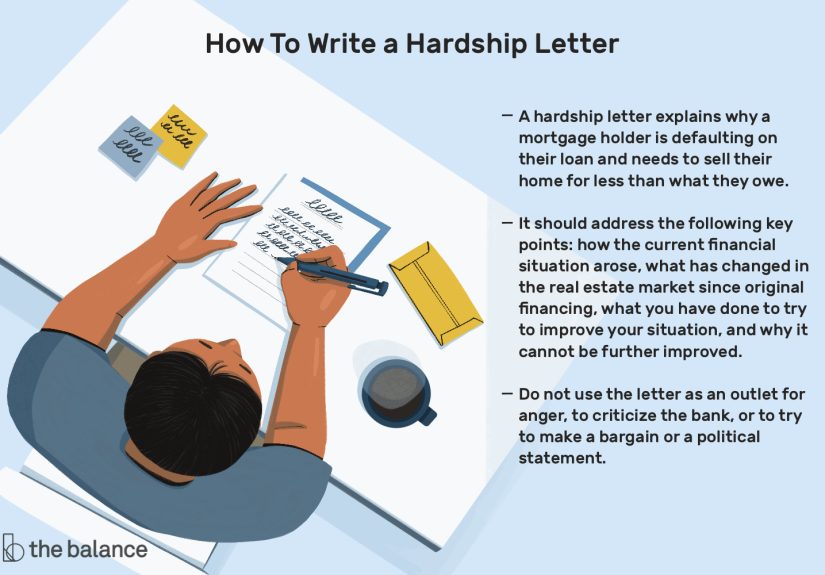
A hardship letter is a written explanation of financial trouble that has made it difficult for you to keep up with a debt or obligation. It is commonly used for mortgages, credit cards, auto loans, personal loans, student loan servicing situations, settlement requests, and short sale packages. In plain English, it answers this question:
“Here is what happened to me, here is how it affected my ability to pay, and here is the reasonable solution I am asking you to consider.”
The best hardship letters are short, specific, and believable. They are not novels. They are not angry rants. And they are definitely not the right place to write, “Everything is terrible, please fix it.” A lender or creditor needs enough detail to understand the hardship, but not so much drama that the key facts get buried under a mountain of emotion.
Think of the letter as a bridge between your financial records and your real life. Your paperwork may show reduced income, missed payments, or rising balances. Your hardship letter explains why.
When Do You Need a Hardship Letter?
You may need a hardship letter when you are asking for payment relief, loan modification, forbearance, a repayment plan, settlement terms, a short sale approval, a fee waiver, or any other accommodation based on financial difficulty.
Common situations that lead to a hardship letter
- Job loss or unemployment
- Reduced hours or lower income
- Serious illness, injury, or disability
- Divorce or legal separation
- Death of a spouse or co-borrower
- Natural disaster or property damage
- Unexpected medical bills
- Higher monthly payments after a rate or expense increase
- Temporary business decline for self-employed borrowers
- Overextended debt combined with a real triggering event
For example, a homeowner may write a hardship letter to request mortgage assistance after losing part of their income. A credit card holder may write one to request a lower interest rate or reduced payment after an emergency surgery. A car owner may use one to request deferment after a layoff. The concept is the same across all of them: explain the hardship, show the numbers, request realistic help.
What a Good Hardship Letter Should Accomplish
A strong hardship letter does four things at once:
- Identifies the hardship clearly. What happened?
- Shows the timeline. When did it start, and is it temporary or long-term?
- Connects the hardship to the payment problem. How did it affect your finances?
- Requests a workable solution. What relief are you asking for?
That last point matters. Do not make the reader guess what you want. If you are requesting a mortgage forbearance, say so. If you want a loan modification, say so. If you are asking a credit card issuer for a reduced payment or waived late fees, put that in writing. People in servicing departments read a lot of letters. Help them help you.
What to Include in a Hardship Letter
1. Basic identifying information
Start with the essentials: your full name, address, phone number, email, account number, loan number, and date. If the letter is tied to a property, include the property address. This is not glamorous, but it keeps your letter from becoming a mystery novel with no named characters.
2. A direct statement of the hardship
Open with one or two sentences that explain the issue. Be factual and calm. Example:
“I am writing to request assistance on my mortgage due to a financial hardship caused by a reduction in work hours beginning in January 2026.”
That is clean, clear, and useful. It tells the reader what you want and why you are asking.
3. A short explanation of what happened
Now explain the event behind the hardship. This section should answer:
- What changed financially?
- When did it happen?
- Was it sudden, temporary, or ongoing?
- How has it affected your ability to pay?
Be specific enough to be credible. “My income dropped” is weaker than “My hours were reduced from full-time to 20 hours per week in February, which lowered my monthly take-home pay by about 40 percent.”
4. A snapshot of your current situation
You do not need to include every sad receipt from the last six months, but you should briefly describe your current financial reality. Mention reduced income, higher essential expenses, or both. If you have already cut spending, used savings, or tried to stay current, say that too. Creditors and servicers want to know that you are taking the problem seriously.
5. The solution you are requesting
This is where many people get vague. Do not do that. Ask for a specific kind of relief, such as:
- Temporary forbearance
- Reduced monthly payment
- Loan modification
- Repayment plan
- Interest-rate reduction
- Fee waiver
- Deferred payment arrangement
- Settlement review
- Short sale consideration
If you are unsure which option fits best, you can say that you are requesting a review for available hardship assistance options. That still gives the reader a clear purpose.
6. Supporting documents
Your hardship letter works best when it is backed by evidence. Depending on the type of account, that might include pay stubs, unemployment statements, medical bills, tax returns, bank statements, profit-and-loss statements, divorce paperwork, insurance claims, or other proof of the hardship. Your letter should mention that you are attaching supporting documents.
7. A respectful closing
End by thanking the reader for reviewing your request and inviting them to contact you for additional information. Polite wins. Snark usually does not.
How to Write a Hardship Letter Step by Step
Step 1: Keep it short
In most cases, one page is ideal. Two pages is usually the ceiling. If your hardship letter is long enough to need a table of contents, it has wandered off course.
Step 2: Be honest
Do not exaggerate. Do not invent. Do not claim a temporary hardship is permanent just because it sounds more dramatic. Inconsistencies between your letter and your documents can slow down review or hurt your credibility.
Step 3: Use a simple structure
A great hardship letter usually follows this flow:
- I am requesting assistance.
- Here is the hardship.
- Here is when it started and how it affected me.
- Here is what I can reasonably afford or what help I need.
- I have attached supporting documentation.
Step 4: Match your request to your situation
If the hardship is temporary, ask for temporary relief. If the hardship is long-term, ask for a long-term solution. For example, a short illness might support a payment pause or deferment. A permanent income reduction may call for a modification or restructuring.
Step 5: Edit for clarity
Read the letter out loud. If it sounds rambling, rewrite it. If it sounds like a courtroom speech, simplify it. If it sounds like a text message sent while crying in a grocery store parking lot, take a deep breath and trim it down.
Sample Hardship Letter
Here is a general hardship letter template you can adapt:
[Your Name]
[Your Address]
[City, State ZIP]
[Phone Number]
[Email Address]
[Date][Lender/Creditor Name]
[Department, if known]
[Address]Re: Hardship Assistance Request for Account #[Account Number]
Dear [Lender or Creditor Name],
I am writing to request hardship assistance on the above account. I have experienced a financial hardship due to [job loss, reduction in income, illness, divorce, disaster, or other event], which began on [date]. As a result, I have had difficulty making my regular payments.
Before this hardship, I was able to remain current on my account. However, since [brief explanation], my monthly income has decreased and my essential expenses have increased. I have taken steps to manage the situation, including [cutting expenses, using savings, seeking new employment, or other actions], but I am still unable to maintain the current payment amount.
I am respectfully requesting [forbearance, loan modification, reduced payment, fee waiver, repayment plan, settlement review, or other relief]. I believe this option would give me a realistic opportunity to stabilize my finances and continue addressing this obligation.
I have attached documentation supporting my hardship, including [list documents]. Thank you for your time and consideration. Please contact me if you need additional information.
Sincerely,
[Your Name]
Common Mistakes to Avoid
Being too vague
Saying “I fell on hard times” is not enough. Explain what happened.
Being too emotional
Emotion is understandable. Oversharing is not always helpful. A hardship letter should be human, not chaotic.
Leaving out the request
If you do not ask for a specific form of assistance, your letter loses power.
Forgetting documentation
A strong letter without proof is like bringing a spoon to a construction site. It may be sincere, but it is not the right tool by itself.
Promising what you cannot do
Do not offer a payment plan that still does not fit your budget. A realistic proposal is more useful than an optimistic fantasy.
Waiting too long
If you know trouble is coming, contact the lender or creditor early. It is usually easier to discuss options before the account gets deeper into delinquency.
Tips to Make Your Hardship Letter More Persuasive
- Use plain language. Simpler is stronger.
- Include dates. Timelines make your story credible.
- Mention action you have already taken. Show responsibility.
- Stick to facts. Your goal is approval, not literary awards.
- Tailor the letter. A mortgage hardship letter and a credit card hardship letter may ask for different types of relief.
- Keep a copy. Save the letter, documents, and any confirmation of submission.
Experiences and Lessons People Commonly Have With Hardship Letters
People often imagine that writing a hardship letter will feel formal and straightforward. In reality, it usually feels personal, awkward, and strangely emotional. You are trying to compress a messy life event into one page and hand it to an institution that mostly communicates through account numbers and deadlines. That is not easy.
One common experience is realizing that the first draft sounds more like a diary entry than a hardship letter. People sit down to explain a layoff or a medical setback and suddenly they are writing three paragraphs about stress, fear, and how they have not slept in a week. Those feelings are real, but the strongest letters usually come after a second draft, when emotion is still present but the facts are easier to follow.
Another common experience is discovering that the hardship itself is only half the story. The other half is documentation. Many borrowers and consumers say the letter felt manageable, but gathering pay stubs, bank statements, medical records, tax forms, or proof of unemployment took more effort than expected. That is why organized people often move through the process faster. A neat packet can do a lot of silent persuasion.
Some people are surprised by how much tone matters. A letter that says, “I am dealing with a temporary hardship and requesting review for a reduced payment plan” tends to land better than a letter that sounds accusatory or defensive. That does not mean you have to sound cheerful about a rough situation. It just means a calm tone makes it easier for the reader to identify the request and move the file forward.
There is also the strange relief that comes from naming the problem clearly. Many people spend weeks dreading a call to the lender or creditor. Writing the letter forces them to define what happened, when it started, what changed financially, and what kind of help they need. Even before a decision arrives, that clarity can reduce some of the panic. The situation may still be hard, but it no longer feels shapeless.
People also learn that “reasonable” is a powerful word in this process. A request is stronger when it reflects actual numbers. If your income has dropped, asking for a temporary pause, lower payment, or structured plan makes sense. Asking for terms that do not match your finances can slow things down or make the request harder to approve. The best letters are hopeful, but grounded.
Finally, many people come away from the experience realizing that a hardship letter is not really about sounding desperate. It is about sounding clear, truthful, and prepared. The letter does not need dramatic language to be persuasive. It needs a real hardship, a sensible explanation, and a practical ask. In other words, the winning formula is usually not “make it heartbreaking.” It is “make it understandable.”
Final Thoughts
So, what is a hardship letter and how do you write one? It is a practical document that explains a genuine financial setback and asks for realistic relief. The best hardship letters are concise, specific, and supported by documents. They tell the truth, give a timeline, connect the hardship to the payment issue, and clearly state the help being requested.
If you are facing a mortgage issue, credit card burden, car payment problem, or another debt challenge, writing a hardship letter may be one of the most useful steps you can take. It will not solve everything by itself, but it can open the door to a productive conversation. And when money is tight, opening the right door matters a lot.
Write clearly. Ask realistically. Attach proof. Keep copies. Follow up. That is the formula. Not glamorous, but very effective. Kind of like bringing an umbrella before the storm instead of explaining afterward why you are soaked.