Table of Contents >> Show >> Hide
- So, What Exactly Is a Finger Lime?
- Why Are Finger Limes Called “Citrus Caviar”?
- Where Do Finger Limes Grow in the United States?
- What Do Finger Limes Taste Like?
- Finger Lime Nutrition: What’s In Them?
- How to Choose Finger Limes at the Store
- How to Cut and Eat Finger Limes (Without Starting a Citrus Crime Scene)
- How to Use Finger Limes in Food
- How to Store Finger Limes
- Finger Limes vs. Regular Limes: What’s the Difference?
- Can You Grow Finger Limes at Home?
- Conclusion: The Tiny Citrus That Makes Food Feel Fancy
- Real-World Experiences With Finger Limes (The Fun Part)
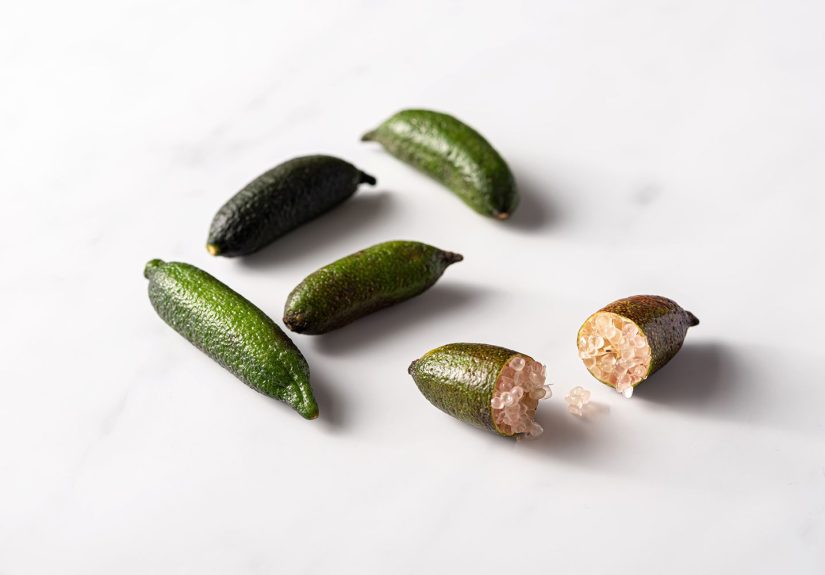
Imagine a lime that looks like a tiny cucumber and acts like a flavor confetti cannon. That’s the finger lime: a quirky, chef-loved citrus that doesn’t “juice” the way regular limes do. Instead, it hides hundreds of tiny, glossy pearls insideoften called citrus caviarthat pop when you bite them and shower your food with bright, tangy zing.
If you’ve spotted finger limes at a specialty market (or starring on a fancy plate like they pay rent), you’re not alone. They’ve become a rising specialty produce item in the U.S., especially in warm growing regions like California and parts of Florida. And once you learn what they are and how to use them, it’s hard not to start imagining them on… pretty much everything. (Yes, even that Tuesday night bowl of leftovers.)
So, What Exactly Is a Finger Lime?
Finger limes are a type of citrus native to Australia, commonly identified as Citrus australasica (you may also see the older scientific naming Microcitrus australasica). They’re typically 2–3 inches longabout thumb-sizedwith slightly pebbly skin that can range from green and yellow to red, purple, or near-black depending on the variety.
The big reveal is inside: instead of juicy segments, finger limes contain tiny, separate juice vesicleslittle beads that look like caviar. These pearls hold their shape until you bite them, which is why finger limes bring both flavor and texture to dishes. Regular lime juice is a splash; finger lime pearls are a pop.
Why Are Finger Limes Called “Citrus Caviar”?
Because “lime confetti” didn’t stick (tragic). The pearls resemble caviar visually, but the similarity ends there: the taste is fresh, tart, and citrusyoften described as a lemon-lime punch with subtle herbal or minty notes. The best part is the texture: each bead bursts with acidity right when you chew, so the brightness hits in tiny fireworks instead of one big wave.
This makes finger limes perfect for “finishing”adding a final pop of flavor right before serving. Think of them as a garnish that actually earns its keep.
Where Do Finger Limes Grow in the United States?
While Australia remains the finger lime’s homeland, the fruit is now cultivated in the U.S.most notably in California, with smaller-scale production and research interest in places like Florida and Hawaii. California is widely cited as the main commercial hub for U.S. finger lime production, largely thanks to its suitable climate and established citrus infrastructure.
If you’re wondering why you didn’t see them everywhere ten years ago, you’re not imagining it. Finger limes are still a specialty crop. Limited acreage, careful harvesting (hello, thorns), and niche demand keep prices higher than standard limesthough availability has been improving as more growers and specialty distributors bring them to market.
Seasonality: When Are Finger Limes in Season?
Season can vary by region and supplier, but U.S. market guides and produce reporting often place availability in the late summer through winter window, with California supply commonly noted from mid-summer into late fall/early winter. If you see them around the holidays, that’s not randomit’s a thing.
What Do Finger Limes Taste Like?
Finger limes taste bright and tangy, like a lime that took a refreshing walk through a herb garden. Many descriptions land somewhere between lime and lemon, sometimes with hints of grapefruit and subtle botanical notes. The flavor can also vary by cultivarsome skew sharper and greener, others more floral or berry-toned (especially those with pink or red pearls).
But the real magic is how they taste: because the juice is trapped in separate pearls, you get little bursts of acidity instead of a uniform sourness. That makes finger limes surprisingly friendly in delicate dishes where straight lime juice might overpower.
Finger Lime Nutrition: What’s In Them?
Nutritionally, finger limes are similar to other citrus fruits: low in calories, mostly water, and a source of vitamin C and dietary fiber. Exact numbers vary by serving size and source, but produce labels and nutrition references commonly show finger limes as very light on calories (often around the teens per typical serving) with a modest amount of carbs and fiber.
Potential Benefits (In Plain English)
- Vitamin C: Supports immune function and helps your body make collagen (skin, connective tissue, the whole supportive-cast situation).
- Fiber: Helps with digestion and can support steady energy (also: your gut will likely send a thank-you note).
- Flavor-without-heaviness: The pearls add big taste and visual wow with very little sugar or calories.
Note: finger limes won’t replace a balanced diet (sadly, no fruit can do your dishes or answer your emails), but they’re a fun way to add citrus brightness and textureespecially when you’re bored of the same old lemon wedge routine.
How to Choose Finger Limes at the Store
Since finger limes aren’t a standard grocery item, you’ll most often find them at specialty markets, farmers’ markets in warm-climate regions, or through specialty produce suppliers. When you’re picking them out, look for:
- Firm, plump fruit (not hollow-feeling)
- Glossy or healthy-looking skin (a bit of natural texture is normal)
- No major soft spots or leaking
Color isn’t a universal “ripeness” signal because different varieties naturally wear different outfits. In other words: don’t judge a finger lime by its cover.
How to Cut and Eat Finger Limes (Without Starting a Citrus Crime Scene)
Using finger limes is easyand oddly satisfying. The goal is to release the pearls without turning them into mush.
Step-by-Step: The “Toothpaste Squeeze” Method
- Rinse and dry the fruit.
- Slice it crosswise into 1–2 inch pieces, or slice it lengthwise if you prefer.
- Gently squeeze from one end so the pearls slide out like tiny beads.
- Spoon or pinch any stubborn pearls out if needed.
Pro tip: If you press too hard, you’ll break the pearls and end up with “regular lime vibes.” Still tasty! Just less sparkly.
How to Use Finger Limes in Food
Finger limes shine as a finishing touch. You can use them in many dishes where you’d normally add a squeeze of limebut instead of liquid, you’re sprinkling pops of flavor.
Savory Ideas
- Seafood: Sprinkle pearls over grilled fish, sushi, ceviche, shrimp, or oysters for brightness and texture.
- Tacos and bowls: Fish tacos, chicken tacos, rice bowls, poke-style bowlsanything that loves citrus.
- Salads: Add pearls right before serving so they stay crisp and pop.
- Avocado toast: Yes. It’s already trendy. This just makes it louder (in a good way).
Sweet Ideas
- Cheesecake or panna cotta: A few pearls on top give a tart contrast to creamy desserts.
- Fruit bowls: Especially great on watermelon, berries, or mango.
- Sorbet and ice cream: Add right before eating so the pearls don’t freeze into tiny pebbles.
Drink Ideas (Kid-Friendly and Party-Friendly)
- Sparkling water: Pearls + ice + a little honey or simple syrup = “fancy café” energy.
- Lemonade or limeade: Stir in pearls at the end for bursts of tartness.
- Iced tea: Especially green tea or fruity herbal blends.
How to Store Finger Limes
Finger limes store best in the refrigeratorideally in the crisper drawer. Many cooking sources suggest they can last for a couple of weeks (sometimes longer depending on freshness at purchase). Keep them dry and protected (a breathable bag or container helps), and avoid smashing them under heavier produce.
Can You Freeze Finger Limes?
Yes. You can freeze finger limes whole or freeze the pearls in small portions. Freezing may soften the “pop” a bit, but the flavor still works beautifully for finishing dishes or stirring into drinks. If you’re freezing pearls, portion them so you can grab a little at a time without thawing a whole citrus treasure chest.
Finger Limes vs. Regular Limes: What’s the Difference?
Regular limes are built for juicing. Finger limes are built for textural drama. Here’s the quick comparison:
- Inside: Regular lime = segments and juice. Finger lime = separate pearls (“caviar”).
- Best use: Regular lime = marinades, baking, large-batch drinks. Finger lime = garnishing, finishing, presentation-forward dishes.
- Availability: Regular limes are everywhere. Finger limes are specialty items with seasonal spikes.
Can You Grow Finger Limes at Home?
If you live in a warm climate (or have a bright indoor setup and patience), finger limes can be grown as a small tree. They’re generally considered frost-sensitive and do best with full sun, well-drained soil, and protection from harsh wind. They can also be thorny, so harvest time is not the moment to discover you dislike gloves.
In many areas, growing citrus also comes with local rules about transporting plants (to protect agriculture from pests and diseases). If you’re buying a tree, stick with reputable nurseries that follow regional guidelines.
Conclusion: The Tiny Citrus That Makes Food Feel Fancy
Finger limes are one of those foods that feel like a magic trick: slice them open andsurpriseout spill hundreds of jewel-like pearls. They’re tart, refreshing, and wildly fun to eat, and they turn everyday dishes into something that looks chef-y without requiring chef-y effort.
If you’re curious, start simple: try finger lime pearls on tacos, salads, fruit, or a glass of sparkling water. Once you experience the pop, you’ll understand why people call them citrus caviarand why your regular lime might start feeling a little… predictable.
Real-World Experiences With Finger Limes (The Fun Part)
People’s first experience with finger limes is usually the same: skepticism, followed by a tiny gasp, followed by “Waitdo that again.” The fruit looks almost too plain on the outside, like it’s trying to blend in with cucumbers at the farmers’ market. Then you cut one open, and suddenly you’re holding a pocket-sized science demo: hundreds of neat little pearls just sitting there, ready to roll out like edible gemstones.
In home kitchens, finger limes often become a “special occasion” ingredientnot because they’re difficult, but because they feel like a flex. Someone brings them home, everyone gathers around, and the squeezing begins. The first squeeze is usually too enthusiastic (we’ve all been there), and a few pearls go rogue. The second squeeze is more careful. By the third squeeze, someone has decided they’re basically a finger lime professional and starts giving instructions like, “No, nogentle pressure. Let the pearls escape.” It’s not just food; it’s entertainment.
One of the most common pleasant surprises is how well finger limes work on foods you already eat. People expect them to be “only for fancy seafood,” but they’re just as happy on a weeknight rice bowl, a simple salad, or even avocado toast. The pearls don’t soak into the food right away like juice does, so you get bright hits of acidity in specific bites. That changes how the whole dish feelsless uniformly sour, more lively and layered. It’s like switching from background music to surround sound.
Another real-world moment: the color. If you get a variety with pink or red pearls, it’s hard not to stare at them a little. They make plates look intentional. Even a plain bowl of fruit suddenly looks like it belongs in a magazine that charges $19 for a sandwich. People who don’t care about plating suddenly care about plating. Finger limes have that effect.
And then there’s the “pop factor.” Kids, teens, and adults all seem to enjoy the texture in the same waylike a gentler, natural version of popping boba. You’ll see people pause mid-bite because their brain is trying to file the experience under “lime,” but the texture is filing itself under “tiny edible bubbles.” Once that clicks, finger limes often become a go-to “show ingredient” for gatherings: sprinkle pearls over a big shared dish right before serving, watch everyone notice, and enjoy the moment where your guests assume you worked much harder than you did.
The best part is how forgiving they are. If you use them perfectly, you get gorgeous pearls and maximum pop. If you accidentally squeeze too hard and break a few pearls, you still get that bright citrus flavorjust more like a fresh juice finish. Either way, finger limes tend to leave people with the same conclusion: “Okay… I get the hype now.”