Table of Contents >> Show >> Hide
- Why a Rope Embroidered Denim Pillow Works So Well
- What “Rope Embroidery” Actually Means
- Best Materials for a Rope Embroidered Denim Pillow
- How To Make a Rope Embroidered Denim Pillow
- Design Ideas That Look Amazing on Denim
- Common Mistakes To Avoid
- How To Style a Rope Embroidered Denim Pillow
- Care and Maintenance Tips
- Experience: What Making a Rope Embroidered Denim Pillow Teaches You
- Conclusion
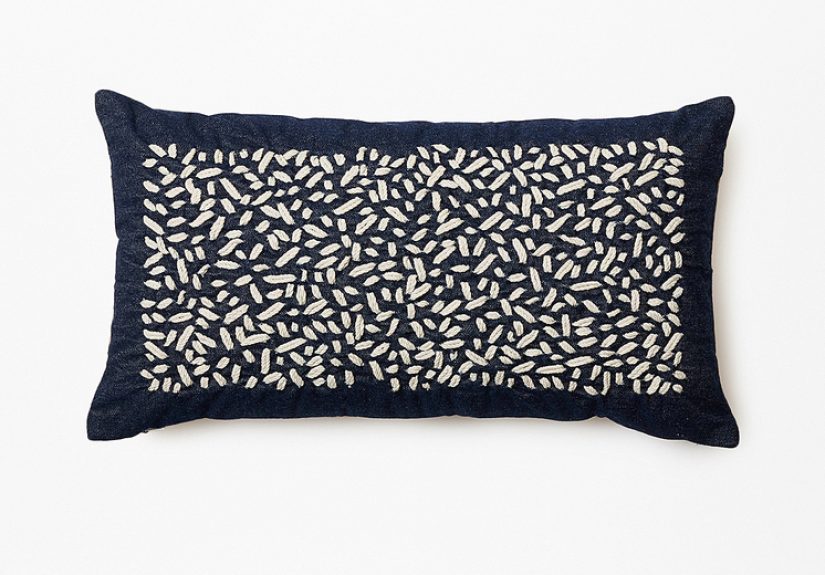
A rope embroidered denim pillow is what happens when your favorite old jeans, a little embroidery know-how, and a craving for better-looking home decor all decide to cooperate. The result is textured, durable, delightfully imperfect, and far more interesting than another store-bought throw pillow pretending to have personality.
This project sits at the sweet spot between rustic and refined. Denim brings strength, structure, and a familiar lived-in feel. Rope embroidery adds raised lines, tactile detail, and the kind of hand-finished charm that makes guests do the universal “Wait, where did you get that?” double take. Best of all, it is an excellent upcycling project. A worn pair of jeans, a denim shirt, or leftover yardage can turn into a decorative accent that looks custom instead of crafty.
If you want a pillow that feels coastal, modern farmhouse, industrial, boho, or casually Americana without trying too hard, this is a smart DIY. It is also beginner-friendly if you keep the design simple, though experienced sewists can absolutely show off with more elaborate motifs. Either way, the rope embroidered denim pillow earns its place on a sofa, reading chair, bed, or entryway bench with very little fuss and a lot of charm.
Why a Rope Embroidered Denim Pillow Works So Well
Some fabrics are beautiful but fragile. Others are durable but boring. Denim is one of the rare materials that manages to be practical and stylish at the same time. It can handle heavier stitching, repeated use, and the occasional dramatic flop onto the couch after a long day. That makes it ideal for a decorative pillow cover.
Rope embroidery, often created through couching or decorative zigzag stitching, adds dimension without requiring complicated handwork. Instead of forcing thick rope through fabric like a person auditioning for a nautical survival show, you place the rope on top of the denim and secure it with stitches. This gives you bold lines, sculptural texture, and strong visual contrast.
The combination works especially well because denim naturally balances the heaviness of rope. Lightweight cotton can pucker under a thick embellishment. Denim is sturdier, so it holds the design more cleanly. The finished pillow feels substantial, polished, and built for real life, not just for one suspiciously tidy photo shoot.
What “Rope Embroidery” Actually Means
In this context, rope embroidery usually refers to attaching cotton rope, cording, yarn, or braided trim to fabric with visible stitches. The classic method is couching, where the decorative material lies on the surface and stitching holds it in place. You can create straight lines, loops, swirls, geometric shapes, botanical outlines, monograms, abstract waves, or simple borders.
On denim, rope embroidery looks especially striking because of the contrast between flat woven fabric and raised surface detail. You can keep it subtle by matching the rope to the denim or make it pop with white cotton cord on indigo, black rope on pale chambray, or natural jute-toned cording on medium wash denim.
The effect can lean tailored or relaxed depending on your design. Tight geometric patterns feel modern. Loose spirals and organic lines feel more handmade and casual. Frayed edges, patchwork denim fronts, or sashiko-inspired accent stitching can make the pillow look even more layered and interesting.
Best Materials for a Rope Embroidered Denim Pillow
Denim
Medium-weight denim is usually the easiest choice. It is sturdy enough to support the rope but not so heavy that your machine acts personally offended. Reclaimed jeans work beautifully, especially if the fabric is already softened from washing. If you use new denim, prewash and press it first to reduce shrinkage, soften the hand, and avoid surprises later.
Rope or Cording
Look for cotton rope, soft braided cord, sash cord, or decorative upholstery cording that bends easily. Very stiff rope can be difficult to guide around curves. Very fuzzy rope can shed fibers and look messy. For most pillows, rope between 1/8 inch and 1/4 inch wide gives the nicest balance of visibility and manageability.
Thread
Use strong polyester or all-purpose thread for construction. For visible topstitching over the rope, heavier topstitch thread can look fantastic. If you want a crisp decorative finish, test your thread on a denim scrap first. Denim has opinions, and skipped stitches are its passive-aggressive way of expressing them.
Needles and Stabilizer
A denim or jeans needle is usually the safest bet for construction, while a topstitch needle can help when you are sewing visible decorative lines with thicker thread. Stabilizer is useful whenever the design area might shift, stretch, or distort, especially if you are doing denser embroidery or working with lighter denim sections cut from old garments.
Pillow Form or Insert
Choose a quality insert that is slightly fuller than your finished cover dimensions. A plump insert makes even a simple pillow look more expensive. A sad, underfilled insert makes your handiwork look like it needs a snack and a nap.
How To Make a Rope Embroidered Denim Pillow
1. Prep the Denim Properly
Wash, dry, and press the denim before cutting. If you are using old jeans, remove bulky seams and flatten usable panels. Front thighs and back panels often give you the largest uninterrupted sections. Avoid overly thick seam intersections unless you want them as part of the design.
If the denim is lightweight or pieced from several scraps, add interfacing or stabilizer to the back of the front panel. This helps the fabric stay smooth while you stitch the rope design.
2. Plan the Design Before You Sew
Draw your design directly on the wrong side of wash-away stabilizer or sketch on the fabric with a removable marking tool. Keep the scale in proportion to the pillow size. Large curves, arches, concentric lines, suns, initials, leafy stems, and wave motifs all work well.
If this is your first attempt, start with one statement motif in the center. A giant spiral, rainbow arch, or offset geometric grid can look incredibly stylish without turning the pillow into a dissertation on decorative stitching.
3. Stitch the Rope Using a Couching Method
Place the rope on top of the marked design and stitch it down gradually. You can use a zigzag stitch, serpentine stitch, or cording foot if your machine supports one. The goal is to hold the rope securely without flattening it too much.
Work slowly, especially on curves. Pivot often with the needle down. Do not pull the rope from behind or push it aggressively from the front, because that can distort the denim. Let the feed dogs do their job while you guide the cording into place.
If your machine has a cording foot, this step becomes much easier. If not, a standard zigzag setup still works well for many designs. Test stitch width and length on scrap fabric first. You want the stitches to hug the rope, not strangle it.
4. Build the Pillow Cover
Once the front panel is finished, trim it to size. For the back, you can make an envelope closure, zipper closure, or a simple sewn shut pillow. Envelope backs are especially practical because they are easy to remove and wash. They are also forgiving, which is another way of saying they quietly support your creative optimism.
For a square pillow, a finished cover that is slightly smaller than the insert often looks best. That extra snugness helps create a full, tailored appearance. Sew the front and back with right sides together, clip the corners, turn the cover right side out, and insert the pillow form.
5. Add Finishing Details
You can keep the edges plain or add piping, flange edges, contrast topstitching, tassels, or patchwork panels. If you want a more upscale look, repeat one of the rope motifs in a smaller way on the back closure flap or near one corner.
Press lightly after construction, but avoid crushing the rope embroidery. A pressing cloth is a good idea, especially if you used decorative thread.
Design Ideas That Look Amazing on Denim
- Modern arches: Clean, repeated arches made with ivory rope on dark denim feel current and easy to style.
- Coastal waves: Curved rows of rope mimic water and pair beautifully with neutral decor.
- Botanical outlines: Use cording to create leaves, stems, or wild floral shapes for a softer look.
- Western-inspired motifs: Stars, horseshoes, and simple border patterns look great on indigo denim.
- Sashiko-inspired grids: Add contrast stitches around the rope for visible mending energy with a decorative twist.
- Patchwork denim front: Piece different washes together, then run rope embroidery across the seams for extra texture.
Common Mistakes To Avoid
Using denim that is too thick: Heavy seams stacked on heavy rope can turn your project into a wrestling match. Trim seam allowances and avoid unnecessary bulk.
Skipping the test swatch: Denim, rope, thread, and stitch settings all behave differently. Test first unless you enjoy unpicking decorative stitches while reconsidering your life choices.
Ignoring stabilizer: If the front panel ripples after stitching, the pillow will never look quite as polished. A little support on the back can make a big difference.
Choosing rope that is too stiff: Tight curves become awkward, corners look clumsy, and the pillow loses its easy handmade feel.
Overdesigning the front: Denim already has visual texture. One strong embroidered feature usually looks better than a crowded composition.
How To Style a Rope Embroidered Denim Pillow
This pillow is surprisingly versatile. Pair it with linen pillows for a relaxed, organic look. Mix it with leather and canvas for a rugged, masculine room. Set it against white bedding for contrast. Add it to a neutral sofa for texture without introducing loud color. It also works beautifully in kids’ rooms, reading nooks, guest rooms, and covered porches where you want something handmade but durable.
If you make more than one, vary the denim wash rather than the whole concept. A collection in light, medium, and dark denim looks cohesive while still feeling layered. Repeating the same rope motif in different scales also creates a designer-style set instead of a random pillow population explosion.
Care and Maintenance Tips
A removable cover is the easiest option for cleaning. Turn the cover inside out, wash gently if the rope and thread allow it, and air dry or dry on low. Spot cleaning is often enough for decorative pillows. If the pillow includes natural rope or specialty cording, avoid harsh washing that could twist, fray, or shrink the embellishment.
Regular lint rolling helps dark denim stay crisp. If the pillow starts to look flat, replace or fluff the insert before assuming the cover is the problem. A good insert is the unsung hero of attractive pillow styling.
Experience: What Making a Rope Embroidered Denim Pillow Teaches You
The experience of making a rope embroidered denim pillow is part craft project, part design lesson, and part reality show starring your sewing machine. At first, it seems simple: cut some denim, stitch down some rope, sew a pillow. Then the materials start teaching you things. Denim teaches patience because it looks casual but behaves like a fabric with standards. Rope teaches control because it will not glide into perfect curves just because you asked politely. Together, they teach a useful creative truth: texture is rarely accidental.
One of the most enjoyable parts of the process is choosing the denim itself. Old jeans come with fading, whiskering, seam lines, and tiny wear marks that new fabric cannot fake very well. When you cut around those features and place rope embroidery over them, the pillow starts to feel like a story instead of just a project. A faded knee section might become the front panel. A pocket shape might inspire the placement of an arched motif. A worn hem might suggest a border. Suddenly the materials are collaborating.
There is also something satisfying about the contrast between rugged and refined. Denim is practical. Rope is humble. But when you combine them with thoughtful stitching, the finished pillow can look surprisingly elevated. It no longer reads as “I had old jeans and free time.” It reads as “I know exactly what my living room needed, and apparently it was texture with confidence.” That transformation is one of the best reasons to make handmade decor.
The stitching stage is where the learning really happens. You discover how much slower you need to sew when guiding rope around a curve. You learn that a test swatch is not optional if you care about clean results. You notice the difference between a design that is too small and fussy versus one that has enough breathing room to let the texture shine. These are the kinds of lessons that carry into future sewing projects, whether you are making bags, quilts, wall hangings, or more pillows than any sofa realistically requires.
Emotionally, the project is rewarding because it feels useful and expressive at the same time. You are not just decorating fabric. You are making an object that will be touched, leaned on, rearranged, and noticed. Handmade pillows live with people. They soften rooms, fill awkward corners, and quietly prove that practical items can still have character. A rope embroidered denim pillow does this especially well because it looks grounded, not precious. It can survive real life.
And that may be the biggest appeal of all. In a world full of fast decor and forgettable accessories, this project asks you to slow down, use what you have, and make something with weight, texture, and personality. The final pillow is lovely, yes, but the experience behind it is what gives it staying power. Every curve of rope, every stitched line, and every denim shade reminds you that good design does not always begin in a showroom. Sometimes it starts in the pile of old jeans you almost donated.
Conclusion
A rope embroidered denim pillow is stylish, sturdy, and surprisingly adaptable. It is a smart DIY for anyone who loves textured home decor, upcycled sewing projects, and pieces that feel custom without being fussy. With the right denim, an easy couching design, and a well-made pillow cover, you can create something that looks thoughtful, tactile, and far more expensive than its humble origins suggest.
Whether you go bold with oversized curves or keep it simple with a stitched border, this project proves that denim belongs in home decor just as much as it belongs in a closet. Add rope, add character, and suddenly your throw pillow has a better backstory than most furniture in the room.