Table of Contents >> Show >> Hide
- What are chilblains, exactly?
- What do chilblains look and feel like?
- Where do chilblains usually appear?
- What causes chilblains?
- Who is more likely to get chilblains?
- Are chilblains serious?
- Chilblains vs. frostbite vs. Raynaud phenomenon
- How are chilblains diagnosed?
- How do you treat chilblains?
- How can you prevent chilblains?
- When should you see a doctor?
- Can chilblains be linked to other conditions?
- What is the real-life experience of having chilblains?
- Final thoughts
Cold weather can do some rude things to the human body. Dry lips? Annoying. Frozen steering wheel? Deeply personal. But chilblains may be the season’s strangest surprise: itchy, swollen, sometimes painful patches that pop up after exposure to cold, damp air that is not freezing. In other words, your toes do not need to become little ice cubes for your skin to protest.
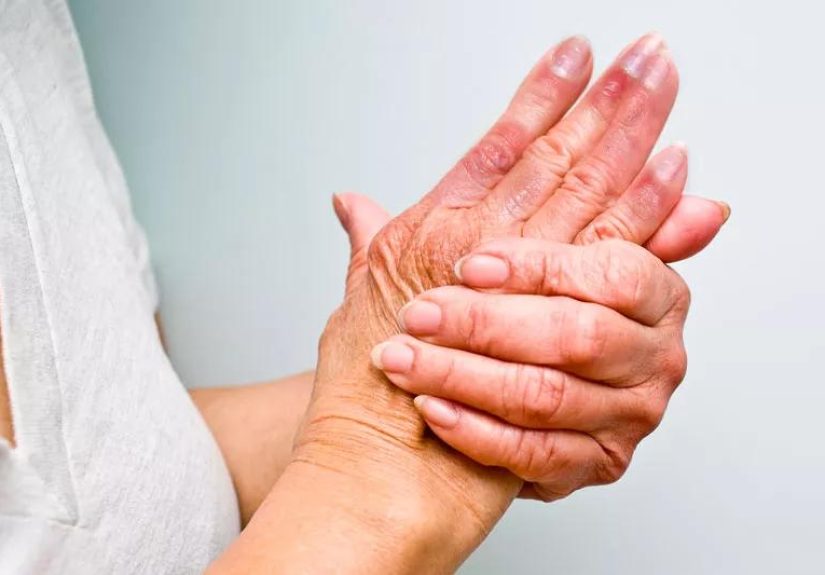
Chilblains, also called pernio or perniosis, are an inflammatory reaction in small blood vessels near the skin. They most often affect the fingers, toes, ears, nose, or heels. The area may turn red, purple, or bluish, feel tender or burn, and in some cases develop blisters or sores. The good news: chilblains are usually temporary and often improve within a few weeks. The not-so-fun news: they can come back every cold season like an uninvited holiday guest who somehow knows your Wi-Fi password.
What are chilblains, exactly?
Chilblains are a non-freezing cold injury. That matters because people often confuse them with frostbite. Frostbite happens when tissue actually freezes. Chilblains happen when skin is exposed to cold, damp conditions and then rewarmed, which can trigger an exaggerated reaction in the tiny blood vessels under the skin. The exact mechanism is still not perfectly understood, but the result is familiar: inflammation, swelling, discoloration, itching, and pain.
Think of it this way: your skin’s circulation is trying to handle a sudden temperature shift, but the traffic pattern gets messy. Small vessels constrict in the cold, then reopen during rewarming. In people who are prone to chilblains, that process seems to misfire, leading to irritation and leakage into surrounding tissue. Translation: your circulation has a tiny seasonal meltdown, and your toes file a formal complaint.
What do chilblains look and feel like?
The symptoms can vary from mildly annoying to surprisingly uncomfortable. Some people get just a few itchy spots. Others feel like their toes are staging a dramatic protest march.
Common chilblains symptoms
- Small swollen patches on the fingers, toes, ears, nose, or heels
- Red, purple, blue, or darkened skin color changes
- Itching, burning, stinging, or tenderness
- Pain, especially when warming up
- Blisters or sores in more severe cases
- Shiny skin or puffy areas that feel warm after cold exposure
Symptoms often appear several hours after exposure to cold, damp air rather than in the exact moment you feel chilled. That delayed timing is one reason people sometimes miss the connection. You may go for a cold walk, come inside, change into cozy socks, and then later wonder why your toes suddenly look offended.
Where do chilblains usually appear?
Chilblains favor body parts with less padding and more exposure. The usual suspects include:
- Toes the most common site
- Fingers especially if gloves are not doing their job
- Ears tiny, exposed, and not thrilled about winter
- Nose because apparently winter likes to be extra
- Heels or lower legs especially after repeated cold exposure
What causes chilblains?
The short answer is cold, damp, non-freezing conditions. The longer answer is that chilblains seem to result from an abnormal inflammatory response after skin is chilled and then rewarmed. Cold causes blood vessels near the skin’s surface to narrow. When the skin warms back up, the smaller vessels may expand faster than the nearby larger vessels can comfortably handle. That mismatch can irritate the tissue and trigger swelling, discoloration, and pain.
Chilblains are more likely in damp weather than in dry cold, which is why raw, wet winter days can feel especially brutal. Tight shoes, snug gloves, wet socks, or standing on cool, damp ground can increase the odds. So yes, winter fashion can betray you.
Who is more likely to get chilblains?
Anyone can develop chilblains, but some people seem more vulnerable than others.
Risk factors for chilblains
- Living in a cold, humid climate
- Having a low body weight or low BMI
- Wearing tight shoes or tight clothing in cold weather
- Smoking or nicotine exposure, which can worsen blood vessel constriction
- Having circulation issues such as Raynaud phenomenon
- Having certain autoimmune or connective tissue conditions, including lupus
- Rarely, having certain blood or bone marrow disorders
Some sources also note that chilblains are seen more often in younger women, though they can affect children, older adults, and really anyone whose skin and circulation decide winter is a personal attack.
Are chilblains serious?
Usually, no. Most cases are uncomfortable rather than dangerous. Chilblains often improve within one to three weeks, especially when the skin is kept warm and dry and the weather changes. They generally do not cause permanent damage.
That said, chilblains are not something to shrug off forever. Repeated episodes can irritate the skin enough to cause cracking, sores, infection, scarring, or thinning skin in some people. And if lesions keep returning, last too long, or show up outside cold weather, a clinician may look for an underlying condition rather than calling it simple seasonal chilblains.
Chilblains vs. frostbite vs. Raynaud phenomenon
Chilblains vs. frostbite
Frostbite involves freezing of tissue. Chilblains do not. If you were in below-freezing temperatures and your skin becomes pale, hard, numb, or waxy, frostbite becomes a bigger concern and should be evaluated promptly.
Chilblains vs. Raynaud phenomenon
Raynaud phenomenon causes blood vessels to narrow suddenly in response to cold or stress. Fingers and toes may turn white, blue, then red as blood flow returns. Chilblains can occur in people with Raynaud’s, but the two conditions are not identical. Raynaud’s is more about episodes of color change and reduced blood flow; chilblains involve lingering inflamed patches that may itch, sting, swell, or blister.
What about “COVID toes”?
During the pandemic, dermatologists saw chilblain-like lesions nicknamed COVID toes. These look similar to regular chilblains and may be linked to COVID-19 in some cases, particularly in younger patients. But not every purple toe is COVID-related, and not every chilblain-like rash means a viral infection. Cold-weather chilblains remain the classic version.
How are chilblains diagnosed?
Diagnosis is usually based on the story and the skin exam. A clinician will ask questions like:
- Were you exposed to cold or damp weather?
- Did symptoms appear hours later rather than immediately?
- Do the lesions recur every winter?
- Do you have Raynaud’s, lupus, or circulation problems?
Sometimes no additional testing is needed. But when the pattern is unusual, severe, long-lasting, or recurrent, a healthcare provider may order blood tests or, in selected cases, a skin biopsy to rule out look-alike conditions such as lupus, vasculitis, frostbite, blood clots, infection, or contact dermatitis.
How do you treat chilblains?
Most mild cases improve with simple care at home. The goal is not to roast your feet like marshmallows. It is to rewarm the skin gently and protect it from further cold exposure.
Home care for chilblains
- Keep the area warm and dry
- Wear loose, layered clothing and warm socks or gloves
- Use water-resistant footwear in wet weather
- Moisturize irritated skin with a gentle, unscented lotion
- Avoid smoking or nicotine products
- Rewarm gradually rather than blasting the skin with intense heat
If symptoms are more stubborn, a clinician may recommend medication. Treatment options can include a topical corticosteroid for inflamed or sore lesions, or a medicine such as nifedipine, a calcium channel blocker that may help improve blood flow in selected patients. Some clinicians may also use other circulation-supporting medications in recurrent cases.
Translation: if your toes are only mildly grumpy, warm socks may do the trick. If they are acting like Shakespearean tragedy props, get medical advice.
How can you prevent chilblains?
Prevention is the real star of the show. If you tend to get chilblains every winter, the best strategy is to make your skin boringly well-protected.
Smart prevention tips
- Limit time in cold, damp conditions
- Dress in loose layers instead of tight clothing
- Wear warm, water-resistant shoes or boots
- Change wet socks quickly
- Use gloves, mittens, scarves, and hats
- Keep your home and workplace comfortably warm
- Warm up gradually after coming in from the cold
- Do not smoke
People with Raynaud’s or autoimmune conditions may need to be especially careful. For them, “just toughing out the cold” is not grit. It is basically scheduling a sequel.
When should you see a doctor?
It is wise to get medical care if:
- The lesions do not improve after two to three weeks
- They keep coming back or last into warm weather
- You see pus, spreading redness, fever, or signs of infection
- You have diabetes and develop foot lesions
- You are not sure whether the injury might actually be frostbite
- You have other symptoms suggesting an autoimmune or circulation problem
Persistent or unusual chilblains can be a clue that something else is going on, such as chilblain lupus, vasculitis, or another circulatory issue. A good medical workup can separate a simple winter skin reaction from a bigger problem.
Can chilblains be linked to other conditions?
Yes. While many cases are idiopathic, meaning there is no clear underlying disease, some cases are associated with Raynaud phenomenon, lupus, other connective tissue diseases, peripheral artery disease, and, more rarely, certain blood disorders. That does not mean every person with chilblains has an autoimmune disease. It means persistent, severe, or off-season episodes deserve a closer look.
One specific condition doctors keep in mind is chilblain lupus, a rare form of chronic cutaneous lupus that can resemble regular chilblains. If lesions linger, scar, recur frequently, or occur alongside other lupus symptoms, the conversation may expand beyond warm socks and weather apps.
What is the real-life experience of having chilblains?
Many people imagine chilblains as a minor winter rash. Then they get them and discover that “minor” is doing some heavy lifting. A typical experience starts innocently: a walk in damp cold, a wait at the bus stop, a soccer game on wet ground, or a morning commute in shoes that looked cute but had all the insulation of cardboard. Hours later, the toes begin to itch. Not ordinary itchiness, either. It is the kind that makes you wiggle your feet under the table and wonder whether your socks have turned against you.
By evening, the skin may look pink, red, purple, or slightly swollen. The next day, the spots can feel tender and oddly hot even though the weather was cold. Shoes may rub. Warm water can sting. A blanket brushing the area may feel irritating. Some people describe a burning sensation; others notice throbbing or a prickly ache. If the chilblains are on the fingers, opening jars, typing, or gripping a cold steering wheel can become unexpectedly unpleasant. If they are on the toes, every step can feel like your feet are filing complaints with management.
There is also the psychological side. Because the lesions can look dramatic, people often worry they have frostbite, an infection, poor circulation, or something more serious. That worry increases if the skin darkens, blisters, or returns every winter. Parents may notice a child’s red-purple toes after outdoor play. Adults may blame new shoes, an allergic reaction, or a random skin issue before realizing the trigger is repeated damp-cold exposure.
For people who deal with chilblains every year, the experience becomes strangely strategic. They learn which socks actually work, which boots are impostors, and how much cold is too much cold. They start carrying gloves “just in case.” They become suspicious of wet sidewalks, drafty offices, overenthusiastic air-conditioning, and any footwear marketed as stylish but mysteriously silent on warmth. Winter stops being a season and starts becoming a negotiation.
People with underlying Raynaud’s or autoimmune disease may experience even more frustration, because chilblains can be one piece of a larger circulation puzzle. In those cases, the discomfort is not just physical. It can interrupt exercise, work, sleep, and mood. The silver lining is that once chilblains are recognized, many people feel a huge sense of relief. There is a name for it. There are ways to reduce flare-ups. And there is genuine comfort in learning that while chilblains are irritating, dramatic-looking, and occasionally impressively rude, they are often manageable with warmth, prevention, and the right medical advice when needed.
Final thoughts
So, what are chilblains? They are a cold-weather inflammatory skin reaction that usually shows up on the fingers, toes, ears, or nose after exposure to damp, non-freezing conditions. They can itch, sting, swell, and turn vivid shades that make your skin look like it has strong opinions. Most cases clear within a few weeks, especially with warmth, dryness, and smart prevention. But repeated, severe, or long-lasting episodes deserve medical attention, especially if there may be an underlying circulation or autoimmune issue.
In plain English: chilblains are usually more nuisance than emergency, but they are worth understanding. Your toes may be dramatic, but sometimes they are also informative.