Table of Contents >> Show >> Hide
- What Is Ozempic, Really?
- Why Coaching Matters as Much as the Injection
- How a Modern Ozempic-and-Coaching Program Typically Works
- Benefits You Can Expect (Beyond the Number on the Scale)
- Risks, Side Effects, and Who Should Avoid Ozempic
- What to Look For in a Safe Ozempic and Coaching Program
- Real-World Experiences: What It Feels Like to Be on Ozempic Plus Coaching
- Is an Ozempic-and-Coaching Program Right for You?
If you’ve opened social media anytime in the last couple of years, you already know:
Ozempic is everywhere. Friends are whispering about “the shot,” celebrities are
dodging questions about how they dropped 40 pounds, and suddenly everyone seems to
know what a GLP-1 is.
But behind the headlines, an important trend is emerging: some of the most successful
weight loss results don’t come from just prescribing Ozempic. They come from pairing
the medication with structured coaching, personalized nutrition support, and real
behavior change. Think less “magic jab” and more “team sport for your metabolism.”
In this in-depth guide, we’ll unpack how these Ozempic-and-coaching programs work,
what the evidence really says, who they might help, and what you should watch out for
before you sign a credit card authorization and roll up your sleeve.
What Is Ozempic, Really?
Ozempic is the brand name for semaglutide, a prescription medication in a class called
GLP-1 receptor agonists. These drugs mimic a naturally occurring hormone that helps
regulate blood sugar, slow digestion, and signal fullness to your brain.
In the United States, Ozempic is FDA-approved to treat type 2 diabetes
and to reduce the risk of major cardiovascular events (like heart attack and stroke)
in adults with type 2 diabetes and known heart disease. It is not
officially approved for weight lossWegovy, a higher-dose semaglutide formulation,
holds that indicationbut people do often lose weight on Ozempic, and some clinicians
prescribe it off-label to patients with obesity.
Mechanistically, Ozempic:
- Slows how quickly food leaves your stomach, which helps you feel fuller longer.
- Reduces appetite and “food noise,” making it easier to stay in a calorie deficit.
- Improves blood sugar control, which can reduce cravings and energy crashes.
In clinical trials of semaglutide for obesity (at doses used in Wegovy), patients
lost a significant amount of weight on average when the medication was combined with
diet and lifestyle changes.
Why Coaching Matters as Much as the Injection
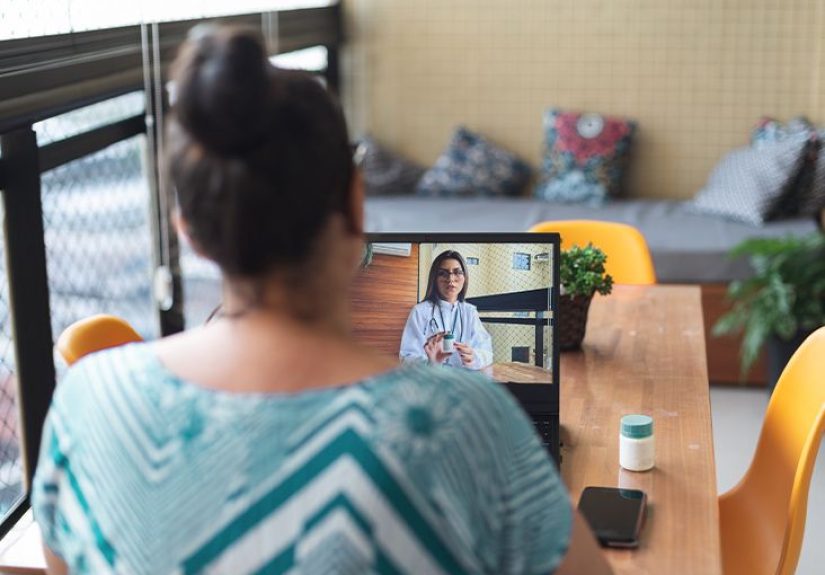
Enter the new wave of telehealth programs that do more than just write a prescription.
Companies like Calibrate and other GLP-1–based weight loss clinics combine
semaglutide (including Ozempic when appropriate) with one-to-one or small-group
coaching.
The idea is simple but powerful: the medication makes it easier to eat less; the
coaching helps you change how and why you eat, move, and manage
stress so the progress sticks when the dose goes down or the medication eventually
stops.
The science behind “meds + mindset”
Research on obesity treatment consistently shows that combining medication with
structured lifestyle support yields better weight loss than lifestyle changes alone.
In multiple trials, people who received anti-obesity medication plus behavior
therapy lost more weight and kept it off longer than those relying solely on diet and
exercise programs.
Coaching adds extra layers of support:
- Accountability to keep showing up, even after “new program” excitement fades.
- Personalized strategies for emotional eating, stress snacking, and social events.
- Guidance on protein intake, strength training, and sleepkey for preserving muscle and metabolic health on GLP-1s.
- Help troubleshooting side effects and staying in dialogue with your medical team.
In other words, Ozempic can lower the volume on your appetite. Coaching helps you
rewrite the playlist entirely.
How a Modern Ozempic-and-Coaching Program Typically Works
Every clinic has its own flavor, but if you sign up for a reputable program that
prescribes Ozempic (or related GLP-1s) and includes coaching, you’ll usually move
through a few predictable stages.
1. Medical evaluation and eligibility
First comes a comprehensive medical intakeoften done via telehealth. A licensed
clinician reviews your health history, medications, weight trajectory, and lab work
to see whether a GLP-1 is appropriate and safe for you.
They’ll typically look for:
- Body mass index (BMI) in the overweight or obesity range.
- Weight-related conditions like type 2 diabetes, prediabetes, PCOS, or sleep apnea.
- Possible contraindications, such as a personal or family history of medullary thyroid carcinoma (MTC) or multiple endocrine neoplasia syndrome type 2 (MEN2).
If you’re a candidate, the clinician discusses optionsOzempic, Wegovy, or other
GLP-1 or related medicationsand explains that all of them must be used with
lifestyle changes, not instead of them.
2. Prescription and monitoring
If prescribed, your medication is usually shipped to your home or picked up at a
local pharmacy. Most programs emphasize gradual dose escalation to reduce side
effects, with regular check-ins to review tolerability and progress.
A quality program will:
- Monitor weight, waist circumference, blood pressure, and often labs over time.
- Adjust the dose or switch medications if side effects become unmanageable.
- Coordinate directly with your primary care or endocrinology team when needed.
3. Coaching, curriculum, and habit building
The coaching side usually includes scheduled sessions (video or chat), plus a
structured curriculum that tackles:
- Foundations: balanced meals, adequate protein, hydration, and fiber.
- Movement: starting or progressing regular physical activity, especially resistance training to protect muscle.
- Sleep and stress: both major drivers of cravings and weight regain.
- Mindset: handling plateaus, all-or-nothing thinking, and social pressure.
Some programs also integrate digital toolsapps that track habits, push gentle
nudges, and connect you to a care team between sessions. Think of it as a smart
safety net around your medication.
Benefits You Can Expect (Beyond the Number on the Scale)
While results vary, GLP-1–based programs have shown meaningful average weight loss
when combined with coaching and lifestyle changes. In obesity trials of semaglutide,
participants often lost a double-digit percentage of their starting body weight,
especially when they stayed on treatment and followed behavior guidance.
But the benefits can go beyond the bathroom scale:
- Better blood sugar control in people with type 2 diabetes, which can mean fewer spikes and crashes and potentially fewer diabetes complications over time.
- Improved cardiovascular risk profile in those with type 2 diabetes and heart diseaseOzempic is specifically approved to reduce major cardiovascular events in this group.
- Lower “food noise”that constant mental chatter about what to eat nextwhich many patients describe as life-changing for their focus and wellbeing.
- Confidence from skill-building: coaching helps you collect small wins, like learning to navigate restaurant menus or handle stressful days without raiding the pantry.
When medication and coaching are aligned, you’re not just losing weightyou’re also
gaining tools to protect your health long term.
Risks, Side Effects, and Who Should Avoid Ozempic
Ozempic is a powerful prescription medication, not a wellness smoothie. Any
responsible program will insist on a careful risk–benefit conversation with a
qualified clinician.
Common and serious side effects
The most common side effects of Ozempic include: nausea, diarrhea, vomiting, stomach
pain, and constipation. These symptoms are often worst when the dose increases and
may improve over time.
Serious risks can include:
-
Pancreatitis (inflammation of the pancreas), signaled by severe
abdominal pain that may radiate to the back. -
Gallbladder problems, which are more common with rapid weight
loss. -
Possible thyroid C-cell tumors based on rodent studies; while the
relevance to humans isn’t fully known, Ozempic carries a boxed warning and is
contraindicated in people with a personal or family history of MTC or MEN2. -
Vision changes in people with diabetic eye disease, especially
when blood sugar improves quickly.
Recent coverage has also highlighted concerns about muscle loss and
frailty when GLP-1s are used without adequate protein and resistance training. Some
people lose lean mass along with fat, which can affect strength and physical
function, especially in older adults.
This is where coaching becomes more than a “nice-to-have”it’s a safety feature,
nudging you toward higher-protein meals and strength exercises that help your body
hang on to muscle while the scale moves down.
Important limitations
A few key realities to keep in mind:
-
Ozempic is not FDA-approved solely for weight loss. Its approved
uses are for type 2 diabetes and cardiovascular risk reduction in certain
patients. Wegovy is the semaglutide formulation specifically approved for
chronic weight management. -
It’s not for everyone. People with certain endocrine conditions,
a history of pancreatitis, or specific cancers may be advised to avoid GLP-1s. -
You should never start or stop Ozempic without working closely
with a healthcare professional who knows your full medical story.
What to Look For in a Safe Ozempic and Coaching Program
With demand sky-high, not all programs are created equal. Some are carefully designed
medical clinics; others are more like “add to cart, hope for the best.”
Here are green flags for a responsible, evidence-based program:
-
Licensed clinicians (physicians, nurse practitioners, or
physician assistants) who perform a thorough assessment and prescribe only when
you qualify medically. -
Clear separation of program fees and medication costs, with
transparency about insurance coverage, prior authorizations, and pharmacy options. -
Structured, ongoing coaching focused on nutrition, movement,
sleep, and behavior changenot just monthly weigh-ins. -
Regular monitoring of weight, symptoms, and side effects, plus
easy ways to reach your care team between visits. -
Exit strategy: a plan for what happens when you taper or stop the
medication, so you’re not left alone to white-knuckle maintenance.
Red flags include anyone promising “guaranteed” weight loss, skipping real medical
screening, or pushing doses and combinations that aren’t evidence-based. If it sounds
like a miracle, your skepticism is a feature, not a bug.
Real-World Experiences: What It Feels Like to Be on Ozempic Plus Coaching
Every journey is unique, but certain themes keep popping up in reports from patients
and in coverage of GLP-1 programs: big changes on the scale, big emotions along the
way, and a surprising amount of work happening outside the pharmacy.
The early weeks: “Is it supposed to feel this weird?”
Many people start Ozempic with a mix of excitement and nerves. In the first few
weeks, it’s common to experience nausea, early fullness, or a sudden loss of interest
in foods that used to call your name from across the room. Some describe it as
“someone turned down the volume on my appetite” or “my food noise finally went
quiet.”
This is where coaching can be grounding. Instead of panicking about every wave of
nausea or wondering whether to push through one more bite, you have a guide helping
you:
- Experiment with smaller, more frequent meals.
- Shift toward protein-rich foods that feel good on your stomach.
- Recognize that discomfort doesn’t always mean dangerbut also learn when to call your clinician.
Patients often say that knowing someone is tracking their symptoms and cheering on
their early wins makes it easier to stay the course as their body adjusts.
The middle phase: building a new normal
After the first month or two, people commonly notice that their clothes fit
differently, their energy improves, and everyday tasks feel easier. At the same time,
the novelty wears off, and old patterns can quietly try to sneak back in.
A coach might help you:
- Plan for social events so you enjoy the night without derailing your progress.
- Add strength training twice a week to protect your muscles as weight drops.
- Reframe lingering guilt or shame about “needing medication” as choosing a legitimate treatment for a chronic disease.
For many, this is also when deeper emotional themes show up: grief over years spent
dieting, anger at stigma, surprise at how differently they’re treated after weight
loss, and anxiety about whether the results will last. A good coaching program makes
room for those feelings instead of pretending they don’t exist.
The long game: tapering, maintenance, and identity shifts
Long-term, some people stay on GLP-1s at a maintenance dose; others taper off or
switch medications. In all scenarios, the “after” phase is where your habits and
mindset matter most.
People who feel most stable in maintenance often share a few patterns:
- They’ve learned to read their hunger cues instead of ignoring them.
- They have simple, repeatable meal frameworkslike “protein + veg + smart carb”instead of rigid rules.
- They understand their personal triggers (like late-night scrolling or stressful workdays) and have backup plans.
- They see their weight and health as ongoing projects, not a finite “challenge.”
Coaching helps translate weight loss from a dramatic before-and-after photo into an
everyday lifestyle that feels livable. The medication may have opened the door; the
work you do in coaching is what helps you walk through and stay there.
Is an Ozempic-and-Coaching Program Right for You?
An Ozempic-based weight loss program with coaching can be a powerful bridge between
knowing what to do and finally being able to do it. For many people living with
obesity or weight-related health conditions, it offers something diets rarely
deliver: a realistic chance at meaningful, sustainable change.
But it’s not a one-size-fits-all solution. The right program:
- Starts with a thorough medical evaluation.
- Prescribes medication only when it’s safe and indicated.
- Pairs the injection with consistent, evidence-based coaching.
- Helps you protect your muscle, your metabolism, and your mental healthnot just your jeans size.
If you’re curious whether this approach fits your health history and goals, the next
best step isn’t a hashtag or a celebrity story. It’s a conversation with a clinician
who understands GLP-1s and an honest look at whether you’re ready to engage with the
coaching side, not just the prescription.
Ozempic can change your appetite. Coaching can change your life. Together, they can
turn “I’ve tried everything” into “This finally makes sense for me.”