Table of Contents >> Show >> Hide
- Why Velvet Works So Well in Cold Weather
- The Velvet Dress Shapes That Look Most Modern Right Now
- The Colors That Make Velvet Sing
- How to Style Velvet Dresses Without Looking Overdone
- Where Velvet Dresses Really Shine
- Common Mistakes to Avoid
- How to Build a Cold-Weather Outfit Around a Velvet Dress
- The Experience of Wearing Velvet in Cold Temperatures
- Conclusion
When the weather turns cold, getting dressed can start to feel like a negotiation between style and survival. You want polish, warmth, and at least a tiny chance of not shivering dramatically the second you leave the house. That is exactly where velvet dresses come in. They are rich, soft, elegant, and just theatrical enough to make an entrance without looking like you’re heading to a costume party hosted by a Victorian duchess.
Velvet has always had a reputation for luxury, but right now it feels especially relevant. Fashion editors, stylists, and major retailers have all been leaning into velvet for fall and winter because it solves a very specific seasonal problem: how to look dressed up when every instinct says “wrap me in a blanket and let me hibernate.” A velvet dress is, essentially, the socially acceptable version of that blanket fantasy. It has texture. It has depth. It catches light beautifully. And unlike flimsy warm-weather fabrics, it looks like it actually understands what December is trying to do to us.
The best part is that today’s velvet dresses are not limited to one mood. They can be sleek and minimal, romantic and draped, sharp and tailored, or playful and party-ready. You can wear one with boots and a long coat for dinner, layer it under a blazer for an office holiday event, or style it with tights and loafers for daytime when you want to look like you have your life together, even if your coffee says otherwise.
Why Velvet Works So Well in Cold Weather
Velvet makes sense in winter for reasons that are both practical and aesthetic. On the practical side, it is a heavier-looking, more substantial fabric than many spring and summer dress materials. That visual weight matters. Even when a velvet dress is cut in a slip silhouette or a strappy midi, it still reads as seasonally appropriate because the fabric itself brings warmth and depth to the look.
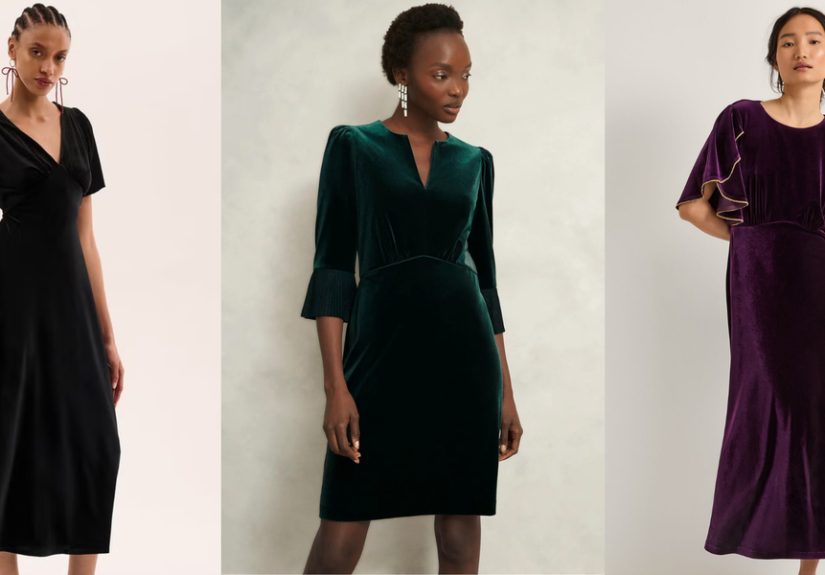
On the style side, velvet does something magical with light. Instead of sitting flat, it shifts tone as you move. A black velvet dress looks inky and dramatic. A deep emerald style feels festive without screaming “I am a holiday decoration.” Burgundy, navy, plum, chocolate brown, and jewel-toned teal all feel especially expensive in velvet, even when the price tag is much friendlier than your face suggests after holiday shopping.
This is also why velvet dresses keep appearing in cold-weather style roundups and occasionwear edits. They hit the sweet spot between elegance and comfort. Sequins can be fabulous, but they are not always subtle. Satin can be beautiful, but it often feels a little too slippery for the middle of winter. Velvet, meanwhile, offers glamour with a cozier personality. It is the extrovert that still remembers to bring a coat.
The Velvet Dress Shapes That Look Most Modern Right Now
Long-Sleeve Midi Dresses
If one silhouette deserves a standing ovation in cold temperatures, it is the long-sleeve velvet midi. It is polished, practical, and absurdly easy to style. The longer sleeve adds warmth and balance, while the midi length works with everything from knee-high boots to heeled pumps. This is the dress you wear when you want to look elegant with minimal fuss. Add earrings, a structured bag, and a tailored coat, and you are finished. No meltdown required.
Slip and Bias-Cut Velvet Dresses
Yes, even slip dresses can work in winter when they are rendered in velvet. The trick is layering. Throw on an oversized wool coat, a sharp blazer, or even a fitted turtleneck underneath if you want a more fashion-forward effect. The softness of velvet keeps the look seasonally grounded, while the slinky shape prevents it from feeling too heavy.
Wrap and Ruched Styles
Wrap dresses and ruched velvet styles are popular for a reason: they are flattering, comfortable, and wonderfully forgiving after a large dinner. These shapes create movement and definition without looking over-designed. They also transition beautifully from daytime to evening. A wrap velvet dress with ankle boots can carry you through a work event; swap in heels and a red lip, and suddenly it is ready for cocktails.
Mini Dresses With Tights and Boots
A velvet mini is proof that winter style does not have to be all seriousness and sleeves. Worn with opaque tights, tall boots, and a strong coat, it feels playful but still weather-aware. This is where details like puff sleeves, bows, square necklines, or subtle embellishment can really shine. The overall vibe is chic party girl, but the practical version who checked the forecast first.
Maxi and Column Dresses
For evenings that call for drama, a velvet maxi or column dress is hard to beat. It has presence without requiring excessive sparkle. In darker shades especially, it feels timeless. These dresses are ideal for winter weddings, formal dinners, New Year’s Eve parties, and any event where the invitation suggests you should look memorable. Not “performing arts center curtain” memorable, but sophisticated memorable.
The Colors That Make Velvet Sing
Black velvet is the eternal classic. It is sleek, flattering, and nearly impossible to style badly. But winter is also the perfect time to explore richer shades. Emerald green, wine red, midnight blue, plum, and chocolate brown all look particularly luxe in velvet because the fabric amplifies color in a way flat materials simply cannot.
If you prefer a softer palette, dusty rose, bronze, steel blue, and deep mauve can look unexpectedly modern. These tones keep the romance of velvet but feel a little less obvious than the standard holiday lineup. Meanwhile, jewel tones remain a smart choice for formal events because they photograph beautifully and look especially polished under evening lighting.
The simplest rule is this: if a color already feels rich, velvet will make it feel richer. If a color feels flimsy or overly sugary, velvet may push it into “gift-wrap adjacent” territory. Proceed with caution.
How to Style Velvet Dresses Without Looking Overdone
The easiest way to modernize a velvet dress is to keep the rest of the outfit clean. Let the texture do the talking. If the dress is simple, add one statement accessory such as sculptural earrings, a boxy clutch, or knee-high boots. If the dress already has draping, embellishment, or a bold neckline, resist the urge to pile on more. Velvet likes a little breathing room.
For daytime, pair velvet with tailored or utilitarian pieces. Think a sharp wool coat, leather belt, lug-sole boots, or even loafers with tights. This contrast makes the dress feel wearable rather than precious. It is the difference between “holiday party only” and “actually useful in real life.”
For evening, lean into refined accessories rather than maximal chaos. Metallic heels, a delicate necklace, or a satin bag can elevate the look without competing with the fabric. If you want a modern finish, choose sleek hair and minimal makeup with one focal point, such as berry lips or smoky liner. Velvet already has enough personality. It does not need a backup dancer.
Where Velvet Dresses Really Shine
One reason velvet dresses have staying power is that they work across so many winter occasions. They are an obvious fit for holiday parties, but they also make sense for winter weddings, date nights, theater outings, work celebrations, birthdays, and fancy dinners where you want to look intentional without freezing on the walk from the car.
They also bridge dress codes remarkably well. A simple velvet midi with sleeves can feel understated and refined. A strapless or draped velvet gown reads glamorous. A burnout velvet mini with tights feels fashion-forward. Because the fabric itself does so much visual work, you can choose a relatively straightforward cut and still look dressed up.
Retailer assortments right now reflect that flexibility. There are velvet minis, midis, maxis, wrap dresses, slip dresses, long-sleeve styles, off-the-shoulder options, burnout designs, lace-trimmed versions, and velvet dresses mixed with chiffon, satin, mesh, or organza details. In other words, there is a velvet dress for nearly every personality, which is both wonderful and mildly dangerous for your credit card.
Common Mistakes to Avoid
Ignoring Proportion
Because velvet has visual weight, proportion matters. If the dress is oversized and the coat is also oversized and the boots are also chunky, the whole outfit can start to feel heavy. Balance is your friend. Pair fuller shapes with cleaner accessories, or offset a body-skimming dress with a relaxed outer layer.
Adding Too Many Competing Textures
Velvet plays well with wool, leather, satin, and sheer layers, but there is a limit. A velvet dress plus faux fur plus sequins plus rhinestones plus metallic tights can quickly become less “chic winter statement” and more “seasonal ornament in distress.” Edit wisely.
Choosing the Wrong Undergarments
Velvet can cling or reveal lines depending on the cut. Seamless underpinnings make a difference, especially with fitted or draped styles. This is not the section where fashion gets glamorous, but it is the section where outfits stop betraying you.
Forgetting About Care
Velvet is beautiful, but it is not a fabric that enjoys being treated like an old sweatshirt. Always check the care label. Many velvet dresses are dry clean only, and that guidance is worth following, especially for structured or delicate pieces. Proper hanging, careful steaming, and gentle storage will help preserve the pile and keep the dress looking lush instead of tired.
How to Build a Cold-Weather Outfit Around a Velvet Dress
Start with the dress, then think in layers. A wool coat in camel, black, charcoal, or cream instantly sharpens the look. Boots are the most practical anchor, especially pointed-toe ankle boots or tall leather styles. Tights can make a mini dress winter-ready in seconds. Jewelry should usually stay refined rather than overwhelming.
If you want a foolproof formula, try this: a deep green or burgundy velvet midi dress, knee-high boots, gold earrings, and a long tailored coat. It feels current, flattering, and warm enough for real life. Another reliable option is a black velvet mini with sheer tights, slingbacks or boots, and an oversized blazer. It is part polished adult, part mischievous main character.
And if you are still unsure, remember this: velvet does not need much help. When the fabric looks this good, your job is mostly to not ruin the moment.
The Experience of Wearing Velvet in Cold Temperatures
There is a very specific feeling that comes with wearing a velvet dress in cold weather, and it is hard to replicate with any other fabric. The minute you put one on, the outfit feels finished. Not halfway there. Not “I’ll figure it out with accessories.” Finished. Even before shoes, even before earrings, even before you decide whether the weather is bad enough to justify the dramatic coat, the velvet already gives the impression that you made a plan.
That is part of the charm. Winter dressing can be repetitive: knits, coats, boots, rinse and repeat until spring remembers your address. A velvet dress breaks that cycle. It feels soft against the skin, but visually it has structure and mood. You walk differently in it. Not because you are trying to be grand, exactly, but because the fabric encourages a little ceremony. Suddenly, grabbing dinner feels more cinematic. A casual party feels less forgettable. Even standing in line outside a restaurant in 40-degree weather feels slightly more glamorous, which is impressive considering you are still standing in line.
There is also an emotional side to it. Velvet has a way of making cold temperatures feel intentional rather than inconvenient. Instead of dressing defensively against winter, you start dressing in conversation with it. The darker afternoons, the candlelit dinners, the polished boots, the richer colors, the sharper outerwear, all of it makes more sense when velvet enters the picture. The fabric belongs to the season, which means you stop fighting winter and start styling it.
For many people, that is the real appeal. A velvet dress can make an ordinary evening feel elevated without demanding discomfort in return. It is not one of those outfits that looks fabulous in photos but miserable in practice. When chosen well, it is wearable. You can sit in it, walk in it, dance in it, and survive an unexpectedly long coat-check line in it. There is dignity in that.
And then there is the reaction factor. Velvet tends to draw compliments in a quieter, more sophisticated way than overtly flashy pieces. People notice the texture first, then the color, then the overall richness of the outfit. It reads thoughtful. Intentional. Chic. You may not get the loudest response in the room, but you will often get the most genuinely appreciative one, which is better. Anyone can buy sequins. Velvet suggests discernment.
It is also surprisingly versatile across age groups and personal styles. On one person, a velvet slip dress with a leather trench feels sleek and cool. On another, a long-sleeve wrap velvet midi with heeled boots feels timeless and elegant. On someone else, a jewel-toned mini with tights and a cropped coat feels playful and modern. Same fabric, different energy. That kind of flexibility is rare, and it is probably why velvet keeps reappearing every cold-weather season without feeling tired.
Most of all, wearing velvet in winter feels like a small rebellion against dreary dressing. It says that warmth does not have to be boring, that texture matters, and that a little drama is not only acceptable but welcome when the sky turns gray at 4:45 p.m. In a season that can flatten everyone into the same black puffer and practical boots, a velvet dress reminds you that personal style is still allowed. Encouraged, even.
So yes, velvet dresses are a chic statement for cold temperatures. But they are also something more useful than that. They are a shortcut to looking put-together, a way to make winter fashion feel luxurious instead of dutiful, and a reminder that sometimes the smartest style choice is the one that feels just a little bit indulgent. Preferably with great boots.
Conclusion
Velvet dresses continue to earn their place in winter wardrobes because they combine visual richness, seasonal practicality, and effortless elegance. They work across dress codes, flatter a wide range of silhouettes, and instantly make cold-weather outfits feel more intentional. Whether you choose a long-sleeve midi, a draped maxi, or a playful mini with tights and boots, velvet brings warmth, texture, and polish without demanding excessive styling. In a season full of bulky layers and predictable fabrics, it is the easiest way to look chic, feel festive, and still dress like a functioning adult. Which, in winter, is basically fashion’s highest honor.
Note: This article is formatted for web publishing in clean HTML and excludes unnecessary placeholder elements.