Table of Contents >> Show >> Hide
- Why Slovenia Fits the Utensil Revival So Well
- From Folk Utility to Modern Design Object
- Why Wooden Utensils Keep Winning
- What Makes the Slovenian Edition Distinct
- How to Choose Better Utensils Without Becoming Unbearable About It
- The Care Routine That Keeps the Romance Alive
- Why This Revival Matters Beyond the Kitchen Drawer
- Utensil Revival, Slovenian Edition: A Human Experience
- Conclusion
Some kitchen tools are flashy. They hiss. They beep. They come with twenty-seven settings and a user manual that reads like a hostage note. And then there are utensils: the humble spoon, the patient spatula, the fork that quietly moves roasted potatoes from pan to plate without asking for applause. For years, these everyday tools were treated like background actors in the movie of home cooking. Useful? Sure. Memorable? Not exactly.
But that is changing. Across the world, cooks, designers, and people who have finally grown tired of flimsy plastic are rediscovering the pleasure of well-made kitchen utensils. And when that revival gets a Slovenian twist, the result is especially charming. Think less “drawer full of random duplicates” and more “beautiful object with a backstory, a purpose, and enough good sense not to melt near a sauté pan.”
This is what makes a Slovenian edition of the utensil revival so compelling. It is not just about buying prettier spoons. It is about reviving utility through craft, turning tradition into something current, and proving that even the most ordinary kitchen tool can carry history, regional identity, and very good design. In other words, your pasta spoon can finally have a personality.
Why Slovenia Fits the Utensil Revival So Well
Slovenia may be small on the map, but it has a giant reputation for craftsmanship, natural materials, and a culture that respects everyday objects. In the Slovenian context, utensils are not merely cheap helpers tossed into a crock beside the stove. They belong to a longer story of woodworking, pottery, table culture, and home life shaped by practicality.
One of the most important ideas here is the tradition known as suha roba, or woodenware. Historically, Slovenian makers, especially in places like Ribnica, produced all sorts of wooden household goods for daily use. That heritage matters because it frames utensils not as disposable accessories, but as tools designed to live with the rhythm of real kitchens: stirring soup, scraping dough, serving beans, lifting dumplings, and generally saving dinner from disaster.
That legacy gives Slovenian utensils a different mood from mass-market gadgets. They tend to feel rooted, not trendy for trendiness’ sake. Even when designers update the shapes, the materials and purpose stay honest. The best versions are modern without acting like they invented cooking. They simply show up, do the work, and look good leaning against a backsplash while doing it.
From Folk Utility to Modern Design Object
The smartest part of the utensil revival is not nostalgia alone. Nostalgia can be lovely, but it can also produce objects that are charming in theory and awkward in practice. Nobody wants a spoon that looks romantic in a lifestyle photo but stirs risotto like a canoe paddle carved by a poet. The Slovenian approach works because it updates tradition without stripping it of usefulness.
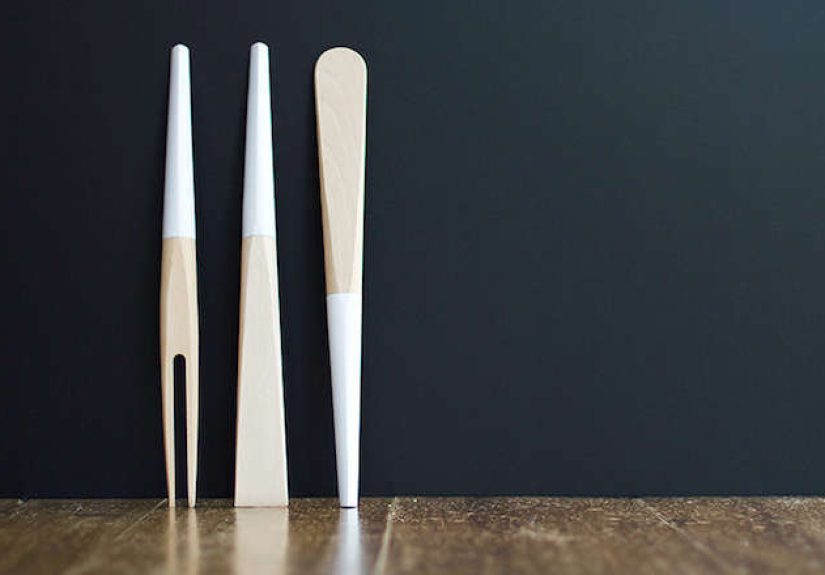
Modern Slovenian utensil design often takes familiar forms and refines them. A spoon bowl becomes smoother and deeper. A spatula edge becomes cleaner and more precise. A handle feels balanced rather than bulky. Storage becomes part of the thinking, too. Some contemporary Slovenian designs add clever touches like integrated magnets, which make utensils easier to display and access without throwing them into a cluttered drawer where they go to fight with whisks.
This blend of old and new is where the revival becomes exciting. A utensil can still be made of wood, still honor regional craft, and still feel completely suited to a modern kitchen with open shelving, induction burners, and a cook who wants both function and style. It is heritage with decent ergonomics. Frankly, more traditions should aim this high.
Why Wooden Utensils Keep Winning
The utensil revival, Slovenian or otherwise, would not exist without wood. Wooden utensils continue to earn their place because they solve real kitchen problems elegantly. They are gentle on cookware, especially enamel and nonstick surfaces. They feel comfortable in the hand during long cooking sessions. They handle stirring, scraping, folding, tossing, and serving without the metallic clang that makes a peaceful kitchen sound like a construction site.
Wood also carries a visual warmth that plastic can only dream about. A good wooden spoon makes a kitchen feel lived-in, not sterile. It suggests that actual meals happen here, not just takeout containers being opened with mild resignation. That aesthetic appeal matters more than people admit. Kitchens are workspaces, yes, but they are also emotional spaces. The tools we keep in sight help set the tone.
There is also a growing desire for materials that feel less disposable. Home cooks are paying more attention to durability, repair, maintenance, and what they bring into their homes. A well-made wooden utensil fits that mood perfectly. It asks for a little care, but it gives back years of service and far more character than something molded in a shape best described as “beige compromise.”
What Makes the Slovenian Edition Distinct
1. A Strong Link to Place
Many utensil collections claim to be inspired by heritage. Slovenian pieces often come from a craft culture where the connection to place is still vivid. That matters. When a utensil emerges from a region known for woodenware, it carries more than a design story. It carries continuity. The object feels connected to a chain of makers, users, workshops, fairs, and kitchens that stretches backward rather than beginning in a branding meeting.
2. Restraint Instead of Gimmicks
Slovenian design has a knack for restraint. The forms are often clean, pared down, and refreshingly free of nonsense. You are less likely to get a spoon shaped like a question mark and more likely to get one that understands its life mission: stir well, feel good, and avoid being embarrassing. That design discipline is a big part of the appeal.
3. Natural Materials Used With Intention
Wood in this context is not decoration pretending to be utility. It is the point. The grain, weight, smoothness, and finish are all part of the user experience. When done well, the utensil feels coherent from tip to handle. That tactile consistency is one reason wooden tools remain beloved by serious home cooks.
4. Everyday Beauty
The Slovenian edition of utensil revival does not separate beauty from usefulness. These are not precious display objects that panic when exposed to tomato sauce. They are working tools that also happen to look great hanging on a rail, resting in a crock, or clinging neatly to a magnetic surface. Good design here is not a bonus. It is woven into the utility itself.
How to Choose Better Utensils Without Becoming Unbearable About It
If the revival of utensils has inspired you to upgrade, excellent. But there is no need to become the person who lectures dinner guests about handle grain orientation before dessert. A few practical standards will take you far.
First, look for shape. A spoon should have a bowl deep enough to stir and taste effectively. A spatula should have a working edge that can scrape fond, sauces, and batter with control. A serving fork should feel purposeful, not decorative. If the shape is wrong, even the prettiest utensil becomes countertop sculpture with delusions of grandeur.
Second, pay attention to wood quality and finish. Smooth, dense hardwoods tend to feel better, last longer, and resist rough wear more gracefully. Cheap, rough tools often announce their shortcomings immediately. If a spoon looks like it might splinter on its first day, believe it. Kitchen tools should inspire confidence, not first aid preparedness.
Third, consider balance and grip. A utensil should feel steady in the hand whether you are stirring a pot of polenta or serving roasted vegetables. Too long, and it becomes awkward. Too short, and your knuckles begin negotiating with heat. Good tools are rarely dramatic in the hand. They simply feel right.
The Care Routine That Keeps the Romance Alive
Wooden utensils are wonderful, but they are not maintenance-free. This is where many households go wrong. A good wooden spoon is loyal, but it is not invincible. If you leave it soaking for ages, blast it in the dishwasher, or ignore it until it looks like driftwood from a tragic beach, the relationship will suffer.
The basic care routine is simple. Wash wooden utensils by hand with mild soap and warm water. Dry them well, then allow them to air-dry completely before putting them away. Do not leave them sitting in water. Do not make the dishwasher their personal sauna. And every so often, condition them with a food-safe mineral oil or balm to keep the wood from drying out and cracking.
You should also retire utensils that have split, stayed rough, or begun holding odors like they are collecting memories. A well-loved spoon is charming. A cracked spoon that smells permanently of garlic, curry, and regret is less charming. Sentiment has limits. Let old utensils become décor, trivet duty, or conversation pieces if necessary, but do not force them into active culinary combat forever.
Why This Revival Matters Beyond the Kitchen Drawer
At first glance, a utensil revival may sound like a tiny cultural event. Spoons are back, everyone remain calm. But the bigger story is about how people want to live now. There is growing interest in objects that last, objects with regional identity, objects that reward care, and objects that make daily routines feel less anonymous.
The Slovenian edition speaks directly to that desire. It shows how traditional craft can survive not by freezing in time, but by adapting intelligently. A spoon can honor history while fitting a contemporary kitchen. A regional woodcraft tradition can remain visible by evolving into objects people still genuinely want to use. That is a meaningful kind of revival because it keeps culture in motion rather than sealing it behind glass.
And there is something wonderfully democratic about this. Not everyone can collect rare furniture or commission custom cabinetry. But almost anyone can appreciate a well-made utensil. It lives at hand level. It enters daily life. It helps make soup. That is the quiet power of good design: it improves ordinary moments without demanding a parade.
Utensil Revival, Slovenian Edition: A Human Experience
What makes this topic especially enjoyable is that it invites you to think about experience, not just objects. Imagine walking into a kitchen where the tools are not hidden away like guilty secrets. A few wooden utensils rest in plain view. Their shapes are simple, confident, and warm. They suggest that someone here cooks with patience. Someone here values things that age well. Someone here understands that beauty in a kitchen does not have to come from marble the size of a small yacht.
Now imagine the first time you use a really good wooden spoon after years of settling for whatever was cheapest in a supermarket bin. It is oddly moving. Not cinematic, perhaps. No violins. But you notice the difference immediately. The handle sits comfortably in your palm. The spoon glides through a thick pot of mushroom barley soup without feeling flimsy. It scrapes the corners of the pan with quiet competence. It does not clang, wobble, or threaten to melt. It simply works, which can be surprisingly luxurious.
The Slovenian angle adds an extra layer to that experience. Suddenly the utensil is not just a tool; it is part of a living design tradition shaped by woodworking, regional identity, and respect for the everyday. You are not reenacting old village life in your apartment kitchen, obviously. But you are participating in a similar logic: choose useful things, make them well, and let them remain close to daily rituals.
There is also pleasure in the visual rhythm these utensils create. A wooden spoon beside a ceramic crock. A spatula resting on a folded linen towel. A serving fork lifting roasted root vegetables from a pan onto a platter. None of this is revolutionary, yet together it makes cooking feel more grounded. Less rushed. Less disposable. A little more intentional.
In that sense, the revival of Slovenian-style utensils is also a revival of mood. It encourages slower habits. You hand-wash the spoon instead of tossing it thoughtlessly into a machine. You oil it occasionally. You notice the grain darken slightly with age. The tool begins to record time in a way plastic never does. Meals come and go, seasons change, and the utensil remains, a small witness to ordinary domestic life.
That may be why these pieces resonate so strongly today. People are tired of objects that feel temporary, interchangeable, and emotionally flat. A good utensil offers the opposite. It is modest but not forgettable. Practical but not dull. Local in spirit even when used far from its place of origin. And when that utensil carries the influence of Slovenia’s woodenware tradition, it brings with it a rare combination of honesty, elegance, and usefulness.
So yes, a utensil revival may sound like a niche obsession. But once you have cooked with tools that are thoughtful, durable, and quietly beautiful, it starts to make perfect sense. In the Slovenian edition, the lesson is clear: the objects we reach for every day deserve better design, deeper roots, and maybe a little countertop admiration. Your soup will still be soup. But somehow, dinner feels richer.
Conclusion
The revival of utensils is really a revival of respect for the daily act of cooking. In the Slovenian edition, that respect shows up through woodcraft heritage, cleaner forms, practical elegance, and the belief that a spoon can be both useful and meaningful. Whether you are drawn to the history of suha roba, the warmth of wooden tools, or the pleasure of owning fewer but better things, the message is the same: kitchens work better when their simplest tools are made with care. Sometimes the smartest upgrade is not a shiny appliance. Sometimes it is the spoon that has been waiting, very patiently, to be taken seriously.