Table of Contents >> Show >> Hide
- What “Traditional” Really Means (and What It Doesn’t)
- Core Principles That Make a Room Feel Traditionally “Right”
- Traditional Color Palettes That Don’t Feel Like a Waiting Room
- Patterns: The Traditional Way to Add Personality
- Furniture: Classic Silhouettes, Comfortable Upgrades
- Architectural Details That Instantly Read “Traditional”
- Room-by-Room Traditional Decorating Ideas
- Traditional, But Not Stuffy: Mixing Old and New Like a Pro
- Budget-Friendly Ways to Get a Traditional Look
- Common Traditional Decorating Mistakes (and Easy Fixes)
- Conclusion: Timeless Doesn’t Mean Boring
- Real-World Experiences With Traditional Decorating and Design Ideas
Traditional design gets a bad rap. Mention it at a party and someone will whisper, “So… beige?”
(Which is funny, because the most traditional thing about that opinion is how often it’s repeated.)
Real traditional decorating is less “museum rope barrier” and more “beautiful home that knows how to host
a Sunday dinner without panicking.”
At its best, traditional style is timeless, comfortable, and quietly confident. It’s the art of choosing pieces
with good bones, layering them thoughtfully, and letting craftsmanship do the flexing. If you want rooms that feel
collected instead of assembled, classic instead of cold, this is your lane.
What “Traditional” Really Means (and What It Doesn’t)
Traditional interior design is built on classic principles: balance, symmetry, tailored shapes, and architectural
details that look like they’ve always belonged. It takes cues from European and early American interiorsthink
Colonial, Georgian, Federal, English countrybut it doesn’t require a time machine or inherited silver.
What it doesn’t mean: matching furniture sets, dusty rooms, or that one living room nobody was allowed to sit in.
Modern traditional homes can include clean-lined sofas, contemporary art, and even a bold lamp that looks like it has opinions.
The key is keeping the room grounded in classic structure, then adding personality with layers.
Core Principles That Make a Room Feel Traditionally “Right”
1) Balance and symmetry (your room’s posture)
Traditional rooms often feel calm because they’re organized. Symmetry is the easiest shortcut: a pair of chairs, twin lamps,
matching nightstands, or two sconces framing a mirror. It’s not about being rigid; it’s about giving the eye a “home base.”
If your space feels chaotic, this is usually the missing ingredient.
2) A strong focal point (the “main character”)
Traditional spaces like a clear star: a fireplace, a beautiful headboard, a dining table, a statement chandelier, a big piece
of art. Once you pick the focal point, everything else can support it instead of competing like toddlers with tambourines.
3) Layers of texture (the secret sauce)
Traditional design gets its richness from layering: wood + metal + linen + wool + a little shine. The goal is depthlike a good
stew, not a salad. Think upholstered seating, substantial drapery, patterned rugs, and tactile accessories that invite you to stay.
4) Craftsmanship and “good bones”
Even when you mix old and new, traditional style rewards quality: solid frames, tailored upholstery, classic silhouettes,
real (or convincingly real) wood, and architectural trim that adds character. These elements keep the room from feeling trendy-today,
tired-tomorrow.
Traditional Color Palettes That Don’t Feel Like a Waiting Room
Traditional color isn’t limited to cream and “slightly different cream.” It’s usually muted, warm,
and layeredwith occasional confident hits of deeper color.
- Classic neutrals: warm whites, ivory, greige, soft taupe, and gentle stone.
- Heritage hues: navy, forest green, oxblood, burgundy, and charcoalexcellent for libraries, dining rooms, and powder rooms.
- Soft traditional color: dusty blue, sage, muted rose, and buttery cream for bedrooms and sitting rooms.
- Trim strategy: crisp white trim for a clean classic look, or slightly creamy trim for a softer, older-home feel.
A simple rule that works: keep your big surfaces (walls, sofa, rug) in a calm family, then use smaller items (pillows, art, lampshades)
to introduce richer tones. That way, you can change your mind without repainting your entire personality.
Patterns: The Traditional Way to Add Personality
Traditional spaces love pattern because pattern adds history and visual rhythm. The trick is to mix patterns like you’re dressing
for an elegant event: coordinated, not costumed.
Traditional patterns that always work
- Stripes: tailored, timeless, and great for upholstery and rugs.
- Florals: from delicate botanicals to bold chintz, depending on your bravery level.
- Damask: formal, classic, and especially good in dining rooms and bedrooms.
- Toile: scenic, nostalgic, and perfect for powder rooms, curtains, or one “I read novels” accent chair.
- Plaid and checks: cozy and traditionalespecially in studies, dens, and country-leaning spaces.
How to mix patterns without creating visual traffic
Use a color strategy first: pick 2–4 main colors and let patterns share them. Then vary scale:
one large pattern (rug or drapes), one medium (upholstery), one small (pillows). Add solids between patterns
like punctuation marksyour room needs to breathe.
Furniture: Classic Silhouettes, Comfortable Upgrades
Traditional furniture tends to have recognizable shapesrolled arms, wingbacks, skirted pieces, turned legs, carved details,
and warm wood finishes. But “traditional” doesn’t require every piece to look like it attended finishing school.
Living room staples
- Sofas: roll-arm or tight-back styles in a durable neutral fabric (performance linen blends are your friend).
- Chairs: wingback, bergère, camelback, or a tailored slipper chair for smaller rooms.
- Tables: wood coffee tables with classic profiles; add a tray to keep it feeling intentional.
- Case goods: a secretary, sideboard, or cabinet that adds storage and “collected” character.
Dining room anchors
- A real table: solid wood feels traditional instantlyoval and rectangular are especially classic.
- Comfortable chairs: upholstered seats = longer dinners and fewer “my back” complaints.
- A sideboard/buffet: practical storage that also provides a styling moment.
One modern upgrade: prioritize comfort and scale. Traditional rooms should feel welcoming, not like you’re visiting a wealthy aunt
who keeps plastic on the sofa. Choose seat depths that fit your lifestyle, and don’t be afraid of a slightly simpler silhouette
if your home leans contemporary.
Architectural Details That Instantly Read “Traditional”
If furniture is the outfit, architectural detailing is the tailoring. Traditional homes often feature elements like crown molding,
chair rails, wainscoting, paneling, built-ins, and substantial baseboards. You don’t need all of thembut one or two can transform
a basic builder-grade room.
Wainscoting and chair rails
Wainscoting adds character and wall protection, and it can range from raised panels (more formal) to beadboard (more cottage)
to board-and-batten (a relaxed classic). Paint it the same color as the wall for subtle texture, or use crisp contrast for a more
traditional “finished” look.
Built-ins and bookcases
A built-in bookcaseespecially flanking a fireplacescreams traditional in the best way. Even freestanding bookcases can mimic the effect
if you style them thoughtfully: books + baskets + a few framed pieces + breathing room.
Lighting with presence
Traditional lighting tends to feel substantial: chandeliers, lanterns, table lamps with shades, and sconces that add glow at eye level.
Layer your lighting (overhead + lamps + sconces) and your room will instantly feel more expensive and more comfortable.
Room-by-Room Traditional Decorating Ideas
Entryway: make the first impression count
- Use a console table with a lamp (or two) and a mirror above it for classic symmetry.
- Add a patterned runner rug for instant warmth.
- Include a bowl or tray for keystraditional style still lives in the real world.
Living room: a classic layout that invites conversation
- Center seating around a focal point (fireplace, large art, or a well-placed TV that doesn’t dominate the room).
- Anchor the space with a traditional rug (Persian-style patterns are timeless) large enough for front legs of furniture.
- Use matching lamps or chairs to create balance, then add personality with art and textiles.
Dining room: elegance that’s actually usable
- Hang a chandelier low enough to feel intimate but high enough to avoid head injuries.
- Use a sideboard as the “stage” for a mirror, art, or a pair of lamps.
- Consider wainscoting or picture-frame molding for instant architectural polish.
Kitchen: traditional doesn’t mean fussy
- Shaker cabinets are a traditional-friendly classicsimple, timeless, and easy to dress up.
- Use warm metal finishes (aged brass, polished nickel) for a heritage feel.
- Add a runner rug (washable!) and a couple of framed prints to soften hard surfaces.
Bedroom: calm, soft, and tailored
- Choose an upholstered or wood headboard with classic shape.
- Use matching nightstands and lamps for traditional symmetry.
- Layer bedding: crisp sheets, a quilt or coverlet, and an accent throw for texture.
Bathroom: small room, big tradition
- Try beadboard or panel molding to add charm without major renovation.
- Use a framed mirror and sconces for a classic, flattering glow.
- Pattern works beautifully herewallpaper, a traditional tile, or a vintage-style rug.
Traditional, But Not Stuffy: Mixing Old and New Like a Pro
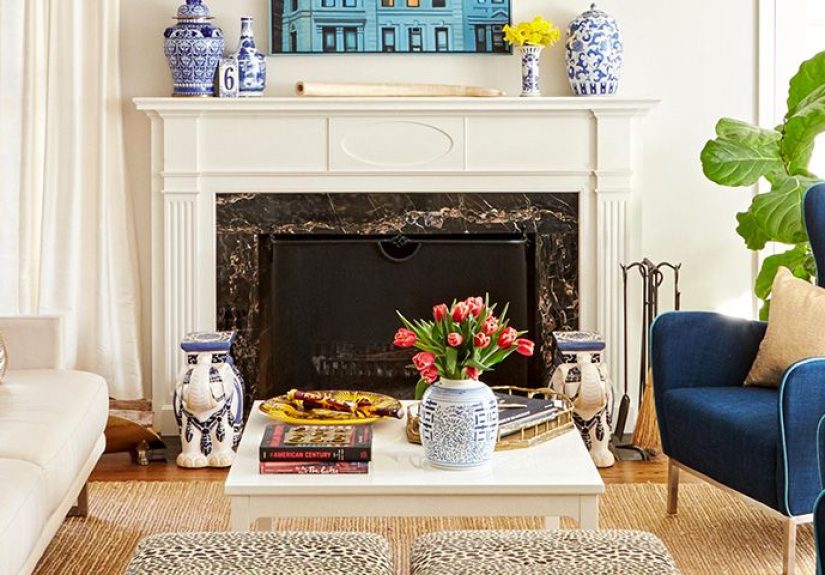
The most livable traditional rooms often include something unexpected: modern art over a classic mantel, a clean-lined coffee table with
inherited chairs, or contemporary lighting paired with traditional trim. This keeps the space from feeling theme-y.
- Keep the architecture classic: trim, molding, and a timeless palette let you play with modern accents safely.
- Mix eras intentionally: place old and new side-by-side so it feels curated, not accidental.
- Repeat finishes: if you add a modern brass lamp, echo brass in a frame or cabinet pull.
- Let one piece be the “rule breaker”: a sculptural chair, bold artwork, or a modern side table can refresh the whole room.
Budget-Friendly Ways to Get a Traditional Look
Traditional style is surprisingly friendly to budgets because it values patina, vintage finds, and timeless shapes over “brand new everything.”
Here’s where to spend and where to save.
Spend (if you can)
- A comfortable sofa with a sturdy frame.
- A quality rug (or at least a dense pile that won’t curl up like a potato chip).
- Lightinggood lamps and a statement fixture elevate everything.
Save (happily)
- Vintage wood furniture: side tables, dressers, and cabinets often look better with age.
- Frames: thrifted frames + printed art can look high-end when scaled well.
- Accessories: books, candlesticks, small bowls, and textiles create layered charm without huge cost.
A traditional cheat code: paint. Updating mismatched wood tones with a rich, classic paint color (or refinishing one standout piece)
can unify a room faster than buying new furniture.
Common Traditional Decorating Mistakes (and Easy Fixes)
Mistake: Everything matches
Fix: Keep a consistent palette, but vary materials and shapes. A matching set can read “showroom.” A coordinated mix reads “collected.”
Mistake: Too many small accessories
Fix: Edit. Use fewer, larger pieces. Traditional styling looks best when items have room to be appreciatedlike guests at a dinner party.
Mistake: The room feels formal instead of comfortable
Fix: Add softness. Upholstery, layered textiles, and warm lighting make traditional spaces feel lived-in. A room should invite you to sit,
not sign a waiver.
Mistake: Ignoring scale
Fix: Go bigger where it matters: a larger rug, larger art, fuller drapes. Traditional rooms often feel “right” because proportions are generous.
Conclusion: Timeless Doesn’t Mean Boring
Traditional decorating is about creating a home that feels grounded, welcoming, and beautifully composed. Start with balance, add architectural
character where you can, choose classic shapes you genuinely love, and layer in pattern and texture for warmth. Thenthis is importantmake it yours.
A traditional room with personality isn’t stuffy. It’s the kind of space that ages gracefully, hosts effortlessly, and somehow always looks good in photos.
Real-World Experiences With Traditional Decorating and Design Ideas
People often discover traditional design the same way they discover real olive oil: by accident, and then they can’t go back. One common
experience is moving into a “nice enough” spaceneutral walls, basic lighting, nothing technically wrongyet it feels oddly temporary.
When homeowners begin adding traditional elements (a substantial rug, tailored drapery, classic lamps), the room suddenly feels
finished. Not fanciermore settled, like it knows where the forks are.
Another familiar moment happens when someone inherits a pieceGrandma’s sideboard, an old mirror, a set of chinaand worries it will look
“dated.” In practice, that inherited piece often becomes the anchor. A sideboard under modern art looks intentional. A vintage mirror above a
simple console adds instant character. Many homeowners report that the room feels more personal once it includes something with history, even if
that history is simply “I found this at an estate sale and it survived three decades of other people’s questionable decisions.”
Pattern is where the emotional rollercoaster lives. The first time someone chooses a stripe or floral, they may feel brave for five minutes and
then spiral into “What have I done?” The typical outcome, once the pattern is balanced with solids and repeated colors, is reliefand then confidence.
A classic patterned rug is often the turning point: it hides daily life better than a flat neutral, and it gives the room a sense of place. People
are surprised by how practical tradition can be.
Lighting upgrades produce the fastest “I can’t believe we waited” reaction. Swapping a builder-grade ceiling light for a chandelier or lantern,
and adding two table lamps in the living room, changes the mood immediately. Homeowners describe the space as warmer, calmer, and more flattering.
(It turns out overhead lighting alone is basically the design equivalent of telling your guests, “Welcome, please sit under this interrogation beam.”)
Finally, there’s the lived-in test: kids, pets, and busy schedules. The most successful traditional homes aren’t preciousthey’re layered.
Washable rugs, durable upholstery, and “collected” styling make small messes feel less catastrophic. Many people end up with a version of
traditional that’s relaxed: symmetrical where it matters, classic in the big pieces, and flexible in the details. Over time, the house becomes a
record of real lifeholiday dinners, hand-me-down furniture made better with fresh paint, and a space that feels welcoming even on ordinary Tuesdays.
That’s the quiet magic of traditional design: it grows with you instead of demanding you keep up.