Table of Contents >> Show >> Hide
- What the Héléna Marie Deep Black Vase Actually Is
- Sizes and Proportions: Picking the Right Deep Black Vase
- Why Deep Black Works in Real Homes (Not Just Styled Photos)
- Where to Put the Héléna Marie Deep Black Vase
- What to Put Inside: Flowers, Branches, and “No Flowers”
- Care and Cleaning: Keep That Deep Black Looking Deep Black
- How to Shop Smart: Authenticity, Variations, and What’s “Normal”
- Who This Vase Is Perfect For
- Conclusion: A Small Sculpture That Happens to Hold Flowers
- Real-World Styling Experiences ()
Some decor items whisper. Others walk into the room, clear their throat, and politely request a spotlight.
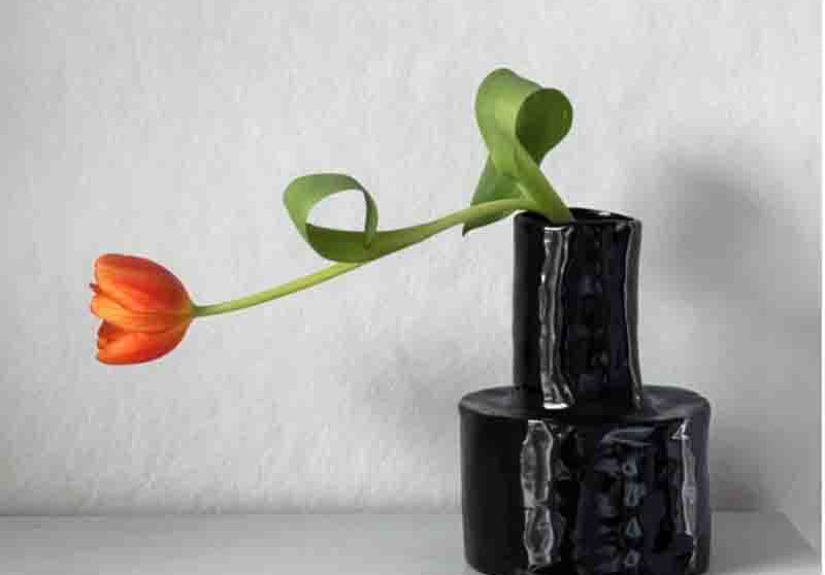
The Héléna Marie Deep Black Vase is firmly in the second categorysculptural, moody, and confident enough
to look good even when it’s doing absolutely nothing (a rare talent, honestly).
If you’ve ever bought a vase that only looks “right” when it’s stuffed with flowers like a floral apology,
this one will feel different. Its cylindrical form, subtly irregular edges, and deep black finish make it
look like a small piece of modern art that just happens to hold stems. And that “just happens to” part is
the point.
What the Héléna Marie Deep Black Vase Actually Is
The Héléna Marie vases are designed by Belgian artist Marie Michielssen for Serax, and they’re known for
their unusual cylindrical shape and handmade character. The line leans into the beauty of imperfections:
slight variations, soft asymmetry, and contours that feel human instead of factory-perfect. Serax notes that many of
their designs are finished by hand, and that irregularities are part of each piece’s uniquenesstranslation:
your vase may not match your friend’s vase, and that’s not a bug, it’s the feature.
In U.S. retail descriptions, you’ll often see the vase described as sculptural with “perfectly imperfect”
contours, designed to look compelling with or without flowers. It’s also commonly framed as a piece that can be
displayed solo or grouped for more visual impactaka the rare decorative object that doesn’t need a supporting cast,
but definitely plays well with others.
Material and finish: why it looks so “expensive” in photos
Official specs list the material as stoneware. Stoneware is durable, weighty, and naturally suited for
tactile finishesexactly what you want in a vase that’s meant to read as an object, not just a container.
The “deep black” look is especially effective because it functions like a visual anchor: it sharpens surrounding
colors, makes greenery look richer, and gives even a simple surface (wood, marble, laminateno judgment) a more
intentional vibe.
Sizes and Proportions: Picking the Right Deep Black Vase
“Which size should I get?” is the home-decor version of “What should we eat?” (Impossible, somehow stressful,
and everyone has an opinion.) Here’s the practical way to choose: think in surface height and
stem behavior.
Commonly sold sizes (and what they’re good for)
-
Vase 3 (small) Often listed by U.S. retailers around 2.75″ wide, and Serax’s official measurements
for “Vase 3 black” list 7.5 × 7.5 × 14 cm (about 3″ wide and 5.5″ tall). This size is ideal for
a single stem, a tiny posy, or a “I want something on this shelf but I also want my shelf to breathe” moment. -
Vase 4 (medium) Commonly listed around 4″ × 6″, and Serax lists 10.5 × 10.5 × 15.5 cm
(about 4.1″ wide and 6.1″ tall). Great for console tables, mantels, and coffee tables. Big enough to
matter, small enough to not start a feud at dinner. -
Vase 5 (large) Often listed around 5.5″ × 7.5″, and Serax lists 14 × 14 × 20 cm
(about 5.5″ wide and 7.9″ tall). This is your centerpiece candidate, your statement shelf object, your
“yes, I live here and yes, I have taste” piece.
One more helpful detail: Serax lists inner diameter measurements (the opening where stems actually go),
and they’re relatively narrow compared with the outer form. That’s good news if you like a clean, sculptural
arrangementbranches and a few intentional stems instead of a chaotic bouquet doing jazz hands.
Why Deep Black Works in Real Homes (Not Just Styled Photos)
Deep black decor can look sophisticated and timeless, but it can also look heavy if it’s overused or paired without
contrast. Many U.S. design pros emphasize mixing materials, textures, and tones so a space feels cohesive
instead of like everything is competing for attention. Translation: a deep black vase looks best when it’s not the
only “strong” element in the roomgive it warmth (wood), softness (linen), shine (metal), or life (greenery).
Black also fits naturally into popular minimalist looks like Scandinavian and Japandi, where a
neutral palette and simple forms keep the room calm. A deep black vase is basically a punctuation mark in that kind of
space: it adds structure without adding clutter.
The “anchor object” effect
On a shelf, a mantel, or a console, a dark object creates visual weight. It helps lighter items (books, frames, small
ceramics) look more deliberate. Styling advice from U.S. editors and designers often comes back to the same idea:
balance, variety, and negative space. You don’t need more stuffyou need the right stuff placed with intention.
A deep black vase is a cheat code for that.
Where to Put the Héléna Marie Deep Black Vase
1) Entry console: the “I’ve got it together” zone
Place Vase 4 or Vase 5 on an entry console with a small tray for keys and one other object (a candle, a bowl, a framed
photo). Keep the vase either empty or with a few tall stems. The goal: calm, not clutter. The vase’s irregular contour
adds texture without needing extra accessories.
2) Dining table centerpiece: statement without blocking faces
For everyday use, keep it low and clean: Vase 5 with a handful of stems that rise but don’t explode outward. If you
host, consider a cluster approachthree small vases spaced along the table can feel airy and conversational. Food and
entertaining editors often suggest bud-vase clusters because they look special without turning dinner into a game of
“guess who’s talking behind the bouquet.”
3) Bookshelf styling: instant depth
A bookshelf is basically a tiny museum exhibit you accidentally curate over time. The simplest upgrade is mixing
vertical and horizontal stacks, leaving breathing room, and adding a few meaningful objects. A deep black vase works as
a strong “stop” between book groupingsespecially if you keep some negative space around it so it doesn’t feel crammed.
4) Bathroom vanity: small vase, big payoff
If your bathroom needs a glow-up and you don’t want to renovate (relatable), use the smallest size with a single stem
or a small sprig of eucalyptus. Deep black looks crisp against white tile and makes even drugstore hand soap feel like
it has a publicist.
What to Put Inside: Flowers, Branches, and “No Flowers”
The Héléna Marie Deep Black Vase is especially good at two types of arrangements:
(1) sculptural minimal stems and (2) dramatic branches.
That’s partly because of its form and partly because dark vases naturally make stems look graphiclike line art in 3D.
Fresh flowers that look incredible with deep black
- Tulips: Simple, modern, and easy to make look intentional.
- Ranunculus: Soft and layered; they keep blooming after you cut them and can last about a week with proper care.
- Carnations: Underrated and long-lastingsome can go up to two weeks. Refresh the cut ends regularly.
- Calla lilies: Sleek stems + deep black = gallery vibes.
- Hydrangea: Works best if you keep it minimal (one or two blooms) so it doesn’t overpower the vase.
Branches and greenery: the easiest “designer” move
Branch arrangements are low effort and high dramaespecially in a vase with a narrow opening. Olive branches, eucalyptus,
or fruit branches can look best when the vase opening supports the stems at a slight diagonal so they don’t flop or look
cramped. If you’re going for that modern “branch moment,” the vase is doing half the work for you.
Dried stems: the low-maintenance, high-style option
Dried grasses, palm spears, bunny tails, and preserved eucalyptus look striking against a deep black base. The trick is
restraint: pick one “hero” texture and one supporting texture. Too many different dried elements can look like a craft
store aisle got into a minor argument with itself.
Basic flower-care moves that actually matter
Most U.S. flower-care guidance is refreshingly unglamorous: clean water, a fresh cut on stems, and reasonable placement.
Change the water regularly, trim stems when they start to seal over, and keep arrangements away from blasting heat or
direct sunlight. The vase may be art, but flowers are still living things with opinions.
Care and Cleaning: Keep That Deep Black Looking Deep Black
Stoneware is sturdy, but it still appreciates basic respectlike a cast-iron skillet, but with fewer Instagram debates.
Serax’s stoneware care guidance notes that stoneware can be cleaned in the dishwasher, recommends regular washing tablets
(not “3-in-1”), and suggests temperatures up to 65°C (about 149°F). They also caution that anti-scale salts and excessive
heat can damage glaze, and that pieces shouldn’t be placed too close together to avoid vibration and collision damage.
Practical vase-cleaning routine
- After fresh flowers: rinse promptly so organic residue doesn’t cling.
- For cloudy buildup: warm water + a little dish soap + a bottle brush (gentle, not aggressive).
- If minerals show up: soak briefly and rinse thoroughly (avoid harsh abrasives that can dull the finish).
- Dry well: especially around the rim and inside curve so no water spots steal the drama.
Bonus: because the vase is meant to look good empty, you can also “reset” your space by cleaning it and leaving it
bare for a week. It’s like giving your room a deep breath.
How to Shop Smart: Authenticity, Variations, and What’s “Normal”
Handmade pieces vary. Expect small differences in contour, finish intensity, and tiny surface quirks. That’s not damage
it’s the handshake between the artist’s process and the final object.
What to check before you buy
- Retailer measurements: sizes may be rounded or listed differently (inches vs. centimeters). If height is critical, confirm the specs.
- Return policy: because “I thought it was bigger” is a universal human experience.
- Intended use: if you want big, fluffy bouquets, choose the larger sizeor accept that this vase prefers minimalist arrangements.
- Where it’ll live: measure your shelf depth and table clearance so the vase looks intentional, not accidental.
Who This Vase Is Perfect For
The Héléna Marie Deep Black Vase is a strong match if you like:
- Minimalist decor with one or two statement objects that do the heavy lifting.
- Moody palettes (charcoal, cream, walnut, olive, brass) that feel warm instead of stark.
- Monochrome rooms where texture matters as much as color.
- Modern rustic spaces that need something sleek to balance wood and woven elements.
- “Collected” interiorsbecause the irregular contour reads like you found it somewhere cool, even if you clicked “Add to Cart” in sweatpants.
Conclusion: A Small Sculpture That Happens to Hold Flowers
The best thing about the Héléna Marie Deep Black Vase is that it doesn’t demand constant upkeep to justify
its presence. Empty, it looks like a sculptural object. With branches, it looks like an editorial spread. With a few
fresh stems, it feels intentional and modernnever fussy, never overly precious.
If you want one decor purchase that upgrades a shelf, a table, and your “this room feels unfinished” problem, deep black
stoneware is a surprisingly reliable move. Just remember: let it breathe, pair it with contrast, and don’t overstuff it.
This vase thrives on confidence and restraintthe same two traits we all pretend we have when we walk past a dessert menu.
Real-World Styling Experiences ()
Here’s what people tend to discover once a deep black sculptural vase like the Héléna Marie actually starts living in a
home (as opposed to living in a perfectly lit product photo where nothing has cords, mail, or emotional baggage).
Experience #1: The “empty vase era” is surprisingly powerful. There’s a strange relief in owning a vase
that doesn’t look like it’s waiting to be “finished.” On a coffee table, it can sit empty for days and still look
intentionallike you’re letting the room breathe on purpose, not because you forgot to buy flowers. In practice, this
becomes a low-effort reset button: clear the surface, wipe the vase, leave it bare, and suddenly the whole space reads
calmer.
Experience #2: It makes cheap flowers look more expensive. A deep black vase does a kind of visual
editing. Grocery-store tulips look cleaner and more architectural. A few carnations (yes, carnations!) look modern when
you don’t cram the vase full. The narrow opening encourages restraint, which is exactly what turns “random bouquet” into
“styled arrangement.” People often find they buy fewer stems because the vase doesn’t need volume to make an impact.
Experience #3: It fixes awkward shelves. Most shelves fail for one reason: everything is the same size.
Books are book-shaped. Frames are frame-shaped. Then you add a deep black vase and suddenly there’s contrast, weight, and
a focal point. The best real-life move is to place the vase near a stack of books, leave a little negative space, and add
one smaller object (a match striker, a small bowl, a candle). The vase becomes the “grown-up” element that makes the
whole shelf look curated.
Experience #4: Seasonal swaps are easy. In fall, people tend to switch to dried grasses, eucalyptus, or
a few dramatic branches. In winter, the vase looks great with nothing, or with a single evergreen clipping. In spring,
one stem of something bright (like ranunculus) pops against the black. In summer, it becomes the perfect contrast for
airy greenery. Because the vase is neutral-but-bold, it doesn’t lock you into one aesthetic. It adapts with tiny changes.
Experience #5: The vase becomes a “landing place” object. Real homes are busy. A vase like this often
ends up near the entry or on a dining sideboard because it quietly organizes visual chaos. It gives your eye a place to
restan anchorso the everyday mess nearby (keys, mail, a charging cable you swear you’ll hide later) feels less loud.
It’s not magic, but it’s close enough that you’ll accept it.