Table of Contents >> Show >> Hide
- What Is a Tlayuda (and Why Is It So Good)?
- Ingredients
- Asiento 101 (Optional, Traditional, Ridiculously Tasty)
- Equipment
- How to Make Tlayudas (Step-by-Step)
- Step 1: Prep your toppings (5–10 minutes)
- Step 2 (Optional): Make the quick black bean puree (15 minutes)
- Step 3: Crisp the tortilla base
- Option A: Stovetop (most “street-food” vibes)
- Option B: Oven (great for feeding people without flipping anxiety)
- Step 4: Assemble and melt
- Step 5: Finish like a pro
- Flavor Upgrades (That Don’t Feel Like “Extra Work”)
- Variations: Make It Your Own Without Losing the Plot
- Common Mistakes (and How to Avoid Them)
- Serving Ideas
- Make-Ahead and Storage
- FAQ
- Experience Notes: What Making Tlayudas Feels Like (and Why You’ll Want to Do It Again)
If pizza and a tostada had a delicious, slightly chaotic night out in Oaxaca, they’d come home as a
tlayuda (pronounced “tlah-YOO-dah”). It’s big, crisp, smoky around the edges when done right,
and piled with all the best parts of Mexican street-food logic: beans for comfort, melty cheese for joy,
crunchy cabbage for snap, and whatever protein (or no protein!) fits your mood.
People call it “Mexican pizza,” but that’s kind of like calling a taco “a folded sandwich.” Technically helpful,
spiritually incomplete. A classic Oaxacan tlayuda starts with an oversized tortilla toasted until brittle-crisp,
gets smeared with asiento (a rich pork fat spread) and beans, then topped with Oaxacan cheese (quesillo),
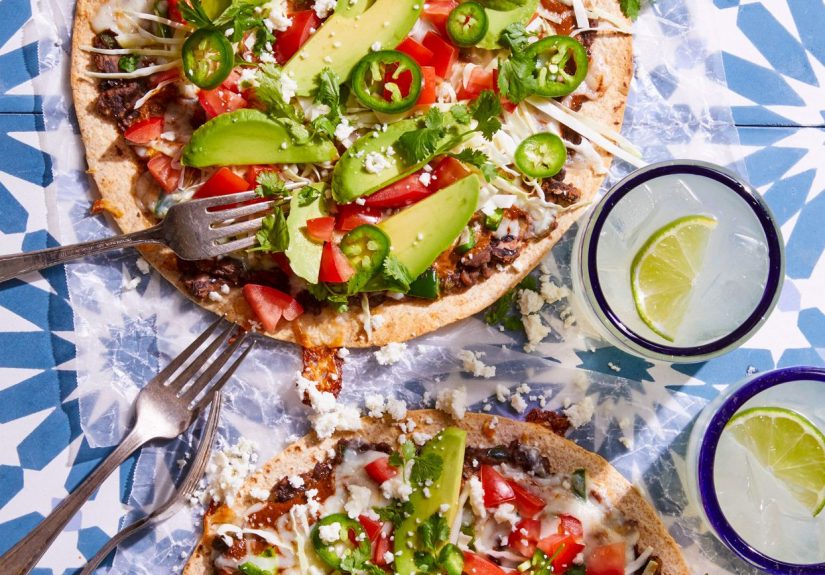
cabbage, avocado, and often a savory meat like chorizo or thin grilled beef. It can be served open-faced like a
pizza or folded in half like a giant, crunchy quesadilla.
What Is a Tlayuda (and Why Is It So Good)?
A tlayuda is both the name of the dish and the name of the large tortilla base. In Oaxaca, that base is usually a
thin, oversized corn tortilla toasted over a comal or live fire until crisp and lightly blistered. The toppings are
classic “antojito” (street snack) territory: beans, cheese, cabbage, avocado, salsa, and optional meats. Think:
crispy + creamy + fresh + spicy, all at once.
Here’s the secret: a tlayuda isn’t trying to be fancy. It’s trying to be balanced. Beans and asiento bring
richness, cheese brings stretch, cabbage brings crunch, salsa brings sparkle, and the tortilla brings that shattering,
snackable crispness that makes you keep “just testing one more slice.”
Ingredients
This recipe aims for “authentic spirit, realistic American kitchen.” If you can find real tlayuda tortillas at a
Mexican marketamazing. If not, you can still make a very legit, very satisfying tlayuda using large flour tortillas
(the common U.S. workaround) or extra-large corn tortillas baked until crisp.
For 4 tlayudas (serves 4–6)
- 4 large tortillas (ideally tlayuda tortillas; otherwise burrito-size flour tortillas or the largest corn tortillas you can find)
- 1 1/2 cups refried black beans (store-bought or homemade) or the quick black bean puree below
- 1–2 tablespoons asiento per tlayuda (optional but traditional; see notes)
- 2–3 cups Oaxacan cheese (quesillo), shredded or pulled into strings or low-moisture mozzarella as a swap
- 2 cups shredded cabbage (green cabbage is classic; iceberg lettuce works in a pinch)
- 2 avocados, sliced or lightly mashed with salt and lime
- 2–3 Roma tomatoes, thinly sliced
- 1/2 small onion, very thinly sliced (optional)
- Mexican crema or sour cream thinned with a little lime (optional but excellent)
- Salsa (tomatillo salsa, salsa roja, chile de árbol salsa, or your favorite hot sauce)
Optional protein ideas (choose one)
- Chorizo (fresh Mexican chorizo, cooked and crumbled)
- Carne asada (thin grilled steak, sliced)
- Chicken (shredded, seasoned, or rotisserie chicken with salsa)
- Beans-only (honestly… still a masterpiece)
Quick black bean puree (15 minutes, optional but very flavorful)
- 2 cans (15 oz each) black beans, drained (reserve a few tablespoons of bean liquid)
- 1–2 chipotle chiles in adobo + 1 teaspoon adobo sauce (optional, for smoky heat)
- 1/2 teaspoon ground cumin (or 1 teaspoon toasted cumin seeds)
- 1/2 teaspoon ground coriander (optional, but nice)
- 1 clove garlic
- 2 tablespoons lime juice
- 1/3 cup cilantro
- Salt and black pepper
Asiento 101 (Optional, Traditional, Ridiculously Tasty)
Asiento is a rich, savory pork-fat spreadoften described as the “sediment” left behind when
rendering lard. It adds depth and that street-food “why does this taste so good?” factor. If you don’t eat pork,
skip it. Your tlayuda will still be excellent. For a vegetarian-friendly richness, you can brush the tortilla with a
thin layer of oil or a little butter before crisping.
Equipment
- Comal or large skillet (cast iron is great for crisping)
- Sheet pan (if using the oven method)
- Spatula (big tortillas can be dramaticgive them support)
How to Make Tlayudas (Step-by-Step)
You have two main paths: stovetop (more toasty and hands-on) or oven (party-friendly,
less babysitting). Both work. The goal is the same: crisp base, warm beans, melted cheese, fresh toppings added at the end.
Step 1: Prep your toppings (5–10 minutes)
- Shred the cabbage, slice tomatoes and avocado, and set out crema and salsa.
- If using protein, cook it now (e.g., brown chorizo and drain excess fat).
- Warm your beans so they spread easily. Cold refried beans are basically edible spackle.
Step 2 (Optional): Make the quick black bean puree (15 minutes)
-
In a blender or food processor, combine black beans, chipotle (if using), cumin, coriander, garlic, lime juice, cilantro,
and a splash of reserved bean liquid. - Blend until smooth and spreadable. Season with salt and pepper to taste.
- Want it silkier? Add a teaspoon of oil. Want it thicker? Blend longer or simmer briefly in a pan.
Step 3: Crisp the tortilla base
Option A: Stovetop (most “street-food” vibes)
- Heat a large skillet or comal over medium-high heat.
-
Place one tortilla down and toast 30–90 seconds per side until it starts to stiffen and blister lightly. You want
it crisp but not burnt. -
If using asiento: spread a thin layer on the top side while the tortilla is still on the heat (it will melt fast).
If not using, a light brush of oil is optional.
Option B: Oven (great for feeding people without flipping anxiety)
- Preheat oven to 450°F. Place a sheet pan inside while it heats.
-
Carefully lay tortillas on the hot sheet pan. Bake 3–5 minutes, flip, then bake 2–4 minutes more until crisp and firm.
(Time depends on tortilla thickness.) - Optional: brush lightly with oil or asiento before the second bake for extra flavor and browning.
Step 4: Assemble and melt
- Spread a generous layer of warm beans (or black bean puree) over the tortilla, leaving a small border like pizza crust.
- Top with Oaxacan cheese (or mozzarella). Don’t bury itcheese needs heat exposure to melt, not a blanket to nap under.
- Add cooked protein now (chorizo, steak, chicken). Keep fresh ingredients for after melting so they stay crisp.
-
Return to heat just long enough to melt the cheese:
- Stovetop: lower heat to medium, cover the pan 1–2 minutes.
- Oven: bake 2–4 minutes until cheese is melted and edges look toasty.
Step 5: Finish like a pro
- Top with shredded cabbage, sliced tomato, avocado, and onion (if using).
- Drizzle with crema and spoon on salsa.
- Serve open-faced like pizza or fold in half for the classic handheld style. Slice into wedges and watch it disappear.
Flavor Upgrades (That Don’t Feel Like “Extra Work”)
- Pickled red onions: quick-pickle thin slices in lime juice + salt + a pinch of sugar.
- Char something: blister jalapeños, scallions, or tomatoes for instant “cooked-over-fire” energy.
- Two-salsa strategy: one mild (tomatillo) + one hot (chile de árbol). Layering makes it taste restaurant-level.
- Cheese blend: Oaxaca cheese + a sprinkle of cotija or queso fresco on top for salty contrast.
Variations: Make It Your Own Without Losing the Plot
1) Classic Chorizo Tlayuda (crowd favorite)
Cook fresh Mexican chorizo until browned. Add it under the cheese before melting. Finish with cabbage, avocado, tomato,
and a bright salsa to cut the richness.
2) Steakhouse-Style Tlayuda
Use thinly sliced grilled steak (carne asada). Add a squeeze of lime and a little salsa verde. This one tastes like
something you’d overpay forin a good way.
3) Vegetarian “Crunchy Garden” Tlayuda
Beans + cheese + cabbage is already a complete situation. Add sautéed mushrooms or roasted poblano strips if you want
a deeper, savory note.
4) Vegan Tlayuda
Skip asiento and cheese. Use extra-flavorful beans, a punchy salsa, and add creamy elements like guacamole or a cashew crema.
Toast the tortilla really well so you still get that signature crunch.
5) Breakfast Tlayuda
Melt the cheese, then top with scrambled eggs and salsa. It’s like breakfast pizza, but with better decisions.
Common Mistakes (and How to Avoid Them)
- Soggy base: Don’t overload wet toppings before melting. Add cabbage/tomato/avocado after the cheese melts.
- Beans won’t spread: Warm them. If they’re too thick, stir in a spoonful of water, broth, or bean liquid.
- Cheese doesn’t melt: Use low-moisture mozzarella if substituting, and cover the pan briefly on the stovetop.
- Tortilla burns before crisping: Lower the heat and toast longer. Crispness is a marathon, not a fire drill.
Serving Ideas
Tlayudas are perfect for a “build-your-own” night. Put bowls of toppings on the table, crisp tortillas in batches,
and let everyone create their personal masterpiece. Slice like pizza for sharing, or fold and eat like the world’s
most satisfying edible folder.
- Party move: Make mini versions using standard tortillas and serve as wedges.
- Side ideas: simple citrus salad, grilled corn, or a cold, crunchy slaw.
- Drink pairing: sparkling water with lime, agua fresca, or a bright citrusy mocktail.
Make-Ahead and Storage
Tlayudas are best fresh because crunch is a fragile joy. But you can prep components ahead:
- Beans/black bean puree: refrigerate up to 4 days; rewarm to spread.
- Cooked chorizo or steak: refrigerate up to 3 days; reheat before assembling.
- Shredded cabbage: keeps crisp 2–3 days (store dry, covered).
If you have leftovers, store toppings separately when possible. Re-crisp the tortilla base in a dry skillet or hot oven,
then rebuild. Microwaving will turn your crisp masterpiece into a soft apology.
FAQ
Can I use flour tortillas?
Yes. Authentic tlayudas use oversized corn tortillas, but flour tortillas are a common, practical substitute in the U.S.
The key is crisping them thoroughly and balancing toppings so they don’t soften.
What if I can’t find Oaxaca cheese?
Use low-moisture mozzarella for melt and pull. For extra flavor, finish with a little cotija or queso fresco.
Is a tlayuda always folded?
Not always. Some are served open-faced like pizza, others folded like a giant quesadilla. Choose your own adventure.
Experience Notes: What Making Tlayudas Feels Like (and Why You’ll Want to Do It Again)
The first “experience” of tlayuda-making is realizing it’s less like baking pizza and more like building the world’s
crispiest snack board on a single tortilla. You’re not kneading dough or waiting for yeast to have a personal breakthrough.
You’re working in fast, bold layers: toast, smear, melt, crunch, sparkle.
Shopping for tlayuda ingredients can be its own mini-adventure, especially if you hit a local Mexican market. You might
spot quesillo labeled as Oaxaca cheeseusually a white, stretchy cheese wound into a ball like a delicious
yarn project. You’ll also notice that “chorizo” means different things depending on where you are: fresh Mexican chorizo
cooks like sausage meat, while Spanish chorizo is cured and sliceable. That little detail changes the whole vibe of your
tlayuda night, and it’s one of those fun “I’m learning something real” moments that makes cooking feel alive instead of routine.
Then comes the soundbecause tlayudas are loud in the best way. When your tortilla hits a hot skillet or a ripping-hot
sheet pan, you’ll hear that faint crackle and smell toasty corn or warm flour. That’s your cue that crispness is happening.
And crispness is the point. The emotional payoff of a tlayuda is that first bite where the base snaps, the beans are creamy,
the cheese stretches, and the cabbage fights back with a fresh crunch. It’s not subtle. It’s a full texture parade.
Hosting a “tlayuda bar” is also one of the easiest ways to make dinner feel like an event without turning your kitchen into a
disaster zone. Put out beans, cheese, cabbage, avocado, salsa, and one cooked protein. Everyone builds their own, and the
only real job you have is keeping tortillas crisping in rotation. You’ll see people’s personalities show up immediately:
the maximalist who stacks toppings like they’re playing edible Jenga; the minimalist who goes beans + cheese + salsa and
quietly wins; the spice-lover who treats salsa like a dare.
The best part is how forgiving the dish is. If your tortilla isn’t “authentic tlayuda size,” it still works. If you can’t
find asiento, you can still chase richness with great beans and a bright crema drizzle. If your toppings are whatever you
had in the fridgeleftover chicken, a handful of cilantro, half an onionit still tastes intentional because the tlayuda
format is built for improvisation. It’s street food logic: use what’s good, keep it bold, don’t overthink it.
And once you’ve made it once, you start noticing how tlayuda technique upgrades other meals. You learn the value of
adding fresh things after heat so they stay crisp. You learn that beans can be “sauce” when they’re seasoned
and spreadable. You learn that one crunchy element (cabbage!) can make a rich dish feel bright instead of heavy. That’s the
kind of experience that sticksnot just “I cooked a recipe,” but “I leveled up how I build flavor and texture.”
So yes, you’re making “Mexican pizza.” But you’re also making the kind of dinner that feels like a celebration, even on a
random Tuesday. Which, frankly, is the most powerful kind of cooking.