Table of Contents >> Show >> Hide
- Why This Tiny House Is Getting So Much Attention
- What You Actually Get
- The 10-Minute Setup Claim: Impressive, But Read the Fine Print
- Why Shoppers Love the Idea of an Amazon Tiny House
- The Part Nobody Should Ignore: Hidden Costs and Real-World Friction
- Who This Amazon Tiny House Is Best For
- So, Is It a Gimmick or a Smart Buy?
- Final Thoughts
- The Buyer Experience: What This Tiny-House Dream Feels Like in Real Life
- SEO Tags
Buying a lamp on Amazon makes sense. Buying socks on Amazon makes sense. Buying a 20-foot tiny house that unfolds in about 10 minutes? That sounds like something dreamed up during a late-night doom scroll with too much coffee. And yet, here we are. Amazon is now packed with prefab and foldable tiny homes, and one of the most talked-about models is a compact dwelling that promises fast setup, a modern layout, and enough features to make traditional house hunters raise one suspicious eyebrow.
The appeal is obvious. In a housing market where even “starter home” often means “starter headache,” an Amazon tiny house feels like a shortcut through the chaos. Click, buy, ship, unfold, and suddenly you are standing inside a small home with windows, a bathroom, kitchen space, and the kind of minimalist vibe that makes social media whisper, You could totally live like this.
But is this foldable Amazon tiny house actually a clever housing alternative, or is it just internet real estate theater with great product photos? The truth sits somewhere in the middle. The house is real. The speed is real, at least according to the seller’s setup claim. The convenience is real-ish. But the practical questions are even more real: Where do you put it? How do utilities work? What about permits, land prep, and delivery access? Tiny homes have a talent for making the dream look simple while quietly stuffing the hard part into the fine print.
Here is what this Amazon tiny house really offers, why people are so fascinated by it, and what buyers should understand before they start mentally decorating the bathroom of a house that is still technically in their shopping cart.
Why This Tiny House Is Getting So Much Attention
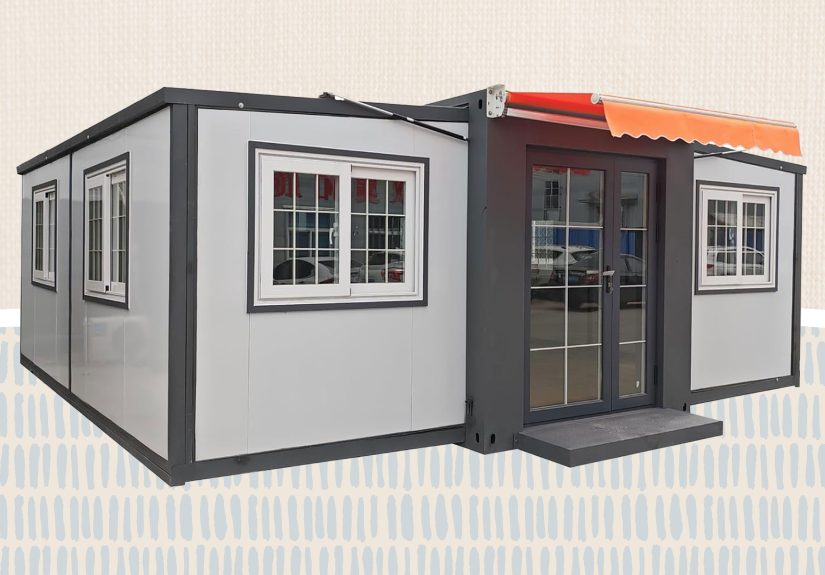
The model driving much of the buzz is a foldable 20-foot prefab tiny home sold through Amazon. It is marketed as a compact but functional living space with roughly 380 square feet of room, a customizable layout, a full bathroom, kitchen space, multiple windows, and a steel-framed structure. The headline-grabbing detail is the setup claim: with four people, the home can unfold and be assembled in about 10 minutes. That is not “built from scratch” in 10 minutes, of course. It is more like opening up a premanufactured structure that has already done most of the hard work in the factory.
That difference matters. This is not magic, and it is definitely not a life-size origami crane. The reason setup can happen quickly is because the house arrives prebuilt in a foldable form. Walls, floors, and structure are already part of the package, so the on-site process is more about deployment than traditional construction.
For shoppers, that sounds wonderfully modern. No months of hammering. No piles of framing lumber in the driveway. No painfully long build schedule while your contractor says, “We’re waiting on one more thing.” Instead, the tiny home shows up like a transformer with a bathroom. That kind of convenience is exactly why foldable prefab homes keep going viral.
What You Actually Get
A small footprint that still tries to feel like a real home
The standout feature is that this is not being sold as a glorified shed. The layout is designed to feel like a legitimate living space. Product descriptions and coverage around similar Amazon prefab homes emphasize separate functional zones: sleeping space, kitchen area, bathroom, and general living room flexibility. In this specific foldable model, the open plan can be configured into one or two bedrooms, which is a big reason it stands out from the bare-bones boxy units that look more like job-site trailers than homes.
The bathroom setup is also part of the sales pitch. Instead of “Good luck with a compost toilet and a camping shower,” this tiny house is marketed with a more conventional setup that includes a shower, sink, toilet, mirror, and ventilation. The kitchen is small but more useful than symbolic, typically described as having cabinet storage, countertop room, and a layout that at least suggests someone has imagined you cooking more than instant noodles.
Big windows, modern finishes, and maximum small-space optimism
Another reason these Amazon tiny houses catch attention is visual strategy. They do not look like emergency bunkers. This one is styled with a modern exterior, a neutral palette, wood-look flooring, and large windows designed to pull in daylight. In a compact home, natural light is not just nice to have; it is emotional support. Without it, 380 square feet can start feeling like a very stylish shipping carton.
The windows help the space feel larger, and the clean finishes make it easier for buyers to imagine using the home as a guest suite, backyard office, vacation cabin, rental unit, studio, or starter home. That flexibility is part of the product’s charm. Tiny homes sell best when they are not just one thing.
The 10-Minute Setup Claim: Impressive, But Read the Fine Print
Yes, the “unfolds in just 10 minutes” claim is the hook, and it is a strong one. But what that really means is that the home’s structural shell can be deployed quickly once it is in the right place, with the right equipment, the right crew, and the right site conditions.
That does not mean you can point to a random patch of grass and say, “Put the house there next to the hydrangeas.” Delivery access matters. Ground conditions matter. Utility planning matters. Depending on the property, site prep may take far longer than the actual unfolding process. In other words, the 10-minute part is the grand finale, not the whole movie.
Still, it is not nothing. Compared with conventional construction timelines that stretch across weeks or months, a foldable prefab home is genuinely fast once the logistics are lined up. And that is why the model has real appeal for buyers who want an accessory dwelling unit, backyard guest house, temporary housing solution, or quick-deploy small residence.
Why Shoppers Love the Idea of an Amazon Tiny House
Part of the obsession is price psychology. When a traditional new home sells for hundreds of thousands of dollars, seeing a tiny house listed online for under $30,000 feels almost absurd. It creates that powerful internet-shopping illusion: Wait… I can buy a whole house for less than a midsize SUV?
And in a narrow sense, yes. The unit itself may cost dramatically less than a conventional home. That is the door-opener. Tiny homes also appeal to people who are tired of oversized houses, high monthly payments, and spaces filled with rooms nobody really uses except once a year when relatives visit and someone has to pretend the formal dining room was always important.
There is also the lifestyle factor. Tiny living promises simplicity, lower maintenance, less clutter, and a closer relationship with the things you actually use. For remote workers, travelers, minimalists, retirees, and homeowners exploring ADUs, prefab tiny houses offer a compact solution that can serve more than one purpose. Today it is a guest house. Tomorrow it is a home office. Next year it is a rental. That kind of flexibility is catnip for modern buyers.
The Part Nobody Should Ignore: Hidden Costs and Real-World Friction
The land is not included, and reality still charges extra
This is the moment when the dreamy product listing meets the paperwork folder. An Amazon tiny house may be affordable compared with a conventional home, but it is not the full cost of becoming a tiny-house owner. You still need somewhere legal to place it. That may mean land you already own, land you buy, or property where local regulations allow an ADU or similar structure.
Then come the extras: grading, foundation or pad work, crane or forklift access if needed, electrical hookup, plumbing hookup, sewer or septic planning, and permits. Depending on your location, permit fees alone can run from modest to deeply annoying. Utility hookups can also swing wildly based on local infrastructure. If the house arrives prewired or preplumbed, that helps, but it does not eliminate the cost of connecting everything on site.
Zoning may be the boss of your tiny-house dreams
This is the least glamorous part of the story and possibly the most important. Before buying a prefab tiny home, buyers need to confirm whether local zoning and building departments allow that kind of structure on their property. Some areas are friendly to ADUs and prefab homes. Others have rules that can turn your tiny-house fantasy into a bureaucratic scavenger hunt.
You need to know whether the structure is classified as a permanent dwelling, temporary structure, modular unit, or something else entirely. You also need to understand setback rules, occupancy requirements, minimum size rules, foundation requirements, utility standards, and whether inspections are required before anyone can legally move in. Tiny homes look fun online because local code enforcement rarely appears in product photos.
Cheap to buy does not always mean cheap to own
That is the key distinction. The upfront sticker price is often low enough to grab attention, but ownership costs add layers quickly. Even after the house is installed, ongoing costs may include insurance, taxes, maintenance, utility bills, weatherproofing, and repair work. Metal-framed prefab homes can be durable, but they still need care, especially in harsh climates. If a brand recommends monitoring snow load or keeping up with exterior protection, take that seriously. “Tiny” is not a synonym for “immune to weather.”
Who This Amazon Tiny House Is Best For
This type of foldable home makes the most sense for a few specific buyers.
- Homeowners adding backyard space: A guest suite, office, art studio, or family overflow unit can make a lot of sense if local rules allow it.
- Vacation-property shoppers: If you already own land or have a destination in mind, a prefab foldable house can be a faster path to usable shelter.
- Minimalist singles or couples: People who genuinely like compact living may find the layout practical and efficient.
- Buyers exploring rental income: In some markets, a legal ADU or small rental unit can become an income-producing asset, though local short-term rental rules matter a lot.
It is less ideal for large families, buyers who want strong long-term appreciation like a traditional house, or anyone hoping the Amazon purchase alone solves all housing problems. It solves some of them. It also creates a few new ones.
So, Is It a Gimmick or a Smart Buy?
Honestly, it is a little of both, and that is why it is so interesting.
The gimmick part is the headline energy: a house you can buy online that unfolds in 10 minutes. That phrase is engineered to travel across social media at the speed of envy. But the smart-buy part is real too. Prefab housing has been moving in this direction for years, and foldable homes are part of a larger push toward faster, more flexible, factory-built living spaces.
If you approach it like a plug-and-play miracle, you will probably be disappointed. If you approach it like a real housing product that requires planning, site readiness, legal clearance, and budgeting beyond the checkout page, it becomes much more compelling.
In that sense, the Amazon tiny house is not ridiculous at all. It is just modern. A little weird, yes. Very online, definitely. But also a fascinating sign of where housing, retail, and convenience culture are colliding. The fact that people can now comparison-shop floor plans in the same place they buy paper towels says a lot about the times we live in.
Final Thoughts
This Amazon tiny house unfolds in just 10 minutes, at least according to the seller, and that claim is the perfect symbol of why prefab housing fascinates so many people right now. It is fast. It is compact. It is affordable on the surface. It looks polished enough to feel aspirational. And it taps into a broader desire for simpler, more flexible living in a market where traditional homeownership often feels painfully out of reach.
Still, the smartest way to look at it is not as a shortcut that replaces every step of buying or building a home. It is better understood as a fast-deploy structure with real potential and very real caveats. Get the land, permits, delivery access, foundation, and utility plan right, and it could be a fantastic solution. Skip those steps, and your “dream tiny home” may spend a lot of time being a very expensive conversation piece.
So yes, this foldable Amazon tiny house is impressive. No, it is not magic. But for the right buyer in the right location with the right expectations, it might be one of the most practical weirdly futuristic purchases on the internet.
The Buyer Experience: What This Tiny-House Dream Feels Like in Real Life
Part of what makes this Amazon tiny house so irresistible is not just the product itself. It is the experience wrapped around it. You are not simply buying a structure; you are buying a story you can picture instantly. The moment you see the listing, your brain starts furnishing it. You place a compact sofa under the window. You imagine a coffee mug on the counter. You decide, for no logical reason, that a linen curtain would look fantastic near the entry. That is the genius of tiny homes: they invite daydreaming faster than almost any other kind of real estate.
For many buyers, the emotional arc starts with disbelief. There is that first reaction of, “Hold on, is this really a house?” Then comes curiosity, followed by obsessive measuring. People start comparing square footage, sending links to spouses, texting screenshots to siblings, and walking into their backyard as if the grass is waiting for a life-changing announcement. The whole thing feels both practical and slightly rebellious. Instead of chasing a giant mortgage and a huge floor plan, you are considering something smaller, leaner, and intentionally different.
Then there is the imagined setup day, which is where the foldable design becomes especially fun. Traditional construction rarely feels cinematic. It is mostly noise, dust, delays, and someone standing around saying a permit is still pending. A foldable prefab home flips that script. The experience is more like watching possibility arrive in one large shipment. A compact structure rolls in, the sides unfold, the footprint expands, and within a short stretch of time the outline of a real living space appears. Even if the prep took weeks, the visual transformation is immediate. That moment matters. It makes the project feel tangible in a way that blueprints never do.
And once the house is standing, the experience shifts again. Tiny spaces change behavior. People tend to move more intentionally in them, store less, buy less, and notice clutter faster. Morning routines become simpler because everything is close. Cleaning takes less time. Decorating becomes more thoughtful because every object matters. A tiny house has a way of asking, very politely but very firmly, “Do you actually need all this stuff?” Sometimes the answer is no. Sometimes the answer is “please do not look in that storage bin.”
There is also a surprising comfort in the scale. A well-designed tiny home can feel cozy rather than cramped, especially with lots of windows and a clean layout. Guests often react the same way: first surprise, then curiosity, then the inevitable line, “Honestly? I could do this.” That reaction is part of the charm. These homes challenge assumptions about what people really need to live well.
Of course, the experience is not all aesthetic bliss and minimalist enlightenment. Tiny-house living asks for compromises. Storage requires discipline. Privacy is limited. Multipurpose furniture becomes your best friend. But for buyers who are drawn to flexibility, lower-maintenance living, and the thrill of owning a space that feels both unconventional and smart, the experience can be deeply satisfying. This is why the Amazon tiny house trend keeps growing. It is not only about affordability. It is about the feeling that home can be smaller, faster, and still meaningful.