Table of Contents >> Show >> Hide
- 1. Upgrade the Kitchen Without Going Full Reality Show
- 2. Renovate the Bathroom Like Comfort Actually Matters
- 3. Improve Curb Appeal With Exterior and Entry Updates
- 4. Create Better Outdoor Living Space
- 5. Invest in Energy Efficiency and Mechanical Systems
- 6. Add Functional Living Space, Not Weird Living Space
- 7. Replace or Repair the Big-Ticket Basics Buyers Fear Most
- How to Choose the Right Renovation for Your Home
- The Bottom Line
- Real-World Renovation Experiences Homeowners Wish They Knew Earlier
Home renovation is a little like online dating: everybody says they want “the one,” but many people end up swiping right on the wrong option. The same thing happens with remodeling. Homeowners dream about dramatic upgrades, glossy finishes, and magazine-worthy spaces, only to discover that not every expensive change makes buyers swoon or adds meaningful resale value.
The truth is much more practical. The renovations that add value are usually the ones that improve how a home looks, functions, and feels without turning it into the most overbuilt house on the block. Buyers love homes that feel updated, efficient, and move-in ready. They do not necessarily love your imported hand-carved faucet that costs as much as a used car.
If your goal is to make smart improvements, not just expensive ones, focus on projects with broad buyer appeal, visible payoff, and everyday usefulness. The best value-adding home renovations often make a house easier to live in now and easier to sell later. That is the sweet spot.
Below are seven major home renovations that tend to add value, along with practical tips on how to do them wisely, avoid common mistakes, and keep your budget from sprinting out the front door.
1. Upgrade the Kitchen Without Going Full Reality Show
The kitchen still earns its reputation as the heart of the home. It is where coffee happens, chaos happens, and somehow all guests end up standing happens. Because it is such a high-traffic, high-visibility space, a smart kitchen renovation can absolutely add value.
What buyers actually want
Most buyers are not demanding a chef’s kitchen with a commercial-grade range large enough to roast a small dinosaur. They usually want a kitchen that feels clean, functional, bright, and current. That means layout matters, but finishes matter too. Updated cabinets, better lighting, improved storage, fresh counters, and coordinated appliances go a long way.
How to renovate for value
The best kitchen remodel for resale is often a midrange refresh, not a luxury gut job. Think cabinet refacing or repainting, modern hardware, durable countertops, a new sink and faucet, better task lighting, and energy-efficient appliances. If the layout already works, do not spend a fortune moving plumbing and walls just for dramatic effect.
Adding an island with seating can also boost appeal if the space supports it. Buyers love kitchens that double as gathering zones, homework stations, snack headquarters, and the unofficial office of household management.
What to avoid
Super-personal finishes, ultra-premium appliances in a modest neighborhood, and trendy choices that may age badly can all weaken your return. A practical, handsome kitchen beats a flashy one that makes buyers wonder how much replacement parts cost.
2. Renovate the Bathroom Like Comfort Actually Matters
Bathrooms sell homes because they are small rooms that punch above their weight. An outdated bathroom with dingy grout, poor lighting, and tired fixtures can make the whole house feel neglected. On the flip side, a clean, well-designed bathroom suggests the home has been cared for.
Where the value comes from
Bathroom renovations add value because they improve both daily function and buyer confidence. New vanities, modern tile, efficient toilets, upgraded faucets, better ventilation, and improved lighting make the room feel fresher and more expensive, even if the footprint stays the same.
The smart play
A midrange bathroom remodel is often the sweet spot. Replace worn surfaces, update fixtures, improve storage, and make the room easier to clean. Frameless glass can look great, but a simple, polished shower setup with good tile and strong lighting often does just as much heavy lifting.
If your home has only one full bathroom, adding another bath or converting a half bath into something more functional can significantly improve appeal. Bathroom count matters. Convenience matters. Nobody has ever said, “I wish this house had fewer places to brush my teeth.”
What buyers notice most
They notice whether the bathroom feels bright, fresh, and easy to maintain. Neutral finishes, solid materials, and layouts that make sense usually outperform ultra-custom spa fantasies unless your home is already in the luxury tier.
3. Improve Curb Appeal With Exterior and Entry Updates
Before buyers admire your quartz counters, they have to survive the driveway. That first impression matters. Exterior renovations that sharpen curb appeal often deliver strong value because they instantly change how the entire property is perceived.
High-impact exterior upgrades
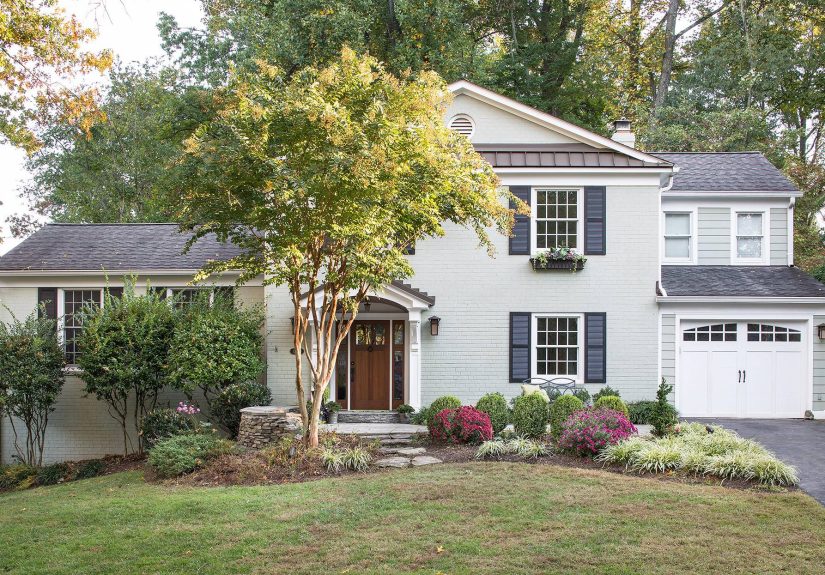
Replacing a worn garage door, refreshing the front entry, improving the siding, repainting trim, upgrading exterior lighting, and replacing an old front door can make a home look newer, safer, and more cared for. These are the kinds of changes that photograph well, show well, and whisper, “This home has its life together.”
Why these projects work
Exterior upgrades combine aesthetics with reassurance. Buyers love pretty, but they love peace of mind even more. When the front of the home looks crisp and current, they are more likely to assume the rest of the property has been maintained too.
Best strategy
Focus on visible elements that make the home look polished and durable. A steel entry door, upgraded house numbers, fresh paint, well-chosen outdoor lighting, and a garage door replacement can have an outsized impact. If siding is old or damaged, replacement can also improve both appearance and maintenance expectations.
In short, curb appeal is not fluff. It is marketing, confidence, and resale psychology rolled into one tidy front elevation.
4. Create Better Outdoor Living Space
Home value does not stop at the back door. Outdoor living space has become one of the most desirable features for modern buyers, especially when it feels intentional rather than accidental.
What counts as value-adding outdoor space
Decks, patios, porches, pergolas, functional landscaping, improved paths, and usable entertaining areas can all increase a home’s appeal. Buyers respond well to outdoor areas that feel like an extension of the living space rather than a random patch of backyard with one lonely plastic chair.
Why it adds value
Outdoor upgrades expand how a home can be used. They create space to relax, host friends, grill dinner, or simply sit outside pretending life is under control. Well-designed outdoor space makes a property feel larger and more versatile without the cost of a full room addition.
How to do it well
Keep materials durable and the design practical. A modest wood deck, a well-built patio, or attractive landscaping with lighting can have strong appeal. Include seating zones, circulation paths, and low-maintenance planting if possible. Buyers generally like outdoor spaces they can enjoy immediately, not ones that come with an unpaid part-time landscaping job.
One caution: outdoor living adds value when it suits the house and neighborhood. A tasteful deck is a crowd-pleaser. A sprawling outdoor kitchen with six burners, a pizza oven, and nightclub lighting may be a bit much for a starter home.
5. Invest in Energy Efficiency and Mechanical Systems
These renovations are not always the most glamorous, which is unfair because they do a lot of the heavy lifting. Energy-efficient improvements and updated mechanical systems can add value by lowering operating costs, increasing comfort, and removing red flags during inspections.
Projects worth considering
Think updated HVAC, insulation, air sealing, modern windows, improved attic performance, smart thermostats, and high-efficiency systems. Buyers increasingly care about monthly utility bills, year-round comfort, and whether the house feels drafty in winter or like a toaster in summer.
Why buyers care
Older mechanicals can scare buyers because replacement costs are real and immediate. A home with a newer HVAC system, improved insulation, and efficient windows feels more dependable. It is easier to market and easier for buyers to justify financially.
The right way to think about ROI
Some energy upgrades create value through savings, some through comfort, and some through resale confidence. The win is often cumulative. Better windows plus insulation plus an efficient system can make a home feel quieter, cleaner, and cheaper to run. That combination is persuasive.
If your house has aging systems, this category deserves serious attention. Buyers may gush over a backsplash, but they breathe easier when the HVAC is not older than their college roommate.
6. Add Functional Living Space, Not Weird Living Space
Square footage matters, but function matters just as much. Adding usable living space can raise value, especially if the new space fits what buyers in your market actually want.
Smart expansions
Finishing a basement, converting an attic into conditioned living space, adding a bedroom, expanding a family room, or creating a flexible bonus room can all help. The key is that the space must feel integrated, legal, comfortable, and practical.
Why it works
More usable space gives buyers more options: guest room, playroom, office, media room, exercise room, hobby space, or future teen hideout. Well-finished square footage broadens the home’s appeal and can improve appraised value when done properly.
Where people go wrong
Not every conversion adds value. If you turn a bedroom into a giant closet, remove a garage, or create something so customized that future buyers cannot see themselves using it, you may actually hurt resale. A value-adding renovation expands flexibility. A value-killing renovation narrows it.
Before adding space, study neighborhood expectations. A thoughtful addition in a family-friendly market may pay off nicely. A massive expansion that makes your house the most expensive oddball on the street may not.
7. Replace or Repair the Big-Ticket Basics Buyers Fear Most
Sometimes the renovation that adds value is not the sexiest one. It is the one that keeps a buyer from running away at the inspection stage.
The basics that matter
Roof replacement, foundation repair, electrical upgrades, plumbing updates, and structural fixes may not win social media points, but they absolutely affect value. Homes sell better when buyers are not mentally subtracting five-figure repair bills while standing in the foyer.
Why these renovations matter
Deferred maintenance creates distrust. Even if buyers love the house, they may lower their offer or move on if they suspect a long list of hidden problems. Major system repairs do not always deliver dramatic visual transformation, but they strengthen the home’s condition and marketability.
How to think about them
These projects are often best viewed as value protection rather than pure value creation. In many cases, they preserve your asking power, keep deals from falling apart, and reduce negotiation headaches. That still counts. Very much.
How to Choose the Right Renovation for Your Home
The best value-adding renovation depends on your home, your neighborhood, and your timeline. A kitchen refresh may be the winner in one house, while HVAC replacement or a deck addition may be smarter in another. Start with three questions:
1. What is clearly outdated or failing?
Fix what buyers will immediately notice or worry about. Visible neglect and aging systems tend to drag value down fast.
2. What do homes in your area typically offer?
Match neighborhood expectations before trying to exceed them. You want your home to feel competitive, not strangely overproduced.
3. Will this renovation appeal to most buyers?
Broad appeal is gold. Neutral design, strong function, durable materials, and flexible spaces usually beat highly customized choices.
Also remember the golden rule of remodeling for resale: midrange often wins. Buyers love updated homes, but they do not always pay extra for every premium detail. Spend where it shows, matters, and makes daily life better.
The Bottom Line
These seven major home renovations add value because they improve the parts of a house people use, see, and worry about most. Kitchens and bathrooms drive emotional appeal. Exterior upgrades create first impressions. Outdoor space expands livability. Energy improvements and mechanical updates reduce future stress. Functional square footage makes a home more versatile. And essential repairs keep deals alive.
The best renovation plan is not the flashiest one. It is the one that makes your house more comfortable for you now and more attractive to the next owner later. That means choosing projects with lasting usefulness, sensible budgets, and wide buyer appeal.
So yes, renovate boldly. Just do not confuse “boldly” with “installing a gold-plated indoor waterfall next to the breakfast nook.” One of those decisions adds value. The other adds stories.
Real-World Renovation Experiences Homeowners Wish They Knew Earlier
Ask enough homeowners about renovation, and you will hear the same sentence in fifty different forms: “We should have done that first.” Usually, “that” refers to the unglamorous stuff. One family may start with beautiful new floors and only later discover that the drafty windows and aging HVAC were making the house uncomfortable year-round. Another may sink a huge budget into custom finishes, only to learn that buyers cared more about storage, lighting, and whether the roof was near the end of its life. Renovation experience has a funny way of turning people into philosophers with power tools.
A common lesson is that function beats fantasy more often than people expect. Homeowners who have gone through successful remodels usually talk less about trend chasing and more about solving annoying daily problems. They remember the old kitchen with no useful prep space, the bathroom with nowhere to put towels, or the backyard that was technically large but somehow impossible to enjoy. Once those issues were fixed, the whole home felt more valuable long before anyone talked about resale.
Another recurring experience is budget shock. Even organized homeowners are surprised by how quickly costs rise when they start changing layouts instead of updating surfaces. Moving plumbing, opening walls, relocating electrical lines, and correcting hidden issues can turn a straightforward renovation into a financial obstacle course. People who had the smoothest experiences often kept the footprint intact and focused on visible, functional improvements. In other words, they remodeled with discipline rather than with a dramatic “while we’re at it” speech every three hours.
There is also the neighborhood lesson. Some owners learn it the easy way by talking to a local agent before remodeling. Others learn it the spicy way after over-improving. A luxury kitchen in a midrange neighborhood may be beautiful, but it does not always return luxury-level dollars. Meanwhile, a simple deck, refreshed bathroom, or improved curb appeal can make a house feel exactly right for the market. The most satisfied renovators often say they stopped designing for applause and started designing for balance.
Many homeowners also discover that buyers are deeply practical. Fresh paint, better lighting, newer systems, organized storage, and a polished exterior can influence perception more than one dramatic statement piece. People remember homes that feel easy to live in. They respond to spaces that seem cared for, efficient, and ready. That is why owners who invest in insulation, doors, windows, roofing, or HVAC often feel validated later, even if those upgrades never went viral on social media.
Perhaps the biggest experience-based takeaway is emotional: good renovations reduce friction. They make mornings simpler, weekends more enjoyable, and maintenance less stressful. That quality has real value. A home that works better is often worth more because it feels better. And when it eventually hits the market, buyers can sense the difference between a house that was upgraded thoughtfully and one that was decorated expensively.
In the end, homeowners who look back happiest usually say the same thing: they chose improvements that respected the house, fit the neighborhood, and solved real-life problems. That is the renovation strategy that ages well, lives well, and sells well.