Table of Contents >> Show >> Hide
- What Is Caprese Mac and Cheese?
- Why This Recipe Works
- Ingredients for the Best Caprese Mac and Cheese
- Ingredient Notes That Make a Big Difference
- How to Make Caprese Mac and Cheese
- Tips for Creamy, Flavorful Caprese Mac and Cheese
- Easy Variations
- What to Serve With Caprese Mac and Cheese
- How to Store and Reheat Leftovers
- Common Mistakes to Avoid
- Why This Recipe Is Great for SEO-Worthy Home Cooks and Actual Hungry Humans
- Kitchen Experiences and Real-Life Moments With Caprese Mac and Cheese
- Conclusion
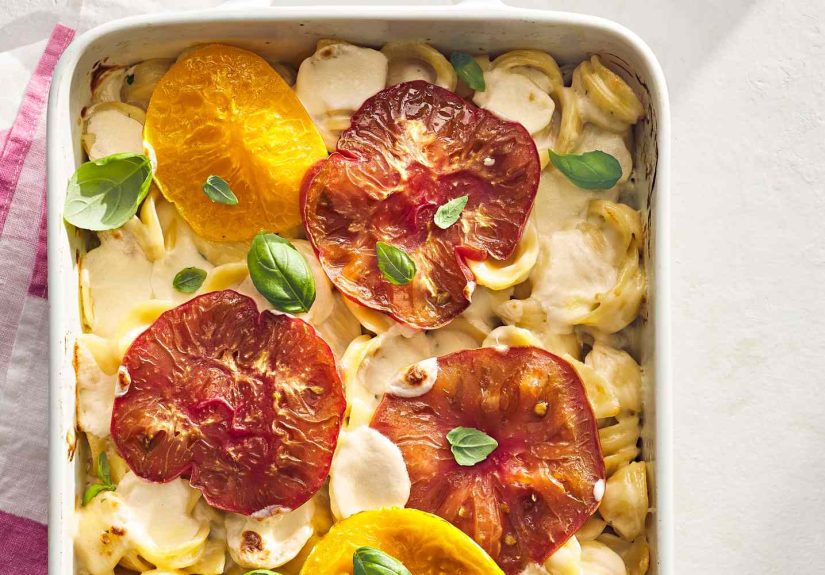
If classic mac and cheese is your favorite cozy sweater, Caprese mac and cheese is that same sweater after it went on vacation to Italy and came back with better taste in tomatoes. This dish takes everything people love about a bubbling pan of homemade macaroni and cheesecreamy sauce, tender pasta, golden edges, cheesy dramaand gives it a bright, summery twist with cherry tomatoes, basil, mozzarella, Parmesan, and a glossy balsamic finish.
The result is rich but not sleepy, cheesy but not one-note, and just fancy enough to make everyone think you planned ahead. You did not. You were simply smart enough to put caprese salad and baked mac and cheese in the same sentence.
This in-depth guide walks through how to make the best Caprese mac and cheese recipe from scratch, why each ingredient matters, how to keep the sauce creamy, and how to avoid turning fresh mozzarella into a watery plot twist. Whether you are cooking for a weeknight dinner, a potluck, or a comfort-food emergency, this recipe brings big flavor with very little nonsense.
What Is Caprese Mac and Cheese?
Caprese mac and cheese combines the core flavors of a traditional Caprese saladripe tomatoes, fresh mozzarella, basil, olive oil, and often balsamicwith the creamy comfort of baked macaroni and cheese. It is the best of both worlds: the nostalgic charm of elbow pasta in cheese sauce and the fresh, punchy flavor of a tomato-basil-mozzarella dish.
In other words, this recipe is what happens when comfort food and summer produce decide to be roommates.
Why This Recipe Works
A creamy cheese sauce builds the foundation
A proper homemade mac and cheese starts with a butter-and-flour roux, followed by milk to create a smooth sauce. This step helps the finished dish stay velvety instead of grainy or oily. The sauce wraps around the pasta rather than sliding off it like a bad excuse.
Fresh mozzarella adds that signature Caprese pull
Caprese is not Caprese without mozzarella. Here, fresh mozzarella gives you soft, milky pockets of melt, while shredded mozzarella and Parmesan help create a more stable, stretchy cheese sauce. A small amount of cheddar or fontina can also deepen the flavor without stealing the spotlight.
Tomatoes and basil brighten the whole dish
Cherry or grape tomatoes bring sweet acidity that cuts through the richness. Fresh basil adds a peppery, fragrant lift that wakes up every bite. Together, they keep the mac and cheese from tasting too heavy.
Balsamic glaze ties it all together
A light drizzle of balsamic glaze at the end adds sweetness, tang, and just enough attitude. You do not need much. This is a finishing touch, not a swimming pool.
Ingredients for the Best Caprese Mac and Cheese
- 12 ounces elbow macaroni, cavatappi, or small shells
- 3 tablespoons unsalted butter
- 3 tablespoons all-purpose flour
- 3 cups whole milk, warmed
- 1/2 cup heavy cream
- 2 cloves garlic, minced
- 1/2 teaspoon kosher salt, plus more for pasta water
- 1/2 teaspoon black pepper
- 1/4 teaspoon crushed red pepper flakes
- 1/2 teaspoon Italian seasoning
- 1 1/2 cups shredded low-moisture mozzarella
- 1 cup shredded sharp white cheddar or fontina
- 3/4 cup finely grated Parmesan cheese, divided
- 8 ounces fresh mozzarella, torn into small pieces and patted dry
- 1 1/2 cups cherry tomatoes, halved
- 1/3 cup chopped fresh basil, plus more for garnish
- 1 tablespoon olive oil
- 1/2 cup panko breadcrumbs
- 1 to 2 tablespoons balsamic glaze
Ingredient Notes That Make a Big Difference
Choose the right pasta shape
Elbows are classic, but cavatappi and shells are excellent because they trap sauce in every curve and pocket. If your goal is maximum cheese delivery, these shapes show up ready to work.
Use both fresh and low-moisture mozzarella
Fresh mozzarella delivers the Caprese character, but too much can water down the dish. Low-moisture mozzarella melts more predictably, so using both gives you flavor and structure. Pat the fresh mozzarella dry before adding it so your casserole does not become a dairy splash zone.
Go for ripe tomatoes
Caprese flavor lives or dies by the tomatoes. If they are pale, watery, and vaguely sad, the dish will taste flat. Cherry tomatoes are ideal because they are usually sweet, consistent, and easy to roast or fold in.
Fresh basil belongs at the end
Basil loses its charm if overcooked. Stir some into the pasta before baking, then scatter more on top right before serving for a fresher, brighter finish.
How to Make Caprese Mac and Cheese
Step 1: Cook the pasta
Bring a large pot of generously salted water to a boil. Cook the pasta until just shy of al dente, usually about 1 minute less than the package suggests. Drain and set aside. Since the pasta will bake again, this keeps it from turning mushy later.
Step 2: Prep the tomatoes and topping
Toss the halved cherry tomatoes with olive oil and a pinch of salt. You can leave them fresh for a juicier bite or roast them for 10 minutes at 400 degrees Fahrenheit to concentrate their sweetness. In a small bowl, mix the panko with 1/4 cup Parmesan.
Step 3: Make the cheese sauce
In a large saucepan, melt the butter over medium heat. Add the garlic and cook for about 30 seconds until fragrant. Sprinkle in the flour and whisk constantly for 1 to 2 minutes, until the roux looks smooth and lightly golden.
Slowly pour in the warm milk and cream, whisking as you go. Add the salt, black pepper, crushed red pepper, and Italian seasoning. Simmer gently for 4 to 5 minutes, stirring often, until the sauce thickens enough to coat the back of a spoon.
Step 4: Add the cheese
Lower the heat. Stir in the shredded mozzarella, cheddar or fontina, and 1/2 cup Parmesan a handful at a time. Stir until melted and smooth. The sauce should be creamy, glossy, and very difficult to stop taste-testing.
Step 5: Combine everything
Fold the cooked pasta into the sauce. Gently stir in half of the fresh mozzarella, half of the tomatoes, and about half of the chopped basil. This layers the Caprese flavor throughout the dish instead of letting it sit only on top like decorative confetti.
Step 6: Bake
Transfer the pasta mixture to a greased 9-by-13-inch baking dish. Scatter the remaining fresh mozzarella and tomatoes over the top, then add the panko-Parmesan mixture. Bake at 375 degrees Fahrenheit for 20 to 25 minutes, until bubbling and golden.
Step 7: Finish like a champion
Let the mac and cheese rest for 5 to 10 minutes. Top with the remaining basil and drizzle lightly with balsamic glaze. Serve warm.
Tips for Creamy, Flavorful Caprese Mac and Cheese
Warm the milk first
Warm milk blends into the roux more smoothly and helps prevent lumps. Cold milk is not evil, but it does make the sauce work harder than necessary.
Shred your own cheese
Pre-shredded cheese often contains anti-caking agents that can affect how smoothly it melts. Freshly shredded cheese usually gives you a silkier sauce and better flavor.
Do not drown the dish in fresh mozzarella
Fresh mozzarella is lovely, but it contains a lot of moisture. Use it strategically for creamy pockets rather than as the entire cheese base.
Season in layers
Salt the pasta water, season the sauce, and taste before baking. Cheese brings salt, but tomatoes need help. A well-seasoned mac and cheese tastes balanced instead of blandly beige.
Rest before serving
Fresh from the oven, the sauce is extremely loose. A short rest helps the cheese sauce settle so each scoop lands on the plate instead of trying to escape it.
Easy Variations
Caprese chicken mac and cheese
Add 2 cups of shredded rotisserie chicken for a more filling dinner. The chicken turns this into a one-pan main dish with very little extra effort.
Spicy Caprese mac and cheese
Increase the red pepper flakes or add finely chopped calabrian chiles for a little heat. Rich cheese plus spicy contrast is rarely a bad decision.
Pesto Caprese mac and cheese
Swirl in 2 to 3 tablespoons of basil pesto before baking for extra herb flavor and a deeper green note. It makes the dish taste especially summery.
No-breadcrumb version
If you prefer your mac and cheese ultra-creamy without crunch, skip the topping and finish under the broiler for 1 to 2 minutes to brown the cheese lightly.
What to Serve With Caprese Mac and Cheese
This recipe is rich, so pair it with sides that bring freshness or texture:
- Simple arugula salad with lemon vinaigrette
- Roasted broccoli or asparagus
- Garlic bread or toasted ciabatta
- Grilled chicken or Italian sausage
- A chilled tomato salad when tomatoes are in peak season
How to Store and Reheat Leftovers
Store leftover Caprese mac and cheese in an airtight container in the refrigerator for up to 3 days. Reheat in the microwave with a splash of milk, or warm it in the oven at 325 degrees Fahrenheit until heated through.
If you know you will be saving leftovers, hold back some of the basil and balsamic glaze until serving. Fresh toppings added later keep reheated portions from tasting tired.
Common Mistakes to Avoid
Overcooking the pasta
Remember that the noodles continue cooking in the oven. If they are already very soft when drained, they can lose structure during baking.
Using bland tomatoes
This recipe depends on a bright tomato flavor. Taste one before adding it. If it tastes like disappointment, roast it to concentrate its flavor or wait for better tomatoes.
Adding basil too early
Fresh basil should taste lively, not dull and blackened. Add part of it before baking and the rest right at the end.
Skipping the acid finish
Without balsamic glaze, the dish can taste heavy. That final tangy-sweet drizzle is the little black dress of this recipe: elegant, useful, and doing more than people realize.
Why This Recipe Is Great for SEO-Worthy Home Cooks and Actual Hungry Humans
Caprese mac and cheese checks every box a home cook wants. It is familiar but still special. It is vegetarian-friendly, crowd-pleasing, easy to customize, and built from ingredients that are easy to find in most U.S. grocery stores. It also works across seasons: it feels like a summer pasta bake when tomatoes are at their best, yet it still lands as pure comfort food in colder months.
Most important, it tastes like something you would absolutely go back for seconds of, even after loudly insisting you were full.
Kitchen Experiences and Real-Life Moments With Caprese Mac and Cheese
The first time I made Caprese mac and cheese, I expected a novelty recipe. You know the typefun on paper, cute on Pinterest, and then quietly average in real life. But this one surprised me. The pan came out bubbling around the edges, the breadcrumb topping was bronzed and crisp, and those little pockets of fresh mozzarella stretched into dramatic cheese pulls that would have made a food commercial producer cry with joy. Then the basil hit. Then the tomato sweetness. Then that tiny balsamic drizzle. Suddenly, this was not just mac and cheese with stuff in it. It was a full personality.
It is also one of those dishes that changes depending on the moment. For a casual weeknight dinner, it feels cozy and low-pressure. You can scoop it into bowls, eat it in socks, and call it a day. But serve it in a nice baking dish with extra basil on top, and it suddenly looks like the kind of meal that says, “Yes, I have my life together,” even if your kitchen currently looks like a cheese tornado touched down.
One of the best parts of this recipe is how it turns simple grocery-store ingredients into something that tastes layered and thoughtful. Cherry tomatoes are not expensive. Basil is easy to find. Mozzarella is friendly. Pasta is pasta. Yet when those ingredients come together in a creamy baked dish, the result tastes like more effort than it actually takes. That is the kind of kitchen math everybody likes.
I have also found that Caprese mac and cheese is a very forgiving crowd-pleaser. Kids usually love the cheesy pasta part. Adults appreciate the fresher tomato-basil angle. People who claim they “do not usually go for mac and cheese” somehow end up scraping the corners of the dish. The crispy edges disappear first. They always do. There is apparently no social class, age group, or personality type that can resist a crunchy cheese corner.
And then there is the seasonal magic. In summer, when tomatoes are actually worth buying, this dish tastes especially alive. You bite into a sweet tomato, get that milky mozzarella softness, and suddenly the whole casserole feels lighter than a typical baked pasta. In cooler weather, it becomes a cheerful reminder that comfort food does not have to be all beige, all the time. It can still have color. It can still have freshness. It can still wear a little olive oil and basil and feel glamorous about it.
That is probably why this recipe sticks with people. It is comforting without being boring, fresh without being fussy, and impressive without requiring a culinary degree or a two-hour cleanup. If there is a better definition of a keeper recipe, I have not met it yet.
Conclusion
If you love creamy baked pasta, fresh tomato-basil flavor, and recipes that feel a little special without becoming a full-time job, this Caprese mac and cheese recipe deserves a spot in your rotation. It is cheesy, vibrant, cozy, and just dramatic enough to make dinner feel exciting. Make it once, and there is a very good chance it will become the meal you bring out when you want comfort food with better manners.