Table of Contents >> Show >> Hide
- What “The Connected Heart” Really Means
- How the “Text” Happens: The Data-to-Doctor Pipeline
- The Famous Examples: When the Connected Heart “Pings” Someone
- What It Can Catch (And What It Can’t)
- Accuracy: The Truth, The Hype, and The “Please Don’t Google at Midnight” Factor
- Remote Monitoring Isn’t Just TechIt’s Workflow
- Privacy, Security, and the “Who Sees My Heart Data?” Question
- Who Benefits Most From a “Texting” Heart?
- How to Talk to Your Doctor About Connected Heart Tech
- Bottom Line: Your Heart Can “Text,” but You’re Still the Main Character
- Experiences Related to “The Connected Heart Texts Your Doc When Something’s Wrong” (Composite Snapshots)
- SEO Tags
Imagine your heart has a group chat. It’s not sending “u up?” at 2 a.m. (thankfully), but it can quietly ping your care team when your rhythm looks off, your heart failure metrics drift, or your implanted device notices something worth flagging.
That’s the promise behind today’s “connected heart” world: wearables, patches, smart scales, blood pressure cuffs, and implanted devices that collect heart-related data and send it to clinicians remotely. In the best cases, it’s like getting a heads-up before a small problem becomes a big, expensive, scary one. In the messier cases… it’s also like getting a group chat notification storm when you just wanted to sleep.
Let’s unpack what’s real, what’s hype, and what “texts your doc” actually means (spoiler: it’s usually not literally SMSmedicine is rarely that chill).
What “The Connected Heart” Really Means
“Connected heart” is a friendly umbrella term for technologies that:
- Measure cardiac signals (electrical rhythm, pulse patterns, heart rate trends).
- Track related markers (blood pressure, weight, symptoms, activity, sometimes respiratory rate).
- Transmit the data through a phone, home hub, Wi-Fi, or cellular connection.
- Route it into a clinical system where nurses, techs, or physicians can review it.
Three big buckets of connected heart tech
1) Consumer wearables (smartwatches and fitness trackers) that use optical sensors (PPG) and, in some models, a single-lead ECG app.
2) Medical wearables like prescribed ECG patches that record for days to weeks and generate a clinician-ready report.
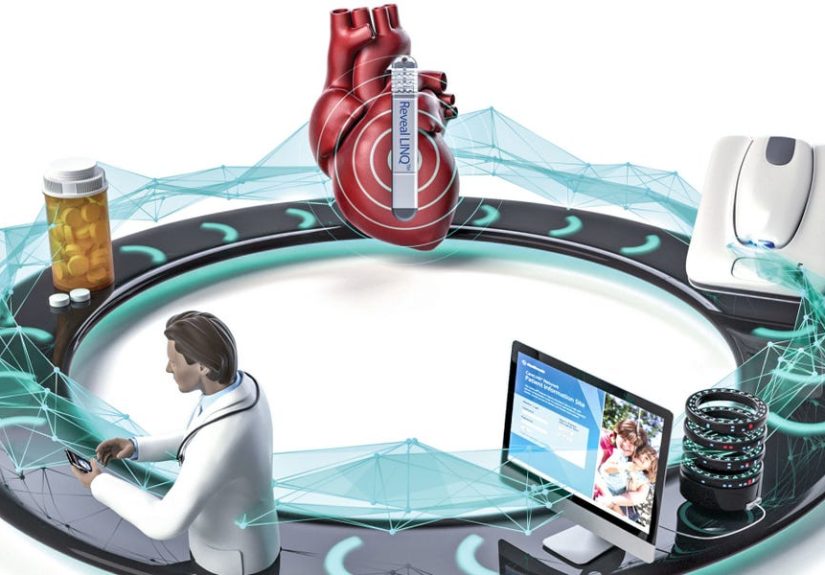
3) Implanted cardiac devices (pacemakers, ICDs, implantable loop recorders, and certain heart failure sensors) that can communicate with a home communicator or phone-based system for remote monitoring.
How the “Text” Happens: The Data-to-Doctor Pipeline
If you picture a smartwatch typing a message to your cardiologistadorable. Reality is more like: data → server → triage → review → action. Here’s the usual flow.
Step 1: Your device collects signals
A smartwatch might periodically look for pulse irregularity patterns. An ECG app can record a short tracing when you trigger it. An implanted device continuously tracks rhythm and device performance (battery status, leads, pacing burden, arrhythmia episodes). A heart failure sensor might capture pressure trends that rise before symptoms show up.
Step 2: The data gets transmitted
Transmission can happen through a phone app, a bedside communicator, or a dedicated relay device using Wi-Fi or cellular. Many implant systems send scheduled updates automatically, and can also send event-based alerts if certain thresholds or events occur.
Step 3: A clinical platform sorts signal from noise
This is where the “text” metaphor earns its keep. Data typically lands in a remote monitoring dashboard (often run by the device manufacturer’s platform or a monitoring service). The system can:
- Organize scheduled check-ins (routine transmissions).
- Flag alerts (arrhythmia episodes, device issues, worsening trends).
- Queue items for human review (techs, nurses, device clinic staff).
Important note: “alert” doesn’t always mean “emergency.” It often means “needs attention soon-ish,” like a smart, medical version of “Hey… you free to talk?”
Step 4: Humans decide what happens next
Depending on what’s seen, your clinic might:
- Message you through a portal or call you.
- Ask you to send another reading or wear a patch monitor.
- Adjust meds, schedule a visit, or bring you in for device programming.
- Tell you to seek urgent care if symptoms or readings look concerning.
The Famous Examples: When the Connected Heart “Pings” Someone
Example A: Your watch spots an irregular rhythm (possible AFib)
Some watches can screen for irregular rhythm patterns that may suggest atrial fibrillation (AFib), a common arrhythmia linked to stroke risk. The key word is suggest. A notification is not a diagnosisit’s a nudge to follow up with medical confirmation.
You might use an ECG app on a compatible watch to record a short tracing and export it as a PDF to share with your clinician, who can interpret it in context. That’s a very real “text-your-doc” moment, even if the “text” is actually “secure portal message with attachment.”
Example B: A prescribed ECG patch catches the weird stuff you can’t schedule
Palpitations love timing. They show up when you’re nowhere near an EKG machine and then vanish the second you step into a clinic. Prescribed patch monitors are designed for that reality: you wear them for an extended period, log symptoms, and the service produces a clinician-focused report.
If an arrhythmia shows up at 3:17 a.m., the patch doesn’t panicit records. Then the system processes the data and sends your clinician an actionable summary. The result: fewer “it was fine in the office” dead ends.
Example C: Your pacemaker or ICD sends a quiet status update from home
Modern implanted cardiac devices can be remotely monitored. A home communicator (or phone-based relay) can send technical and clinical information to your clinic on a schedule. Some systems also transmit alerts when specific events occurlike certain arrhythmias, device integrity issues, or other parameters your clinic programs and monitors.
This is one of the biggest quality-of-life upgrades in cardiology: fewer routine “just checking” visits, faster awareness of important changes, and a clearer picture of what’s happening between appointments.
Example D: Heart failure monitoring that sees trouble before you feel it
In heart failure, fluid and pressure changes can ramp up before symptoms hit. Some remote monitoring strategies use daily weights, blood pressure, and symptom check-ins. Others include implanted pulmonary artery pressure sensors that let clinicians track pressure trends and adjust treatment earliersometimes before a patient feels worse.
What It Can Catch (And What It Can’t)
Things connected heart tech is good at
- Trend detection: gradual changes in heart rate, rhythm patterns, pressures, or device metrics.
- Intermittent arrhythmias: episodes that don’t show up during a short clinic ECG.
- Device follow-up: battery status, lead integrity, pacing performance, and recorded arrhythmia events.
- Earlier intervention opportunities: a chance to act before symptoms escalate (especially in structured monitoring programs).
Things it’s not built to do
- Diagnose everything: Consumer wearables can screen; diagnosis still requires clinical confirmation and context.
- Replace emergency care: Many monitors explicitly state they can’t call for help. If you have severe symptoms (chest pain, fainting, trouble breathing), that’s an emergency situationdon’t wait for a dashboard to update.
- Guarantee instant clinician response: Remote monitoring is powerful, but it’s not a 24/7 personal cardiologist in your pocket.
Accuracy: The Truth, The Hype, and The “Please Don’t Google at Midnight” Factor
Wearables are improving fast, and studies show they can detect AFib and other rhythm issues with meaningful accuracy in certain settings. But two things remain true at the same time:
- They can be genuinely helpful at surfacing silent or intermittent AFib.
- They can generate false alarms (or flag rhythms that are irregular but not AFib).
That’s why cardiology keeps coming back to a consistent rule: a diagnosis of AFib should be confirmed with ECG evidence and clinical review. The watch can raise its hand in class; the physician still calls on it and checks the homework.
Remote Monitoring Isn’t Just TechIt’s Workflow
A connected heart is only as useful as the system around it. Remote monitoring succeeds when:
- Clinics have clear alert thresholds and triage protocols.
- There’s staffing to review incoming data (and not drown in it).
- Patients know what to do with notifications (and when to escalate symptoms).
- Data flows into clinical decision-making instead of sitting in a separate silo.
Without that, you get the “data deluge” problem: lots of numbers, not enough actionable meaning. The goal isn’t more datait’s better care decisions.
Privacy, Security, and the “Who Sees My Heart Data?” Question
Remote monitoring involves transmitting sensitive health information. That means security, consent, and data governance matter. In clinical settings, organizations typically use regulated systems designed for medical data handling. In consumer wearables, your data may be stored and shared according to the company’s health data policies and your settings.
Practical tips that don’t require a cybersecurity degree:
- Use strong device passcodes and keep software updated.
- Review sharing settings in health apps and patient portals.
- Ask your clinic what platform they use and how alerts are handled.
- If you’re in a monitoring program, clarify who reviews data and how quickly.
Who Benefits Most From a “Texting” Heart?
Not everyone needs continuous monitoring. The biggest benefit often shows up in people who have:
- Known or suspected arrhythmias (like AFib) that come and go.
- Implanted cardiac devices that already support remote follow-up.
- Heart failure where early changes can trigger earlier treatment adjustments.
- Symptoms that are real but hard to catch during short clinic visits.
For the “mostly healthy but curious” crowd, wearables can be a helpful awareness tooljust don’t treat every notification like a plot twist in a medical drama.
How to Talk to Your Doctor About Connected Heart Tech
If you want to use connected heart monitoring in a sane, helpful way, bring these questions to your next appointment:
- What are we trying to answer? (Confirm AFib? Explain palpitations? Monitor device function? Reduce HF flare-ups?)
- What device or program fits that goal? (Watch, patch, implanted monitor, RPM program, or nothing at all.)
- How will the data be reviewed? Who sees alerts, and what’s the typical response time?
- What symptoms should override the tech? In other words: when should you ignore the dashboard and seek urgent care?
Bottom Line: Your Heart Can “Text,” but You’re Still the Main Character
The connected heart is one of the most practical upgrades in modern care: it can catch things earlier, reduce unnecessary visits, and give clinicians more context than a once-a-year snapshot. But it’s not magic, and it’s not an emergency service.
Used well, it’s like having a calm, data-savvy assistant in the backgroundquietly watching for patterns and raising a flag when something looks worth a human’s attention. Used badly, it’s a notification machine that turns normal life into a never-ending “Should I worry?” spiral.
The win is balance: tech for awareness and early detection, clinicians for interpretation and treatment, and you for the most important jobpaying attention to symptoms, asking good questions, and living your life without refreshing your heart app like it’s social media.
Experiences Related to “The Connected Heart Texts Your Doc When Something’s Wrong” (Composite Snapshots)
The experiences below are composite examplesthe kind of situations clinicians and patients commonly describe when using connected heart tech. They’re not individual medical stories, but they’re grounded in how these systems work in real care.
1) The “Midday Buzz” That Turns Into a Calm Plan
A smartwatch notification pops up during a normal Tuesday: “Irregular rhythm detected.” The first feeling is rarely zen. It’s more like, “My heart just subtweeted me.” After the initial panic, the person opens the ECG app and captures a tracing. They message their clinic through the patient portal with the PDF attached and a short note: “Felt fluttery for 5 minutes, otherwise okay.”
The clinic doesn’t respond in 30 seconds (because medicine has rules, schedules, and inboxes), but later that day a nurse calls. The message is reassuring: this doesn’t automatically mean a crisis, but it’s enough to justify a follow-up. They schedule a patch monitor to confirm what’s happening and discuss whether risk factors suggest further evaluation. The experience ends not with drama, but with a planand the patient feels oddly grateful that the “buzz” happened while they felt okay, instead of after something worse.
2) The Pacemaker Check-In You Don’t Have to Drive For
Someone with a pacemaker used to make routine trips just to confirm the device was doing its job. Now, the device sends scheduled transmissions from home through a communicator. Most months, nothing exciting happensand that’s the point. But one month, the clinic notices an uptick in a certain rhythm event count and a few short episodes that weren’t there before.
The patient didn’t feel muchmaybe a little fatigue, easy to blame on life. The clinic calls, asks a few questions, and decides to bring them in sooner than the next routine visit. In-office programming tweaks a setting, and a medication review follows. The “experience” isn’t glamorous. It’s convenience plus prevention: less time on the road, more time catching issues early.
3) Heart Failure Monitoring That Acts Like a Smoke Alarm
In a remote monitoring program, daily weights and blood pressure readings get logged automatically. The patient feels mostly fine, but the trend line says otherwise: weight creeping up, blood pressure shifting, symptoms quietly increasing. The monitoring team flags it, and the clinician adjusts treatmentsometimes with small medication changes and a check-in call.
The patient’s reaction is often, “I didn’t realize I was sliding.” That’s what the program is designed for: catching gradual changes before they feel dramatic. It’s not perfectsome programs work better than others, and adherence is real lifebut when it clicks, it can feel like a smoke alarm that went off before the kitchen filled with smoke.
4) The “False Alarm” That Still Teaches You Something
Not every notification is a true signal. Sometimes motion, poor sensor contact, or benign rhythm quirks trigger alerts. A person gets an irregular rhythm notification after a sweaty workout, takes an ECG, and it looks normal. They still send it to their clinician, who reassures them and explains how to interpret future alerts: what patterns matter, what symptoms matter, and what to do next time.
The surprising benefit here is education. Even a “false alarm” can become a lesson in what’s normal, what’s not, and how to use the tech as a toolnot a panic button.
5) The Best Part: Less Guessing, More Context
Across these experiences, the theme is the same: connected heart tech reduces the gap between “something felt weird” and “we know what happened.” It’s not about replacing doctors. It’s about giving them better context and giving patients a safer, clearer path from questions to answers.