Table of Contents >> Show >> Hide
- Why Exercise Helps the Whole Person, Not Just the Waistline
- Physical Health Benefits of Exercise
- 1. It Strengthens Your Heart and Improves Circulation
- 2. It Helps Manage Weight Without Making Food the Villain
- 3. It Supports Blood Sugar and Metabolic Health
- 4. It Builds Stronger Muscles, Bones, and Joints
- 5. It Improves Sleep Quality and Daytime Energy
- 6. It Lowers the Risk of Many Chronic Diseases
- Mental Health Benefits of Exercise
- How Much Exercise Do You Actually Need?
- Best Types of Exercise for Physical and Mental Health
- How to Make Exercise Stick in Real Life
- Common Experiences People Notice When They Start Exercising Regularly
- Conclusion
- SEO Tags
Note: This article is based on real, current information synthesized from reputable U.S. health sources. Source links are intentionally omitted for clean web publishing.
Exercise has one of the best reputations in health for a reason: it keeps proving itself useful. It helps your heart, your muscles, your brain, your mood, your sleep, and even your ability to handle everyday chaos without feeling like your soul has left the group chat. You do not need to become a marathoner, a gym influencer, or a person who says “leg day” with religious conviction. Regular movement, done consistently, can deliver real benefits for both physical and mental health.
That matters because modern life is oddly good at turning people into decorative furniture. Many of us sit for work, sit for meals, sit in traffic, and then sit down to “relax.” The body, however, was not designed to spend most of the day impersonating a folded lawn chair. It responds remarkably well when you move more often. Even modest exercise, such as brisk walking, cycling, strength training, dancing, swimming, or yoga, can improve how you feel in the short term and protect your health over the long term.
If you have ever wondered whether exercise is really worth the effort, the answer is yes, emphatically, and possibly with jazz hands. Here is a closer look at what exercise does for your body, how it supports mental well-being, and how to make it part of your life without turning every workout into a dramatic event.
Why Exercise Helps the Whole Person, Not Just the Waistline
Many people still think of exercise mainly as a weight-loss tool. That is like calling a smartphone “a flashlight with hobbies.” Weight management can be one result of physical activity, but it is far from the only one. Exercise influences multiple systems at once. It improves circulation, strengthens muscles and bones, supports metabolic health, helps regulate stress responses, and contributes to better sleep. On the mental side, it can reduce feelings of anxiety, lift mood, sharpen focus, and create a stronger sense of control and self-confidence.
In other words, exercise is not just about appearance. It is about function. It helps your body work better, and it helps your mind feel more stable, more resilient, and more capable of dealing with whatever the day throws at you. Sometimes that is a major work project. Sometimes it is a toddler with jam on the ceiling. Both require stamina.
Physical Health Benefits of Exercise
1. It Strengthens Your Heart and Improves Circulation
Your heart is a muscle, and like other muscles, it benefits from being challenged in healthy ways. Aerobic activities such as walking, jogging, biking, swimming, and dancing help your heart pump blood more efficiently. Over time, regular exercise can support healthier blood pressure, improve cholesterol patterns, and reduce the risk of cardiovascular disease.
This is one of the biggest reasons health experts keep recommending movement so enthusiastically. A more active lifestyle supports better circulation, which means oxygen and nutrients move through the body more effectively. That translates into practical, non-dramatic-but-wonderful outcomes like climbing stairs without bargaining with your knees and walking farther without feeling wiped out.
2. It Helps Manage Weight Without Making Food the Villain
Exercise burns energy, but its relationship with weight is more helpful than simple calorie math. Regular movement supports lean muscle mass, improves how the body uses energy, and works alongside nutrition to help prevent excess weight gain or maintain weight loss. Strength training is especially useful here because muscle tissue requires more energy than fat tissue, even at rest.
That said, one workout will not cancel out a weekend of extra snacks, and one slice of cake is not a moral failure. Exercise works best when it is part of a sustainable lifestyle, not a punishment for existing in the presence of bread. The real win is that active people often feel stronger, more energetic, and more motivated to care for themselves in other ways too.
3. It Supports Blood Sugar and Metabolic Health
Physical activity helps the body use insulin more effectively and supports healthier blood sugar control. That matters for reducing the risk of type 2 diabetes and for managing blood sugar more effectively in people who already have it. Regular exercise can also help lower the risk of metabolic syndrome, a cluster of conditions that raises the risk of heart disease, stroke, and diabetes.
Translation: moving your body helps important internal systems run with less drama. Your cells become better at using glucose, your metabolism works more efficiently, and your overall health profile tends to improve over time.
4. It Builds Stronger Muscles, Bones, and Joints
Exercise is not just about endurance. Resistance training, body-weight exercises, and weight-bearing activities help preserve and build muscle, which becomes increasingly important with age. Stronger muscles make daily tasks easier, improve posture, support balance, and reduce strain on joints.
Exercise also supports bone health. Activities such as walking, hiking, tennis, dancing, and strength training help maintain bone density, which can reduce the risk of osteoporosis and fractures later in life. Flexibility and balance exercises, including yoga and tai chi, also play a valuable role by helping improve stability and lowering the risk of falls.
The glamorous headline here is not “You may someday become a professional kettlebell enthusiast.” It is simpler: your future self will probably appreciate being able to carry groceries, get off the floor, and move with confidence.
5. It Improves Sleep Quality and Daytime Energy
One of the sneakiest benefits of exercise is better sleep. People who move regularly often fall asleep faster, sleep more deeply, and wake up feeling more restored. Good sleep, in turn, supports mood, concentration, immune health, and recovery. It is a lovely cycle when it works.
Exercise can also improve energy levels during the day. That may sound unfair, since exercise itself requires energy, but the body tends to adapt by becoming more efficient. Over time, physical activity improves endurance and can make everyday activity feel easier rather than harder.
6. It Lowers the Risk of Many Chronic Diseases
Regular exercise is associated with a lower risk of several chronic conditions, including heart disease, stroke, type 2 diabetes, and some cancers. It also supports healthy aging by helping preserve mobility, independence, and overall function as the years go by.
This is one reason exercise is often described as one of the most powerful preventive health tools available. It is not a cure-all, and it does not replace medical care, but it consistently improves the odds in your favor. That is not hype. That is public health quietly doing its job.
Mental Health Benefits of Exercise
1. It Can Improve Mood Faster Than You Might Expect
Many people notice a shift in mood after just one workout. That does not mean every session ends with cinematic joy and a slow-motion sunset jog, but it does mean movement can have immediate psychological effects. Exercise can reduce short-term feelings of tension and help create a sense of relief, calm, or accomplishment.
Part of that effect comes from brain chemistry. Physical activity is associated with the release of feel-good chemicals, including endorphins, and it also appears to help regulate neurotransmitters involved in mood. Just as important, exercise can interrupt repetitive negative thinking by giving your brain a different task: breathe, move, repeat, do not trip.
2. It Helps Reduce Stress and Anxiety
Stress affects both mind and body. It can tighten muscles, disturb sleep, speed up breathing, raise heart rate, and make people feel edgy or overwhelmed. Exercise helps in multiple ways. It burns off nervous energy, lowers muscle tension, and can help the body become less reactive to stress over time.
For people dealing with anxiety, physical activity can be especially helpful because it offers a structured outlet for restless energy. A brisk walk, bike ride, yoga class, or strength workout can create a calming effect and improve emotional regulation. It may not solve every source of stress, but it often makes those stressors feel more manageable.
3. It May Help Ease Symptoms of Depression
Exercise is not a replacement for professional treatment when depression is severe, but it can be a powerful supportive tool. Regular movement has been linked with fewer symptoms of depression and a better overall sense of well-being. It provides routine, creates a sense of progress, and can help people reconnect with daily life when motivation feels low.
Even small amounts count. A short walk, a few minutes of stretching, or a beginner strength session can be enough to create momentum. When someone is struggling, the goal is not perfection. The goal is to begin, gently, and let consistency do the heavy lifting.
4. It Supports Brain Health, Memory, and Focus
Exercise benefits the brain in ways that go beyond mood. Regular physical activity is linked with better thinking, learning, and memory. It may also help maintain cognitive function as people age. Some of this benefit likely comes indirectly through better sleep, lower stress, and improved cardiovascular health, all of which help the brain do its job more effectively.
That is why many people report that they think more clearly after a workout. Ideas feel less sticky. Attention improves. The mental browser tabs quiet down a bit. You may still forget why you walked into the kitchen, but now you will forget with stronger glutes.
5. It Builds Confidence and a Sense of Capability
Exercise has a practical psychological reward: it gives you evidence that you can do hard things. That matters. When you keep a promise to yourself, whether it is a ten-minute walk or a full workout plan, you reinforce self-trust. You start to see yourself as someone who takes action, not just someone who makes elaborate plans in activewear.
That sense of competence can spill into other areas of life. People often report feeling more disciplined, more resilient, and more emotionally steady when they exercise regularly. The physical benefits matter, but so does the identity shift. Movement can change not only how you feel, but how you see yourself.
How Much Exercise Do You Actually Need?
For most adults, a practical target is at least 150 minutes of moderate-intensity aerobic activity each week, or 75 minutes of vigorous activity, plus muscle-strengthening activities on two or more days per week. Moderate intensity means you are working but can still talk, even if you are no longer in the mood for speeches. Think brisk walking, cycling at a casual pace, water aerobics, or mowing the lawn with purpose.
You do not have to do it all at once. Short sessions count. Ten minutes here, fifteen there, a walk after lunch, a strength routine before dinner, it all adds up. This is excellent news for people whose calendars already look like a game of Tetris played under pressure.
If that recommendation sounds like a lot, start smaller. The most important step is moving from nothing to something. A short daily walk is better than an ambitious routine you abandon after three days and one dramatic foam roller purchase.
Best Types of Exercise for Physical and Mental Health
Walking
Walking is one of the most underrated forms of exercise on earth. It is accessible, low-cost, gentle on the joints for many people, and effective for both physical and mental health. A regular walking habit can improve cardiovascular fitness, support mood, and help clear mental clutter.
Strength Training
Lifting weights, using resistance bands, or doing body-weight exercises helps build muscle, protect bone health, and improve functional strength. It can also be mentally satisfying because progress is easy to track. Few things boost confidence like realizing the thing that used to feel heavy now feels manageable.
Yoga, Tai Chi, and Mind-Body Movement
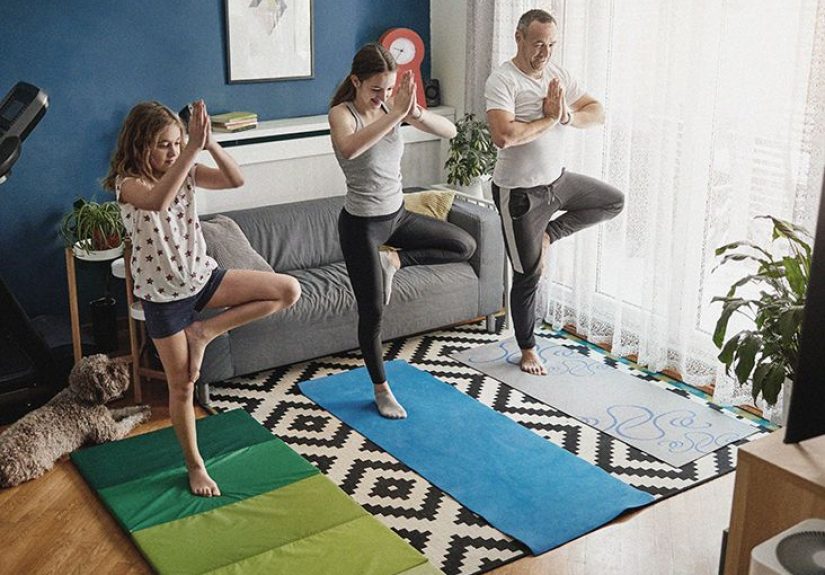
These forms of exercise combine movement with breath, concentration, and body awareness. They can be especially helpful for stress reduction, flexibility, balance, and emotional regulation. They are also excellent options for people who want exercise to feel restorative rather than aggressively motivational.
Cycling, Swimming, and Group Fitness
These can improve endurance and add variety. Group classes and recreational sports also offer a social benefit, which can support mental health by reducing isolation and making exercise more enjoyable. Sometimes the best workout is the one you will actually look forward to doing.
How to Make Exercise Stick in Real Life
The best exercise routine is not the fanciest one. It is the one you can repeat. Start with what fits your current life, not your fantasy life. If you are busy, tired, new to exercise, or returning after a long break, that is fine. Begin with a realistic goal, such as walking twenty minutes three times a week or doing two short strength sessions at home.
Choose activities you do not hate. Schedule them like appointments. Lower the barrier to entry. Keep shoes by the door. Follow a simple plan. Track progress in a basic way. Most importantly, stop thinking of exercise as something that only counts when it is intense, sweaty, and accompanied by dramatic music. Consistency beats heroics.
It also helps to think beyond motivation. Motivation is unreliable. It disappears when you are tired, busy, grumpy, or when the weather behaves like a villain. Habits, on the other hand, are sturdier. Build a system that works even when enthusiasm is on vacation.
Common Experiences People Notice When They Start Exercising Regularly
One of the most interesting things about exercise is how ordinary the changes can feel at first. They do not always arrive like a fireworks show. Often they show up quietly, disguised as little improvements in daily life. A person who starts walking every morning may not notice a dramatic transformation in week one, but they may realize they feel less groggy by midafternoon. They may stop relying on that third coffee like it is a life raft. They may sleep a little better, feel a little calmer, and become a little less likely to snap at the printer for being a printer.
Many beginners describe the first few weeks as a negotiation between good intentions and sore muscles. That is normal. A remote worker might begin with ten-minute walks between meetings simply to break up long hours of sitting. At first, it feels small, almost too small to matter. Then a month later, they notice their back is less stiff, their concentration is better, and the 3 p.m. slump no longer hits like a piano falling from the sky. The benefit was not only physical. The habit gave structure to the day and a sense of control that improved mental clarity.
Parents often report another kind of change: exercise becomes one of the few parts of the day that belongs entirely to them. A mother who begins doing short strength workouts in the living room before her kids wake up may initially focus on fitness, but she often keeps going because of the emotional payoff. She feels more patient, more grounded, and more capable of handling daily stress. The workout becomes less about calories and more about sanity. That shift is common and important.
Older adults frequently talk about function rather than appearance. A man in his sixties who starts regular walking and light resistance training may not care whether his arms look “toned.” He cares that carrying groceries is easier, getting up from a chair feels smoother, and weekend yard work no longer requires a recovery ceremony. The emotional effect is significant too. Regaining strength and balance often restores confidence, which can reduce the fear of injury and encourage more activity overall.
People dealing with stress or low mood often describe exercise as a pressure valve. Not a magic trick, not a complete cure, but a reliable way to turn the volume down on internal noise. Someone struggling with anxiety may find that a brisk walk helps settle the body when thoughts start racing. A person recovering from burnout may use cycling, yoga, or swimming as a way to reconnect with their body after months of running on fumes. In these cases, the workout is not about performance. It is about regulation.
There are also social experiences that matter. Joining a walking group, a dance class, or a beginner gym program can help people feel less isolated. They begin showing up not only for exercise, but for encouragement, familiarity, and community. That matters more than many fitness plans admit. Humans are social creatures. Sometimes mental health improves not just because we moved, but because we moved with other people who remembered our name.
The most consistent experience, though, is this: people start feeling more like themselves. Or, in some cases, like a version of themselves they thought had been misplaced under a pile of deadlines and laundry. Exercise does not make life perfect. It does, however, make many people feel stronger, steadier, and more equipped to handle life as it is.
Conclusion
The benefits of exercise for physical and mental health are broad, practical, and backed by years of real-world evidence. Regular movement supports heart health, metabolic function, strength, mobility, sleep, and long-term disease prevention. At the same time, it can improve mood, reduce stress, ease anxiety, support better focus, and help people feel more confident and emotionally resilient.
You do not need a perfect routine to benefit. You need a doable one. A walk after dinner, a few weekly strength sessions, a yoga class you genuinely enjoy, or a bike ride on weekends can all move the needle. The goal is not to become a fitness superhero. The goal is to create a healthier life that feels better from the inside out.