Table of Contents >> Show >> Hide
- Table of Contents
- Why do co-stars feud when the cameras stop?
- 1) The X-Files: “Scully Hates Mulder” (Kind Of)
- 2) Sex and the City: Fashion, Friendship… and a Very Public Rift
- 3) Castle: When On-Screen Spark Meets Off-Screen Static
- 4) Charmed: Sisterhood With a Side of Set Tension
- 5) Fresh Prince: The Aunt Viv Earthquake
- 6) The Good Wife: The Case of the Missing Shared Scenes
- 7) The Golden Girls: Sunshine on Camera, Shade Off Camera
- What these “real-life enemies” teach us
- Bonus: of “Relatable Workplace” Experience (Because This Is Basically Office Drama With Better Lighting)
- Conclusion
TV has sold us a thousand friendships: ride-or-die partners, found families, and coworkers who’d absolutely help you hide a body (metaphorically… mostly).
But sometimes, the real magic trick isn’t the chemistry on screenit’s that the actors managed to act like they liked each other at all.
This article digs into seven iconic “besties” (or at least allies) who delivered lovable friendships and partnerships on camera while off-camera relationships
ranged from frosty to full-on “please don’t put us in the same press junket.”
It’s Hollywood, baby: the lights are bright, the smiles are brighter, and the group chat is occasionally a crime scene.
Why do co-stars feud when the cameras stop?
If you’ve ever had a coworker you adore on Zoom but avoid in the break room, congratulations: you already understand Hollywood.
TV sets are pressure cookerslong hours, constant scrutiny, creative disagreements, contract drama, and the emotional whiplash of
pretending you’re soulmates at 3 a.m. while standing in fake rain.
Add fame, pay gaps, leadership politics, and the occasional “someone’s publicist is leaking weirdly specific ‘insider’ quotes,”
and you’ve got the perfect recipe for on-screen friends, real-life feuds.
What makes these stories fascinating isn’t just the messit’s the professionalism. Acting is a job, and sometimes the job is:
“Smile warmly while your nervous system screams.”
1) The X-Files: “Scully Hates Mulder” (Kind Of)
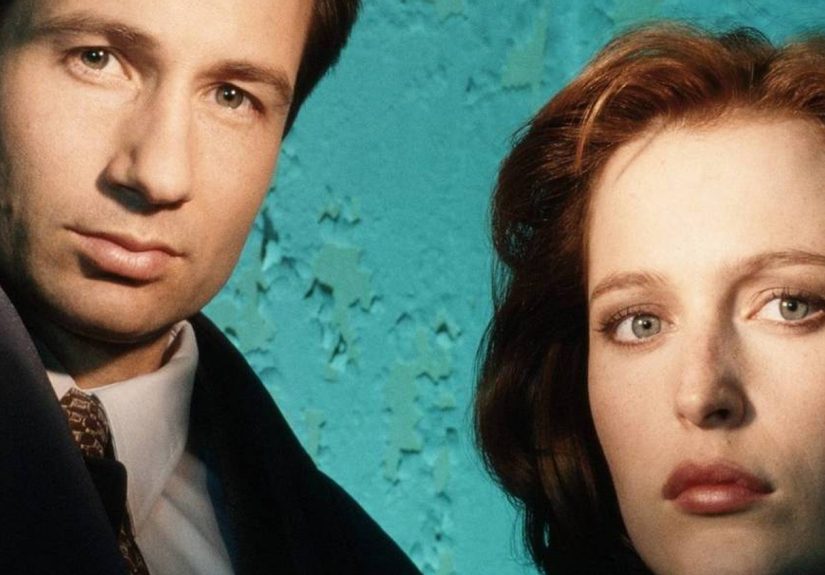
Let’s start with the headline bait that refuses to die: Scully hates Mulder.
In reality, it’s less “enemies” and more “two talented humans navigating fame like it was a haunted house with no exit signs.”
But yesthere were stretches when the off-screen vibe reportedly wasn’t exactly a cozy paranormal picnic.
What fans saw
Mulder and Scully gave us one of TV’s most iconic partnerships: skeptical scientist meets true-believer chaos gremlin.
Their bond was built on trust, trauma, and the shared experience of being professionally gaslit by their own workplace.
The chemistry was so strong it powered entire eras of fanfiction and half the internet’s emotional development.
What was going on off camera
Years later, both leads have spoken candidly about periods of distance and tension during the show’s original run.
In a more recent reflection, they’ve framed it as a complicated relationship shaped by pressure, youth, and the bizarre intimacy of
being TV’s most shipped duo while also being… two separate people with separate brains.
Where they landed
The most adult plot twist: time helped. The relationship evolved, the conversations got more honest, and the vibe shifted from
“we’re barely speaking” to “we’ve survived something together.” Not a perfect fairytalebut a very human one.
Which, frankly, is more believable than most TV finales.
2) Sex and the City: Fashion, Friendship… and a Very Public Rift
If you ever wanted proof that “best friends forever” can turn into “don’t tag me in that,” this is the franchise for you.
The off-screen tension became its own long-running storylineone with fewer Manolos and more headlines.
What fans saw
Carrie, Miranda, Charlotte, and Samantha were sold as the ultimate friend groupbrutally honest, fiercely loyal, and constantly brunching
like it was cardio. Samantha especially embodied the “say it with your whole chest” spirit, and viewers loved her for it.
What the public learned
Over time, reporting and statements painted a picture of a strained relationship, with disputes and hurt feelings spilling into interviews
and social media. The conversation heated up notably around the failed third film and later public exchanges that made it clear:
whatever the truth behind closed doors, things weren’t magically fixed by a group hug.
The “cameo without contact” era
When the sequel series rolled on, it did so with the kind of careful choreography usually reserved for diplomatic summits.
The franchise found ways to nod to Samantha while acknowledging a real-world reality: not everyone wants to return, and not everyone wants to
be in the same room if they do.
3) Castle: When On-Screen Spark Meets Off-Screen Static
On TV, they were the definition of “partners who drive each other crazy but would also take a bullet.”
Off-screen, the story that emerged publicly was murkierbuilt from reported friction, careful statements, and a fandom trying to
solve a mystery without a murder board (but definitely with one).
What fans saw
Rick Castle and Kate Beckett were a slow-burn romance wrapped inside a procedural.
Their banter and chemistry weren’t just a perkthey were the engine of the show.
When you’re in almost every scene together, the partnership becomes the entire product.
What was reported
Reports around the show’s later seasons pointed to behind-the-scenes tension and “difficult” dynamics.
Public comments stayed diplomaticclassic Hollywood “I wish them well” energywhile industry reporting suggested it wasn’t all smooth sailing.
Whatever the full truth, it became part of the narrative surrounding cast changes and the show’s end.
Why this one hits differently
The real lesson here is how TV chemistry can be both genuine and manufactured.
You can have electric scenes and still have complicated working relationships.
Acting is teamwork, but it’s also laborand sometimes the labor is “perform romance while negotiating boundaries, contracts, and exhaustion.”
4) Charmed: Sisterhood With a Side of Set Tension
The premise: sisters fighting demons together. The reality: sometimes the demon is unresolved workplace conflict wearing a cardigan.
Over the years, cast members have discussed tension and difficult periods, turning the show’s behind-the-scenes story into a whole separate saga.
What fans saw
The Halliwell sisters were the fantasy: a family unit that could bicker, forgive, and unite against evil.
It was cozy, chaotic, and emotionally sticky in the best way.
What has been said publicly
In more recent conversations and reporting, the narrative has included claims of serious tension, mediators, and “either she goes or I go” energy.
Responses have varied, with different people describing events differentlybecause memory is messy and show business is messier.
What to take from it
It’s a reminder that “on-screen friends, real-life enemies” is often too simplistic.
Sometimes it’s not hatredit’s incompatibility, stress, power imbalances, and a workplace that didn’t have the tools (or desire) to handle conflict well.
5) Fresh Prince: The Aunt Viv Earthquake
Few TV recastings have the cultural impact of Aunt Viv. And few behind-the-scenes stories have evolved so publiclyfrom bitter fallout
to a reconciliation that forced everyone watching to suddenly feel feelings on a random weekday.
What fans saw
In the early seasons, Aunt Viv was fierce, funny, and formidablean anchor in the Banks family.
The character mattered, and the audience noticed the shift when the role changed.
What went wrong
Over the years, the situation was discussed in interviews and later addressed more directly, including a sit-down that reframed the conflict
through the lens of youth, pressure, personal struggles, and the brutal realities of Hollywood contracts.
Why it’s a rare kind of closure
Reconciliations in celebrity feuds are uncommonespecially the kind that acknowledges pain without turning it into a PR victory lap.
It didn’t erase what happened, but it did something rarer: it made space for both perspectives to exist without a punchline.
6) The Good Wife: The Case of the Missing Shared Scenes
If you want to watch a fandom become a detective agency, look no further than the infamous “why aren’t they in scenes together?” era.
Viewers noticed a pattern: characters who used to share meaningful screen time suddenly… didn’t.
What fans saw
Alicia and Kalinda were a standout pairingsmart, guarded, emotionally charged, and fascinating together.
Their dynamic was a key ingredient in the show’s early seasons.
The rumor and the response
Rumors of a feud gained traction as shared scenes became rare, prompting questions at festivals and press events.
Publicly, those involved often brushed off the idea as gossip, while separate reporting kept the conversation alive.
The controversy peaked around a finale moment that sparked debate about how it was filmedand why.
What it reveals about TV production
Even without any “confirmed enemies,” the situation shows how television can quietly reroute storylines around real-life logistics:
schedules, contracts, and yes, interpersonal dynamics. Sometimes the plot bends. Sometimes it limps. Sometimes it FaceTimes.
7) The Golden Girls: Sunshine on Camera, Shade Off Camera
Here’s the emotional whiplash: one of the warmest ensemble comedies ever… reportedly had some cold moments behind the scenes.
The show remains beloved, but accounts from people close to production have described real tension between two of its stars.
What fans saw
The girls were a found familysupportive, ridiculous, and endlessly rewatchable.
Their friendships felt lived-in, which is why this story lands like spilled cheesecake.
What’s been reported
In recent years, producers and insiders have revisited the show’s legacy, sharing anecdotes about friction.
Not every story matches, and decades later, perspectives differbut the recurring theme is that not all bonds were equally cozy off camera.
Why it doesn’t ruin the show
If anything, it proves how talented they were. Making audiences feel warmth is harder when you’re not feeling it.
The performances still stand. The jokes still hit. And the lesson remains:
professionalism can be both admirable and, occasionally, emotionally expensive.
What these “real-life enemies” teach us
1) On-screen chemistry is not a friendship contract
Viewers often assume great scenes mean great vibes. But chemistry is a product of craft: timing, trust, rehearsal, direction,
and the ability to read another actor’s rhythms like sheet music. You can respect someone deeply and still not want to split an appetizer with them.
2) Power and pay matter (a lot)
When one person is “the star” and others are framed as supportingeven when audiences don’t see it that waytension can simmer.
Contract negotiations don’t just affect money; they affect status, workload, and how valued someone feels.
3) The public loves a “feud,” even when the truth is boring
“They hated each other” is a cleaner headline than “they were exhausted, underpaid, and had incompatible communication styles.”
But real conflict is often mundane: boundaries, management failures, and stress.
Unfortunately, mundane doesn’t trend.
4) Sometimes the healthiest ending is distance
Not every story ends with a reunion hug. Sometimes it ends with “we wrapped, we moved on, and that’s fine.”
And honestly? That’s still growth.
Bonus: of “Relatable Workplace” Experience (Because This Is Basically Office Drama With Better Lighting)
If you’ve ever worked a job where you had to be “besties” with someone for the sake of the team, these stories feel less like celebrity gossip
and more like an HR training video with designer shoes. The weird truth is that most of us have our own tiny version of “Scully hates Mulder,”
and it usually starts with something hilariously small. A tone in an email. A meeting where someone interrupts you one too many times.
A group project where one person is “the visionary” and everyone else is “the people who make the visionary look good.”
What makes the on-screen friends / real-life enemies phenomenon so familiar is that it’s not always about one big betrayal.
It’s about daily friction. Different work styles. Different definitions of “professional.” One person wants to rehearse, the other wants to wing it.
One person treats the job like a marathon, the other treats it like a sprint with dramatic pauses for snacks.
Multiply that by 14-hour days, public scrutiny, and the fact that your “coworker” is also the person you’re supposed to gaze at like they
invented oxygen… and suddenly it’s not shocking that some sets run on polite distance.
As a viewer, you can even feel the difference when a show is navigating tension. Scenes get shorter. Dialogue becomes more functional.
Characters start talking through other characters, like a group text where nobody wants to respond directly.
And when the magic is still there despite all that? That’s the part that deserves respect. Because the ability to deliver warmth, intimacy,
humor, and trust on camerawhile privately doing the emotional equivalent of “please keep at least three feet between us”is a skill.
Not a fun skill. Not a “put it on LinkedIn” skill. But a skill.
The healthiest takeaway isn’t “actors are petty” or “friendships are fake.” It’s that collaboration is complicated.
You can create something beautiful with someone you wouldn’t choose as a friend. You can disagree and still build trust in the work.
You can have a rough season and still look back with gratitude. And sometimes, you can even reconcile years laterbecause time changes the story,
and because people grow up, calm down, or simply get tired of carrying old resentment like a heavy purse with nothing inside but receipts.
So the next time you hear “they hated each other,” consider a softer translation: “They were human in a high-pressure job.”
Then rewatch the show, enjoy the performances, and be thankful your workplace doesn’t require you to flirt under fluorescent lighting
while a boom mic hovers above your soul.
Conclusion
“Scully hates Mulder” makes a delicious headline, but the real story behind most co-star feuds is bigger than a simple love/hate switch.
These are workplace relationships under extreme pressurefame, contracts, creative control, exhaustion, and public narratives that love conflict.
And yet, somehow, the work often still lands. The jokes still hit. The friendships feel real. The partnerships become iconic.
Maybe that’s the strangest comfort of all: you don’t need perfect harmony to make something meaningful.
Sometimes you just need talent, boundaries, and the ability to say, “Great take,” through gritted teeththen go home and live your life.
Sources consulted (no links, just the outlets)
- People
- Vanity Fair
- Entertainment Weekly
- TVLine
- Deadline
- Variety
- Vogue
- TIME
- CBS News
- Los Angeles Times
- TV Guide
- The Hollywood Reporter
- Vulture
- E! Online
- Elle
SEO Tags (JSON)