Table of Contents >> Show >> Hide
- What Is Salmon Nigiri (and Why It’s Not “Just Raw Fish on Rice”)
- Ingredients
- Equipment You’ll Actually Use
- How to Choose Salmon Safely for Nigiri
- Step-by-Step Salmon Nigiri Recipe
- How to Serve (Without Turning Your Soy Sauce into Rice Soup)
- Variations That Still Taste Like “Real Sushi”
- Make-Ahead and Storage Tips
- Troubleshooting: Fix the Common “Why Is Mine Doing That?” Moments
- FAQ
- Final Thoughts
- Real-Life Experiences: What It’s Like Making Salmon Nigiri at Home (The Fun Part)
Salmon nigiri is proof that “simple” can still be show-offy. It’s just two partsseasoned sushi rice and a slice of salmon
but when you do the little details right (temperature, texture, and knife work), it tastes like you paid restaurant prices…
without actually paying restaurant prices. Your wallet will thank you. Your friends will assume you secretly apprenticed under a sushi master.
This guide walks you through a reliable, at-home salmon nigiri recipe with practical food-safety tips, rice technique,
salmon slicing, and troubleshooting. It’s written for real kitchens (yes, even the ones without a rice paddle collection).
What Is Salmon Nigiri (and Why It’s Not “Just Raw Fish on Rice”)
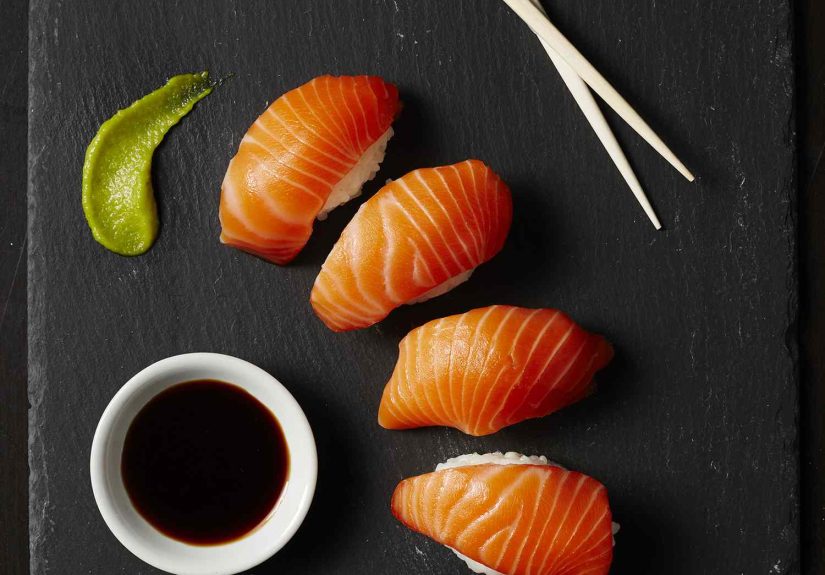
“Nigiri” is hand-pressed sushi: a small oblong mound of vinegared rice topped with fish. The magic isn’t only the salmon
it’s the rice: fluffy but cohesive, gently seasoned with vinegar, sugar, and salt. Get the rice right and the salmon has a velvet runway to walk on.
Get it wrong and… well, you’ll still eat it, but you’ll do it while making that “hmm” face.
Ingredients
Makes about 16–20 pieces (enough for 2 hungry people or 3 polite ones).
For the sushi rice
- 2 cups Japanese short-grain sushi rice
- Water (for rinsing + cooking)
- 1 piece kombu (optional, about 2–3 inches; adds subtle umami)
- 5 Tbsp unseasoned rice vinegar
- 2 Tbsp sugar
- 1½ tsp fine salt
For the nigiri
- 8–10 oz salmon intended for raw consumption (ask your fishmonger; keep it very cold)
- Wasabi (optional, but classic)
- Soy sauce or tamari
- Pickled ginger (for palate resets)
- Optional: thin nori strips (handy if you’re adding toppings or want extra security)
Equipment You’ll Actually Use
- Rice cooker or medium pot with a tight lid
- Fine-mesh strainer (for rinsing rice)
- Wide bowl or wooden sushi tub (a large mixing bowl works)
- Rice paddle or spatula
- Very sharp knife (slicing salmon with a dull blade is basically fish-sawing)
- Small bowl of water for your hands (add a splash of vinegar if you like)
- Clean kitchen towel (slightly damp) to cover rice
How to Choose Salmon Safely for Nigiri
Let’s talk about the phrase “sushi-grade.” In the U.S., it’s commonly used by sellers to indicate the fish is suitable for eating raw,
but it’s not a single, official government grading stamp. Treat it like a trust signaluse reputable fish markets, ask direct questions,
and prioritize fish handled for raw service.
Smart buying checklist:
- Buy from a reputable fishmonger or market with high turnover.
- Ask: “Is this salmon intended for raw consumption?” (Yes/no is your friend.)
- Keep it cold: transport on ice packs, refrigerate immediately, slice last minute.
- If you’re unsure, choose a safer route: cooked salmon nigiri, smoked salmon, or seared “aburi” style.
Important: Raw fish can carry risks for some people. If you’re pregnant, immunocompromised,
or serving young kids or older adults, consider cooked/seared options.
A quick note on parasite control
Many food-safety guidelines discuss freezing fish intended to be eaten raw to reduce parasite risk under specific time/temperature conditions.
In practice, most “sushi salmon” sold for raw use has already been frozen appropriately by the supplier. Don’t assume your home freezer is equivalent
to commercial equipmentwhen in doubt, rely on a trusted seller or choose cooked/seared preparations.
Step-by-Step Salmon Nigiri Recipe
Step 1: Make sushi rice (sumeshi)
-
Rinse the rice: Put rice in a bowl, cover with cold water, swish gently, then drain.
Repeat until the water looks mostly clear (usually 4–6 rinses). -
Soak (recommended): Cover rinsed rice with fresh water and soak for 15–20 minutes.
Drain well. -
Cook:
- Rice cooker: Cook using the cooker’s sushi/white rice setting. Add kombu on top if using (remove after cooking).
- Stovetop: Add rice and the amount of water recommended for sushi rice on your package. Bring to a gentle boil, cover,
reduce to low, and cook until tender. Let it rest covered for 10 minutes.
-
Make the seasoning: Warm the vinegar, sugar, and salt just until dissolved. Don’t boil it into a science project.
Let it cool slightly. -
Season the rice: Transfer hot rice to a wide bowl. Drizzle seasoning evenly over rice.
Fold gently (cut-and-turn motions) to avoid smashing grains. -
Cool to “body temp”: Let rice cool until it’s warm, not hot. Cover with a slightly damp towel so it doesn’t dry out.
This texture window is prime time for shaping nigiri.
Step 2: Prep and slice the salmon
- Keep it cold: Refrigerate salmon until you’re ready to slice.
- Check for pin bones: Run your fingertips gently over the flesh; remove any bones with clean tweezers.
- Pat dry: Moisture is the enemy of clean slicing and tidy nigiri.
-
Slice:
- Aim for slices about 2 to 2½ inches long, 1 inch wide, and roughly ⅛–¼ inch thick.
- Cut at a slight angle for a larger surface area and nicer drape.
- Use one smooth stroke per sliceno sawing. (Your fish should not look “raked.”)
- Chill again: Lay slices on a plate, cover, and refrigerate while you shape rice.
Step 3: Shape the nigiri rice
-
Prep your hands: Lightly wet your hands (water with a tiny splash of vinegar helps reduce sticking).
Too wet = slippery rice. Too dry = rice glued to your palms like it pays rent. - Portion: Take about 1 to 1½ tablespoons of rice. (Bigger isn’t betternigiri should be bite-sized.)
-
Form: Gently compress into an oblong shape using your fingers and palms.
The goal is cohesive but not densethink “soft handshake,” not “competitive grip strength.” - Make a small flat top: This helps the salmon sit neatly.
Step 4: Assemble the salmon nigiri
- Optional wasabi: Dab a tiny amount on the salmon (or on the rice). A little goes a long way.
- Top: Place a salmon slice over the rice so it drapes slightly.
- Press: With two fingers, gently press the salmon to conform to the rice. Rotate once and press lightly again.
- Optional nori band: If you’re adding toppings or want extra hold, wrap a thin strip of nori around the middle.
How to Serve (Without Turning Your Soy Sauce into Rice Soup)
- Serve immediately for best texture.
- Dip fish-side down into soy sauce, not rice-side down. Rice drinks soy sauce like it’s at an open bar.
- Eat in one bite if possiblenigiri is designed for that perfect rice-to-fish ratio.
- Use pickled ginger between pieces, not piled on top like a salad.
Variations That Still Taste Like “Real Sushi”
1) Aburi (seared) salmon nigiri
Lightly torch the top of each salmon slice after assembly (or quickly sear the salmon surface in a hot pan, then slice).
The fat warms up, the aroma blooms, and suddenly your kitchen smells like a fancy sushi bar.
2) Spicy salmon nigiri
Mix a small amount of mayo with a touch of sriracha (or chili paste). Add a pea-sized dot on top of each piece.
Garnish with scallions or toasted sesame seeds if you’re feeling extra.
3) Citrus + salt finish
A tiny sprinkle of flaky salt and a whisper of lemon zest can make salmon taste brighter and cleanerespecially if it’s richer, fattier salmon.
Make-Ahead and Storage Tips
- Sushi rice is best the same day. Refrigerating rice makes it firm and less pleasant.
- Slice salmon right before serving for the best texture and freshness.
- Leftovers? If you must, store fish and rice separately, tightly covered, and eat quickly. But honestly:
nigiri leftovers are like leftover friespossible, but emotionally disappointing.
Troubleshooting: Fix the Common “Why Is Mine Doing That?” Moments
My rice is mushy
Too much water or over-stirring. Next time, measure carefully, avoid stirring during cooking, and fold seasoning gently instead of mashing.
My rice falls apart when I pick it up
Not enough compression or rice too cool/dry. Shape while rice is warm and slightly sticky, and press just enough to hold together.
The salmon slides off
Rice top may be too rounded, salmon too wet, or slices too thick. Flatten the rice slightly, pat salmon dry, and slice thinner with one clean stroke.
It tastes “flat”
Usually under-seasoned rice. Sushi rice should taste gently bright and savory-sweet even before fish touches it.
Add seasoning gradually and taste (yes, plain rice tasting is allowedno one’s judging you).
FAQ
Can I use regular rice?
Short answer: you can, but it won’t be the same. Sushi rice is short-grain and sticky enough to hold shape.
Long-grain rice makes sad, crumbly nigiri (and sadness is not a seasoning).
Is “sushi-grade” required?
What matters most is that the salmon was handled for raw consumption by a reputable supplier. If you can’t verify that,
choose cooked or seared salmon nigiri instead.
What’s the easiest “safer” option that still tastes amazing?
Aburi (seared) salmon nigiri. You still get that sushi vibe, but the heat adds a comfort layer for cautious eaters.
Final Thoughts
Making salmon nigiri at home is a mix of cooking and craft: rice that’s seasoned and fluffy, salmon that’s sliced cleanly,
and a gentle hand that shapes without crushing. Once you get the rhythm, it becomes a surprisingly relaxing kitchen project
and a dangerously impressive party trick.
Real-Life Experiences: What It’s Like Making Salmon Nigiri at Home (The Fun Part)
The first time most people try a salmon nigiri recipe at home, the emotional journey is pretty consistent:
excitement, mild intimidation, a brief “why is the rice stuck to my hand like it’s cling-wrapped to my soul?” moment,
and thensuddenlyyou’re lining up neat little pieces on a plate like you run a tiny sushi nightclub out of your kitchen.
A common “aha” experience is realizing that sushi night is really rice night. You might start out obsessing over the salmon,
but the instant you taste properly seasoned sushi ricebright from vinegar, balanced with a little sweetness, and pleasantly savory
you get why good sushi shops treat rice like the main character. When the rice is right, even a simple topping feels special.
When the rice is off, you’ll catch yourself thinking, “Why does this taste like… fish on rice?” (Because it is. Rice matters.)
Another familiar experience: the “knife confidence curve.” At first, slicing salmon can feel like high-stakes surgery.
People tend to press too hard, saw back and forth, or slice too thick because it feels safer. Then you do one clean,
smooth strokejust onceand the salmon comes off in a glossy, even sheet that looks restaurant-level.
That’s the moment you’ll glance around to see if anyone witnessed your newfound power.
If you’re making nigiri for friends or family, you’ll probably notice how interactive it becomes. Someone ends up on “rice duty,”
someone becomes the “salmon slicer,” and a third person is mysteriously in charge of “quality control” (aka eating the imperfect pieces).
It’s also where you learn the truth: there’s no such thing as “extra” sushi rice. It disappears into “taste tests,”
hand rolls, and little snack piles before you even start assembling.
The most common beginner hiccup is rice texture. Many home cooks discover that shaping nigiri is less about squeezing hard and more about
just enough pressure. Too loose and the rice crumbles; too tight and it turns dense. The sweet spot feels like forming a small,
soft cushion that holds together when lifted. Once you find it, your hands remember. It’s like riding a bike, except the bike is delicious.
People also learn quickly that temperature is a quiet game-changer. Cold rice is stiff and harder to shape. Hot rice is sticky and steamy
and makes your salmon look sweaty. Warm, “body temperature” rice is the Goldilocks zoneeasy to mold, pleasant to eat, and gentle on the fish.
That small detail is often what flips a first attempt from “pretty good!” to “wait… this is actually legit.”
Finally, there’s the satisfaction of plating. Even if your pieces aren’t perfectly uniform, they look impressive lined up on a board with soy sauce,
ginger, and maybe a little wasabi. And if one piece comes out wonky? Congratulationsthat’s the chef’s snack.
Sushi night has rules, and one of them is: the chef must be fed.